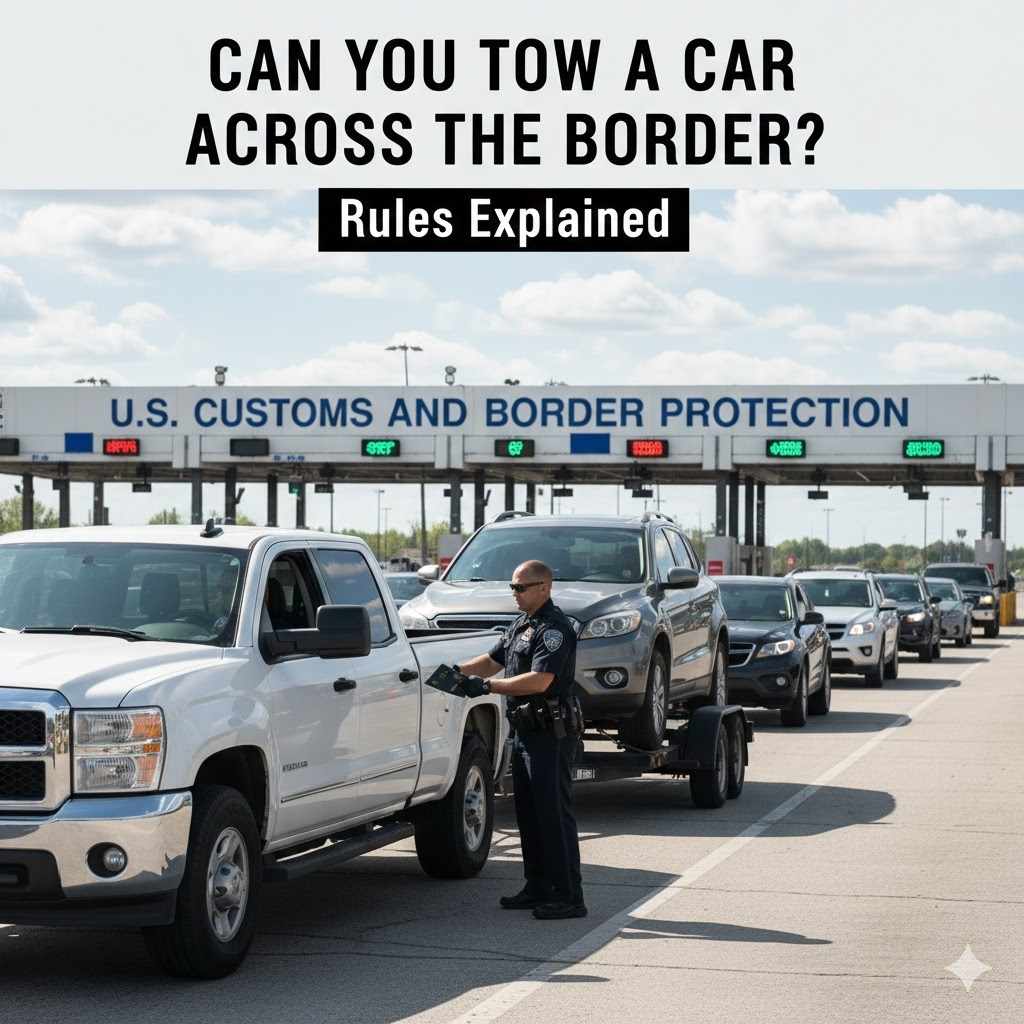
Can You Tow a Car Across the Border? Rules Explained
Figuring out Can You Tow a Car Across the Border? Rules Explained can feel tough for anyone, even seasoned travelers. It’s often filled with rules and paperwork that seem complicated. But don’t worry! This guide will break down everything you need to know in a clear, easy-to-follow way. We’ll simplify the whole process, step by step, so you can travel with confidence. Let’s get started and explore how to tow a car across a border safely and legally.
Border Crossing Basics: What You Need to Know First
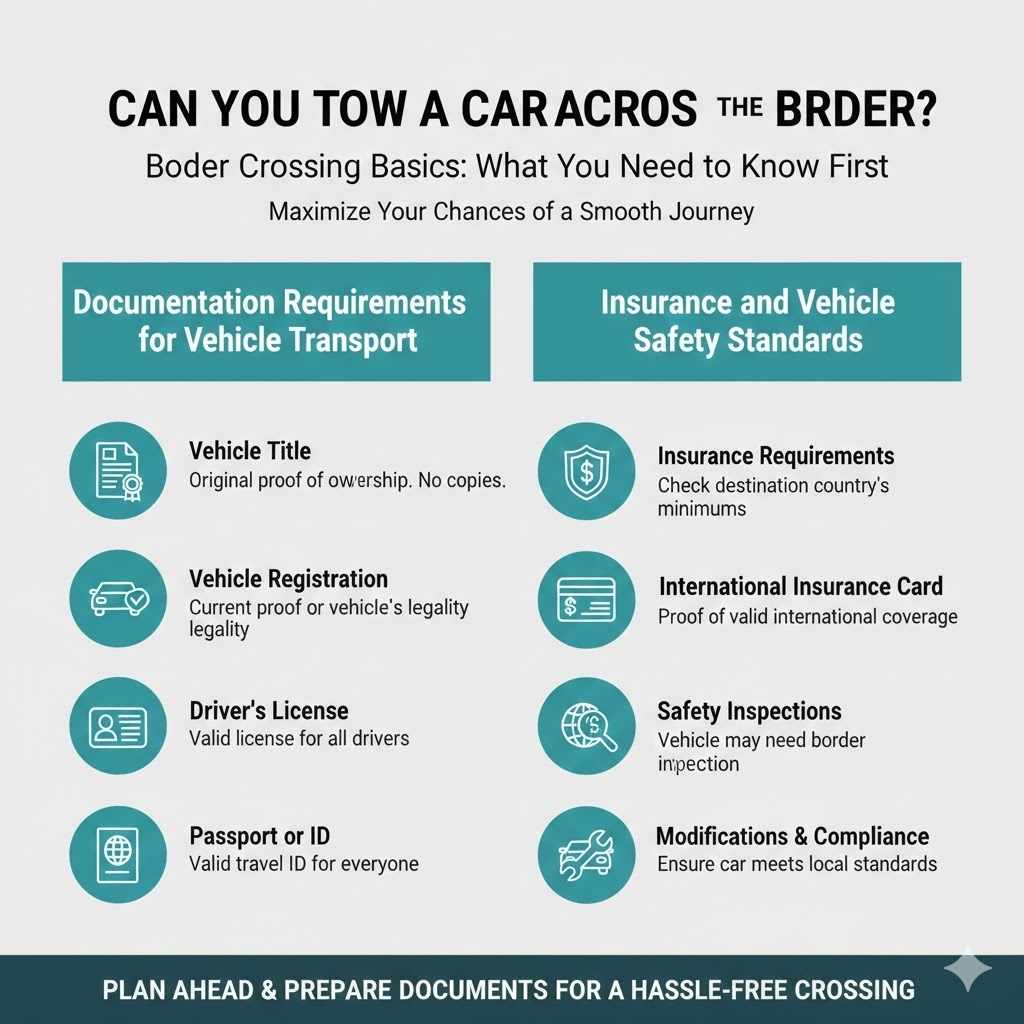
Before you even think about towing a car across a border, it is important to first grasp the fundamental elements of international vehicle transport. This includes being familiar with the types of documents required, like ownership proof, and understanding the different rules that exist in different countries. It’s really all about planning and gathering important documents like the car’s title, registration, and your driver’s license. You’ll also need to consider things like insurance and whether the car meets the safety standards of the country you’re entering. Doing your homework helps prevent problems at the border and ensures a smooth trip. It also helps you avoid any nasty surprises.
Documentation Requirements for Vehicle Transport
One of the most important aspects is having the right paperwork. This helps customs officers identify the vehicle and verify its legal status. You’ll almost always need the original vehicle title, which shows that you officially own the car. You’ll also need the vehicle’s registration, which proves it is allowed to be driven. A valid driver’s license is essential, as this grants you permission to operate a vehicle on public roads. Beyond these basics, specific requirements can vary based on the country and your individual circumstances.
- Vehicle Title: The vehicle title is like a birth certificate for your car, proving ownership. Make sure it’s the original, not a copy. Without it, you might not be allowed to cross the border.
- Vehicle Registration: The vehicle registration verifies that the car is officially registered in your name and allowed to be driven on roads. It confirms it has passed all the required checks to be road-worthy. It should be current.
- Driver’s License: A valid driver’s license lets you legally drive in the destination country. It proves you’ve passed the necessary tests. If you’re towing, this is critical.
- Passport or ID: You and everyone else in the car will need a valid passport or other approved ID. The specific requirements depend on the border. Double-check before you go.
Insurance and Vehicle Safety Standards
Insurance and safety are equally significant. Every country has different insurance rules, so you will need to check what is required for the country you’re entering. You may need to obtain an international insurance card, proving that you have sufficient coverage. Also, make sure that the car meets the safety standards of the destination country. This can involve inspections, modifications, or providing documentation that confirms compliance. Failing to meet these standards can result in delays, fines, or even the vehicle being turned away.
- Insurance Requirements: You’ll need to know the insurance regulations of the country you’re going to. Some require minimum liability coverage, while others may demand more. Check with your insurance company about international coverage.
- International Insurance Card: You may need an international insurance card to prove your insurance is valid in the destination country. Get this before your trip.
- Safety Inspections: Your car may be subject to a safety inspection at the border or in the destination country. Be sure the car is in good condition.
- Modifications and Compliance: Be ready for modifications if the car does not meet safety standards. Make sure your headlights, signal lights, and other features meet the local requirements.
Rules and Regulations Around Can You Tow a Car Across the Border? Rules Explained
When you start to explore Can You Tow a Car Across the Border? Rules Explained, you’ll see it is complicated. Each country has its own laws and procedures, and these can change. Some countries have strict rules about what can be towed, while others may have limits on the value of the vehicle or how long it can stay. You may also encounter specific rules about the type of tow vehicle, the weight of the vehicle being towed, and the type of equipment used. Ignoring these details can cause serious headaches, so it is important to do your research before your trip.
Understanding Towing Laws and Restrictions
Towing laws can vary significantly. Some countries may allow all types of towing, while others have limits on the size and type of vehicle that can be towed. There may be specific rules about towing trailers or vehicles, like how long they can stay in the country. You’ll need to know any weight limits, because if you’re over the limit, it could get you in trouble. Certain countries have rules about what sort of equipment can be used for towing and which vehicles can be towed.
- Weight Restrictions: Many countries have weight limits. The weight of your vehicle and the vehicle you are towing must be within the legal limits.
- Type of Towing Equipment: Some countries have rules about the type of equipment you can use for towing. Ball hitches, tow bars, and other equipment may be regulated.
- Vehicle Type Restrictions: Some countries may limit the type of vehicles you can tow. For instance, commercial vehicles might have different rules.
- Time Limits: Be sure about the time your vehicle can stay in the destination country. Some countries only allow it for a short time.
Country-Specific Regulations and Customs Procedures
Customs procedures differ from one country to another. You’ll typically need to declare your vehicle, present the required documentation, and possibly pay duties or taxes. Always check with the relevant customs agency. Knowing what to expect makes the process faster. Failure to complete these steps can result in significant delays and penalties. Some countries also require specific forms, inspections, or other procedures before you are allowed to enter or leave with a towed vehicle.
- Declaration of Vehicle: You will have to declare your vehicle to customs officials. Be ready to provide all required paperwork.
- Customs Forms: Complete any required customs forms correctly and honestly. This is often the first step in the process.
- Duty and Taxes: You might have to pay duty and taxes on the vehicle, depending on the country. Figure this out before you cross.
- Inspections: Your vehicle may undergo an inspection by customs officials to ensure it complies with local regulations.
Essential Steps When Planning Your Border Crossing
Planning is key when it comes to any border crossing. Begin by researching the specific rules and requirements. Then, gather all the required documentation, including the car’s title, registration, and any necessary permits. Make sure that your insurance covers international travel and towing. Give yourself plenty of time, allowing for potential delays at the border. Also, it’s good to prepare your vehicle for the trip to ensure it is safe and ready. This advanced preparation can prevent issues and help you have a smoother experience.
Researching Destination Country Rules and Requirements
Before you go, it’s critical to research the rules of the country you’re going to. Check the local customs agency website or contact the embassy or consulate. Find out the requirements for importing a vehicle, including documentation, any taxes or duties, and safety standards. Knowing this ahead of time helps you get ready. Rules can change, so always check the latest guidelines before you start. This research might seem like a lot of work, but it helps avoid problems down the road.
- Check Official Websites: Visit the official website of the destination country’s customs agency. This is where you’ll find the most up-to-date rules.
- Contact Embassies/Consulates: If you need extra guidance, contact the embassy or consulate of the country you plan to visit. They can offer details.
- Understand Import Regulations: Learn about import rules, including any taxes or duties you’ll need to pay.
- Safety Standards: Understand the vehicle safety standards of the country you’re visiting. They could require modifications.
Preparing Your Documentation and Vehicle
Gathering all your documentation is the next crucial step. Make sure you have the original title, registration, driver’s license, and insurance information. Copy everything in case you lose the originals. Take care of any necessary vehicle maintenance. This makes sure it is safe and reduces the chance of issues on the road. Check your tires, brakes, lights, and other systems. Also, it is wise to make sure your vehicle complies with safety standards. Preparing now saves time later.
- Original and Copies of Documents: Gather all your necessary documents. Make sure you have the originals and copies.
- Vehicle Maintenance: Have your vehicle serviced before you leave to check all the essential systems.
- Check Tires, Brakes, and Lights: Make sure your tires are properly inflated, your brakes work, and all your lights function correctly.
- Safety Inspections: Check if you need a safety inspection before crossing the border.
Planning Your Route and Allowing for Delays
Planning your route and allowing extra time can make all the difference. Knowing the location of border crossings is key. Consider the possible delays. Expect long queues during peak times and be ready for thorough inspections. Having a flexible schedule is also a good idea. This allows you to deal with unforeseen problems or delays. This means you will arrive at your destination safe and with less stress.
- Choose Border Crossings: Decide on the most practical border crossing for your route. Know where they are.
- Check Traffic: Look at traffic information, especially during peak travel times.
- Prepare for Delays: Expect delays at the border, especially during holidays or busy seasons.
- Have a Flexible Schedule: Keep your schedule open so you can adapt to unexpected issues.
Possible Issues and Common Mistakes
It’s important to be aware of possible problems. Not having all the right paperwork or failing to follow customs procedures can lead to rejections or fines. Being unaware of the destination country’s regulations is another typical issue. Failing to properly prepare your vehicle for the trip may result in a breakdown or safety issues. Also, remember that customs officers have the final say, so it’s important to be respectful and follow their instructions. By learning about these potential pitfalls, you can reduce your risk of delays.
Common Documentation and Compliance Problems
Errors in paperwork are frequent issues. These include incomplete forms, missing documentation, or documents that are not up-to-date. When the vehicle doesn’t match local requirements, such as safety standards or insurance, this can also cause problems. Be extra sure you have everything you need. Ensure your vehicle meets local regulations, such as emissions standards. This attention to detail will ensure a smoother crossing. This means you’ll spend less time at the border and more time enjoying your trip.
- Incomplete Paperwork: Make sure all forms are complete and accurate. Check for any missing fields.
- Missing Documents: Have every required document. Not having them can lead to delays or denial of entry.
- Vehicle Non-Compliance: Ensure your vehicle meets safety and environmental standards. Check for special requirements.
- Incorrect Insurance: Verify your insurance meets the minimum requirements of the destination country.
Potential Penalties and Consequences
The penalties for breaking border rules can be severe. This could mean a financial fine. It might mean the vehicle is impounded or even banned from entering the country. You might also be turned away at the border. The exact consequences depend on the specific rules broken. Always be aware of local laws and comply with the customs regulations. Being prepared and following the rules can help you avoid these penalties and have a better experience.
- Financial Fines: Breaking customs rules often results in fines. Be ready to pay if necessary.
- Vehicle Impoundment: In severe cases, your vehicle may be impounded. This can be costly and inconvenient.
- Entry Denial: You might be denied entry into the country if you break the rules.
- Legal Consequences: Breaking serious customs regulations can lead to legal issues.
Specific Scenarios and Examples
Knowing the rules is one thing, but seeing real-life examples can make everything easier to grasp. These examples show how the rules apply in different situations, like towing a car across the US-Canada border. They also help you plan for these situations. They show the value of thorough preparation. With knowledge and planning, you can tackle these challenges.
Case Studies: Successful Border Crossings
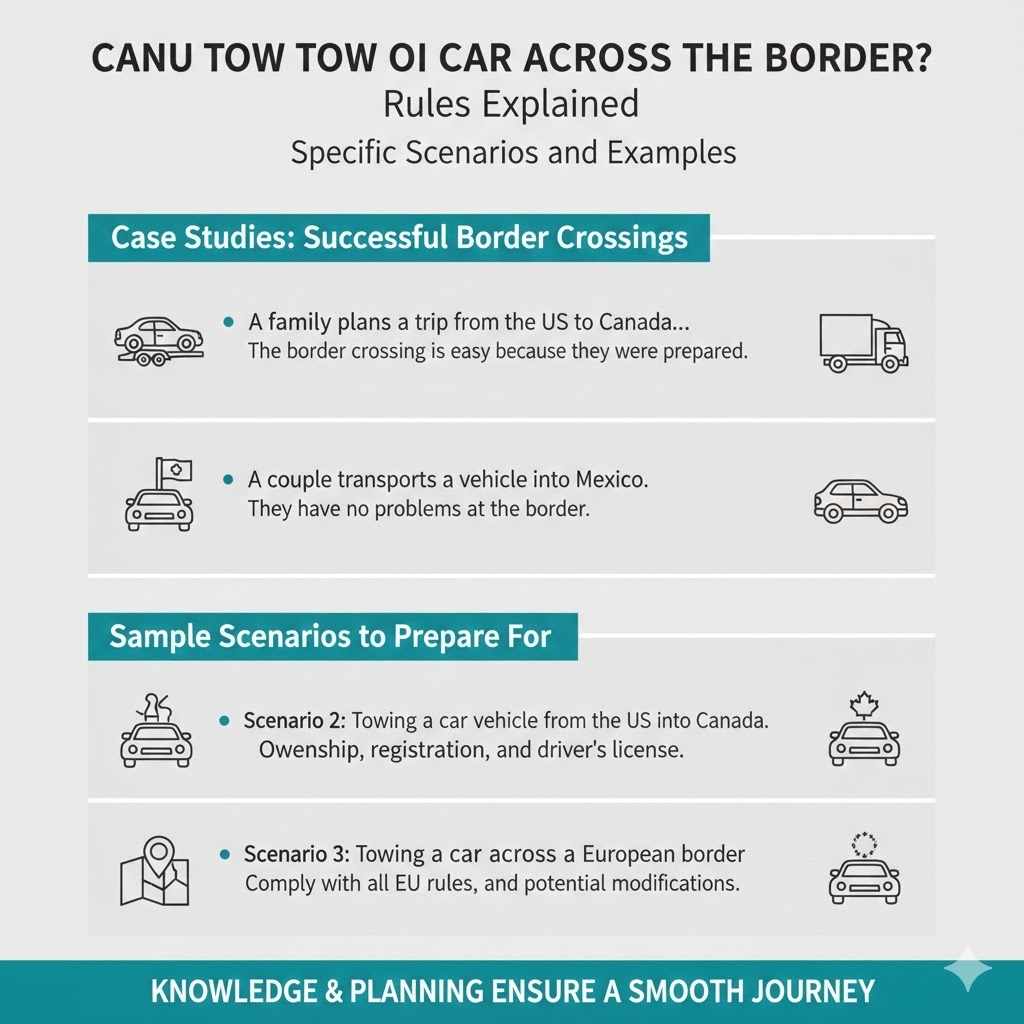
There are many successful border crossing stories. One example involves a family who carefully researched all requirements and gathered their documents before they started their trip. They had the vehicle title, registration, and insurance. They declared their vehicle, and they had no problems with customs. Another example highlights a couple who followed all the towing rules, including weight limits and safety standards. Because of their careful preparation, they experienced a fast and easy border crossing. These examples show that planning and compliance are key.
- A family plans a trip from the US to Canada, towing a classic car. They research the rules and ensure their trailer is compliant. They have all the paperwork ready. The border crossing is easy because they were prepared.
- A couple transports a vehicle into Mexico. They get an import permit and pay the required duties, following the customs guidelines perfectly. They have no problems at the border.
- A truck owner moving goods from Europe to Asia plans everything from loading the goods in Europe to unloading them in Asia. The entire process requires a lot of paperwork and compliance with border rules in several countries.
Sample Scenarios to Prepare For
Anticipating possible scenarios lets you get ready. Imagine you’re towing a car across the US-Mexico border. You might need to have an import permit and proof of ownership. You may need to have insurance valid in Mexico. Alternatively, let’s imagine you’re towing a car into Canada. You may need to provide proof of ownership, vehicle registration, and a valid driver’s license. Knowing these things can help you be better prepared for a smooth border crossing.
- Scenario 1: You want to tow a car from the US into Mexico. You must get an import permit, provide ownership documentation, and show proof of Mexican insurance.
- Scenario 2: You’re towing a vehicle from the US into Canada. You’ll need to show vehicle ownership documentation, current registration, and a valid driver’s license.
- Scenario 3: You’re towing a car across a European border. You must comply with all EU rules, which may include certain vehicle modifications.
Frequently Asked Questions
Question: What documents do I need to tow a car across the border?
Answer: You’ll typically need the original vehicle title, current registration, a valid driver’s license, and proof of insurance. Depending on the country, you might also require an international insurance card and an import permit.
Question: Is it legal to tow a car across the border?
Answer: Yes, it is usually legal, but you must meet all the requirements of both countries. These requirements include the proper documentation, adherence to weight and size restrictions, and compliance with all applicable laws and regulations.
Question: What are the risks of not declaring my vehicle when crossing the border?
Answer: Failing to declare your vehicle can result in penalties like fines, vehicle impoundment, or even a ban from entering the country. It’s crucial to declare your vehicle to avoid these serious consequences.
Question: Can I tow a car that is not registered in my name?
Answer: Usually, you can’t. You need to prove you own the car or have permission from the owner to move it. This is usually done with a power of attorney.
Question: What if my car does not meet the safety standards of the country I am entering?
Answer: You may be required to make the necessary modifications to bring your vehicle up to standard. The border officials may deny you entry until the vehicle meets all requirements. If you do not comply, you may face fines.
Final Thoughts
When you explore Can You Tow a Car Across the Border? Rules Explained, you’ll see it is complicated. But by following the right steps, you can simplify the process and have a smooth experience. Begin with careful planning, gathering all the required paperwork, and understanding the regulations of the destination country. Research and prepare for possible delays and issues that can arise at the border. Remember to always declare your vehicle, and make sure that it complies with local safety standards. Taking these precautions will help you avoid problems.
In short, the key to a successful border crossing is preparation. Know the rules and gather the right documents. By taking these steps, you can be sure of a more enjoyable trip. Do your research, plan ahead, and be ready for anything. This preparation is the key to a worry-free travel experience, whether your trip involves towing a vehicle or any other kind of journey. Now you’re ready to cross that border and enjoy your trip!