How to Ensure a Vehicle Title Is Free of Problems
Buying a car can be exciting, but it can also feel tricky, especially when you’re checking paperwork. One thing people often wonder about is How to Make Sure a Car Title Is Clean. It’s a common concern, especially if you’re new to the car-buying process. Don’t worry, it’s simpler than you might think! This guide will break down the steps, making sure you feel confident and ready to roll. We’ll explore the details, so you can make informed decisions. Let’s get started!
What a Clean Car Title Means
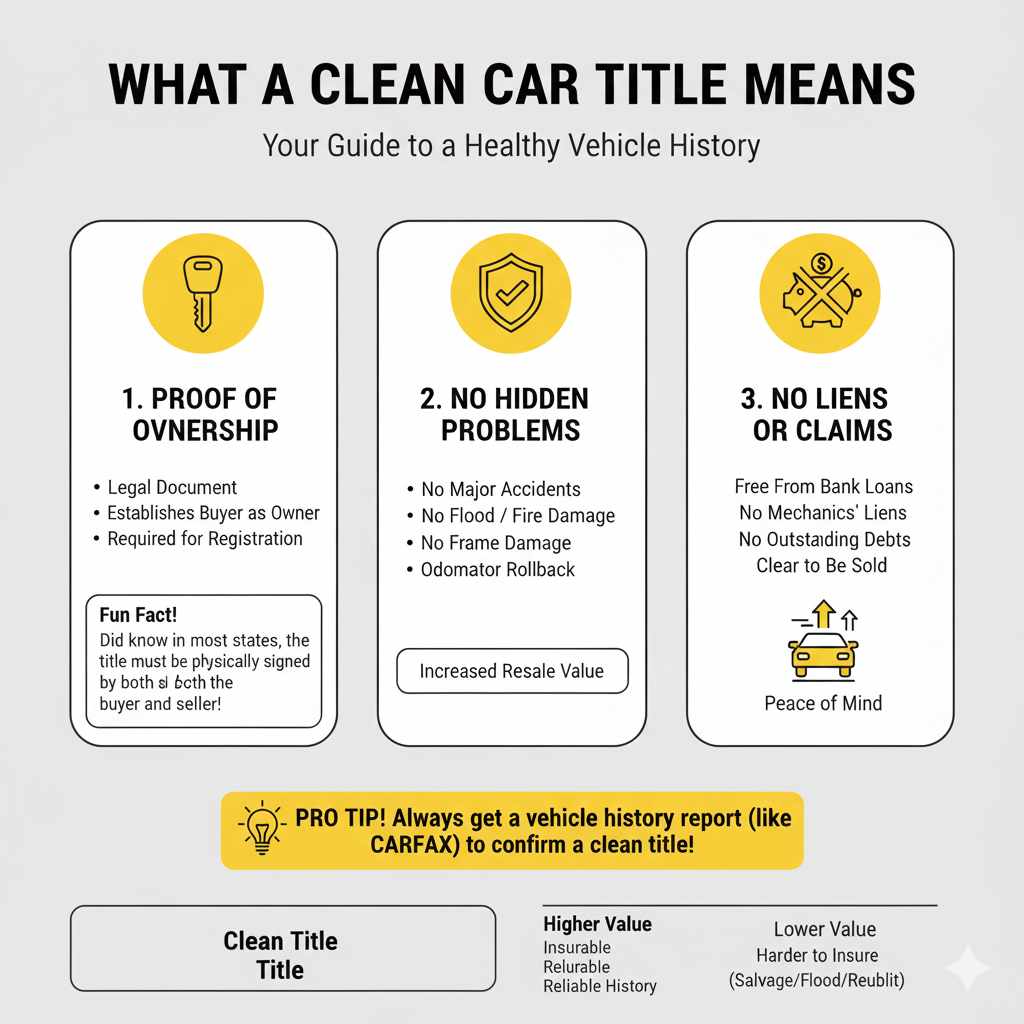
A car title is like a birth certificate for your vehicle. It proves who owns the car. A “clean” title means the car hasn’t been in any serious accidents or had any major issues. It’s free from any liens, which are claims against the car. When you see a clean title, it means the car is in good standing and ready to be sold to you without any hidden problems. When the vehicle has a clean title, it usually means it has not been involved in anything that would decrease its value.
The importance of a clean title can’t be stressed enough. Think of it as the car’s health report. It shows the car is in good shape and hasn’t had any major problems. If a car has a title that isn’t clean, you might run into problems down the road. This could lead to expensive repairs or even losing your car if there are outstanding claims.
What a Clean Title Covers
- No Hidden Damage: A clean title assures the car hasn’t suffered significant damage from accidents, floods, or other events. Cars with clean titles often get better insurance rates.
- Ownership Is Clear: The title shows who owns the car, with no outstanding claims from previous owners or lenders.
- Value Remains High: Vehicles with clean titles usually hold their value better than those with branded titles.
These features can provide peace of mind when buying. A clean title doesn’t always guarantee a perfect car, but it does show the vehicle hasn’t been through anything that would lower its value or reliability. It’s the first step in ensuring your investment is secure. It assures you that the car has not been involved in any serious incidents.
Checking the Vehicle History Before a Purchase
Before you even think about signing on the dotted line, you should check the vehicle’s history. This is a very important step in How to Make Sure a Car Title Is Clean. You want to make sure the car’s past lines up with what the seller is telling you. There are a few easy ways to do this. A vehicle history report is like a deep dive into the car’s past. It reveals important info such as accidents and repairs, and it’s something everyone should do when buying a used car.
Vehicle history reports aren’t just for checking if the title is clean. These reports give you lots of details about the car, helping you make a wise decision. They let you know about any accidents, damage, or other issues the car might have had. Getting one of these reports is a smart move that can save you from a lot of problems later on.
Where to Get a Vehicle History Report
- Carfax: Carfax is one of the most well-known services. Carfax reports give detailed vehicle history info and are often very accurate. It collects information from many sources, including insurance companies and auto shops.
- AutoCheck: AutoCheck is another solid option, similar to Carfax. It provides reports that show the car’s background, including any incidents and maintenance.
- State DMV: Some state DMVs also offer vehicle history checks. Check your local DMV for what services are available. This might be a cost-effective choice if you have any questions or concerns.
Each service gathers its data from different sources, so you may find that the info varies a little. It’s often smart to get a report from a couple of different places for the most complete picture. These reports generally cost money, but the price is small compared to the cost of fixing a car with hidden issues. Remember to review each report carefully and talk to the seller if you see anything that you don’t understand.
Understanding Title Brands and What They Mean
When you’re looking at a car title, you’ll see a section that says “Title Brand.” This section can contain information that tells you more about the car’s past. Understanding these title brands is a key part of How to Make Sure a Car Title Is Clean. Different brands give you insights into the car’s history, and they can impact the car’s value and reliability.
A branded title means the car has experienced something that the state considers significant. This could be anything from a major accident to flood damage or other issues. Recognizing these brands will help you make a wise decision. These brands aren’t necessarily a deal-breaker, but you should understand them. It’s important to research the specifics behind the brand before you decide. Knowing what each title brand means is a powerful tool when you’re buying a car.
Common Title Brands
- Salvage Title: This means the car has been seriously damaged and the insurance company declared it a total loss. Cars with salvage titles usually have a lot of damage and can be difficult to insure. They often require major repairs.
- Rebuilt Title: A rebuilt title means a car that had a salvage title has been repaired and meets safety standards. While it has been repaired, you should still proceed with caution. The car may have underlying issues.
- Flood Damage Title: This means the car has been submerged in water to a significant level. Water damage can lead to mechanical and electrical issues. Be careful if you see this type of title.
- Hail Damage Title: This means the car has sustained significant damage from hail. Hail damage can affect the vehicle’s appearance and may also cause mechanical issues.
- Lemon Title: If the car has a lemon title, it means the car has been returned to the manufacturer under a lemon law. This typically means the car has had recurring problems that the manufacturer could not fix.
Each title brand represents a different type of issue, so you’ll want to carefully examine the details. A car with a branded title might be cheaper, but there could be costly issues waiting for you. For instance, according to the National Insurance Crime Bureau (NICB), flood-damaged vehicles are a huge problem. Every year, thousands of cars are damaged by floods. These cars are then often resold without clear disclosure to unknowing buyers.
Examining the Title Document Itself
Beyond checking the vehicle history, examining the title document is a vital step in How to Make Sure a Car Title Is Clean. The title document provides important info about the car’s ownership and history. Understanding what to look for on the title is essential. You’ll want to review the document carefully, making sure everything is correct. It’s a quick and important way to protect yourself from problems.
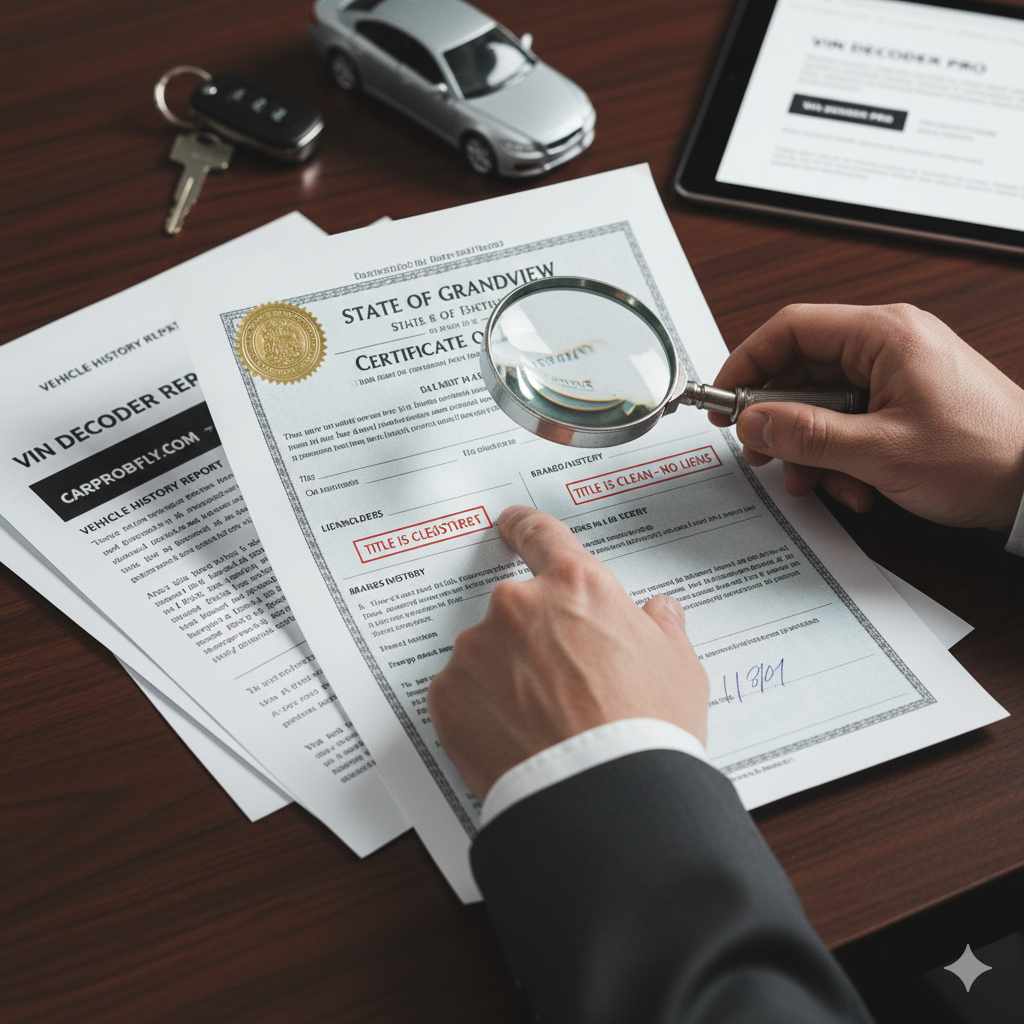
Take your time when you review the title. Verify that the details on the title match the car you’re buying. Ensure the seller is the listed owner, and check for any signs of alterations. Also, look for any title brands. If you find any unusual things, speak to the seller or seek professional advice. Reviewing the title document can save you from a lot of headaches later on.
Key Details to Check on the Title
- Owner Information: Make sure the seller’s name matches their ID. The name on the title is important because it shows the car’s owner. Check the seller’s ID to be certain everything lines up.
- Vehicle Identification Number (VIN): Verify that the VIN on the title matches the VIN on the car itself. You can find the VIN on the dashboard, the doorjamb, and sometimes on the engine. If the VINs don’t match, this is a major red flag, and you should not proceed with the purchase.
- Title Brands: Look for any branded titles, like “salvage” or “rebuilt.” Be sure to know what these brands mean. This will help you make an informed decision.
- Liens: Check for any liens listed on the title. A lien means there’s a claim against the car, which could be from a lender. The title should state that there are no liens, or the seller must provide proof of release.
Taking a few moments to look at the title can save you from big problems down the road. It assures the car is safe to buy and that you are not buying a lemon. Make sure the title has no signs of being changed or tampered with. It’s all about making sure the car’s history is clear and that there are no red flags.
Steps for Verifying a Clean Title
When you’re in the process of buying a car, it’s vital to follow certain steps. Doing these things can help you with How to Make Sure a Car Title Is Clean. It will protect you from potential problems and give you confidence in your purchase. Each step is designed to help you make a wise decision. By following these steps, you can make sure the car’s title is free of any problems.
Take your time and go through each step carefully. It may seem like a lot of work, but it’s worth it to ensure your car purchase is problem-free. It can save you from many headaches. A proper check of the title and vehicle history will set you up for a smooth ownership experience. Keep in mind that a clean title is a good start, but it doesn’t guarantee a perfect car. Be sure to check everything, and don’t skip any steps.
Step-by-Step Guide to Ensure a Clean Title
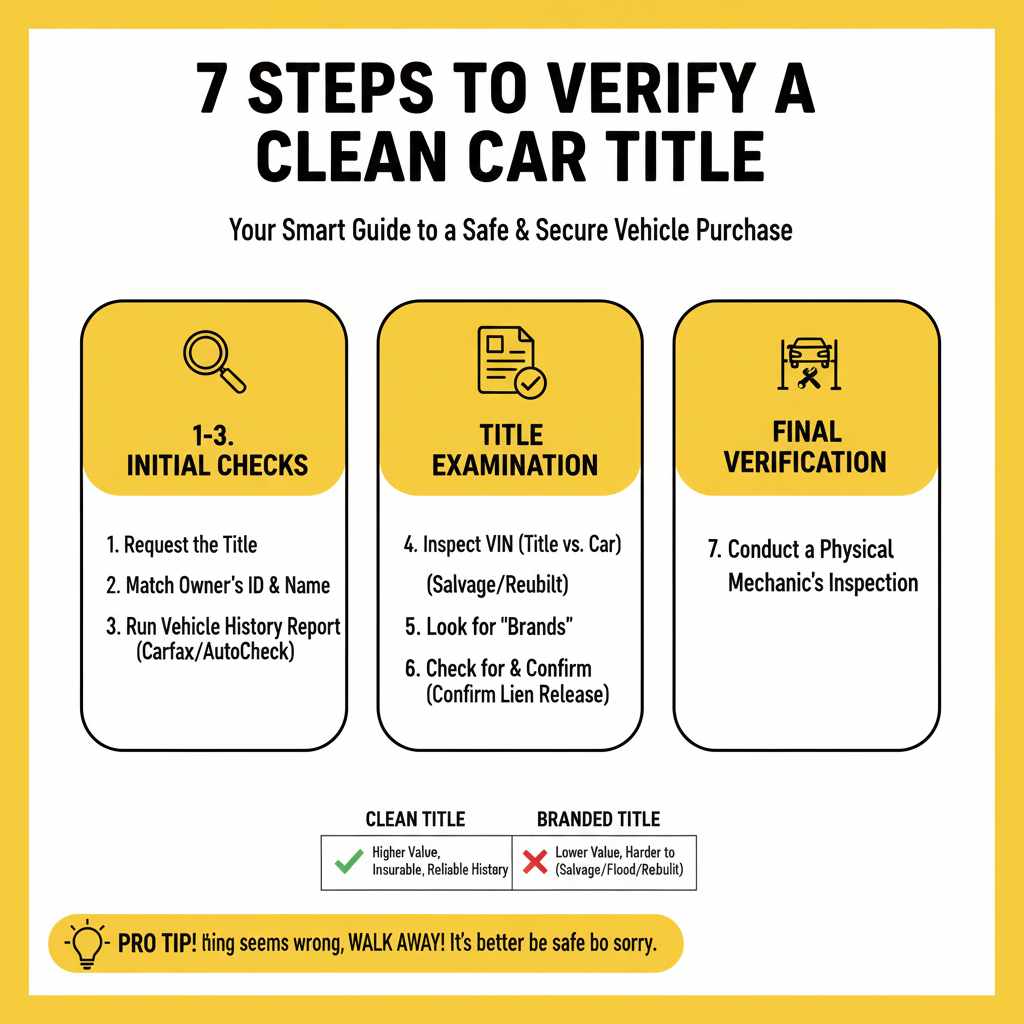
- Request the Title: Ask the seller to show you the title. Make sure they have it in hand. If the seller does not have the title, this is a major red flag.
- Check the Owner’s Name: Ensure the seller’s name matches the name on the title and their photo ID. Also, review the address and other information on the title.
- Run a Vehicle History Report: Get a vehicle history report from Carfax or AutoCheck. Review the report carefully for accidents, damage, or other problems. You may want to review more than one report.
- Inspect the VIN: Double-check the VIN on the title against the VIN on the car itself. Look in multiple locations on the car, just to be sure. Any difference is a cause for concern.
- Look for Title Brands: Carefully look for any title brands, such as “salvage” or “rebuilt.” Know what these brands mean before you proceed.
- Check for Liens: Ensure there are no liens listed on the title. If there’s a lien, be certain it’s been released. If there is a lien, the seller needs to prove it’s been released.
- Do a Physical Inspection: Before you buy, have a mechanic inspect the car. This can identify any mechanical or structural problems.
If you’re not sure about any step, don’t hesitate to ask for help. A mechanic or a car expert can help you with the inspection process. If the title is not clean or you discover problems, it’s wise to walk away. It’s better to be safe than sorry. Remember, this guide is designed to help you be a smart car buyer and protect your interests.
Frequently Asked Questions
Question: What does “clean title” mean?
Answer: A “clean title” means the car’s title has no issues or problems. It confirms the car has not been in a major accident and has no liens against it. It means the vehicle is ready for sale without any hidden problems.
Question: How can I check if a car has a clean title?
Answer: You can check if a car has a clean title by requesting the title from the seller and running a vehicle history report. The vehicle history report will reveal any accidents, damage, or other issues the car has experienced. Checking the title will help you ensure everything is clear.
Question: Where can I get a vehicle history report?
Answer: You can get a vehicle history report from services like Carfax and AutoCheck. These services provide detailed reports. You may also be able to get a report from your local DMV.
Question: What should I do if the title has a branded title?
Answer: If the title has a branded title, such as “salvage” or “rebuilt,” you should research the brand to determine its specific meaning. Then, consider the impact on the car’s value and how it may affect insurance. You can decide if the risk is something you are willing to take.
Question: Can I still buy a car with a branded title?
Answer: Yes, you can still buy a car with a branded title, but you need to know what you’re getting. A car with a branded title might be cheaper, but you should have it inspected by a trusted mechanic. Then, decide if the risk is something you are comfortable with.
Final Thoughts
Learning How to Make Sure a Car Title Is Clean is an important step in the car-buying process. When you follow these steps, you’re protecting yourself and your investment. You now know what a clean title means. You also know how to spot a branded title and what to do if you find one. Checking vehicle history reports and the title itself will help you make an informed decision. Remember that a clean title can give you the peace of mind you need. You’re better prepared to buy a car and make a smart purchase. Take your time, ask questions, and don’t hesitate to get help if needed.
Products related to this article
Sponsored / affiliate links. As an Amazon Associate I earn from qualifying purchases. I may earn additional commission from eligible campaigns.