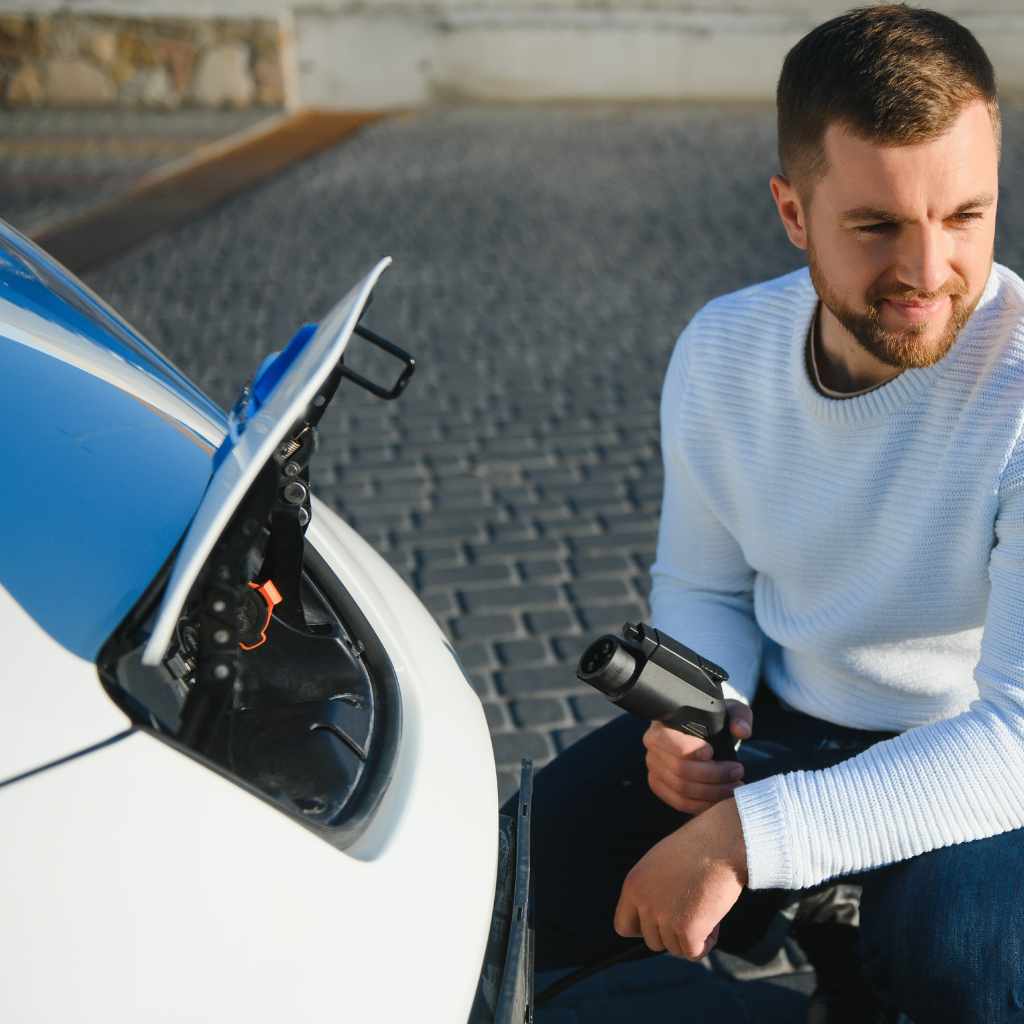
Can You Turn on an Electric Car While Charging? Essential Facts
Have you ever wondered if you can turn on your electric car while it’s still charging? It’s a question that crosses the minds of many EV owners and potential buyers.
You might be in a hurry, or just curious about how your car’s charging system works. Understanding this can save you time, keep you safe, and help you get the most out of your electric vehicle. Keep reading to find out the truth and learn what you need to know before starting your electric car during charging.
How Electric Car Charging Works
Understanding how electric car charging works helps answer many common questions. One of those questions is whether you can turn on an electric car while it is charging. The charging process involves more than just plugging in. It includes the types of chargers and how electricity flows to your car’s battery. Knowing these basics can clear up confusion and help you use your electric car better.
Types Of Charging Stations
There are three main types of charging stations for electric cars. Level 1 chargers use a regular household outlet. They are slow but easy to find at home. Level 2 chargers need special equipment and provide faster charging. These chargers are common in homes and public places. DC fast chargers are the fastest. They use high power to charge your car in a short time. These chargers are found at highways and busy areas.
Charging Process Basics
Charging starts when you connect your car to a charging station. The charger sends electricity to the car’s battery. The car’s system controls the flow of electricity. It makes sure the battery charges safely. During charging, the car can communicate with the charger. This communication helps control the speed and amount of charging. Many cars will not allow full operation while charging. This safety feature protects both the car and the charger.
Starting An Electric Car During Charging
Starting an electric car during charging raises many questions. Can you turn on the car while it charges? What do manufacturers say about this practice? Understanding the rules and safety is important. This section explores key points about starting an electric car while plugged in.
Manufacturer Guidelines
Most electric car makers advise not to start the vehicle during charging. The car’s system often locks the ignition to avoid issues. Some models allow limited functions without fully starting the engine. Always check the owner’s manual for specific instructions. Following these guidelines helps protect your vehicle’s battery and electronics.
Safety Protocols
Safety is a major concern when dealing with electric cars and charging. The charging cable and port carry high voltage electricity. Starting the car during charging could cause electrical faults or damage. Modern electric cars have built-in safety features to prevent accidents. Still, avoid unnecessary risks by not turning on the car while charging.
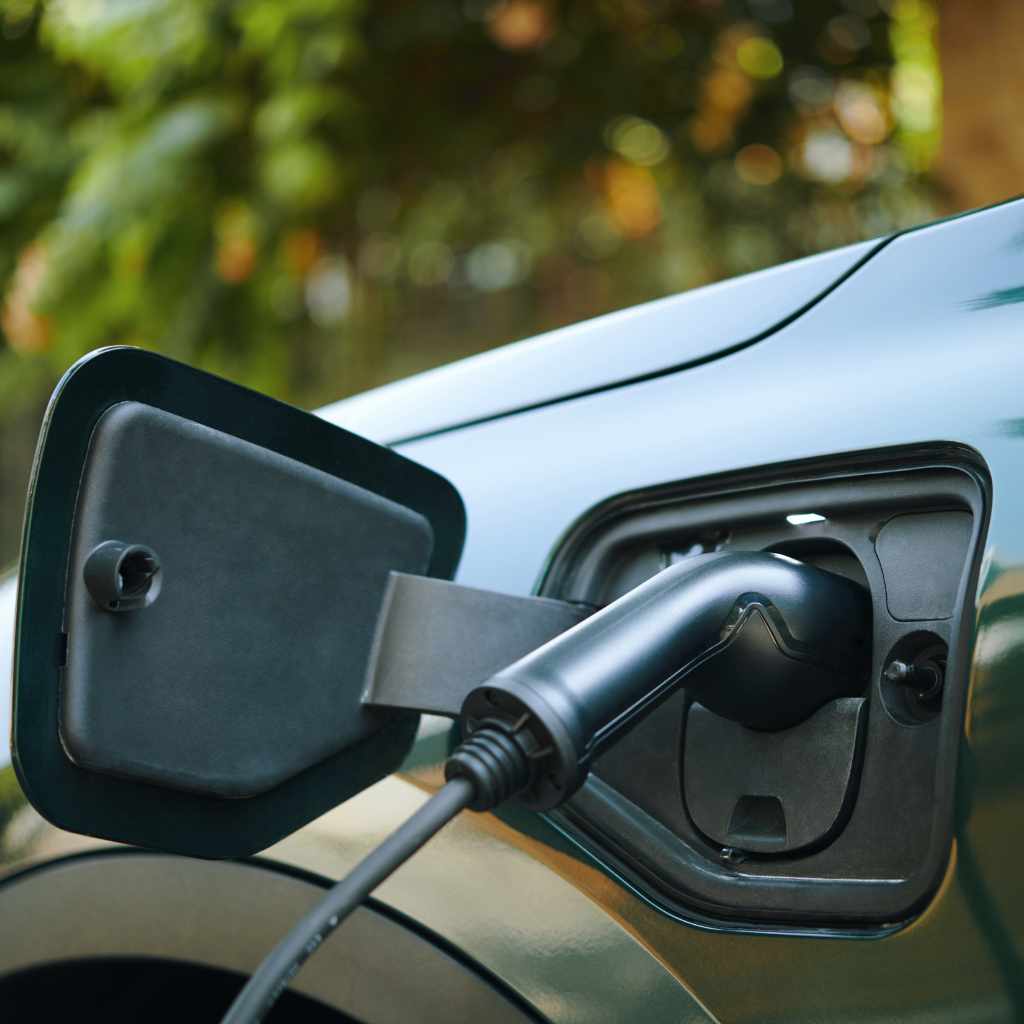
Risks Of Turning On The Car While Charging
Turning on an electric car while it is charging may seem convenient. It allows you to check settings or warm the cabin. Yet, this action can bring several risks. Understanding these dangers helps keep you safe and protects your car.
Potential Electrical Hazards
Electric cars use high voltage systems during charging. Turning on the car may create an electrical conflict. This conflict can cause sparks or short circuits. Sparks near the charging port are dangerous. They may lead to fires or electrical shocks. Always be cautious around charging equipment.
Impact On Battery Health
The battery needs a stable environment to charge well. Turning on the car can interrupt this process. It may cause the battery to heat up. Excess heat reduces battery life over time. Frequent interruptions can lower the battery’s capacity. Protect your battery by not using the car while charging.
Benefits Of Leaving The Car Off While Charging
Leaving an electric car off during charging offers clear benefits. It helps the car charge faster and keeps everything safe. Understanding these benefits ensures better use of your electric vehicle.
Efficient Charging
Turning the car off lets the battery charge without interruptions. The charging system focuses all power on the battery. This can reduce the overall time needed to reach full charge. It also helps keep the battery healthy for longer use.
Enhanced Safety
Charging with the car off lowers the risk of electric faults. It prevents accidental movements or system errors. This protects both the car and the charger. Safety is important for your vehicle and home during charging.
Situations That Allow Starting During Charging
Electric cars usually need to be off while charging for safety reasons. Still, some situations allow starting the car during charging. Knowing these helps you stay safe and use your car better.
Emergency Scenarios
In some emergencies, you may need to start an electric car while it charges. For example, if there is a fire or danger nearby, starting the car quickly can help you move to safety. Some electric cars have built-in safety systems that allow this. They stop the charging process instantly and let the car start. This feature protects both the vehicle and the user.
Specific Vehicle Models
Certain electric car models let you start the engine during charging. These models have special designs and software to manage power safely. They can disconnect the charger automatically to avoid risks. Tesla and some other brands offer this feature in newer models. It lets drivers use the car without unplugging in some cases. Always check your car’s manual to know if this option is available.
Tips For Safe Electric Vehicle Charging
Charging an electric vehicle (EV) safely is very important. It protects your car and your home. Simple steps can keep charging safe and efficient. These tips help avoid problems and make charging smooth.
Using Certified Equipment
Always use certified charging cables and plugs. Certified equipment meets safety standards. It reduces the risk of electric shock or fire. Avoid cheap, uncertified chargers. They may cause damage or fail during charging. Buy chargers from trusted brands only.
Regular Maintenance Checks
Check your charging equipment often. Look for frayed wires or cracks in the cable. Make sure plugs fit tightly and there is no rust. Inspect your EV’s charging port too. Clean dirt or debris gently. Fix any damage quickly to avoid hazards.
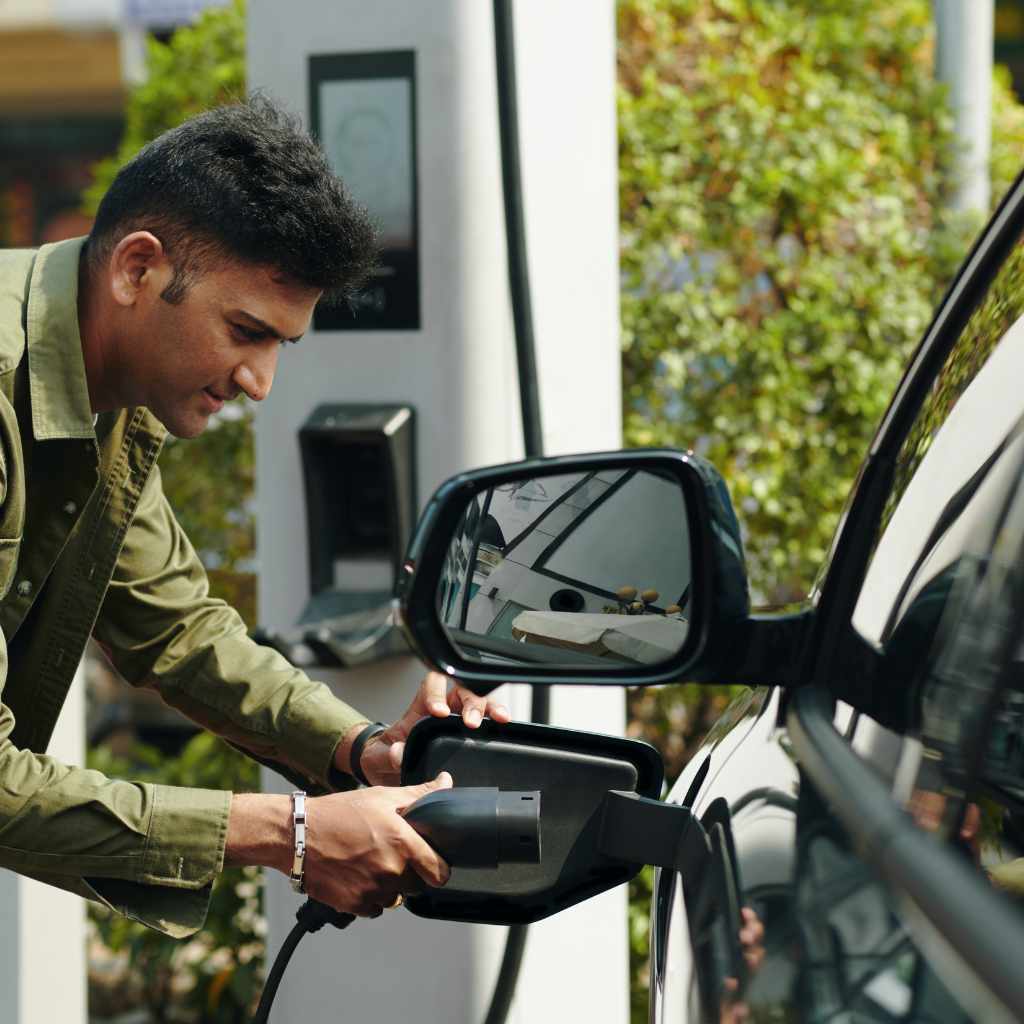
Frequently Asked Questions
Can You Drive An Electric Car While Charging?
No, you cannot drive an electric car while it is charging. The charging port must be connected and stationary for safety reasons.
Is It Safe To Turn On An Electric Car During Charging?
Yes, it is generally safe to turn on an electric car while charging. The car’s system manages power flow to avoid damage.
Does Turning On The Car Affect Charging Speed?
Turning on the car may slightly reduce charging speed. The car uses some power for electronics, which can slow charging.
Can Electric Car Systems Operate When Plugged In?
Yes, many electric car systems operate while plugged in. Climate control and infotainment can function without interrupting the charging process.
Conclusion
You can usually start an electric car while it is charging. Most cars are built to handle this safely. The charging process and driving systems work well together. Still, it’s best to check your car’s manual to be sure. This helps avoid any damage or safety issues.
Knowing how your car works keeps you confident and safe. Always follow the manufacturer’s advice for charging and driving. This simple step protects your car and your battery life.