Can You Use AAA On Any Car? Essential Guide
Yes, AAA roadside assistance generally covers nearly any legal, registered passenger vehicle you are in, regardless of make, model, or age. Coverage is tied to you, the member, not just one specific car. However, certain commercial or oversized vehicles are often excluded.
Ever broken down on the side of the road and wondered if your trusty AAA membership will cover your vehicle? It’s a common worry! You might drive an old classic, a brand-new truck, or a slightly unusual import, leading you to ask: exactly what cars does AAA help?
Don’t stress about the details right now. Getting stuck is frustrating enough. As your friendly automotive guide, I’m here to clear up all the confusion. We will break down exactly who and what AAA covers using simple steps. You will learn exactly when you can call them, no matter what you drive. Let’s get your confidence back on the road!
Understanding the Basics: Is AAA Coverage Linked to You or the Car?
This is the single most important concept to grasp when it comes to AAA. Most people mistakenly believe their membership must be specific to the car sitting in their driveway. In reality, for most standard membership tiers, the coverage follows the person, not the plate.
Think of your AAA card like a membership at a club. The club agrees to provide you with services wherever you are. If you are the person who bought the membership, you usually get the benefits.
The Membership Follows the Member
For the majority of AAA Primary and Plus members, the benefits attach to you, the cardholder. This means:
- If you are driving your car, you get service.
- If you are a passenger in a friend’s car and it breaks down, you can call AAA, and they will service that car (up to the limits of your plan).
- If you borrow your neighbor’s van, you are usually covered while you are in it.
This flexibility is one of the biggest perks of an AAA membership, giving you peace of mind whether you are driving your daily commuter or traveling in a rental.
Understanding the Different Coverage Types
AAA offers different levels of membership, and these levels dictate the quality or quantity of the service you receive, not necessarily which car you can use it on. The core answer to “Can you use AAA on any car?” remains yes, provided the car fits the basic vehicle requirements (which we will cover next).
Here is a quick look at how coverage tiers usually differ:
| Coverage Feature | Basic Membership | Plus Membership | Premier Membership |
|---|---|---|---|
| Towing Distance (Miles) | Usually 3 to 7 miles | Up to 100 miles (one tow) | Up to 200 miles (one tow), plus trip interruption |
| Service Calls Per Year | Usually 3 to 4 | Unlimited Service Calls | Unlimited Service Calls |
| Roadside Service on Member’s Vehicle | Yes | Yes | Yes |
Notice that the table focuses on what the service provides (how far they tow you), not which car they service. This reinforces that the coverage is generally vehicle-agnostic for standard use.

What Types of Cars Are Eligible for AAA Service?
While AAA is very flexible, there are practical limits based on safety, size, and intended use. AAA is designed for personal transportation, not heavy commercial operations. If the vehicle is too big, too specialized, or used for business hauling, coverage often stops.
Vehicles That Are Usually Covered
If you drive it to the grocery store or on your daily commute, AAA will almost certainly cover it. This includes:
- Passenger Cars: Sedans, coupes, hatchbacks, and station wagons.
- Light Trucks and SUVs: Standard consumer models (e.g., Ford Explorer, Toyota RAV4).
- Vans: Minivans and smaller passenger vans (check weight limits).
- Pickup Trucks: Most half-ton and three-quarter-ton consumer trucks.
- Motorcycles: Many plans offer motorcycle towing, but you must check your specific regional agreement, as this is sometimes an add-on.
- Rented or Borrowed Vehicles: Yes, if the covered member is in the vehicle when the disablement occurs.
Vehicles That Are Often Excluded (or Require Special Plans)
The exclusion list is really about size, weight, and commercial use. If AAA sends a standard tow truck, it physically cannot haul a massive vehicle safely.
Here are the common exclusions you should be aware of:
- Recreational Vehicles (RVs) and Campers: Larger Class A, B, or C RVs usually exceed the weight and size limits for standard towing. Many clubs offer a special RV add-on membership if you want this coverage.
- Commercial Vehicles: Any vehicle clearly used for business (e.g., delivery vans, service trucks, taxicabs). The insurance liability is too high for standard memberships.
- Oversized or Heavy-Duty Trucks: Large work trucks (like heavy-duty diesel pickups used for towing large trailers beyond standard consumer limits) may be excluded unless you purchase a specific heavy-duty upgrade.
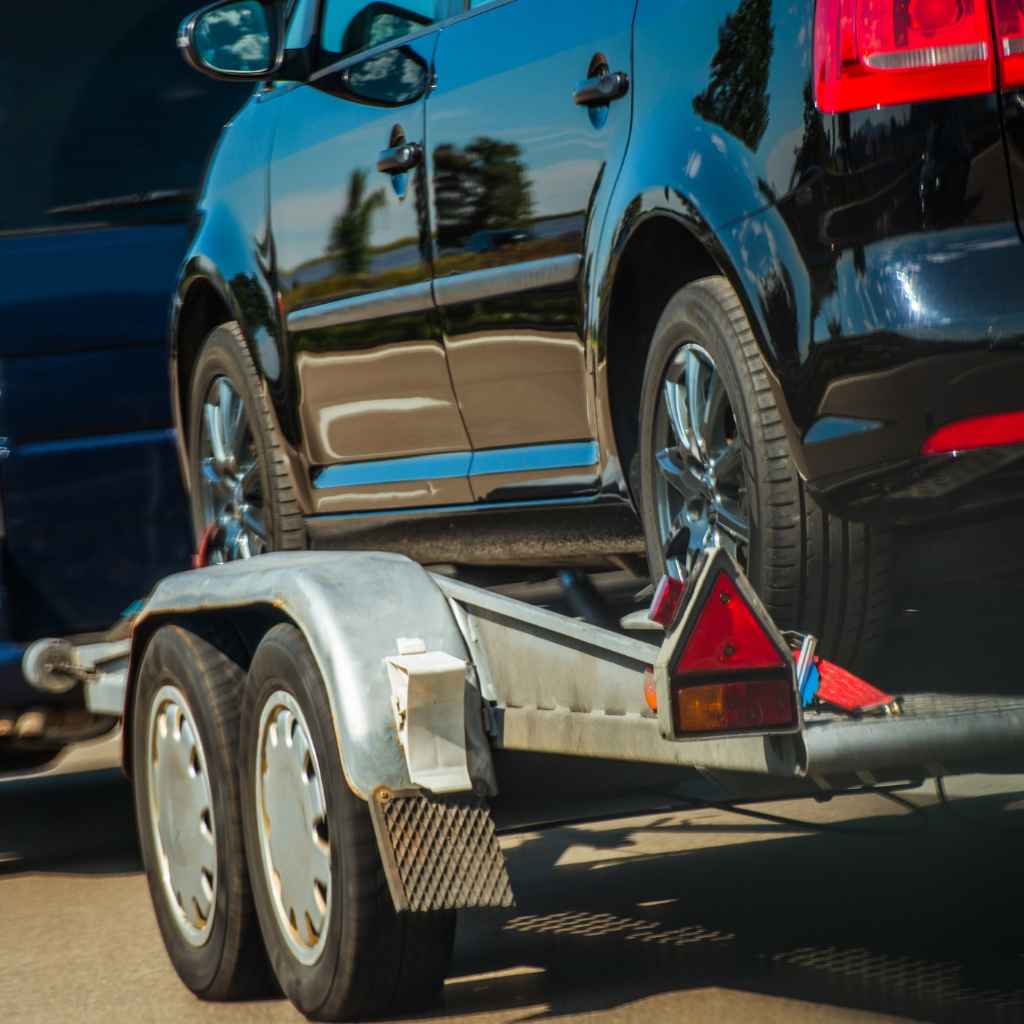
- Trailers: Standard memberships usually do not cover towing the trailer itself, only the tow vehicle. If the trailer has a flat tire, they might perform on-site service, but they typically won’t tow the trailer separately.
- Off-Road or Unlicensed Vehicles: Vehicles that are not street-legal (like ATVs or golf carts used outside of approved community roads) will not be serviced.
Safety Note: AAA services are primarily designed for vehicles disabled on public roads or accessible private property. They generally do not provide service in off-road situations unless the vehicle can be safely reached by a standard tow truck.
How to Ensure Your Specific Car Is Covered: Step-by-Step
Feeling confident that AAA covers you is great, but you should always confirm that the car in question meets the basic requirements of your specific regional AAA club. Rules can vary slightly between the 31 regional AAA clubs across the country.
Follow these steps before you rely on service for an uncommon vehicle:
Step 1: Know Your Club and Membership Level
First, check your membership card. Which AAA club issued it (e.g., AAA Mid-Atlantic, AAA Northern California)? Then, confirm your tier (Basic, Plus, Premier).
Step 2: Check Vehicle Weight and Size Limits
This is crucial for newer, larger SUVs and light-duty trucks. Standard service usually has a weight limit, often around 10,000 pounds Gross Vehicle Weight Rating (GVWR). If your vehicle exceeds this, you might need an upgrade.
Action: Look on your vehicle registration or the sticker inside the driver’s side door jamb to find the GVWR. Compare this number to what your local AAA club specifies.
Step 3: Review Towing Coverage for Non-Primary Vehicles
While coverage follows you, some regions have restrictions if you call for service on a vehicle that is not registered in your name, or if you call too frequently for a vehicle you don’t own.
If you are driving a friend’s car or a long-term rental, you may need to specify that you are calling as the member requesting assistance for the vehicle. They will ask for the vehicle’s make/model/license plate to confirm they can service it based on their general policy. You can review general guidelines provided by organizations like the American Automobile Association (AAA) for policy examples, though local club specifics are always best.
Step 4: Confirm Coverage for Specialized Vehicles (If Applicable)
If you own an RV, trailer, or specialized vehicle, do not wait until you are broken down to ask:
- Call your local AAA member services number.
- Ask specifically: “I drive a [Year, Make, Model] weighing [Weight]. Is this vehicle eligible for a tow under my current [Basic/Plus/Premier] membership?”
- If they say no, ask if they offer an RV Rider or Heavy-Duty tow upgrade.
- If you need an upgrade, purchase it immediately so the new terms are active.
This simple upfront call saves hours of frustration later. Many members are happily surprised that the adjustment costs very little extra per year.
The Difference Between Being Covered and Receiving the Best Service
Just because AAA can service your car doesn’t mean they provide the best tow for every situation. This is especially true when dealing with exotic, specialized, or very high-end vehicles.
Flatbed vs. Hook-and-Chain Towing
Older, basic AAA coverage often involves a traditional “hook-and-chain” tow where the front or rear wheels are lifted. While fine for most cars, this method can damage certain modern vehicles, especially those with low clearance, complex AWD systems, or specialized bumpers.
For modern cars or classics, a flatbed tow truck is highly recommended.
| Towing Type | Best Used For | Potential Risk |
|---|---|---|
| Flatbed/Wheel-Lift | All-Wheel Drive (AWD), Luxury Cars, Low Clearance Vehicles | Minimal risk if done correctly. |
| Hook-and-Chain (Traditional) | Older, standard vehicles (Rear-Wheel Drive recommended) | Can damage tires, bumpers, or drivetrain components on modern vehicles. |
If you have a vehicle sensitive to towing methods (like a low-slung sports car or a vehicle with transmission damage), you should request a flatbed when you call. If you have Basic coverage, AAA may send the first available tow truck, which might not be a flatbed. Upgrading to Plus or Premier often gives you better access to specialized trucks or reimbursement for upgraded towing services.
Towing Distance Matters A Lot
Remember the chart above? If your “any car” breaks down 50 miles from home, but you only have Basic coverage (which might only cover 5 miles), you will be responsible for the remaining 45 miles of towing cost.
If you frequently drive older vehicles or travel long distances, upgrading to AAA Plus or Premier ensures that the vast majority of situations where you use AAA on “any car” are covered fully.
Handling Unique Roadside Scenarios When Traveling
The flexibility of AAA coverage truly shines when you are away from home or driving something unusual. Here is how it applies in common “what if” scenarios.
Scenario 1: Renting A Car
You are on vacation driving a rental car booked through a major agency. It stalls.
The Answer: Yes, AAA will service the rental car. They see the car is disabled and you are the AAA member requesting service. Since the rental is a standard passenger vehicle, it meets all criteria. You call AAA, not the rental company’s roadside assistance (unless AAA specifically directs you to do so).
Scenario 2: Borrowing a Friend’s Truck
You need to move furniture and borrow a neighbor’s pickup truck. The battery dies.
The Answer: Yes, AAA will provide a jump start. Because coverage follows the member, you are covered while operating that vehicle, assuming the truck falls within standard size limits (i.e., it isn’t a massive commercial hauler).
Scenario 3: Older or Classic Cars
You take your 1975 Mustang out for a Sunday drive, and it overheats.
The Answer: Generally, yes! As long as the car is registered and street legal, AAA will dispatch service. However, be mindful of the hook-and-chain risk mentioned earlier—request a flatbed specifically, and be prepared to cover any additional cost if your tier doesn’t guarantee it.
Scenario 4: Company Fleet Vehicles
You are driving a small van provided by your job for deliveries.
The Answer: Usually, no. If the vehicle is clearly marked as a commercial vehicle or is part of a company fleet used for business purposes, AAA will deny service. Commercial vehicles require commercial roadside policies which are different from consumer memberships. Always check with your fleet manager; sometimes the company holds a commercial service contract separate from personal AAA.

The Importance of Keeping Your Own Car Insured, Even with AAA
This point is vital for every driver. AAA is emergency roadside assistance, not full-coverage insurance. It is designed to get you moving again, not to cover the costs associated with a major accident or comprehensive damage.
You still need standard, state-mandated auto insurance for the following reasons, even if you use AAA regularly:
- Accident Liability: If you cause an accident, AAA will not cover the resulting property damage or medical bills for other parties. That’s what liability insurance is for.
- Collision/Comprehensive Coverage: If your car is stolen, vandalized, or damaged in a major crash, AAA will not pay for the repairs or replacement.
- Uncovered Towing Situations: AAA covers mechanical breakdowns, running out of gas, or flat tires. It does not cover every towing scenario, especially in complex accidents where police may require a specific tow operator adhering to local contracts.
To understand the legal requirements in your state regarding minimum insurance coverage, you can always consult resources from your state’s Department of Motor Vehicles (DMV) or Secretary of State website (for example, checking state-specific requirements helps ensure compliance: USA.gov Motor Vehicle Services).
FAQ: Beginner Questions About AAA Car Coverage
Q1: Do I need to register every car I own with AAA?
A: No. For standard memberships, you do not need to list every car you own. The coverage follows you, the member, when you are using a standard passenger vehicle.
Q2: What if my car is older than 10 years old? Will AAA refuse to help?
A: Generally, age is not a prohibitive factor for standard breakdowns like a dead battery or flat tire. They focus more on the vehicle’s size and weight. If the car is safe to tow, they will help.