Best Car Decals for Windshields (2026): We Compared
The best windshield decal depends on the job: choose reusable transfer film for clean, removable graphics, a static-cling pass holder for short-term permits, or a weatherproof vinyl banner for longer exposure. Pick the wrong one and you may block sightlines, leave residue, or have to replace the decal sooner than planned. This guide compares all three by fit, durability, legality, and safe removal.
Quick comparison
| Product | Badge | Best for | Price | ||
|---|---|---|---|---|---|
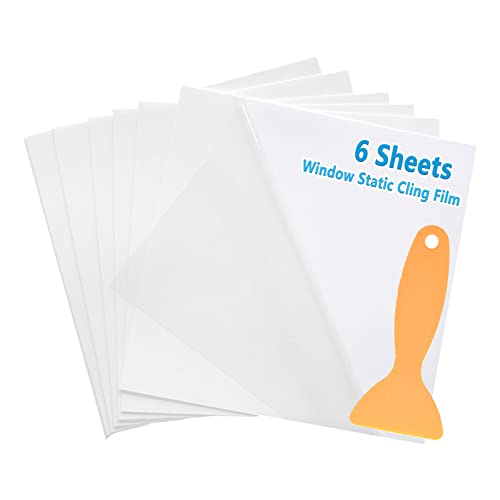 |
Car Window Clings, Car Windshield Sticker ApplicatorPUSNMI | Our pick | 6.3" static cling films · 6-pack · includes scraper | $5.99
Price as of 24 Oct 2026
|
View |
 |
Always Broken Windshield Sticker Decal, 30 Inches – FrontSTICKY DUDE | Also great | 30" vinyl banner · weatherproof · UV-resistant | $11.99
Price as of 24 Oct 2026
|
View |
Use this table to separate front-windshield use from branding and permit display. The right choice depends less on price than on removal risk, visibility, and whether you need the decal to come off cleanly or stay put through weather.
For front glass, placement and local rules matter as much as the material. A product can be legal in one position and a problem in another, especially if it lands in the driver’s critical sight line.
How we chose
We compared the three formats by job-to-be-done, not by sticker hype. The main filters were removal behavior, tint and glass compatibility, install difficulty on curved glass, outdoor exposure, and whether the format suits temporary permits, commuter use, or custom styling.
We also leaned on the product details that are actually published: sheet size, pack size, color choice, and whether the material is static cling, releasable adhesive, or vinyl. That keeps the decision grounded in what you can verify before ordering.
One more filter matters: the cost of choosing wrong. A cheap decal that curls, hazes, or fails on curved glass can cost more once you count wasted installs and early replacements.
Windshield decal decision table
| Decal type | Best use case | Removal risk | Tint and defroster safety | Install difficulty | Best climate | Reusability |
|---|---|---|---|---|---|---|
| Static cling PET film | Temporary permits, inspection stickers, reusable transfer graphics | Low; non-adhesive and residue-free when installed on clean glass | Generally safe for inside glass and tint when kept off damaged film and high-heat edges | Easy on flat glass, fussier on curved windshields | Mild to moderate conditions; heat can still cause edge lift if dust or moisture is trapped | High, if the film stays clean and flat |
| Releasable adhesive clear film | Longer-wear graphics that still need clean peel and transfer between cars | Low to medium; designed for cleaner peel than permanent adhesive | Better for tinted glass and defroster-safe placement when used on inside glass | Moderate; alignment matters more, and bubbles take more care to remove | Hot, sunny, and mixed weather where cling film would lift sooner | Moderate to high, if the adhesive remains within spec |
| Vinyl windshield banner decal | Custom text, larger graphics, bold styling | Medium; durable, but removal can take more patience than cling film | Depends on placement; keep it out of the driver’s sight line and off sensitive zones | Higher; larger size increases the chance of crooked placement or trapped haze | Bright sun, rain exposure, and general outdoor durability | Low; this is usually a one-install graphic |
One-minute checklist before you order
- Decide whether the decal is for a permit, a reusable transfer, or a custom banner.
- Check front-windshield rules for your state or local area before choosing size or placement.
- Measure the glass space you actually have, not the full windshield.
- Confirm whether the decal will sit on tinted glass or near defroster lines.
- Choose static cling if you need residue-free removal and frequent swapping.
- Choose releasable adhesive if you need better staying power on curved glass.
- Choose vinyl only if you want a larger, more permanent-looking graphic.
Which windshield decal is best for your use case?
For most drivers who need a removable windshield graphic, releasable adhesive clear film is the safest all-around pick because it balances clean peel with better staying power than static cling. If you need a short-term permit or toll display, static cling is easier. If you need a big custom banner, vinyl is the right format.
Static cling PET film
PUSNMI’s static cling PET film is best for drivers who need a non-adhesive option that comes off cleanly. The listed 6-pack gives you multiple sheets, and the included scraper makes the install process more practical for parking permits, inspection stickers, or reusable transfer pieces.
What stands out is the residue-free removal path. That matters on inside glass, on tinted windows, and anywhere you do not want solvent cleanup or scraping. The sheet format is also useful when you need a small, low-profile display rather than a full banner.
The drawback is stability. Static cling usually depends on very clean glass and careful smoothing, so dust, cold weather, curved glass, or heat can lead to edge lift or haze. The 6.3″ × 6.3″ size also limits how much visual area you can cover.
Vinyl windshield banner decal
STICKY DUDE’s vinyl windshield banner decal is the stronger fit for custom text and larger graphics. The 30-inch format is meant for bold windshield branding, and the weatherproof, UV-resistant vinyl is better suited to sun exposure than a short-term cling.
That size is the point. If you need a statement graphic rather than a pass holder, the larger span gives you more room for text and contrast. Based on the published product details, it is the more durable choice for outdoor exposure and long-term style use.
The drawback is the trade-off that comes with larger vinyl: more install pressure, more chance of misalignment, and more removal effort later. It is also the least forgiving choice if you are trying to avoid sightline issues on the front windshield.
What is the difference between static cling and vinyl windshield decals?
Static cling decals stick without adhesive, so they are usually easier to remove and reuse. Vinyl windshield decals use adhesive-backed material, which tends to hold better and offer more graphic options, but it usually removes less casually and is less forgiving if you need frequent repositioning.
Removal and reapplication
Static cling is the format to choose when you want a clean peel and the option to move the decal from one car to another. The key is a clean glass surface and a decal that has not collected dust, lint, or dried moisture along the edge.
Vinyl can be durable, but transfer between vehicles is not its strength. Once the adhesive has settled, reapplication is less reliable, and the risk of stretching or residue goes up. If you plan to swap vehicles often, vinyl is usually the wrong default.
Failure modes that matter
Static cling can curl at the corners, lift on curved glass, or trap haze if the install is rushed. Vinyl can edge-lift under heat, show bubbles if alignment is poor, or leave more cleanup behind during removal. Those are different failure modes, and they should guide the purchase.
Say your car has a steeply curved windshield and you want a 4 inch x 6 inch permit display. A static cling can work well if the glass is spotless and the edges are pressed flat. If the same car needs a large 30-inch banner, vinyl may fit the styling goal better, but the install risk rises.
Cost of the wrong choice
The cheaper product is not always the cheaper outcome. A cling decal that fails in heat or a vinyl banner that must be removed early can erase the price advantage fast. Replacement frequency matters more than the starting sticker price when you need a windshield format to stay readable.
Will a windshield decal damage tint or visibility?
A windshield decal can be safe on tinted glass or near defroster lines if it is placed correctly, but placement is the real issue. Inside-glass decals should avoid fragile tint film, should not cross critical sight lines, and should be checked against local front-windshield visibility rules before you buy.
Tinted glass compatibility
For inside-glass use, tint compatibility is a selection criterion, not an afterthought. Static cling PET film is often the gentlest choice because it is non-adhesive. Releasable adhesive clear film is the better call when you need more hold but still want cleaner removal from tinted glass.
Never treat any decal as automatically tint-safe. Old tint, damaged edges, and poor prep can make removal more stressful than the material itself would suggest. If the tint is aftermarket and delicate, start with the least aggressive format that still meets your use case.
Defroster and heater-line safety
Defroster lines are usually a rear-window issue, not a windshield issue, but the same principle applies: do not cover heating elements or fine printed lines if you can avoid it. On any interior glass with delicate embedded elements, a clean-peel material is safer than a hard-bonded one.
For the front windshield, the bigger concern is visibility and placement. Anything that distorts the driver’s forward view, creates glare, or sits in the wrong zone can become a safety issue even if the decal itself is intact.
Front-windshield legality and placement checks
Front-windshield rules vary by state and by the type of decal. A permit sticker in a corner may be acceptable where a banner across the upper glass is not. Before ordering, check the rules for size, height, and where the decal can sit relative to the driver’s line of sight.
Picture a commuter who wants a reflective strip across the top edge of the windshield for style. In one state that may be fine if it stays above the critical view zone. In another, the same placement may be too restrictive. The product is only half the decision.
How to install and remove cleanly
Clean installation starts with clean glass, dry edges, and the right temperature window. For interior windshield use, avoid solvent-heavy cleaners right before application, because residue can reduce cling and create haze. Let the surface dry fully before you place the decal.
Surface prep and temperature checks
Work on a cool windshield, not one that has been baking in direct sun. Heat makes static cling harder to position and can make adhesive films tack too early. If the car is very cold, warm the cabin first so the material is not fighting stiff film and chilled glass.
Use gentle pressure from the center out. That helps avoid trapped air, edge lift, and the cloudy look that comes from rushed installation. If a product includes a scraper, use it lightly; hard pressure can scratch softer films or mark the surface.
Avoiding curl, edge lift, and trapped haze
These are the common failure modes buyers overlook. Curl usually starts at the corners. Edge lift starts when dust, moisture, or weak adhesion meets heat. Haze appears when bubbles or micro-contamination are sealed under the decal and never fully pressed out.
A common first-timer mistake is ordering a large banner for a curved front windshield and expecting it to settle like a flat window sticker. Large formats are less forgiving. If the windshield is steeply curved, a smaller pass-style decal or a more controllable releasable film is the safer buy.
Transfer and reapplication rules
If the product is meant to move from car to car, do not use solvents or scrape at the edges. Clean peel is the goal. Remove slowly, store the film flat, and keep the adhesive or cling surface free of dust if you plan to reinstall it later.
Reapplication works best when the decal still lies flat and the surface is undamaged. Once the edges warp or the film has stretched, transfer becomes less reliable. That is where the difference between reusable transfer film and ordinary vinyl becomes obvious.
Which one should you buy?
Buy static cling PET film if you want the easiest removal, a residue-free fit, and a low-risk option for short-term permits or reusable windshield labels. Buy releasable adhesive clear film if you need better staying power, cleaner peel than standard adhesive, and a better match for tinted glass.
Best for commuters and fleet use
For commuters who swap vehicles or rotate decals, reusable transfer film is usually the best balance. It handles repeated installs better than a banner and avoids the cleanup that comes with permanent adhesive. Fleet users should favor formats that reduce replacement labor, not just product price.
Best for parking passes and toll tags
For passes and toll-related display, the low-profile clear pass clip holder is the practical format to think about, even though it is not one of the three core decal types here. A discreet holder keeps the permit visible, avoids messy adhesive, and is easier to remove when the pass changes.
Best for styling and custom branding
Choose vinyl when the goal is custom text, color, and a larger visual statement. VulgrCo lists 47 color choices and a price of USD 14.95, while another custom windshield decal option is listed at USD 8.97 and another at USD 7.99. Those are style-first buys, not the best default for easy reuse.
For broader banner styling, SupDec lists windshield banner decals from $21.9 to $40.9, with its most popular product priced at $27.9. If you want a long graphic, that price structure makes sense only if you really need the larger format and are comfortable with a more permanent installation path.
Size choice in plain terms
Buy the smallest decal that still does the job. A 4 inch x 6 inch sheet works for permits and small labels. A 130×21 cm banner is a full-size statement piece and should be reserved for branding where the windshield has enough open space and the local rules allow it.
Large decals increase the chance of misalignment, trapped haze, and sightline conflict. Small decals reduce those risks but may not suit custom messaging. That trade-off is why size should follow use case, not the other way around.
Choose static cling PET film if… / Choose vinyl banner decal if…
Choose static cling PET film if you need residue-free removal, frequent transfer between cars, or a low-profile permit display that comes off without solvents. Choose vinyl banner decal if you want bold custom text, weather resistance, and a larger visual footprint that is meant to stay in place longer.
Choose releasable adhesive clear film if you sit between those two extremes. It is the middle ground for drivers who want cleaner peel than standard adhesive, more durability than cling film, and better compatibility with tinted glass inside the cabin.
If your windshield is heavily curved, your placement is close to the driver’s forward view, or your state limits front-glass coverage tightly, stay conservative. That means smaller format, clearer placement, and the least aggressive material that still satisfies the job.
Frequently asked questions
What is the best car decal for a windshield?
The best windshield decal depends on the job. For removable graphics, a reusable transfer film is the strongest all-around choice. For short-term permits, static cling is simpler. For custom text and larger graphics, vinyl works better. The right pick depends on placement, visibility, and how often you need to remove it.
Are windshield decals legal on the front windshield?
Sometimes, but not universally. Front-windshield rules vary by state and by decal placement. A small corner permit may be acceptable where a full-width banner is not. Check local visibility rules before buying, because legality often depends on size, height, and whether the decal blocks the driver’s sight line.
Which windshield decal is easiest to remove without residue?
Static cling PET film is usually the easiest to remove without residue because it uses no adhesive. Releasable adhesive clear film is the next best option when you need more hold but still want a clean peel. Vinyl is the least forgiving if you want quick removal and minimal cleanup.
Will a windshield decal damage tint or defroster lines?
It can if the decal is placed badly or removed carelessly. Static cling is generally gentler on tinted glass, and releasable adhesive clear film is designed for cleaner peel. Defroster lines are mainly a rear-window concern, but any decal near delicate embedded lines should be chosen and removed carefully.
How do I keep a windshield decal from curling in heat?
Start with clean, dry glass and install the decal on a cool surface, not one that is hot from sun exposure. Press the edges firmly and avoid trapped moisture or dust. Larger decals curl more easily, so a smaller format or a more stable material is safer in hot weather.
Which windshield sticker is best for parking passes or toll tags?
A low-profile clear pass holder is usually best for parking passes or toll tags because it keeps the display discreet and easy to remove. If you want a true decal, static cling is the safer temporary choice. The goal is visibility without a messy install or a permanent-looking graphic.
What size windshield decal should I buy?
Buy the smallest size that still fits the purpose and legal placement. A 4 inch x 6 inch sheet suits small permits and labels. A 130×21 cm banner suits larger branding. Bigger is not better on windshield glass if it creates visibility problems, curl, or install difficulty.
Can I reuse a windshield decal on another car?
Yes, if the decal type is meant for transfer and it stays clean and flat. Static cling and some releasable adhesive films are made for reuse. Vinyl is less suitable for moving between cars, especially after it has been exposed to heat, stretch, or repeated peeling.
Products related to this article
Sponsored / affiliate links. As an Amazon Associate I earn from qualifying purchases. I may earn additional commission from eligible campaigns.