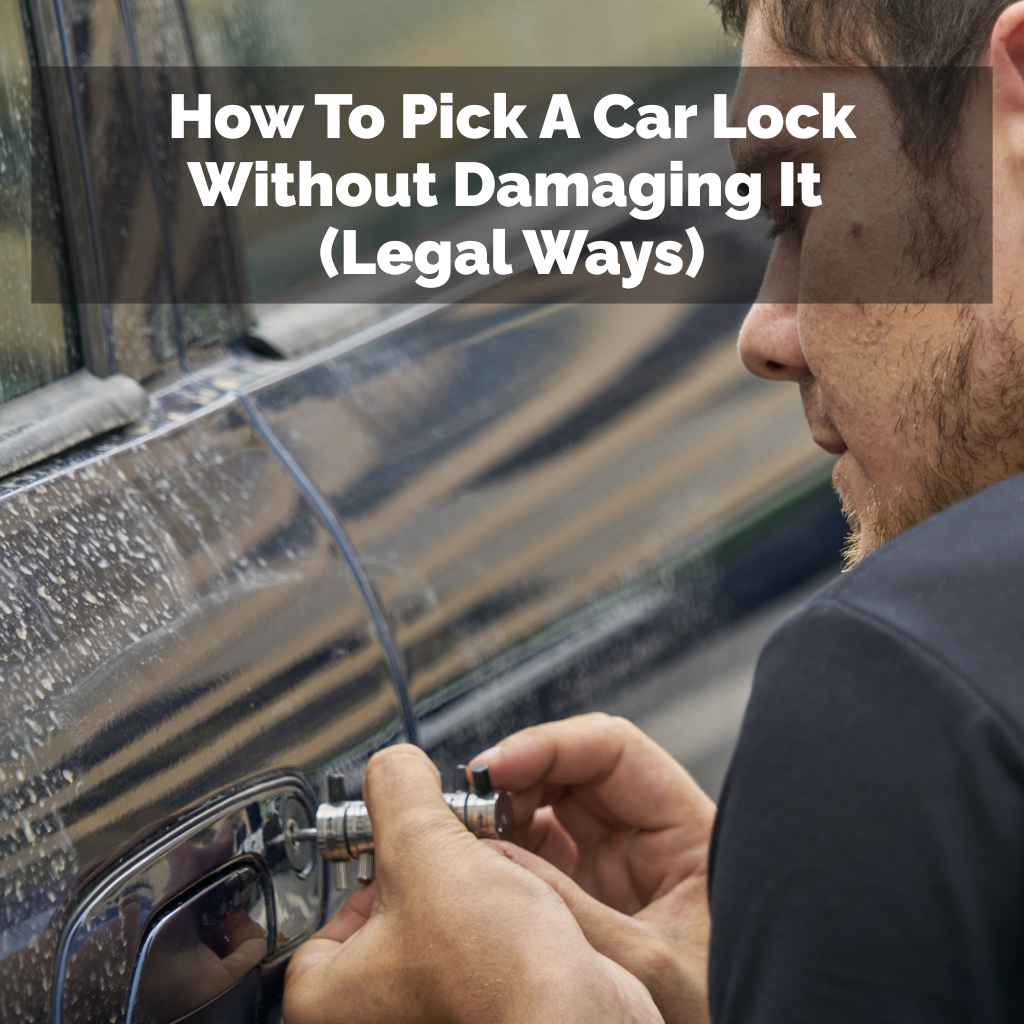
How To Pick A Car Lock Without Damaging It (Legal Ways)
It’s a sinking feeling. You stand by your car, keys in your pocket, but the door won’t budge. Or maybe you’re helping a friend lock out.
It happens more often than we think. The thought of breaking a window or forcing a lock can feel like the only way out. But what if there are ways to open that stubborn car door without causing any harm?
This guide will walk you through understanding how car locks work and exploring legal, damage-free methods. We’ll focus on keeping your car safe and your wallet happy. You’ll learn what to do when faced with this common frustration.
Finding yourself locked out of your car can be stressful. This guide covers legal, non-damaging ways to open car locks when you’ve lost keys or are locked out. We explain the basics of car locks and offer practical, safe advice for various situations, focusing on preserving your vehicle’s integrity.
Understanding How Car Locks Work
Car doors have different types of locks. Most cars today use keyless entry. This means a fob or your phone unlocks the doors.
But many cars still have traditional key cylinders. These metal keys turn tumblers inside the lock cylinder. This action aligns pins.
When the pins are in the right spot, the cylinder can turn. This releases the latch and opens the door. Even cars with keyless entry often have a hidden physical key slot.
This is for when the car battery dies or the fob fails.
Older cars might have simpler mechanisms. Think of basic pin tumbler locks. They are like house locks but often a bit smaller.
Newer cars have more complex systems. They might use transponder keys. These keys have a small chip.
The car’s computer needs to read this chip to start the engine. Some systems use coded wafers. These are thin metal pieces cut to a specific shape.
They work with the lock cylinder’s internal pins.
It’s important to remember that the lock itself is just one part. The door handle connects to a latch. This latch holds the door shut.
When the lock is turned, it disengages the latch. The handle then pulls the latch open. Sometimes, the issue isn’t the lock itself.
It could be a problem with the latch mechanism. Or maybe a cable inside the door has broken.
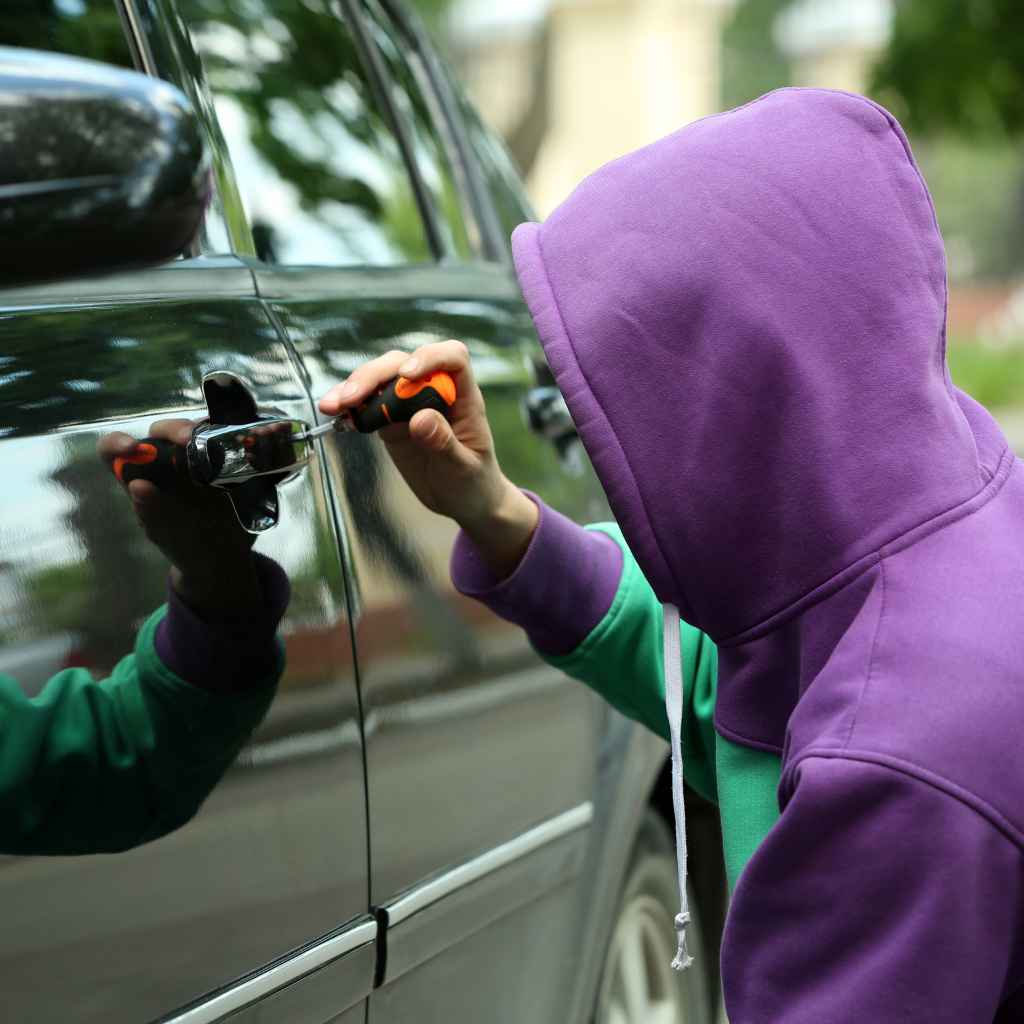
My Own Car Lockout Scare
I remember one chilly Tuesday evening. I had just finished a late meeting. I walked to my car, ready to head home.
I reached for my keys, and my stomach dropped. They weren’t in my pocket. I checked my bag.
Nope. Panic started to set in. My car was parked a bit far from any bright lights.
The air felt cold on my skin.
I pictured calling a locksmith and the bill. Then I thought about my car’s alarm. Would it go off?
Could I accidentally break something trying to jimmy the door? I leaned against the cool metal of my car door, feeling defeated. I imagined the cost of a new lock or even a whole new key.
It was a frustrating moment. I just wanted to be home. This feeling of being stuck is something I know many people experience.
It taught me to be more prepared.
Understanding Your Car’s Lock Types
Traditional Key Cylinders: These use a metal key. The key’s cuts match pins inside the lock. Turning the key aligns these pins, allowing the cylinder to spin.
Key Fob Entry: Most modern cars use fobs. These send a radio signal to the car. This signal unlocks doors wirelessly.
Hidden Keyways: Many keyless entry systems have a hidden physical key slot. This is usually in the fob itself. It’s a backup for dead car batteries.
Legal Ways to Access Your Car
When you need to open your car lock, staying legal is key. We’re talking about situations where you own the car or have permission to open it. These methods aim to help you in a bind without causing damage.
They are often used by professionals. Knowing these can save you stress and money.
The most common reason for needing access is a lost or locked-in key. Sometimes, the battery in your key fob dies. You might then be unable to use the remote unlock.
In such cases, finding the hidden mechanical keyhole is the first step. This is usually within the driver’s door handle. You might need to remove a small cap to find it.
Your car’s owner’s manual will show you where it is.
If you have the physical key but it doesn’t work, or you don’t have it, other options exist. Calling a locksmith is a safe bet. They have special tools.
These tools can often pick the lock or bypass it safely. Another option is roadside assistance. If you have a membership, they can often help you get into your car.
For very simple locks, like on older car models, some basic tools could be used. We’re talking about things like slim jims. However, these require skill.
Using them incorrectly can damage the weather stripping or internal lock mechanisms. Because of this risk, it’s often better to leave this to the pros. Modern car door interiors are complex.
They have sensors and wires. You don’t want to accidentally cut something important.
Key Scenarios and Legal Solutions
Scenario: Keys Locked Inside
Solution: Use roadside assistance or a professional locksmith. They have tools to safely open the door without damage.
Scenario: Lost Key Fob Battery Dead
Solution: Find the hidden mechanical keyhole. Use the physical key stored in your fob to unlock the door.
Scenario: Lost All Keys
Solution: Contact a locksmith specializing in automotive keys. They can often create a new key on-site.
What is a “Lock Pick Set”?
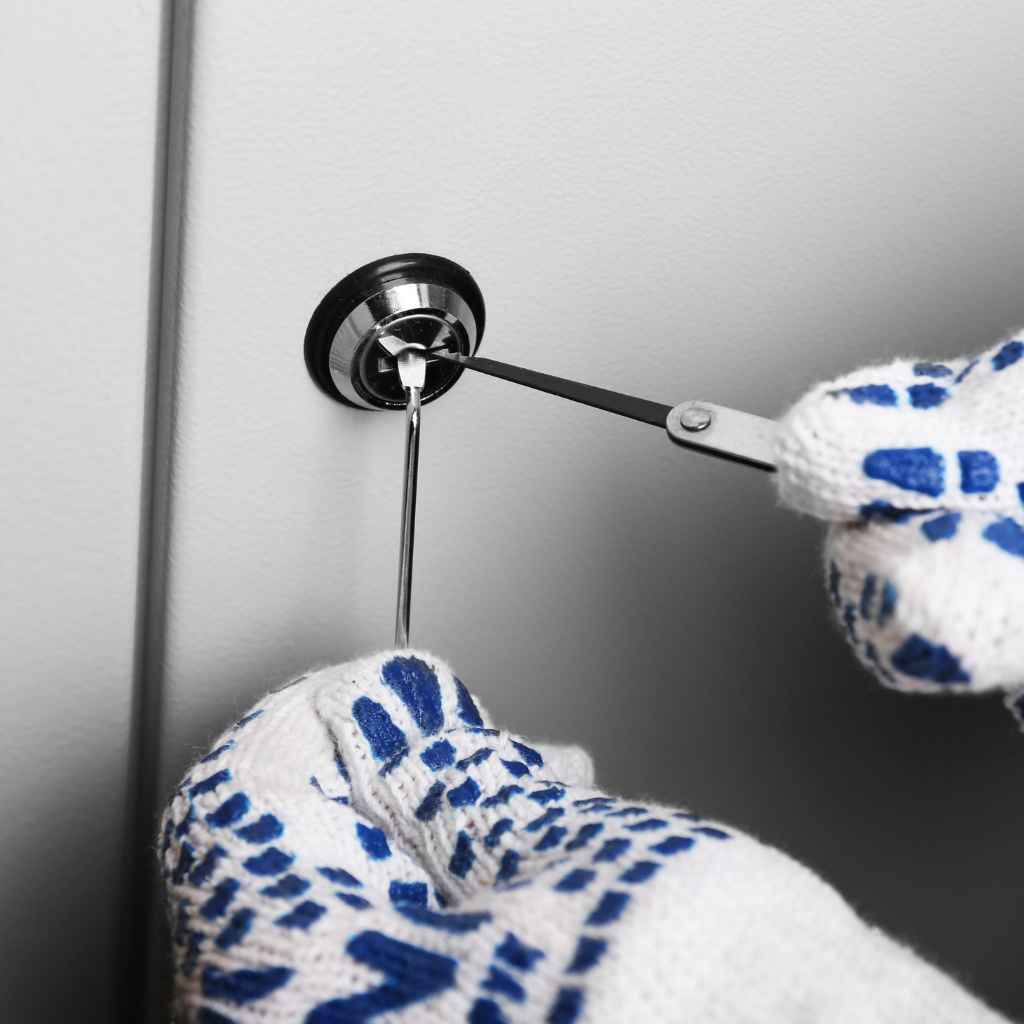
When people talk about picking locks, they often mean using a lock pick set. A lock pick set usually contains several small metal tools. These tools are shaped for specific tasks.
There are usually “picks” and “tension wrenches.” Picks are thin pieces of metal. They are designed to push the pins inside a lock. A tension wrench applies slight turning pressure to the lock cylinder.
This pressure mimics what a real key does.
The idea is to use the pick to lift each pin to its “shear line.” The shear line is where the pin splits into two parts. When all pins are at the shear line, the cylinder can turn. It takes practice and a feel for the lock mechanism.
You need to know when a pin is set correctly. You also need to avoid over-setting them.
It’s important to know that using lock pick sets on someone else’s property is illegal. Even on your own car, if you don’t know what you’re doing, you can cause serious damage. Modern car locks are quite sophisticated.
They often have security features. These can include spooled pins or serrated pins. These make picking much harder.
They are designed to trick you into thinking a pin is set when it’s not.
For most car owners, buying a lock pick set is not the answer. It’s a tool for specialists. It requires a lot of learning.
The risk of damaging your car’s expensive lock system is very high. If you’re interested in the hobby of lock picking, start with simple, legal practice locks. Never attempt to pick a lock that you don’t own or have explicit permission to work on.
Using a Slim Jim (With Extreme Caution)
A slim jim is a long, thin piece of metal. It has a hook or notch at the end. It’s designed to slide down between the window and the door panel.
The goal is to hook onto the lock lever or rod. Then, you can pull this lever to disengage the lock. This tool has been around for a long time.
It was more effective on older cars with simpler internal mechanisms.
Many modern cars have complex internal door structures. They have lots of wires, plastic channels, and sensors. Sliding a slim jim into these spaces can easily snag on something.
You could tear the weather stripping around the window. You might even damage the glass channels. Worse, you could bend or break the linkage rod.
This rod connects the exterior handle to the latch mechanism.
If you choose to use a slim jim, you must do so with extreme caution. First, try to find out the exact internal layout of your car’s door. This might involve looking up diagrams online.
Second, know precisely where the lock rod is located. Third, use gentle, controlled movements. Avoid forcing the tool.
If you feel significant resistance, stop. You are likely to cause damage.
Most experts today recommend against using a slim jim unless you are a trained professional. The potential for costly damage is too high. For a car owner, the risk often outweighs the reward.
It’s far safer and often cheaper in the long run to call a locksmith. They have the right tools and the knowledge to use them without harm.
Slim Jim Risks and Alternatives
Risk 1: Damaged Weather Stripping
The tool can tear the rubber seals around your car windows.
Risk 2: Bent or Broken Linkage Rods
Forcing the tool can damage internal parts connecting to the lock.
Risk 3: Snagged Wires or Sensors
Modern cars have complex wiring harnesses inside doors.
Safer Alternative: Professional Locksmith Services
They use specialized tools and techniques that minimize risk.
DIY Methods to Try (Safely)
Before you consider any DIY method, assess the situation. Are your keys locked inside, or have you lost them completely? If your keys are locked inside a car with automatic locks, and you can access the inside handle, you might be able to get in.
This is rare, as most cars lock automatically when keys are inside. However, some older models might have this quirk.
Let’s say your keys are in the car, and the door is locked. If you have a spare key, that’s your best bet. If not, think about how the lock works.
For some older cars, a simple shoelace might work. You can tie a slipknot in the middle of a shoelace. Then, carefully feed the loop through the top corner of the door.
You’ll need to maneuver it down to get around the lock knob. Once the loop is around the knob, tighten it. Then, pull up to unlock the door.
This takes patience and a steady hand.
Another very basic trick for some older vehicles involves a coat hanger. Gently bend a wire coat hanger into a long, thin hook. Slide this carefully down between the window and the rubber seal.
The goal is to reach the interior door handle or lock lever. You then try to snag and pull it. This method is much like using a slim jim.
It carries a high risk of scratching paint or damaging seals. It’s best avoided if you can help it.
For most modern cars, DIY methods are very difficult and risky. The electronic components and complex door mechanisms are not designed for simple tools. If your car has a dead battery and you can’t get in, and you don’t have a physical key, this is a real challenge.
Some people have tried using wedges to create a small gap in the door frame. Then they might try to push the unlock button from the inside. However, this can bend the door frame.
It can also damage the paint. It’s a last resort and still very risky.
Quick-Scan Table: Common Lockout Scenarios
| Scenario | Easiest Legal Solution | DIY Risk Level |
| Keys locked inside car | Roadside assistance or locksmith | High |
| Lost car key | Automotive locksmith to create new key | Very High |
| Key fob battery dead | Use hidden physical key | Low |
| Old car manual lock knob | Shoelace (with care) or coat hanger (risky) | Medium to High |
When to Call a Professional Locksmith
Calling a professional automotive locksmith is often the smartest choice. They have specialized tools. These tools are designed for various car makes and models.
They can gain access without damaging your car. Their expertise means they understand the different locking systems. This includes everything from simple older locks to complex electronic systems found in newer vehicles.
A locksmith can also help if you’ve lost your keys entirely. They can often cut and program new keys on-site. This can save you the hassle of towing your car to a dealership.
Dealerships are usually more expensive. They might also take longer to get you a replacement key.
When you call a locksmith, look for one that is specifically experienced with automotive locks. Ask them about their process. Inquire about any potential risks to your vehicle.
A reputable locksmith will be upfront about this. They will also provide you with a quote before starting work. This helps you avoid unexpected costs.
Consider checking reviews or asking for recommendations. Word of mouth can be very helpful. Many locksmiths are available 24/7.
This is a big plus for those late-night or early-morning lockouts. Remember that paying for a professional is an investment. It often saves you more money in the long run by preventing damage to your car’s locks or doors.
Understanding Car Security Features
Modern cars are built with security in mind. This is good for protecting your vehicle from theft. But it also means they are harder to get into if you’re locked out.
Many cars have alarms. These can be triggered if the door is forced open. This can attract unwanted attention.
It might also make it harder to get the car to stop alarming.
Immobilizer systems are also common. These systems prevent the engine from starting without the correct key. The key has a transponder chip.
The car’s computer reads this chip. If the code doesn’t match, the car won’t start. This adds another layer of complexity for anyone trying to bypass the lock system.
Door locks themselves are also more robust. They might have extra security features. These can include guards to prevent slim jims.
Or they might have double-locking mechanisms. These make it harder to manipulate the lock from the outside. It’s a good thing for security, but a challenge in a lockout situation.
Quick Overview of Modern Car Security
Car Alarms: Triggered by unauthorized entry. Can be sensitive and difficult to disarm without the correct key or procedure.
Immobilizer Systems: Transponder chips in keys communicate with the car’s computer. Prevents engine start without the correct, programmed key.
Enhanced Lock Mechanisms: Designed to resist forced entry and bypass tools like slim jims.
Electronic Door Controls: Modern systems rely on electrical signals and actuators. Tampering can cause system errors or damage.
What If You Don’t Own the Car?
This is a crucial point. Attempting to open a car that you do not own, or do not have explicit permission to access, is illegal. This is considered property damage or attempted theft.
Even if your intentions seem harmless, like helping a friend, you must have their direct consent. Always ensure the owner is present or has given clear authorization.
If you find a car with its door open and no owner around, do not attempt to lock it. Instead, contact the authorities. They can determine ownership and handle the situation appropriately.
Your role in such a scenario is to report it, not to intervene.
Understanding the legal boundaries is as important as understanding the mechanical ones. Respecting property rights is fundamental. When in doubt, err on the side of caution and contact the relevant professionals or authorities.
This avoids potential legal trouble and ensures the situation is handled correctly.
Preventative Measures and What to Carry
The best way to deal with a car lockout is to prevent it from happening. Always double-check that you have your keys before closing the car door. Get into the habit of always putting your keys in the same place in your bag or pocket.
If your car uses a key fob, pay attention to its battery life. Many fobs will show a warning light or message on your car’s dashboard when the battery is low.
It’s also a good idea to have a roadside assistance plan. Services like AAA offer lockout assistance. This can be a lifesaver in an emergency.
Know the number for your roadside assistance provider. Save it in your phone.
Consider keeping a small basic toolkit in your car for emergencies. This might include a flashlight, some basic screwdrivers, and perhaps a phone charger. While these won’t help you pick a lock, they can help in other minor roadside issues.
Ensure you have your car’s owner’s manual. It often contains useful information about your vehicle’s features, including how to access it in certain situations.
Essential Items for Your Car Emergency Kit
Spare Car Key: Keep one at home or with a trusted person.
Roadside Assistance Contact: Save the number in your phone.
Owner’s Manual: Useful for understanding your car’s specific features.
Phone Charger: Essential for contacting help.
Small Basic Toolkit: Might include screwdrivers, pliers (for minor fixes).
When is a Car Lock “Damaged”?
A car lock can be considered damaged in several ways. The most obvious is physical breakage. This could happen if someone tries to force the lock cylinder with a tool.
It might also break if the key is forced or bent inside it. You might see bent metal, or the lock might not turn at all.
Damage can also be internal. This happens when non-professional methods are used. For example, a slim jim used incorrectly can bend or break the rods inside the door.
These rods connect the outside handle, the inside handle, and the lock actuator. If these are bent, the handles might feel loose, or they might not operate the latch at all. This is a form of hidden damage.
Sometimes, the lock might appear functional, but it’s not working right. The key might go in, but it won’t turn. Or it might turn, but the door doesn’t unlock.
This could be due to worn-out tumblers inside the cylinder. It could also be a sign of internal linkage problems. Weather seals can also be damaged.
They might tear or become loose, letting in water or noise.
If you suspect any damage, it’s best to have it checked by a professional. Trying to use a damaged lock can make the problem worse. It might also lead to further complications with the door mechanism or electronic systems.
The Cost of Damage vs. Professional Help
Let’s talk numbers. When a car door lock is damaged, the repair costs can add up. Replacing a simple car lock cylinder can cost anywhere from $150 to $300.
This is for the part itself. Then there’s the labor cost for the mechanic to install it. This can add another $100 to $200.
If the internal door mechanisms are damaged, the cost can be much higher. Replacing bent rods or broken actuators can involve dismantling the entire door. This takes time.
The parts themselves can also be more expensive for newer cars. We’re talking about costs that can easily reach $500 or more. In some cases, if complex electronic components are affected, the bill can be even higher.
Now consider the cost of a professional locksmith. For a standard lockout service, you might pay between $75 and $150. If you need a new key programmed, that can add another $100 to $300, depending on the car’s make and model.
Even with these costs, it’s often significantly cheaper than repairing damage caused by DIY attempts.
Professional locksmiths have the skills and tools to get you into your car without causing harm. They are trained to avoid damaging sensitive components. The peace of mind knowing your car is not being harmed is also valuable.
When you weigh the potential costs of damage against the cost of professional help, the choice becomes clear.
Conclusion: When in Doubt, Call a Pro
Getting locked out of your car is a frustrating experience. It can happen to anyone. While the urge to solve it yourself might be strong, remember the risks.
Modern cars are complex. Attempting to pick a lock or force a door can lead to expensive damage. This damage often costs far more to repair than professional lockout services.
Legal and safe methods always prioritize protecting your vehicle. This means using a spare key, contacting roadside assistance, or hiring a trusted automotive locksmith. These professionals have the expertise and tools to resolve the situation efficiently and without harm.
Keep this guide handy for when you need it, but always choose the path that preserves your car’s integrity.
Frequently Asked Questions
Can I really pick a car lock without a key?
Yes, it is possible to pick some car locks without a key, but it requires specialized tools and significant skill. For most car owners, attempting this is highly risky and can lead to expensive damage. Professional locksmiths are trained to do this safely.
Is using a coat hanger to open my car door safe?
Using a coat hanger is generally not safe for modern cars. It can easily scratch paint, tear weather stripping, or damage internal lock mechanisms and wires. While it might work on very old vehicles, the risk of damage is high for most cars today.
What is the cheapest way to get into a locked car?
The cheapest way is often preventative: always double-checking for your keys and having a spare. If locked out, roadside assistance plans (like AAA) are often more affordable than calling a locksmith directly. However, if you don’t have such a plan, a locksmith’s fee is often less than repairing damage from DIY attempts.
How long does it take a locksmith to open a car door?
For a standard lockout with no complications, a locksmith can often open a car door in 5 to 20 minutes. This depends on the car’s make, model, and the type of locking system. If a new key needs to be made or programmed, it will take longer.
Can a locksmith damage my car when opening it?
A qualified and reputable automotive locksmith should not damage your car. They use specific tools and techniques designed for non-destructive entry. If a locksmith causes damage, they should be liable for the repairs.
Always choose a licensed and insured professional.
What should I do if my car battery is dead and I can’t get in?
Most cars with keyless entry have a hidden physical keyway. Your key fob likely contains this physical key. Locate the keyhole (often near the door handle, sometimes under a cap) and use the physical key to unlock the door.
If you cannot find it or it doesn’t work, you’ll need to call roadside assistance or a locksmith for help.
Products related to this article
Sponsored / affiliate links. As an Amazon Associate I earn from qualifying purchases. I may earn additional commission from eligible campaigns.