CRC Mass Air Flow Sensor Cleaner Review: Is It Worth It?
CRC Mass Air Flow Sensor Cleaner is worth buying when rough idle, hesitation, or lean codes point to a dirty MAF element. If the symptoms come back after cleaning, the real fault is usually unmetered air, a bad filter seal, or PCV intake contamination. Miss that diagnosis, and you can spend money, chase the wrong code, and overlook a drivability problem cleaning will not fix.
Verdict
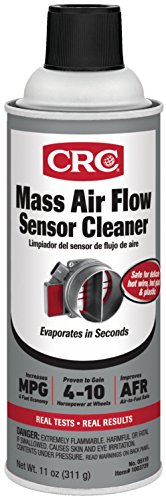
Based on the listing, CRC appears to be a 250 ml spray made for hot wire and hot plate sensors in modern injected engines, with fast-drying, residue-free cleaning claimed for gasoline and diesel use. The limit is simple. If the sensor is only dirty, this is a sensible fix. If the sensor is clean and the intake system is not, CRC will not solve the root cause.
Specs at a glance
| Spec | CRC mass air flow sensor cleaner |
|---|---|
| Can size | 250 ml |
| Sensor types | Hot wire and hot plate |
| Engine fitment | Gasoline and diesel engines |
| Application type | Spray cleaner for MAF sensors in modern injected engines |
| Drying behavior | Fast-drying |
| Residue claim | Evaporates completely with no residue |
| Retail price | 289 Kč |
| Listing status | Unavailable on the Czech listing |
Who it
This is for DIY owners who have a believable contamination problem: a MAF sensor in a modern fuel-injected engine, a dirty air filter change interval, dusty intake tract, or oil mist from the PCV system that can coat the sensing surface. It is less useful if the problem is a vacuum leak, a split intake boot, a bad filter seal, or a wiring fault.
Say your car idles fine cold, then starts hunting at a stoplight after a dusty highway trip. A MAF cleaner may be the right first step if the filter and intake plumbing check out. If the same car still trims lean after cleaning and the fuel-trim numbers stay ugly, the fault points away from the sensor and toward unmetered air or another issue.
Pros and cons
- Pros: sensor-safe spray format, fast drying, no residue claim, made for hot wire and hot plate sensors, and usable on gasoline and diesel engines.
- Cons: 289 Kč is not cheap for a single-purpose aerosol, the listing is unavailable, and it will not fix intake leaks, filter sealing problems, or PCV contamination.
What works
CRC fits the air flow sensor cleaner category correctly: it is a sensor-safe solvent spray meant to clean electronics-adjacent sensing surfaces without leaving film behind. That matters because the MAF sensor measures intake air flow in modern fuel-injected engines, and even light dirt, oil, dust, or grime can skew the reading.
The useful part is narrow but real. If the sensing element is contaminated, cleaning can return a cleaner signal to the ECU. That can improve idle quality, throttle response, and fuel-trim behavior when contamination is the actual cause. It is a repair for contamination, not a fix for every drivability complaint.
What CRC claims lines up with the job description: it removes dirt from the MAF sensor, dries quickly, and evaporates completely with no residue. That is the right behavior for a cleaner that must not leave a conductive or insulating film on a sensitive sensor surface.
What does CRC mass air flow sensor cleaner clean?
CRC is meant to clean the sensing surface of the MAF itself, where dirt, oil, dust, and grime can interfere with the air-flow signal. It is intended for hot wire and hot plate sensors, both of which rely on delicate measurement surfaces that should be cleaned, not scrubbed. The cleaner is not for general engine parts or dirty intake tubing.
It should not be used as a shortcut for every underhood contamination issue. If the air filter is torn, the filter box is not sealing, or the PCV system is sending oil vapor into the intake, the sensor may get dirty again quickly after cleaning. In that case, the cleaner only resets the symptom.
What works well in the product class
- Non-residue cleaning for sensor surfaces.
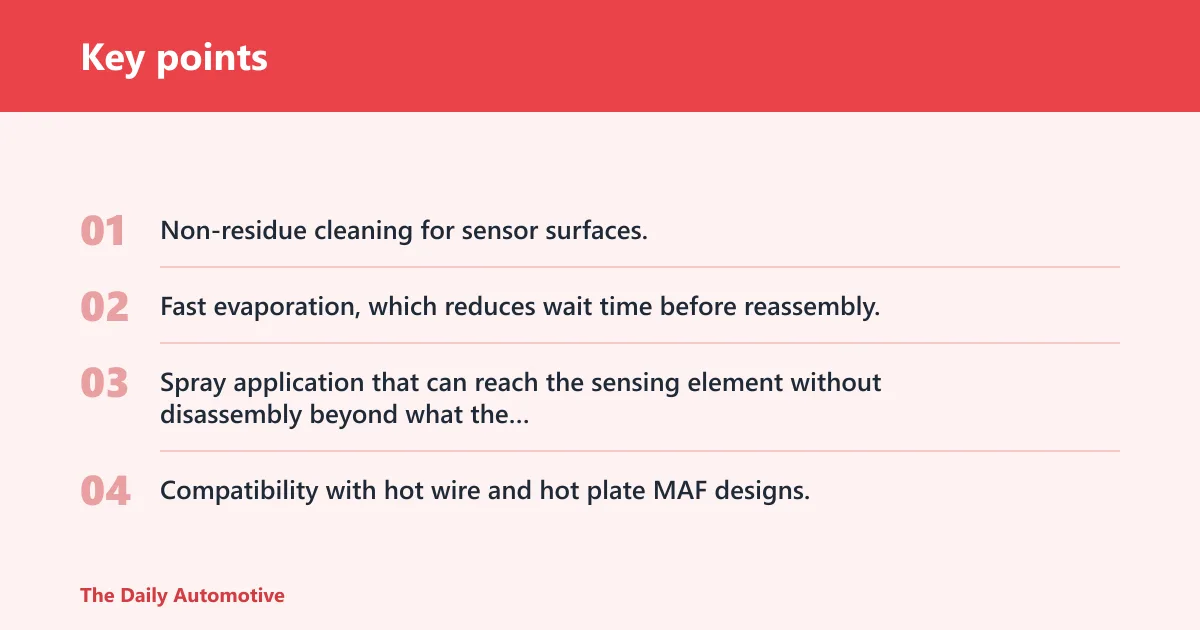
- Fast evaporation, which reduces wait time before reassembly.
- Spray application that can reach the sensing element without disassembly beyond what the vehicle manual allows.
- Compatibility with hot wire and hot plate MAF designs.
What does not?
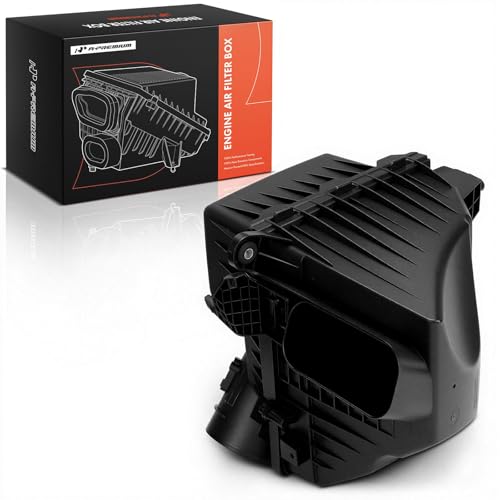
CRC will not diagnose the car for you. A dirty MAF is often blamed first because the symptom looks familiar, but the real problem can sit upstream or downstream of the sensor. Intake leaks, a poor air-filter seal, PCV oil contamination, or dust intrusion after the filter all can produce the same rough idle or lean-code story.
It also does not mean “safe to spray anywhere.” Hot wire sensors are delicate, and the sensing element must not be touched or mechanically scrubbed. If the product is sprayed into the wrong place, or if a connector or housing needs a different service procedure, the vehicle manual still comes first.
Decision table
| Symptom | Likely cause | Quick check | Is CRC cleaning the right fix? |
|---|---|---|---|
| Rough idle | Dirty MAF element or unmetered air | Inspect intake hoses, filter seal, and fuel-trim data | Yes, if contamination is visible or likely; no, if a leak is present |
| Hesitation | MAF contamination, throttle issue, or intake leak | Look for split boots and check for lean symptoms | Maybe, only if the MAF is dirty |
| Lean codes | Unmetered air, dirty sensor, or fuel delivery fault | Check for vacuum leaks and air leaks before cleaning | Sometimes, but only after leak checks |
| Dirty air filter | Dust loading and possible sensor contamination | Inspect the filter and housing for gaps or tears | Yes, if dust has reached the sensor |
| Intake leak | Split hose, bad clamp, bad gasket, or cracked duct | Smoke test or inspect the intake tract | No, fix the leak first |
| Oil contamination | PCV vapors or oil mist coating the sensor | Check the PCV path and intake tract for oil film | Yes, but contamination will return unless the source is fixed |
| Post-filter dust intrusion | Bad filter seal or housing bypass | Check filter seating and box clips | Yes for cleanup, no for the root cause |
| Sensor contamination | Direct buildup on the sensing element | Look for visible film or debris on the element | Yes, this is the ideal use case |
What is the difference between CRC and other air flow sensor cleaners?
CRC sits in the standard sensor-cleaner category, but the comparison comes down to details that matter in practice: residue risk, spray behavior, can size, and value per use. The key question is whether the cleaner is designed specifically for MAF sensors and whether it leaves the sensing surface clean and dry.
Against a comparable 250 ml cleaner priced at about 191 Kč, CRC’s roughly 289 Kč listing appears to be the pricier option. That does not make it bad value automatically, but it does mean you are paying more for the CRC name and its sensor-specific claims. If another cleaner offers the same safe, gentle cleaning for gasoline and diesel engines, the cheaper can may be enough.
Where CRC has an edge is the direct fitment language: hot wire and hot plate sensors, fast drying, and complete evaporation with no residue. If those points are what you care about, CRC is easy to justify. If you only need a one-off clean and another product makes the same claims, cost per can matters more than brand.
Should you buy it?
Buy CRC if you have a believable dirty-MAF diagnosis and want a sensor-safe aerosol that is meant for hot wire and hot plate sensors. Skip it if you have not checked for intake leaks, filter sealing issues, or PCV contamination. Cleaning a healthy sensor will not cure the real fault, and a dirty sensor that is re-contaminated will not stay fixed.
A common first-timer mistake is replacing the sensor because the code points to airflow, then finding a loose intake clamp after the fact. Another is cleaning the MAF, clearing codes, and stopping there even though the air filter box is drawing dust past a bad seal. CRC is the right tool when the diagnosis is right.
Alternatives

CRC’s 11 oz MAF and throttle body bundle makes sense only if you need both cleaners. The MAF side still carries the same sensor-safe, fast-drying pitch, but the bundle raises the spend to $20.93 and adds an extra can you may not need for a diagnosis-first job.

Berryman’s 12-pack is aimed at a very different buyer: shops, frequent service use, or owners who want volume. The 11-ounce cans include an extension tube for targeted spraying and a 12-pack price of $75.99, but that bulk makes little sense for a single MAF cleanup.
Frequently asked questions
Is CRC mass air flow sensor cleaner worth it?
Yes, if the MAF is actually dirty and the symptoms fit contamination: rough idle, hesitation, or lean codes that show up after intake dust or oil mist exposure. It is not worth much if the real fault is an intake leak, bad filter seal, or PCV contamination that keeps re-soiling the sensor.
Does CRC MAF cleaner leave residue?
CRC says it evaporates completely with no residue. That matters because the MAF sensing surface is sensitive, and leftover film can change the signal. A proper sensor cleaner should dry cleanly, without oily traces or conductive residue on the element.
Is CRC MAF cleaner safe for hot wire sensors?
Yes, the listing says it is made for hot wire sensors as well as hot plate sensors. Even so, the cleaning has to stay gentle. Do not scrub the element or touch it with a brush, swab, or cloth. Use spray only, and follow the vehicle manual for access.
How much does CRC mass air flow sensor cleaner cost?
The Czech retail listing gives a price of 289 Kč for the 250 ml can. A comparable 250 ml cleaner is listed at 191 Kč, so CRC sits at the higher end of the basic sensor-cleaner range. That difference matters if you only need one can.
How do you use CRC MAF sensor cleaner correctly?
Use it only on the MAF sensing area that the vehicle manual allows you to access. Spray the sensor gently, do not touch the sensing element, and let it dry fully before reassembly. If the intake tract or filter housing is damaged, fix that first or the problem can return quickly.
Products related to this article
Sponsored / affiliate links. As an Amazon Associate I earn from qualifying purchases. I may earn additional commission from eligible campaigns.