How to Get Tree Sap Off a Car Windshield (Glass-Safe Guide)
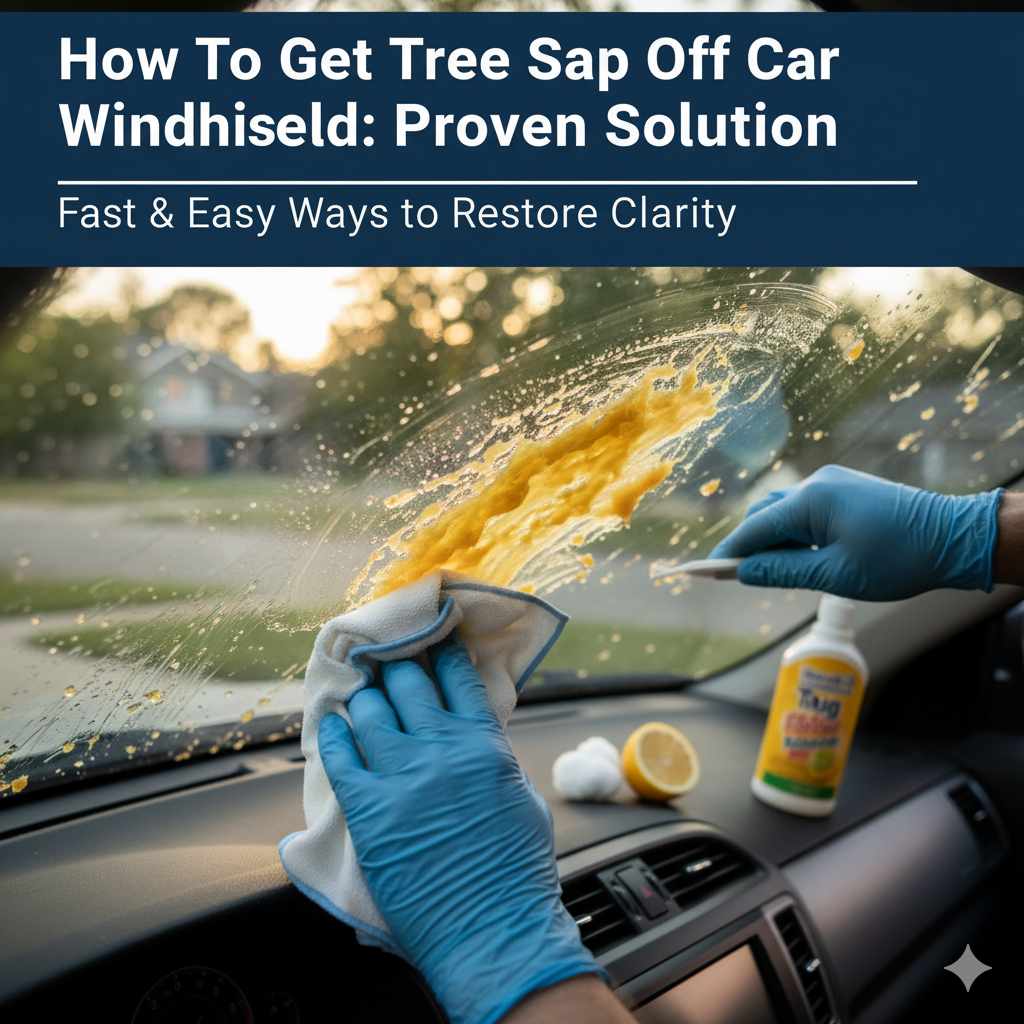
The fastest safe way to get tree sap off a car windshield is to soften it first with 70% isopropyl alcohol or a dedicated bug-and-tar remover, then lift it with a plastic (not metal) razor blade on wet glass. Windshield glass tolerates blade scraping far better than paint does — but only with the right technique. Below: the exact steps, the tools that matter, and the one mistake that cracks wiper blades instead of removing sap.
Quick Answer
Soak the sap with 70% isopropyl alcohol or a commercial bug/tar remover for 30–60 seconds, wipe with a microfiber cloth, and repeat as needed. For hardened spots, a plastic razor blade held nearly flat against wet glass will lift sap that solvents alone can’t — a technique that’s safe on windshield glass but never safe on painted body panels.
Why Tree Sap Sticks So Stubbornly to Glass
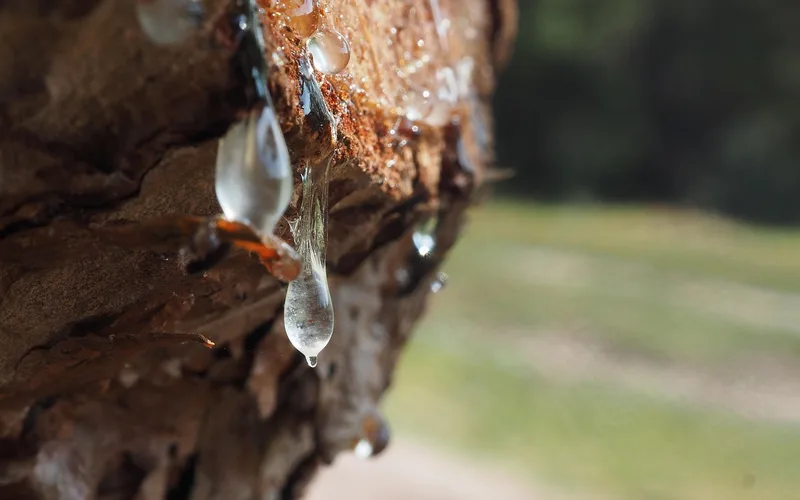
Tree sap is a tree’s own first-aid response. When bark is damaged — a broken branch, an insect bite, storm damage — the tree releases a sticky, sugary resin to seal the wound and trap anything that might cause further harm. That same stickiness is what makes it cling to your windshield and glass or any protective coatings you’ve applied. Left in the sun, sap hardens further and becomes noticeably tougher to remove.
Your car windshield is built to withstand road debris, temperature swings, and UV exposure, but hardened sap scrubbed aggressively can still leave fine scratches. The goal is always to dissolve the sap’s grip chemically first, and only scrape what’s left over — not the other way around.
What You’ll Need: Your Sap-Fighting Arsenal
Gather these before you start — you likely already have most of them at home or in the garage.
Essential Tools and Cleaning Agents
- Microfiber cloths: Soft and absorbent, won’t scratch your windshield. Bring at least two clean ones.
- 70% isopropyl (rubbing) alcohol: Breaks down sap’s stickiness without attacking rubber trim the way acetone does. Look for 70% concentration or higher.
- Car-specific bug and tar remover or dedicated sap remover: Formulated to dissolve sticky automotive contaminants without harming glass coatings.
- Warm water: For rinsing and softening stubborn spots.
- Mild dish soap: For a final clean.
- A fresh plastic razor blade or plastic ice scraper: For hardened sap that solvents alone can’t fully lift — see Method 4 below for exactly how to use one safely.
- Optional — protective gloves: Keep your hands clean and protected from solvents.
Having these on hand means you’re ready for any sap situation without an emergency store run.
Step-by-Step: How to Remove Tree Sap From a Car Windshield
Method 1: The Rubbing Alcohol Method (Safest & Most Common)
This is the go-to method because isopropyl alcohol dissolves sap effectively and won’t damage the rubber trim or wiper blades sitting right next to the glass.
- Park in the shade: Direct sun heats the glass, making sap harder to remove and causing cleaner to evaporate too fast.
- Dampen a microfiber cloth: Lightly wet it with rubbing alcohol — damp, not dripping.
- Dab the sap: Hold the cloth against the spot for 30–60 seconds to let the alcohol start breaking the sap’s bonds.
- Wipe gently: Work around the edges first, then wipe the center. Reapply and repeat for tougher spots — never scrub hard enough to risk scratching.
- For anything still stuck: Move to Method 4 below and use a plastic scraper or razor blade on the softened residue.
- Clean the area: Once the sap is gone, clean the windshield with glass cleaner and a fresh microfiber cloth to remove any alcohol residue or streaks.
- Final rinse: Rinse with water and dry thoroughly.
Method 2: Using a Commercial Bug, Tar & Sap Remover
These products are formulated specifically for automotive contaminants and are very effective against sap.
- Read the label: Follow the manufacturer’s dwell-time directions precisely.
- Apply: Spray directly onto the sap or onto a microfiber cloth, as the product directs.
- Let it dwell: Usually a few minutes — enough time for the solvent to break down the resin.
- Wipe away: Use a clean microfiber cloth, working in small sections for large areas.
- Rinse and finish: Rinse thoroughly with clean water, then follow with glass cleaner for a streak-free finish.
Method 3: The Warm Water and Dish Soap Soak
Best for small, fresh sap spots, or as a gentle follow-up after Method 1 or 2.
- Mix a solution: A few drops of mild dish soap in warm water.
- Soak a cloth: Damp, not dripping.
- Apply to the sap: Let the warm, soapy cloth sit on the spot for a few minutes to soften it.
- Rub gently: Small circular motions once the sap starts to loosen.
- Wipe and rinse: Clean cloth to lift the residue, then rinse and dry.
Method 4: When (and How) to Use a Razor Blade Safely
For sap that’s baked on for weeks and won’t budge with solvent alone, a razor blade is a legitimate next step on glass — something you should never attempt on painted body panels. Here’s the safe technique:
- Choose plastic first: A plastic razor blade or plastic ice scraper removes hardened sap without any real risk of scratching. It’s the safer default for most people.
- Metal blade, only if needed: If plastic can’t budge the spot, a fresh, sharp metal razor blade can work — but only when the glass is thoroughly wet with alcohol, glass cleaner, or soapy water. Never scrape dry glass.
- Hold it nearly flat: Angle the blade at roughly 45 degrees or lower, almost parallel to the glass. A steep angle is what causes scratches, not the blade itself.
- Let the sap do the work: Push gently under the softened edge and let it lift — don’t force or gouge.
- Use a new blade: A dull or nicked blade is far more likely to skip and scratch than a fresh one.
If your hands aren’t steady or you’re not confident with the technique, skip the metal blade entirely and stick with plastic, solvent, and patience — a slower removal beats a scratched windshield every time.
Recommended for Windshield Sap Removal
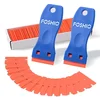
FOSHIO Plastic Razor Blade Scraper Kit (2 Scrapers + 100 Blades)
Our top pick: a fresh plastic blade set built for glass, so you never have to reach for a metal blade or a kitchen scraper on your windshield.
View Our Pick on Amazon| Product | Best For | Link |
|---|---|---|
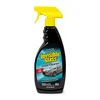 |
The streak-free final pass after sap is removed | Check on Amazon |
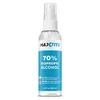 |
Method 1 — safest solvent, won’t harm wiper rubber | Check on Amazon |
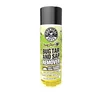 |
Method 2 — heavily baked-on or old sap | Check on Amazon |
As an Amazon Associate, The Daily Automotive earns from qualifying purchases.
Why a Razor Blade Is Safe on Glass but Never on Paint
This is the single biggest difference between cleaning sap off a windshield and cleaning it off a hood or fender, and it comes down to hardness. Automotive glass sits at roughly 5–6 on the Mohs hardness scale — hard enough to shrug off a plastic or carefully-angled metal blade with minimal risk. A car’s clear coat is nowhere close: pencil-hardness testing puts it around 2H–3H, which is dramatically softer than glass. That’s why the exact razor-blade technique that’s safe here would leave permanent swirl marks or gouges on paint.
If sap has also landed on your car’s paint and not just the glass, don’t reach for the same blade — use a paint-safe method instead. Our companion guide covers it in full: How to Get Tree Sap Off Car Paint Without Damaging It.
“The mistake we see most often isn’t the razor blade itself — it’s using it dry, or at too steep an angle. Wet glass and a shallow angle do almost all the safety work. If you wouldn’t do it to your phone screen, slow down before you do it to your windshield.”
What NOT to Use: Acetone and Wiper/Trim Damage
Acetone-based products like nail polish remover will dissolve sap, and they won’t etch the glass itself — but that’s not the risk. Acetone aggressively breaks down rubber and plastic, and even a small amount that runs down to your wiper blades or the rubber trim around the glass can dry it out, cause cracking, and leave your wipers streaking or chattering afterward. Once that rubber is chemically damaged, cleaning won’t undo it — the blade has to be replaced. Acetone can also strip rain-repellent coatings if you’ve applied one to the glass.
Isopropyl alcohol does the same solvent job on sap without attacking rubber seals, which is why it’s the safer default in Method 1 above. If you only have an acetone-based product on hand, keep it away from the wiper arms and edge trim, and don’t let it pool or run.
Tools and Techniques: A Comparison Table
Choosing the right tool makes the difference between a five-minute fix and an accidental scratch. Here’s how the common methods for windshield sap compare:
| Method | Effectiveness | Risk of Scratching | Ease of Use | Best For |
|---|---|---|---|---|
| Rubbing Alcohol (70%) | High | Low (with proper technique) | Easy | Most sap situations; fresh & light-to-moderate hardened sap |
| Bug & Tar Remover | Very High | Low (formulated for auto surfaces) | Easy | Stubborn sap, tar, bug splatter, general grime |
| Warm Water & Dish Soap | Moderate | Very Low | Very Easy | Fresh, small sap spots; pre-treatment |
| Plastic Razor/Scraper | High (on hardened sap) | Low | Moderate | Baked-on sap, the safest scraping option |
| Metal Razor Blade | High (on hardened sap) | Moderate (technique-dependent) | Moderate | Very thick, dried sap that plastic can’t lift — glass only, never paint |
| Acetone / Nail Polish Remover | High | Low on glass, high on nearby rubber & trim | Easy | Not recommended near wiper blades or trim — use isopropyl instead |
Rubbing alcohol and a dedicated bug/tar remover cover the vast majority of sap situations. Reach for a razor blade only after a solvent has had a chance to soften the residue first.
Preventing Future Sap Sits
You can’t control the trees, but you can control where you park.
- Park under cover: A garage or carport is the best protection from sap, sun, and everything else.
- Avoid known sap-droppers: Maples, pines, and firs are common offenders. A slightly longer walk beats a cleaning session.
- Use a car cover: Worthwhile if parking under trees is unavoidable and no covered spot exists.
- Keep glass and paint sealed: Sap has a harder time bonding to a slick, waxed or sealed surface, and comes off more easily when it does land.
A little foresight saves a lot of scraping later.
Dealing With Baked-On, Dried Sap
Sap that’s been baking in the sun for days or weeks needs more patience, not different products. The same solvents from Method 1 and Method 2 still work — they just need more time and repeat applications.
- Soften first: Dab with rubbing alcohol or tar remover and let it sit.
- Repeat: Reapply several times, giving each application a minute or two before wiping.
- Scrape only what’s left: If solvent alone won’t finish the job, use the plastic-first, wet-glass technique from Method 4 above.
- Finish with glass cleaner: Remove any leftover residue for a clear view.
Patience beats speed here — rushing a baked-on spot is what leads to scratches.
Important Safety Tips
- Work in a ventilated area: Especially with rubbing alcohol or commercial cleaners.
- Wear gloves: Protects your skin from solvents.
- Test first: Try a new product on a small, hidden spot before going all-in.
- Skip abrasives: No steel wool or rough sponges on glass or paint — they scratch.
- Keep the blade wet and shallow: Fingers clear of the edge, glass wet, angle low.
- Rinse fully: Leftover product residue can affect visibility and streak.
Frequently Asked Questions
Can I use nail polish remover to get sap off my windshield?
You can, since acetone dissolves sap effectively, but it’s not the best choice. Acetone won’t hurt the glass itself, but it can dry out and crack nearby wiper blades and rubber trim, and it can strip rain-repellent coatings. Rubbing alcohol or a dedicated sap remover does the same job more safely.
How long does tree sap usually take to remove?
Fresh, small spots often come off in a few minutes. Larger or hardened spots can take 15–30 minutes with a couple of reapplications, and baked-on sap can take longer and require repeat treatments with patience.
Does WD-40 work on tree sap?
It can loosen sap since it’s a solvent and lubricant, but it’s not a dedicated glass cleaner. After using it, wash the area with car wash soap and water to remove the oily residue, or use rubbing alcohol or a tar remover instead for a cleaner result the first time.
Can tree sap damage my car’s paint if I leave it on?
Yes — sap can damage your car’s paint if it’s left too long. It’s acidic and sticky, and heat and sunlight can cause it to etch into the clear coat, leaving permanent marks or dull spots. Remove it as soon as you reasonably can.
Is it safe to use razor blades on my car windshield for sap?
Yes, with the right technique: a fresh, sharp blade held nearly flat against wet glass. Glass is hard enough to tolerate this when done carefully, but a steep angle or dry glass is what causes scratches. A plastic blade removes most of the risk if you’d rather skip metal entirely.
What’s the difference between a glass cleaner and a bug/tar remover?
Glass cleaner is a light-duty final polish that removes dirt and streaks. Bug and tar removers use stronger solvents built to break down sticky organic residue like sap and bug splatter without harming paint or glass coatings. Use the remover for the heavy lifting, glass cleaner for the final streak-free pass.
Will acetone hurt my windshield wipers or rubber trim?
Yes, this is the real risk with acetone-based cleaners near a windshield. It can dry out and crack wiper blades and window rubber seals, causing streaking that won’t go away until the wiper is replaced. Isopropyl alcohol cleans just as well without that risk, which is why it’s the recommended solvent above.
How often should I check my car for tree sap?
Give your car a quick visual check after parking under trees, especially during spring and summer sap season. Removing fresh drips within a day or two is much easier than dealing with sap that’s had weeks to bake in the sun.
Conclusion
Tree sap on a windshield doesn’t need special equipment — rubbing alcohol or a bug/tar remover, a soft microfiber cloth, and (for stubborn spots) a plastic-first razor-blade technique on wet glass will handle almost any sap situation. Just remember the one line that matters most: what’s safe on glass isn’t automatically safe on paint. If sap has spread to your car’s body panels too, switch over to our paint-specific removal guide instead of using a blade there.
Products related to this article
Sponsored / affiliate links. As an Amazon Associate I earn from qualifying purchases. I may earn additional commission from eligible campaigns.