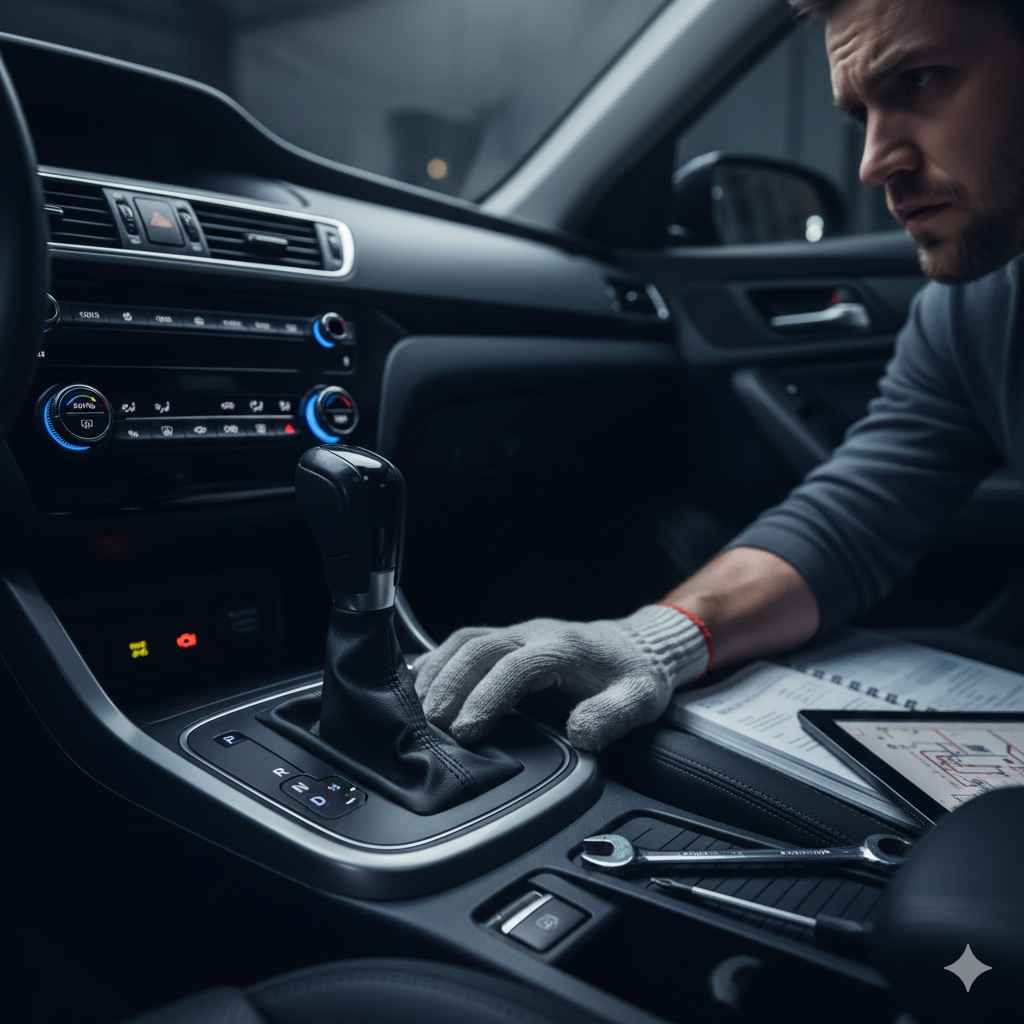
Car Only Drives in 1st, 2nd, and Reverse: Causes and Solutions
If your Car Only Drives in 1st, 2nd, and Reverse: Causes can be a headache for many drivers, from new drivers to seasoned veterans. It’s often tricky to figure out what’s causing the problem, which can lead to frustration and expensive repair bills. This post will help you. We’ll break down the most common reasons why your car might be stuck in these gears and give you a simple, step-by-step approach to diagnosing the problem and hopefully, fixing it. Let’s get started and learn how to get your car running smoothly again.
Common Reasons Your Car Is Stuck in 1st, 2nd, and Reverse
When your car stubbornly refuses to shift past second gear, it’s more than just an inconvenience – it’s a sign that something’s gone wrong inside the transmission. Pinpointing the exact reason why this is happening can be tough, and requires looking at a bunch of different parts.
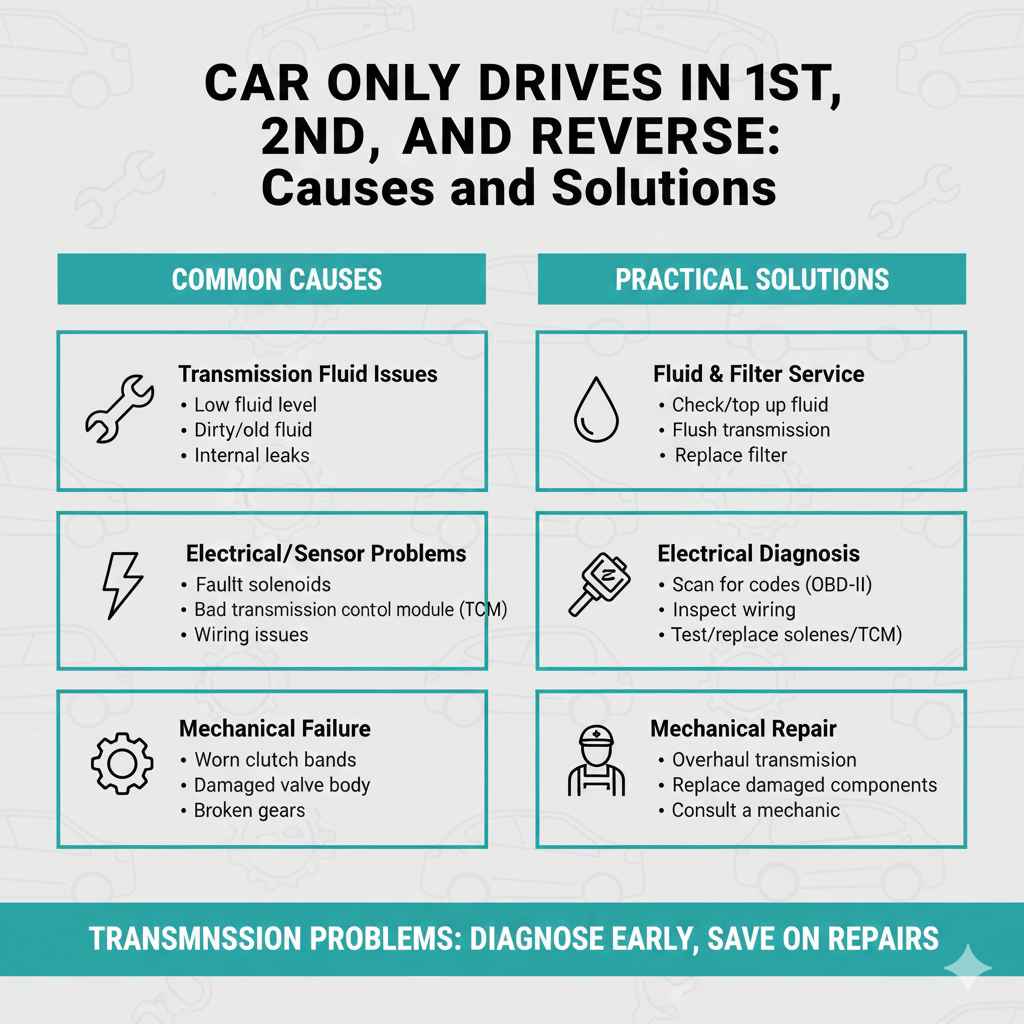
There are several typical causes, from simple issues like low fluid levels to bigger problems such as mechanical failure within the transmission itself. Discovering these frequent problems early on is the first move in getting your vehicle back on the road and avoiding more serious damage. Finding the source of these difficulties can save you money and headaches in the long run.
Transmission Fluid Troubles
One of the most frequent reasons why your car might be stuck in lower gears is related to the transmission fluid. This fluid is the lifeblood of your car’s transmission, keeping all the moving parts lubricated and cool. Without enough of it or if it’s dirty and contaminated, your car can have all sorts of problems. Transmission fluid is essential for the smooth operation of your transmission, acting as a lubricant to reduce friction and a coolant to keep temperatures in check. When the fluid level drops, it can lead to overheating and damage. Likewise, contaminated fluid can’t do its job properly, leading to increased wear and tear on your transmission components.
Low Fluid Level: A low fluid level is one of the more common causes for your transmission to struggle. When the fluid level drops, the transmission pump may not be able to pull in enough fluid. This can prevent the transmission from shifting into higher gears.
If you’re noticing this symptom, it’s a good idea to check your transmission fluid level. You’ll usually find a dipstick under the hood that you can use to check the level. If it’s low, add more fluid, but make sure you’re using the right type of fluid specified for your vehicle.
Dirty or Contaminated Fluid: The transmission fluid also needs to stay clean. Over time, the fluid breaks down and can become filled with debris and contaminants.
This contaminated fluid can cause all kinds of issues, from rough shifting to complete failure of the transmission. If your fluid looks dark or smells burnt, it’s a sign that it needs to be changed. Check your vehicle’s manual for details on the recommended service intervals and proper fluid type.
Leaks: One reason why the fluid level might be low is a leak. Leaks can happen from various places in the transmission, such as seals, gaskets, or the transmission pan.
If you suspect a leak, look under your car for any signs of fluid on the ground. Transmission fluid is typically red or dark brown and has a slightly sweet smell. Finding the source of the leak is essential to stopping the problem and preventing more significant damage.
Internal Transmission Woes
Besides fluid-related issues, mechanical failures inside the transmission itself can cause the issues you’re experiencing. These failures can be the result of a variety of things, from normal wear and tear to catastrophic problems caused by severe damage. Internal transmission problems are often complex and require more advanced troubleshooting to identify and fix. Ignoring these problems can lead to more costly fixes down the road, and even the need for a complete transmission replacement.
Worn-Out Clutch Packs or Bands: Clutch packs and bands are critical parts of an automatic transmission, using friction to shift gears. They wear down over time due to use.
When these components wear out, the transmission can’t effectively engage the higher gears. The car might stay stuck in first or second gear, as the worn components can’t apply enough force to change gears. If this is the case, you’ll need to disassemble the transmission and replace the worn parts.
Faulty Solenoids: Solenoids are like the electrical switches of the transmission, controlling the fluid flow that causes gear changes.
They can fail due to electrical problems or wear, preventing the proper flow of fluid. If a solenoid fails, the transmission might get stuck in lower gears. You’ll have to have a mechanic to test the solenoids using a scan tool to find and replace any faulty ones.
Damaged Gears: Inside the transmission, a system of gears works together to change your car’s speed. These gears can get damaged from wear, extreme heat, or not enough lubrication.
When the gears get damaged, the transmission might not be able to engage the gears correctly. The car will often be stuck in one or two gears. Getting a transmission specialist to open up your transmission and inspect the damage is essential.
Electrical System Problems
Your car’s transmission isn’t just a collection of mechanical parts; it also relies heavily on the electrical system to operate correctly. Electrical problems can create all sorts of issues, including shifting problems. The transmission control module (TCM) plays a vital role in coordinating the gears and is crucial for your vehicle’s gear-changing performance. Problems with the TCM, sensors, or wiring can cause significant problems with your car’s gear shifting and ultimately mean that your car only drives in 1st, 2nd, and reverse.
TCM Issues: The TCM is the brain of the transmission, monitoring several inputs to know when to shift gears.
If the TCM malfunctions due to internal problems or external damage, the transmission may not shift correctly, causing your car to remain stuck in lower gears. The TCM is a delicate piece of technology, and a mechanic can perform testing to see whether it is faulty.
Sensor Malfunctions: The TCM uses inputs from various sensors to determine shift points. These sensors measure things like engine speed, vehicle speed, and throttle position.
If any of these sensors fail, it can send inaccurate information to the TCM, and the TCM may not know when to change gears. Some of the common sensors to check include the speed sensor and the throttle position sensor. A mechanic can also diagnose these problems.
Wiring Problems: Wiring issues can also cause a car to be stuck in lower gears. If the wiring harness connected to the transmission is damaged or corroded, it can interrupt the signals sent to the transmission.
These interruptions can lead to a lot of problems, as the transmission might not receive the signals it needs to shift gears. The wiring can be tough to diagnose, and it often requires an expert technician to find the fault.
How to Troubleshoot Car Only Drives in 1st, 2nd, and Reverse: Causes
When you’re dealing with a car that won’t shift past second gear, the first thing to do is stay calm. Then, you can start working through a methodical process to find out what’s causing the problem. Diagnosing the issue involves a combination of visual inspections, simple tests, and when necessary, more advanced diagnostic procedures. While some issues you can fix yourself, others are better handled by a skilled mechanic. These steps should help you determine the cause.
Initial Checks
Before you get too involved, there are some simple checks you can do yourself. These steps will help you rule out some of the most basic issues and will give you a good starting point. Checking these things first can save you time and money and provide helpful information.
Check the Transmission Fluid: First, inspect the transmission fluid level using the dipstick. Make sure the fluid level is within the appropriate range and that the fluid looks and smells okay. If the fluid level is low, add the correct type of fluid. If the fluid is dark or smells burnt, it’s a good idea to have it changed.
Checking the fluid is the easiest way to detect a potential problem. Make sure to use the proper type of transmission fluid for your car, as listed in your owner’s manual. A low level could be the only problem, and adding fluid could solve it!
Examine for Leaks: Check underneath your car for any signs of leaks around the transmission. Look for reddish or brown fluid on the ground or on the transmission itself. If you discover a leak, try to find the source. This could be a seal, gasket, or even a damaged transmission pan.
If you see a leak, this is a sign that there’s a problem, and you’ll want to take steps to stop the leak. Fixing a leak can be as simple as tightening a bolt, or it could require replacing a seal or gasket. Ignoring a leak can lead to more serious damage.
Listen for Unusual Noises: With the engine running, listen for any unusual noises coming from the transmission. Whining, clunking, or grinding sounds can indicate internal damage. These noises can often be accompanied by shifting problems.
If you hear these noises, it’s a good idea to get your transmission checked by a professional. These sounds could be an early warning sign of a serious problem. The sooner you identify the problem, the better chance you have of avoiding expensive repairs.
More Detailed Diagnostic Steps
If the initial checks don’t identify the cause of the problem, you’ll need to go further. This may involve using diagnostic tools and inspections to pinpoint the exact problem. These steps are a bit more involved and could require the use of a diagnostic tool and some mechanical knowledge. However, they are essential to accurately diagnosing the issue.
Scan for Trouble Codes: Use an OBD-II scanner to read any trouble codes from the TCM. These codes can provide clues about what’s going wrong. They pinpoint which sensors or components might be the problem.
Connect the scanner to the OBD-II port in your car, which is typically found under the dashboard on the driver’s side. The scanner will tell you which trouble codes are stored in the TCM. After getting the codes, you can look them up and get a better idea of what might be happening.
Check the Solenoids: Solenoids play a key role in the shifting process. Use a multimeter or a diagnostic tool to test the solenoids. You can check for any signs of electrical problems, such as a short circuit or open circuit.
If a solenoid is faulty, it won’t be able to control the flow of fluid, leading to problems. To test the solenoids, you’ll need to know where they are located in your transmission. Then, you can use a multimeter to check the resistance of the solenoids. Any significant differences in the resistance can indicate a problem.
Assess the Wiring Harness: Inspect the wiring harness that connects to the transmission for damage, corrosion, or loose connections. Make sure that all the connections are secure, and look for any signs of fraying or damage to the wires.
A wiring problem can disrupt the signals that the TCM sends to the transmission, leading to shift issues. Check the wiring harness where it connects to the transmission and also along its path. A mechanic might be needed to fix wiring problems.
Understanding the Mechanics: What Causes Car Gear Issues
When your car only drives in 1st, 2nd, and reverse, that means some part of your transmission isn’t working right. The transmission is a complex system of gears, clutches, and electronics designed to change the amount of power being sent from the engine to the wheels. This allows the car to run at a wide range of speeds while efficiently using the engine’s power. Several crucial components work together to ensure your car shifts correctly. It’s helpful to explore each of these parts to see how they function and what causes the problems.
Essential Transmission Components
The transmission is full of key components that work together to make the gears shift. Understanding these parts is essential to figure out where things have gone wrong. Each component plays a specific role, and any failure can cause problems with shifting. This includes everything from the gears that make the vehicle move to the electrical sensors and other parts that regulate them. Here is a closer look at the key parts that are essential to how a car’s transmission works.
Planetary Gearsets: Planetary gearsets are the heart of an automatic transmission, using different sets of gears to produce a variety of gear ratios. They consist of a sun gear, a ring gear, and planetary gears.
As the sun gear rotates, it drives the planetary gears, which, in turn, drive the ring gear. The gear ratios are changed by holding some gears in place while letting others spin, controlled by the clutches and bands. Issues with these gearsets can result in a loss of gears or problems with the shifting process.
Clutches and Bands: Clutches and bands control the gear changes in an automatic transmission. These components engage and disengage the different gearsets within the transmission, and they’re what allow the gears to change seamlessly.
Clutches are used for smaller shifts, while bands provide more significant shifts. Over time, these components can wear out or experience mechanical failure, which leads to your car not shifting as it should. Problems with these parts usually need a professional to repair.
Solenoids and the TCM: Solenoids are electrical valves that control the flow of hydraulic fluid within the transmission. They’re controlled by the TCM, which is the “brain” of the transmission system.
The TCM gets information from many sensors about vehicle speed, engine speed, and throttle position. Based on this information, the TCM directs the solenoids to engage or disengage the clutches and bands. Problems with the TCM, the sensors, or the solenoids themselves can have a huge effect on how the gears shift.
The Role of Hydraulic Pressure
Hydraulic pressure is essential to the function of an automatic transmission, as it helps drive the gears. The hydraulic system uses fluid pressure to activate the clutches and bands, which is essential to the shifting process. If the pressure isn’t high enough, it can prevent the transmission from changing gears. Several things can affect hydraulic pressure, and knowing about this is helpful to understand the car’s gear issues.
Pump Function: The transmission pump is responsible for creating and maintaining the hydraulic pressure. When the pump fails, or if it isn’t working correctly, there isn’t enough pressure to engage the clutches and bands.
When the pump doesn’t work, it can cause the transmission to shift poorly. This often leads to your car only driving in first, second, and reverse. The pump needs to be working well to maintain the hydraulic pressure that’s necessary for shifting. If the pump is damaged, it will have to be replaced.
Fluid Passages and Valves: The hydraulic fluid flows through a series of passages and valves inside the transmission. These passages and valves are what direct the fluid to the correct parts of the transmission.
Any blockage or failure of these passages and valves can reduce hydraulic pressure, and the transmission won’t be able to shift as it should. Regular maintenance is essential for preventing problems, and you can also use an OBD-II scanner to check your car’s transmission.
Fluid Type and Condition: Using the right type of transmission fluid is very important for maintaining proper hydraulic pressure. The condition of the fluid is important because it can affect the performance of the system.
Old or dirty fluid can lose its ability to maintain the correct pressure levels, which causes shifting problems. When the fluid breaks down, it affects how the transmission operates. This is why it’s important to change the fluid as recommended by your car’s manufacturer.
Symptoms and Indications
When your car only drives in 1st, 2nd, and reverse, you’ll see other symptoms along with the shifting issue. Knowing these signs can help you identify the problem faster and get the vehicle fixed. These symptoms include a variety of things, from warning lights to unusual sounds. Understanding these symptoms can help you determine what’s happening with your vehicle.
Warning Lights: When there is a problem with your car’s transmission, the check engine light or transmission warning light will often turn on.
These lights are signs that there’s a problem in the transmission system. When the light turns on, you can use an OBD-II scanner to read any diagnostic trouble codes that are stored in the system. The codes can provide more information on what could be wrong. Be sure to address the issue, as failing to do so may lead to more damage.
Unusual Noises: If you hear strange sounds, such as grinding or clunking sounds, this can indicate damage. These sounds may be a warning signal that you need to get your transmission checked by a professional.
Grinding sounds often indicate internal damage to the transmission’s gears or other components. Clunking sounds might indicate a problem with the clutches or bands. Don’t ignore these sounds, as they’re a clear sign that there is something wrong. Taking care of the issue can prevent even bigger problems.
Rough Shifting: Another sign of trouble is rough or erratic shifting when the transmission tries to shift gears. This can often include jolting or slipping gears. These problems are often some of the first signs that something is wrong.
If your car shifts poorly, it may be a sign of a problem with the hydraulic system or with the clutches and bands. Rough shifting can put a lot of stress on the transmission and could lead to more serious issues. If you notice this problem, get it checked by a mechanic as soon as possible.
Frequently Asked Questions
Question: What does it mean when my car only goes in 1st and 2nd gear?
Answer: When a car only goes into 1st and 2nd gear, this means that there’s an issue preventing the transmission from shifting into the higher gears. This may be caused by a variety of problems, such as low transmission fluid, a faulty solenoid, or internal transmission damage. You’ll need to do some troubleshooting to find the source of the problem.
Question: Can I drive my car if it is stuck in 2nd gear?
Answer: Yes, you can drive your car if it’s stuck in 2nd gear. However, it’s not recommended, especially for long distances. Driving in this condition can put excess strain on the transmission and may cause more damage. You should limit the amount of time you spend driving and have the issue checked as soon as possible.
Question: How much does it cost to fix a transmission that won’t shift?
Answer: The cost to fix a transmission that won’t shift can vary greatly. Simple fixes, such as replacing the transmission fluid or a solenoid, might cost a few hundred dollars. More complex issues, like repairing or replacing the transmission, can cost thousands of dollars. The price depends on what’s broken and the labor charges of the shop.
Question: What are some causes of automatic transmission failure?
Answer: Automatic transmission failures can be caused by many factors. Low or contaminated transmission fluid is a major contributor. Problems such as overheating, not enough lubrication, or damage from wear and tear also affect the transmission. Ignoring warning signs and delaying maintenance can lead to failure.
Question: Can I check my transmission myself?
Answer: Yes, you can do some basic checks yourself. You can check the transmission fluid level and look for leaks. However, more advanced diagnostics and repairs should be done by a professional. If you are not familiar with car repair, seek help from a qualified mechanic.
Final Thoughts
When your car only drives in 1st, 2nd, and reverse, the source of the trouble can range from simple solutions to more complicated problems. Common reasons include low or contaminated transmission fluid, faulty solenoids, and internal mechanical damage. Identifying the source of the issue involves steps like checking fluid levels, inspecting for leaks, and using diagnostic tools to read trouble codes. Problems with your car’s transmission may seem frightening, but with the right steps, you can find the root cause.
This information should help you figure out the source of the problem and get your car running right. If you’re not confident in your ability to fix the issue, always seek help from a qualified mechanic.