White Car Interiors: The Honest Guide to Buying, Maintaining, and Loving Them
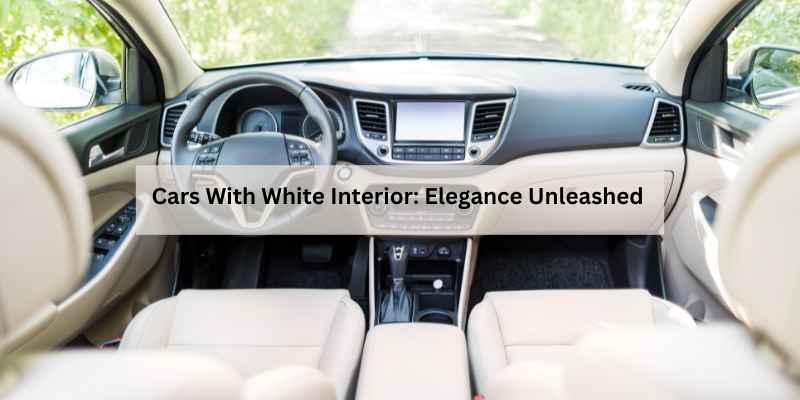
You spot it across the dealership floor: a cabin wrapped in ivory leather, stitching so clean it looks like a tailored suit. It feels expensive. It photographs beautifully. Then your brain does the math on coffee spills, blue jeans, and the muddy dog, and you walk back to the black-on-black crossover you’ve owned three times before.
That hesitation is fair. White interiors have a reputation for being high-maintenance, and some of that reputation is earned. But the landscape has changed. Modern ceramic coatings, better leather sealants, and smarter fabric choices have made light cabins far more livable than they were a decade ago. This guide walks through what actually goes wrong, which models do it best, and whether the aesthetic is worth the upkeep for your specific lifestyle.

CAR GUYS
CAR GUYS Super Cleaner | Interior Car…
- POWERFUL ON DIRT, GRIME & TOUGH STAINS – Our concentrated formula cuts through embedded dirt, oil, grease, and stains other interi…
- ONE BOTTLE FOR LEATHER, CARPET, UPHOLSTERY & MORE – How many surfaces does it cover? Leather, upholstery, carpet, fabric, vinyl, p…
- LEAVES ZERO RESIDUE — CLEAN FINISH – Most interior car cleaners leave a sticky film or greasy feel behind. Super Cleaner lifts the…
You’ll leave knowing exactly which cars with white interior deserve your attention, which ones you should skip if you have toddlers, and the precise cleaning habits that separate a pristine cabin from a stained disaster.
When you do commit to a light interior, keep a dedicated cleaner like the CarGuys Super Cleaner kit in the door pocket. It handles leather, carpet, and vinyl with one bottle, which means you don’t need a separate product for every surface. We’ll come back to the full routine later.
Why White Interiors Are Trending in 2026
Walk through any major auto show and you’ll notice a shift. Automakers are moving away from the monochrome black cabins that dominated the last two decades. The push comes from two directions: electric vehicle brands trying to signal a clean, futuristic identity, and luxury marques chasing the bespoke feel that light-colored upholstery provides.
Tesla made white seats a signature option on the Model S and Model X years ago. That choice filtered down through the industry. Now you see cream and ivory options on mainstream SUVs like the Hyundai Palisade and Kia Telluride, not just on six-figure executive sedans. The trend also aligns with interior color trends in architecture and furniture, where lighter tones read as calm and spacious.
There’s a practical argument too. Light cabins reflect heat instead of absorbing it. In a black car with black leather, surface temperatures can hit 160 degrees on a summer afternoon. White leather runs noticeably cooler, which matters if you park outside in Phoenix or Dallas. That single factor pushes many buyers toward light upholstery regardless of style preferences.
The Real Risks (And How to Mitigate Them)
Staining, Dye Transfer, and Sun Damage
The three enemies of white leather are predictable: dark clothing, spilled liquids, and UV rays. Dye transfer is the sneakiest one. New dark jeans treated with indigo dye will rub off on light seats within the first few wears. You won’t see it happening, but after a month of daily commutes, you’ll notice a faint blue tint on the bolsters.
Sun damage works differently. UV light breaks down the topcoat of leather over time, causing yellowing or a chalky, dry texture. This isn’t a stain you can wipe away; it’s a chemical change in the material. Parking in a garage or using a quality windshield sunshade dramatically slows this process. Leather conditioners with UV protection help, but they’re not a substitute for shade.
Stains from food and drink are actually the easiest problem to solve, provided you act fast. Coffee, soda, and ketchup are water-based, so they lift with a damp microfiber cloth and a mild cleaner. The damage happens when spills sit for days and set into the grain. Treat every spill like a five-minute emergency and you’ll prevent 90 percent of permanent marks.
The 5-Minute Daily Habit That Keeps White Leather Pristine
Here’s the routine that matters more than any expensive product: a quick wipe-down at the end of each day. Keep a microfiber towel and a spray bottle of diluted cleaner in the trunk. When you get home, spend five minutes wiping the seat bolsters, the armrest, and the steering wheel. That’s it.
This daily pass prevents the buildup of body oils, which attract dirt and cause leather to darken unevenly. It also catches dye transfer early, before it bonds to the surface. Once a week, do a deeper clean with a dedicated leather product like the CarGuys Super Cleaner. Spray it on a towel, not directly on the seat, and wipe in gentle circles. The no-rinse formula means you’re done in under ten minutes.
One honest caveat: this habit requires consistency. If you’re someone who cleans the car once a season, white leather will punish you. Black hides neglect; white exposes it.
The Best Cars with White Interior by Category
Luxury Sedans (Lexus LS, Genesis G90, Audi A8)
The Lexus LS offers a white interior option that uses semi-aniline leather, which feels softer than the standard stuff but requires more care. The Genesis G90’s white and navy two-tone cabin is one of the best-looking interiors under $100,000. Audi’s A8 offers a pearl beige option that leans more cream than stark white, which helps hide minor dirt.
All three use high-quality leather with protective topcoats. The real difference is in the details. Genesis and Lexus include ventilated seats as standard on their top trims, which reduces sweat buildup on hot days. That matters because sweat is salty and acidic, and it breaks down leather finishes faster than plain water.
Electric SUVs (Rivian R1S, Tesla Model X, Kia EV9)
Rivian’s Ocean Coast interior pairs white leather with light wood trim, creating a cabin that feels like a modern loft. Tesla’s white seats use a synthetic vegan leather that’s surprisingly durable and easy to wipe clean. The Kia EV9 offers a light gray option that’s slightly darker than pure white, striking a balance between aesthetics and practicality.
Tesla owners report that the white vegan leather resists dye transfer better than genuine leather, mostly because it has a smooth, non-porous surface. The trade-off is that it can feel less luxurious to the touch. Rivian uses real leather, so it needs the same care as any premium cabin.
Family-Friendly Options (Mazda CX-90, Hyundai Palisade, Kia Telluride)
Here’s where things get tricky. The Mazda CX-90 offers a white interior that looks stunning in photos, but it’s a genuine leather seat in a vehicle designed for family hauling. The Palisade and Telluride offer light gray and beige options that are more forgiving than pure white.
If you have kids under ten, skip the pure white and go for the light gray. It gives you 80 percent of the bright, airy feel without the heart-stopping moment when a juice box explodes in the back seat. For families with older kids or no kids, the CX-90’s white interior is a legitimate option, especially with the daily wipe-down habit.
Ultra-Premium Statements (Rolls-Royce Phantom, BMW 7 Series)
At this level, white interiors are less about practicality and more about personal expression. Rolls-Royce offers an almost unlimited range of leather colors, including a stark white that looks like fresh snow. The BMW 7 Series has a white and blue two-tone option that feels modern without being sterile.
These cars typically live in garages and get detailed professionally, so maintenance is less of a concern. The bigger issue is resale: a white interior on an ultra-luxury car can be polarizing. Some buyers love it; others see it as a liability. That’s a consideration if you plan to sell within three years.
White vs. Two-Tone: Which Is Smarter?
Full white interiors look incredible in showrooms but demand constant attention. Two-tone options, which pair white seats with dark dashboards and carpets, offer most of the aesthetic benefit with a fraction of the risk. The dark dash and floor hide the dirt that accumulates from shoes and sun exposure, while the light seats provide the visual contrast.
Cream and light gray are the smart middle ground. They read as white in most lighting conditions but contain enough pigment to mask minor stains and dye transfer. If you’re on the fence, test both options in person. Sit in the car, run your hand across the seats, and imagine a spilled latte on the center console. Your gut reaction will tell you which choice fits your tolerance for upkeep.
| Interior Type | Visual Impact | Maintenance Level | Stain Visibility | Best For |
|---|---|---|---|---|
| Full White | Maximum brightness, premium feel | High – daily wipe-downs required | Very high – every mark shows | Garage-kept cars, no kids, detailing habits |
| Two-Tone (White Seats, Dark Dash) | High contrast, modern look | Moderate – focus on seats only | Moderate – dash and carpets stay clean | Daily drivers, office commuters |
| Cream / Ivory | Warm, soft luxury feel | Moderate – slightly more forgiving | Medium – hides minor scuffs | Luxury sedans, executive cars |
| Light Gray | Bright but understated | Low – closest to black in maintenance | Low – best stain masking | Families, SUVs, practical buyers |
How White Interiors Affect Resale Value (Data Included)
The common assumption is that white interiors hurt resale because they look worn. Data from auction reports suggests the reality is more nuanced. On mainstream vehicles, light gray and beige interiors hold value slightly better than black, because they appeal to a broader range of buyers. Pure white, however, can be a liability if it shows wear.
On luxury cars, the opposite is true. A well-maintained white interior on a Mercedes S-Class or Porsche Panamera can command a premium, because those buyers specifically seek out the light cabin for its rarity. The key phrase is ‘well-maintained.’ A stained white interior tanks the value by more than a stained black one, because the repair cost is higher.
The practical takeaway: if you keep the interior clean, white won’t hurt you at resale. If you let it go, you’ll pay the penalty. For more on how exterior color choices interact with value, check our guide on white cars with black roofs.
Owner Reviews: What Real Drivers Say After 12 Months
Forum threads on Tesla and Rivian owners are surprisingly positive about white interiors. A common theme: the first scratch hurts, then you get over it. One Model Y owner noted that after a year and 20,000 miles, the white vegan leather looked nearly new, with only minor discoloration on the driver’s side bolster.
Lexus owners report the opposite experience with semi-aniline leather. It feels amazing, but it’s more absorbent. One LS 500 owner on a Lexus forum described a blue ink stain from a pen that required professional extraction. The lesson: premium soft leather requires premium care.
Family SUV owners are the most candid. Several Palisade owners with light gray interiors said they’d buy the same option again, but they’ve banned eating in the car and keep a cleaner in the glovebox. The consensus across forums is that white interiors reward diligent owners and punish everyone else.
Final Verdict: Is a White Interior Worth It?
It depends entirely on your habits and environment. If you park in a garage, don’t wear raw denim, and can commit to a five-minute daily wipe-down, a white interior will elevate every drive. The cabin feels larger, cooler, and more special than any black interior.
If you park on the street, have young kids, or treat car cleaning as a quarterly chore, choose light gray or a two-tone option. You’ll get the bright aesthetic without the constant anxiety.
Climate matters too. In hot regions like Arizona or Texas, white interiors are a genuine comfort upgrade. In rainy, muddy climates, they’re a constant battle against tracked-in grime. Be honest with yourself about which environment you live in.
- White interiors reflect heat and stay cooler, making them practical in hot climates.
- Daily five-minute wipe-downs prevent 90% of permanent stains and dye transfer.
- Light gray and two-tone options offer similar aesthetics with far less maintenance risk.
- Pure white can boost resale on luxury cars only if kept pristine.
- Always use a cleaner safe for leather, carpet, and vinyl to avoid surface damage.
- Garage parking is the single biggest factor in keeping white leather looking new.
- Test the interior in person; photos never show how much upkeep you’ll tolerate.
Frequently Asked Questions
Do white car seats show dirt easily?
Yes, more than any other color. Dust, body oils, and dye from dark clothing show up quickly. The countermeasure is frequency: a quick wipe-down every few days prevents buildup. Light gray hides dirt significantly better than pure white.
Can you remove blue jean stains from white leather?
Usually, yes, if caught early. A mild leather cleaner on a microfiber towel will lift fresh dye transfer. Set-in stains may require a specialized leather dye remover or professional detailing. Avoid harsh brushes, which can scratch the leather surface.
Is white leather harder to maintain than white fabric?
No. White leather is easier to clean than white fabric. Leather is non-porous, so spills sit on the surface and wipe off. Fabric absorbs liquids and stains permanently. Leather requires conditioning to prevent cracking, but daily cleaning is simpler.
Do white interiors make a car feel more spacious?
Visually, yes. Light colors reflect more light, which makes the cabin feel airier and larger. This is a well-documented design principle. It’s especially noticeable in smaller cars or SUVs with dark headliners.
Are white interiors available on non-luxury cars?
Increasingly, yes. Mainstream brands like Hyundai, Kia, and Mazda offer light gray or beige interiors on mid-tier trims. Pure white is still mostly reserved for luxury and electric vehicle brands, but the gap is closing. Check the specific trim level, as light interiors are often bundled with premium packages.
Products related to this article
Sponsored / affiliate links. As an Amazon Associate I earn from qualifying purchases. I may earn additional commission from eligible campaigns.