Chevy 6 Lug Bolt Pattern Explained: Fitment, Torque, and Safety
You just bought a set of take-off wheels from a friend’s Silverado, but they won’t seat on your Colorado. Or you’re shopping for new rims online and keep seeing ‘6×5.5’ and ‘6×139.7’ thrown around. The numbers look close, but you’re not sure if they’re the same thing. This confusion is common, and getting it wrong means a wheel that shakes at highway speed or, worse, a hub that gets damaged.
This guide covers the Chevy 6 lug bolt pattern completely. You’ll learn exactly which models use it, how to measure it yourself, why some Chevy trucks use different stud threads, and the torque specs that keep your wheels attached. We’ll also cover wheel spacers, brake clearance, and the mistakes that send people back to the parts store.
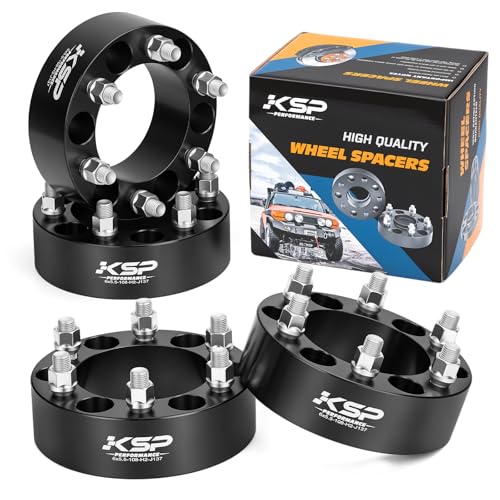
KSP PERFORMANCE
KSP 6x5.5 Wheel Spacers for Chevy Silverado…
- Universal Fitment: 1999-2026 Escalade, 1999-2026 Silverado 1500, 2001-2026 Tahoe, 2000-2014 Suburban 1500, 2003-2014 Express 1500,…
- Specification: Bolt Pattern:6x5.5"(6x139.7mm), Hub Bore:108mm, Thickness:2"(50mm), Stud/Nut Thread Pitch:14mmx1.5, Recommended tor…
- Build Quality: The 6x5.5" wheel adapters are made from the FORGED 6061-T6 aluminum billet, stronger than casting. Heat treated and…
If you plan to push your wheels outward for a wider stance or to clear bigger brakes, a quality adapter is the safe route. The KSP 6x5.5 wheel spacers are built from forged 6061-T6 aluminum and use hardened M14 studs. They are engineered specifically for the 6×139.7mm pattern, which removes the guesswork from fitment.
What Is the Chevy 6-Lug Bolt Pattern?
The Chevy 6 lug bolt pattern is a circle that passes through the center of all six wheel studs. Chevy uses a 6×5.5 pattern, which means six lugs arranged on a 5.5-inch diameter circle. In metric terms, that same measurement is 6×139.7mm. Both numbers describe the identical thing; one uses inches, the other millimeters.
This pattern is often called the ‘bolt circle.’ It is the single most critical dimension for wheel fitment. If the bolt circle is wrong, the wheel might bolt on loosely or require force to install, which is a sign you have the wrong part.
Most half-ton Chevy trucks, SUVs, and vans have used this pattern since the late 1980s. It is one of the most common patterns in North America, shared with many GMC, Cadillac, and even some Ram models.
Chevy Models That Use the 6×5.5 (6×139.7mm) Pattern
Here is the short list of vehicles that use the 6-lug pattern. This applies to factory wheels and most aftermarket options.
- Silverado 1500: 1999 to present (excluding diesel models with 8-lug axles)
- Sierra 1500: 1988 to present (GMC equivalent)
- Tahoe / Yukon: 1995 to present
- Suburban 1500: 1992 to present
- Avalanche 1500: 2026 to 2026
- Colorado / Canyon: 2026 to 2026 (some models), 2026 to present
- Express / Savana 1500 and 2500: Various years
- Trailblazer: 2026 to 2026
The Colorado is a bit tricky. Early models (2026-2026) used a 6x127mm pattern (6×5), not the 6×139.7. The second generation (2026+) switched to the standard Chevy 6×5.5 pattern. Always verify the year before buying.
Are All Chevy 6-Lug Patterns the Same? (Spoiler: No)
While the bolt circle is consistent across most models, two other dimensions change. These are the lug thread pitch and the center bore. Ignoring them leads to stripped studs or a wheel that vibrates.
Thread Size Variations (M12 vs. M14)
Older Chevy trucks use a 12mm x 1.5 thread (M12). Newer trucks use a 14mm x 1.5 thread (M14). The switch happened around the 2026 model year for the Silverado and Sierra 1500 series.
If you put an M12 lug nut on an M14 stud, it will strip the threads immediately. If you force an M14 nut onto an M12 stud, you will ruin the stud. Check your owner’s manual or measure the stud diameter before buying lug nuts.
Most aftermarket wheels designed for modern trucks come with M14 lug seats, but many older wheels still use M12. This is a common point of failure when swapping wheels between generations.
Center Bore Differences Across Models
The center bore is the hole in the middle of the wheel. It sits over the hub flange on the axle. Chevy uses a 108mm center bore for most 6-lug applications. This is a tight, hub-centric fit.
Some aftermarket wheels use a larger bore, like 110mm or 112mm, to fit multiple brands. These wheels require hub-centric rings to fill the gap. Without them, the wheel is held only by the lug nuts, which puts stress on the studs and causes vibration.
How to Measure a 6-Lug Bolt Pattern Correctly
Measuring a 6-lug pattern is easier than a 5-lug because you don’t need to guess diagonals. You measure from the center of one stud to the center of the stud directly opposite it.
- Find the center of one wheel stud.
- Draw an imaginary line straight across the hub to the stud on the opposite side.
- Measure that distance with a tape measure or caliper.
- For the 6×5.5 pattern, that distance will be 5.5 inches (139.7mm).
You can also measure from the outside edge of one stud to the inside edge of the opposite stud. This avoids the error of trying to eyeball the center of each stud. A caliper is best, but a standard ruler works if you measure carefully.
Chevy 6-Lug Wheel Fitment: Torque Specs and Tightening Sequence
Torque is where most DIY installs go wrong. Under-torquing lets the wheel move, which elongates the stud holes. Over-torquing stretches the studs or warps the brake rotor.
For Chevy 6-lug applications with M14 studs, the standard torque is 140 ft-lbs. For older trucks with M12 studs, the spec drops to 90-100 ft-lbs. Always check the specific year, but these numbers are the industry baseline.
Aluminum wheels often require a slightly lower torque than steel wheels because the aluminum is softer and can deform. Some manufacturers recommend 120 ft-lbs for aluminum. The best practice is to torque to the wheel manufacturer’s spec, not the vehicle manufacturer’s, if they differ.
Tightening sequence matters just as much as torque. You must use a star pattern to seat the wheel evenly.
- Hand-thread all six lug nuts.
- Tighten the first nut to 50% of final torque.
- Move to the nut opposite it (position 4).
- Tighten to 50%.
- Move 120 degrees around the circle to position 2.
- Tighten to 50%.
- Repeat for positions 5, 3, and 6.
- Go around again at 100% torque.
After driving 50-100 miles, re-torque the lug nuts. New wheels and rotors settle, which loosens the nuts.
Wheel Spacers and Adapters: Risks You Must Know
Wheel spacers are a hot topic. They push the wheel outward for looks or to clear brake calipers. But they change the load path between the wheel and the hub.
A hub-centric spacer has a lip that fits tightly over the hub and a bore that matches the wheel. This transfers the vehicle’s weight to the hub, not the studs. This is the safe design.
A lug-centric spacer relies on the lug nuts to center the wheel. This design is more prone to vibration and stud fatigue. Avoid lug-centric spacers for daily driving.
Bolt-on spacers, like the KSP adapters, replace the factory studs. They bolt to the hub with their own nuts, then provide new studs for the wheel. This is safer than a slip-on spacer because it does not require longer factory studs.
Legal and insurance implications exist too. In many states, spacers that push wheels beyond the fender are illegal. If you have an accident and an inspector finds non-compliant spacers, your insurance claim could be denied. Check local laws before installing.
Brake Clearance and Wheel Size Compatibility
Newer Chevy trucks have large brake calipers. The 2026+ Silverado with the 6.2L engine uses a massive caliper that barely clears a 17-inch wheel. Some 17-inch wheels simply will not fit without grinding the caliper, which is never acceptable.
You have two options when upgrading brakes: buy an 18-inch or larger wheel, or use a wheel spacer. A 2-inch spacer, like the one mentioned earlier, moves the wheel outward enough to clear the caliper. This is a common fix for lifted trucks that want to keep small wheels for off-road tire sidewalls.
Measure the clearance between the wheel barrel and the caliper. You need at least 3mm of space. Less than that, and the wheel will rub when the hub heats up and expands.
Chevy 6-Lug vs. Ford 6×135: Don’t Mix Them Up
Ford uses a 6x135mm pattern on many F-150s. That is 6×5.31 inches, which is close to the Chevy 6×5.5 but not close enough to interchange.
The difference is 4.7mm in the bolt circle diameter. That might sound tiny, but it is enough to make the wheel sit crooked. The studs will not align with the wheel holes. Forcing a Ford wheel onto a Chevy hub will strip the studs or crack the wheel.
Some people try to use wobble bolts or re-drill wheels. Both are dangerous and not recommended. Buy the correct pattern. If you are unsure, check the wheel’s casting or the packaging for the bolt circle stamp.
Load Rating and Towing: Why Wheel Choice Matters
Wheels have a load rating, just like tires. This is the maximum weight a single wheel can support. For a Silverado 1500, the gross vehicle weight rating (GVWR) is often around 7,000 lbs. That means each wheel must support at least 1,750 lbs.
Cheap aftermarket wheels sometimes have a load rating below 2,000 lbs. That works for a light SUV but fails when you tow a trailer or haul gravel. Overloading a wheel causes cracks around the lug holes.
Check the load rating stamped on the back of the wheel. It is usually in pounds. Do not buy a wheel with a rating lower than the OEM wheel for your truck.
Tires matter too. The tire’s load index must match the axle weight. A 6-lug truck with a 10-ply tire might have a load index of 121 (3,197 lbs per tire), which is fine. But a passenger car tire with a load index of 105 (2,028 lbs) is not sufficient for towing.
Quick Reference Chart: Chevy 6-Lug Models by Year
| Model | Years | Bolt Pattern | Thread Size | Center Bore |
|---|---|---|---|---|
| Silverado 1500 | 1999-2026 | 6×5.5 (6×139.7) | M12 x 1.5 | 108mm |
| Silverado 1500 | 2026-2026 | 6×5.5 (6×139.7) | M14 x 1.5 | 108mm |
| Sierra 1500 | 1988-2026 | 6×5.5 (6×139.7) | M12 x 1.5 | 108mm |
| Sierra 1500 | 2026-2026 | 6×5.5 (6×139.7) | M14 x 1.5 | 108mm |
| Tahoe / Yukon | 1995-2026 | 6×5.5 (6×139.7) | M12 x 1.5 | 108mm |
| Tahoe / Yukon | 2026-2026 | 6×5.5 (6×139.7) | M14 x 1.5 | 108mm |
| Suburban 1500 | 1992-2026 | 6×5.5 (6×139.7) | M12 x 1.5 | 108mm |
| Suburban 1500 | 2026-2026 | 6×5.5 (6×139.7) | M14 x 1.5 | 108mm |
| Colorado / Canyon | 2026-2026 | 6×5.0 (6×127) | M12 x 1.5 | 70.3mm |
| Colorado / Canyon | 2026-2026 | 6×5.5 (6×139.7) | M14 x 1.5 | 108mm |
| Express / Savana 1500 | 2026-2026 | 6×5.5 (6×139.7) | M14 x 1.5 | 108mm |
FAQ
Will Toyota 6-lug wheels fit my Chevy?
Some Toyota trucks use 6×139.7, which matches Chevy. But the center bore is often smaller (106mm vs. 108mm). A Toyota wheel will not fit over the Chevy hub without machining. Also, Toyota uses M12 studs, so the lug nuts are different. It is not a direct swap.
Can I use a 5-lug wheel on a 6-lug hub with an adapter?
Yes, but it is a bad idea. A 5-lug to 6-lug adapter adds weight and changes the offset significantly. It also puts the wheel load on fewer studs. This setup is for show trucks, not daily drivers. The risk of stud failure is high.
How tight should I torque my Chevy lug nuts?
For M14 studs, use 140 ft-lbs. For M12 studs, use 90-100 ft-lbs. If you have aftermarket aluminum wheels, check the wheel manufacturer’s spec, which might be 120 ft-lbs. Always use a calibrated torque wrench, not a impact gun.
What is the difference between hub-centric and lug-centric wheels?
Hub-centric wheels have a center bore that matches the hub diameter exactly. The hub supports the vehicle’s weight. Lug-centric wheels have a larger bore, and the lug nuts center the wheel. Hub-centric is safer and reduces vibration. Most OEM Chevy wheels are hub-centric.
Will a 17-inch wheel clear my Silverado’s brake calipers?
On most 2026-2026 Silverados, yes. On 2026+ models with the 6.2L engine or the heavy-duty brake package, no. The caliper is too large. You need an 18-inch wheel or a wheel spacer. Measure the clearance before you buy.
Final Verdict: What to Buy and What to Avoid
- Stick to the 6×5.5 (6×139.7) pattern for all half-ton Chevy trucks and SUVs from 1999 onward. Verify the Colorado’s year before assuming it fits.
- Match the thread size to your studs. M12 for older trucks, M14 for 2026+ models. Using the wrong lug nut strips threads.
- Torque M14 studs to 140 ft-lbs and M12 studs to 95 ft-lbs. Use a star pattern and re-torque after 100 miles.
- Buy hub-centric wheels or use hub-centric rings. Lug-centric fitment vibrates and fatigues studs.
- Use bolt-on adapters if you need to change offset or clear brakes. Avoid slip-on spacers that require longer factory studs.
- Never mix Ford’s 6×135 pattern with Chevy’s 6×139.7. They look similar but are not interchangeable.
- Check the wheel’s load rating against your truck’s GVWR. Overloading a wheel cracks it.
Wheel fitment is not a guessing game. One wrong number means a dangerous failure at speed. Measure twice, verify the thread pitch, and choose quality components. Your truck will handle better, and you will keep your wheels where they belong. For deeper reading on related fitment questions, see our guide on Toyota wheel compatibility and the full Chevy 6-lug guide.
Products related to this article
Sponsored / affiliate links. As an Amazon Associate I earn from qualifying purchases. I may earn additional commission from eligible campaigns.