Disinfectant Wipes for Leather Car Seats: Which Ones Are Actually Safe
Not every disinfectant wipe is safe for leather car seats. Most general-purpose disinfectant and cleaning wipes — including popular household brands and even some all-purpose “car cleaning” wipes — rely on alcohol or bleach to kill germs, and both ingredients strip leather’s natural oils. Over time that leaves seats dry, stiff, and prone to cracking. The safe choice is a wipe formulated specifically for leather, one that cleans and conditions instead of just sanitizing.
Below is what actually works on leather, why alcohol-based wipes cause damage, and how to disinfect leather seats without ruining them.
Which Disinfectant Wipes Are Actually Safe for Leather Car Seats?
The difference comes down to the formula, not the marketing on the label. A wipe labeled “disinfectant” or “car cleaning” is not automatically leather-safe — it depends on what’s inside:
- Safe for leather: Wipes formulated specifically for leather, which clean and condition using mild surfactants instead of alcohol or bleach. These are made to sit on treated leather without breaking down the finish.
- Not safe for leather: General household disinfectant wipes (the kind made for countertops and doorknobs), alcohol-based sanitizing wipes, and most all-purpose automotive cleaning wipes that are designed for dashboards, vinyl, and plastic trim rather than leather.
Armor All is a good example of why this distinction matters. The brand sells several different wipe products, and only one of them — its dedicated Leather Wipes — is actually formulated for leather seats.
SAFE FOR LEATHER — OUR PICK
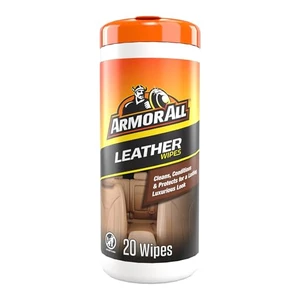 |
Armor All Car Leather Wipes (20 Count) – $5.99 Formulated specifically for leather, this wipe cleans, conditions, and protects without the alcohol or bleach that dries out other disinfectant wipes.
|
Why Alcohol-Based Disinfectant Wipes Can Damage Leather
Alcohol is an effective disinfectant because it dissolves oils and dehydrates cell membranes — which is exactly the problem for leather. Leather stays supple because it retains natural and applied oils in its fibers. Alcohol (and bleach, or hydrogen peroxide) strips those oils out on contact. A single wipe-down usually won’t ruin a seat, but repeated use of alcohol-based wipes gradually dries the leather, leading to a stiff feel, a duller finish, and eventually visible cracking — especially on older or unsealed leather that has less protective coating to begin with.
This is also why household brands like Clorox and Lysol disinfecting wipes, while fine for hard plastic surfaces, are a poor choice for leather seats even though they’re marketed as safe for “multiple surfaces.” Automotive leather is thinner and more exposed to heat and UV than most household surfaces, which makes it more vulnerable to drying out.
What About Armor All’s Other Wipes?
It’s easy to assume any wipe from a trusted car-care brand is fine on any surface, but Armor All itself draws a clear line here. Its general Car Cleaning Wipes and Car Disinfectant Wipes are built for dashboards, vinyl, cupholders, plastic trim, and other non-leather surfaces — the brand does not recommend them for leather. Only the Leather Wipes line is formulated for leather seats specifically. If you already own a canister of the general-purpose wipes, they’re still useful for the rest of your interior; just switch to a leather-specific wipe once you get to the seats.
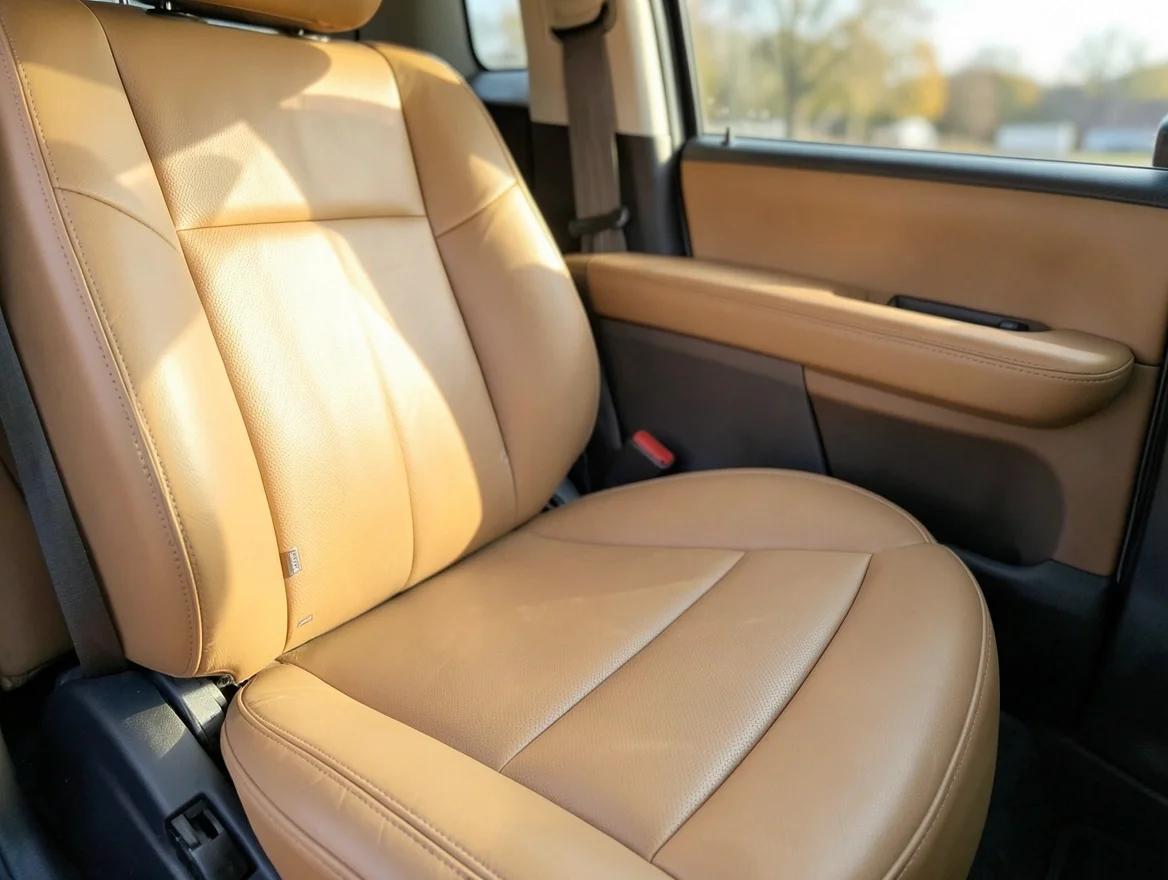
How to Safely Disinfect Leather Car Seats
- Vacuum first. Clear loose dirt and crumbs from the seams before wiping so you’re not grinding grit into the leather.
- Spot-test. Wipe a small, hidden area (like the underside of the headrest) and let it dry before treating the whole seat, especially on aftermarket dyed or aniline leather.
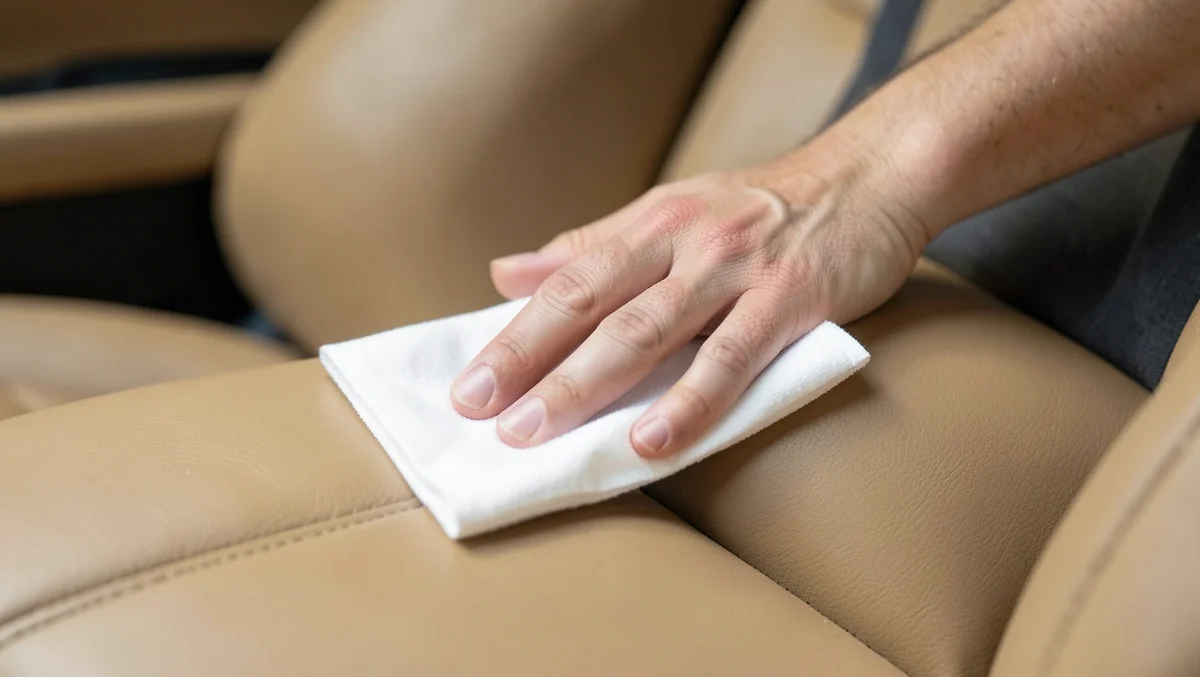
- Wipe with a leather-specific product. Use a leather wipe (not a general disinfectant wipe) and work in sections, following the grain of the stitching.
- Let it air-dry out of direct sun. Parking in direct sunlight right after cleaning speeds up drying and can accelerate cracking on any leather that’s been recently wiped.
- Condition periodically. Many leather wipes include a conditioner, but if you’re using a cleaner without one, follow up with a separate leather conditioner every few months to replace lost oils.
- For a deeper disinfect, use mild soap and water. If you need to kill germs after an illness or a pet accident and don’t have a leather-safe wipe on hand, a diluted pH-neutral soap and a soft microfiber cloth is the safer fallback — rinse with a barely damp cloth afterward and dry thoroughly.
Want the full walkthrough, including how to tell what type of leather you have before choosing a cleaning method? See our complete guide on how to disinfect leather car seats.
Frequently Asked Questions
Are Disinfectant Wipes Safe for Leather Car Seats?
Only if the wipe is formulated specifically for leather. General disinfectant and household cleaning wipes usually contain alcohol or bleach, which strip leather’s natural oils and can dry it out or cause cracking over time. Look for a product labeled for leather use, and always spot-test first.
Can I Use Clorox or Lysol Wipes on Leather Car Seats?
It’s not recommended. Clorox and Lysol wipes are alcohol-based and made for hard, non-porous household surfaces. On leather, the alcohol content can strip away natural oils and dull the finish with repeated use. A leather-specific wipe or a mild soap-and-water solution is a safer choice.
How Often Should I Clean Leather Seats With Wipes?
Once a week is a reasonable baseline for light maintenance, and more often if the seats see heavy use from kids, pets, or frequent passengers. Follow any wipe-down with conditioning every few months so the leather doesn’t dry out from repeated cleaning.
Can Disinfectant Wipes Remove Stains From Leather?
Leather-specific wipes can lift light surface stains, but they aren’t a deep-cleaning solution. For set-in stains, you’ll usually need a dedicated leather cleaner or professional detailing. Always test any product in an inconspicuous spot first to make sure it doesn’t discolor the leather.
Do Leather Wipes Actually Kill Bacteria?
Most leather-specific wipes are marketed as cleaners and conditioners rather than registered disinfectants, so they remove dirt and surface grime but aren’t guaranteed to kill bacteria or viruses the way an alcohol-based product would. If true disinfection is the goal, a mild soap-and-water clean followed by thorough drying is the safer approach for leather.
How Do I Store Leather Wipes Properly?
Keep the canister sealed and stored in a cool, dry place away from direct sunlight or heat — a hot glovebox or trunk will dry the wipes out faster. Always press the lid closed fully after each use so the remaining wipes stay moist and ready to use.
Conclusion
The wipe matters more than the word “disinfectant” on the label. General household and all-purpose car cleaning wipes are usually alcohol-based and can dry out leather over time, while a wipe formulated specifically for leather — like Armor All’s dedicated Leather Wipes — cleans and conditions without that risk. When you do need a genuine disinfecting clean, a mild soap-and-water wipe-down is the safer route for leather than reaching for a household sanitizing wipe.
Products related to this article
Sponsored / affiliate links. As an Amazon Associate I earn from qualifying purchases. I may earn additional commission from eligible campaigns.