Car Alternator Replacement Guide: Signs, Cost and Top Picks
A car alternator recharges the battery and powers every electrical system while the engine runs. When it starts failing, you will usually see dimming lights or a dashboard warning before the battery finally dies.
Alternators are not universal parts — amperage output, pulley type, and the connector layout all have to match your specific engine. This guide covers the warning signs of a failing alternator, what a real replacement costs, and alternator picks that actually fit GM, Honda, Acura, Chrysler, Dodge, and VW vehicles, rather than a generic “one size fits all” recommendation.
What Does a Car Alternator Actually Do?
The alternator is belt-driven off the engine’s crankshaft and converts mechanical rotation into electrical current. Internally it produces alternating current (AC), which a set of diodes then rectifies into the direct current (DC) your car’s 12-volt electrical system actually uses. That current recharges the battery and simultaneously powers the headlights, dashboard electronics, infotainment system, power windows, and ignition while the engine is running.
The battery’s only real job is starting the engine and briefly covering electrical loads before the alternator spins up. Once the engine is running, a healthy alternator is what is actually keeping everything powered — which is why a bad alternator usually looks like “battery problems” that a new battery does not fix.
Signs Your Alternator Is Failing (Not the Battery)
Alternator failure and battery failure can look similar, but a few specific symptoms point more toward the alternator itself:
- Dimming or flickering lights — headlights or dashboard lights that dim when you turn on the AC, radio, or headlights at the same time, especially at idle.
- A battery warning light on the dashboard, which on most cars actually monitors charging system voltage, not battery condition directly.
- A growling, whining, or grinding noise from the front of the engine, often from worn internal bearings.
- A repeatedly dead battery even after the battery itself tests fine — this points to the alternator not recharging it properly.
- A smell of burning rubber or hot electrical components, which can mean a slipping serpentine belt or an overheating alternator.
- Difficulty starting or the engine stalling shortly after starting, since a failing alternator cannot keep the battery topped off.
A simple way to narrow it down: if the engine keeps running after you disconnect the battery cable briefly with the engine idling (only try this if you are comfortable working around a live electrical system), the alternator is producing power. If the engine dies immediately, the alternator likely is not charging. A mechanic can confirm this more safely with a multimeter or a load test at a parts store.
How Much Does It Cost to Replace a Car Alternator?
A replacement alternator part alone typically runs somewhere in the $100–$350 range for most everyday cars, with high-output or luxury-vehicle units running higher. Labor generally adds another 1–3 hours depending on how accessible the alternator is on your specific engine, since some transverse-mounted V6 and V8 layouts require removing other components to get it out. All-in, a shop-installed replacement commonly lands somewhere between $300 and $900, though the exact number depends heavily on your vehicle, your region’s labor rates, and whether you choose an OEM or aftermarket part. Installing the part yourself and buying only the alternator is the main way to bring that cost down toward the low end.
Best Alternator Picks by Vehicle Make
Since alternators are vehicle- and engine-specific, “best overall” is less useful than picking the right one for what you actually drive. Here is a solid, currently in-stock option for GM/Chevy V8 applications, followed by picks for Honda/Acura and Chrysler/Dodge/VW owners.
HIGH-OUTPUT PICK FOR GM V8 ENGINES
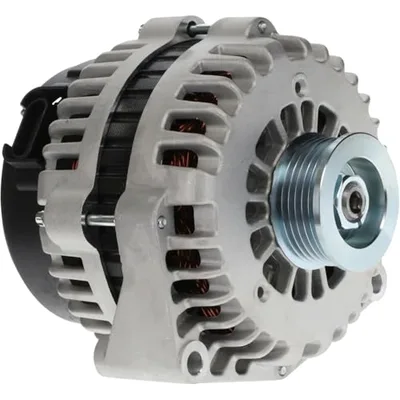 |
OEG Parts 253A High Output Alternator – $130.95 A 255-amp replacement built to fit Chevrolet Silverado 6.0L trucks and other compatible GM V8 applications that need more charging headroom than a stock unit provides.
|
If you drive a Honda or Acura instead, the BDELI 13980N is built specifically for that platform rather than adapted from a GM part. It fits the Honda Accord 2.4L (2003–2007), Civic 2.0L (2006–2011), CR-V 2.4L (2007–2011), Element (2003–2011), Acura CSX 2.0L (2006–2008), and Acura TSX 2.4L (2004–2008). It is currently in stock at $111.99 — check current price on Amazon.
For Chrysler, Dodge, Ram, or VW owners, the A-Premium 12V 160A alternator covers a wide cross-shop platform: Chrysler 200 (2011–2014), Town & Country (2011–2016), Dodge Avenger (2011–2014), Grand Caravan (2011–2020), Journey (2011–2019), Ram C/V, and VW Routan, all with the 3.6L V6 and a 6-groove pulley. It is in stock at $134.99 — check current price on Amazon.
| Alternator | Fits | Output | Price |
|---|---|---|---|
| OEG Parts 253A | Chevrolet Silverado 6.0L and compatible GM V8 applications | 255 amps | $130.95 |
| BDELI 13980N | Honda Accord, Civic, CR-V, Element; Acura CSX, TSX (specific years above) | Stock replacement rating | $111.99 |
| A-Premium 12V 160A | Chrysler 200, Town & Country; Dodge Avenger, Grand Caravan, Journey; Ram C/V; VW Routan (3.6L V6) | 160 amps | $134.99 |
None of these are universal parts — always cross-check the exact model year and engine size against the listing before ordering, since alternator brackets, pulley type, and electrical connectors changed across model generations for all three platforms.
OEM vs. Aftermarket Alternators: What to Know Before You Buy
Aftermarket alternators from established manufacturers can be just as reliable as OEM parts, and they are usually meaningfully cheaper. The tradeoff is fitment risk: a reputable aftermarket alternator built to meet or exceed OEM electrical specs should perform well, but a poorly sourced one can arrive with the wrong pulley, the wrong connector pinout, or an amperage rating that does not match what your car’s wiring and computer expect. Reading model-year-specific compatibility notes and recent buyer reviews before ordering matters more with alternators than with most other parts.
You may also see alternators, especially high-output “chrome” units aimed at street rods and performance builds, described as self-exciting or 1-wire. That design generates its own initial magnetic field internally rather than relying on a separate ignition-switched wire to “turn on” the charging process, which simplifies wiring on an engine swap or custom build. On most factory-wired daily drivers, however, a standard multi-wire alternator that matches your car’s original wiring harness is the correct replacement — 1-wire conversions are mainly relevant for custom or swapped engines, not routine replacements.
Can You Replace a Car Alternator Yourself?
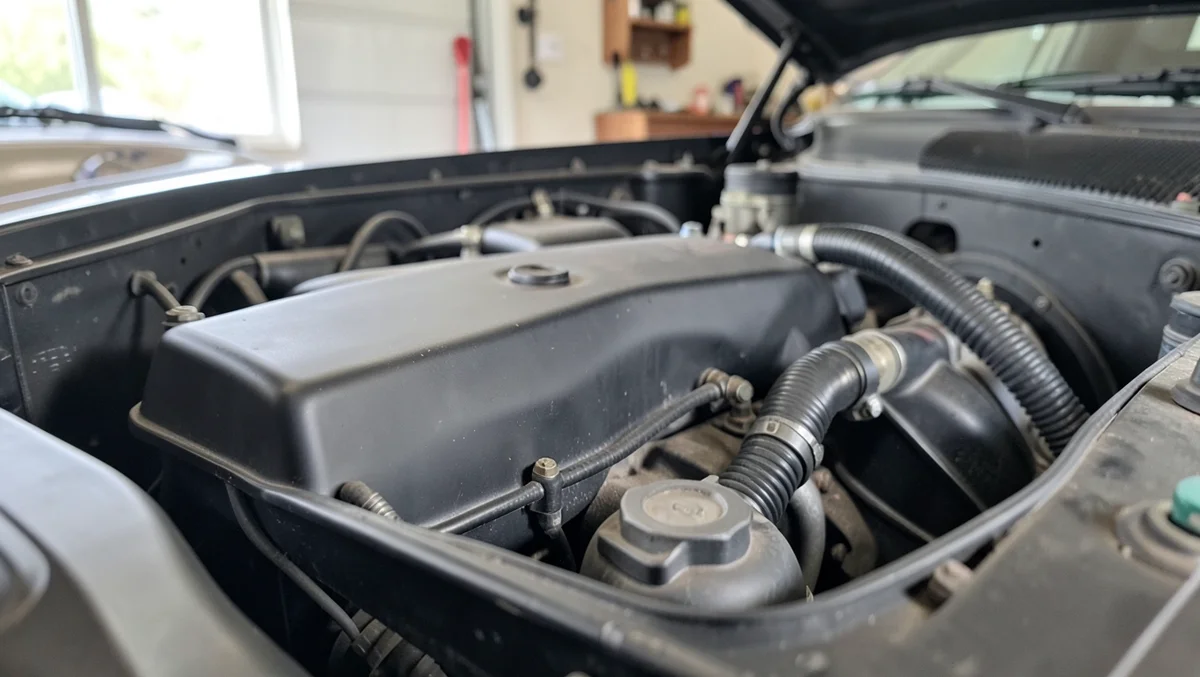
Replacing an alternator is a realistic DIY job on many vehicles if you have basic hand tools and some patience, though the difficulty varies a lot by engine layout. Before you start, it helps to know exactly where the alternator is located on your specific car, since access can range from “right on top of the engine” to “buried behind other components.”
- Disconnect the negative battery terminal first. This is the single most important safety step — the alternator’s output wire stays “hot” even with the engine off.
- Release tension on the serpentine belt using a breaker bar or belt tensioner tool, then slip the belt off the alternator pulley. A worn or glazed belt is a good time to replace it too — see our serpentine belt brand comparison if yours needs changing at the same time.
- Label or photograph the electrical connectors before unplugging them, since connector layouts vary and mixing them up can cause charging problems after the swap.
- Remove the mounting bolts, swap in the new alternator, and reverse the steps — torque the mounting bolts to spec and re-tension the belt correctly before reconnecting the battery.
If the alternator is hard to reach, if your engine bay is tightly packed, or if you are not confident diagnosing whether the problem is really the alternator versus the battery or wiring, it is worth paying a shop for diagnosis and installation rather than guessing and buying the wrong part.
Frequently Asked Questions
What Is a Car Alternator and What Does It Do?
A car alternator is a belt-driven component that converts the engine’s mechanical rotation into electrical current. It recharges the battery and powers the vehicle’s electronics while the engine runs. Without a functioning alternator, the battery quickly drains and the car will eventually stall or fail to restart.
How Do I Know My Alternator Needs Replacement?
Common signs include dimming or flickering lights, a dashboard battery or charging warning light, a growling or whining noise from the front of the engine, and a battery that keeps dying even though it tests fine on its own. If you notice these symptoms, have the charging system tested by a professional rather than assuming it is the battery.
How Much Does It Cost to Replace a Car Alternator?
The part itself typically costs $100–$350 depending on the vehicle, and professional installation usually adds 1–3 hours of labor. A shop-installed replacement commonly totals $300–$900, while installing the part yourself keeps costs closer to just the part price.
Are Aftermarket Alternators Reliable?
Aftermarket alternators from reputable manufacturers can be just as reliable as OEM parts and typically cost less. Confirm compatibility with your exact vehicle year, model, and engine before purchasing, and check recent buyer reviews, since fitment issues (wrong pulley, wrong connector, mismatched amperage) are the main risk with lower-quality listings.
What Is a Self-Exciting (1-Wire) Alternator?
A self-exciting, or 1-wire, alternator generates its own initial magnetic field internally, so it does not need a separate ignition-switched wire to start charging. This simplifies wiring on engine swaps and custom builds. Most factory-wired daily drivers use a standard multi-wire alternator instead, and that is almost always the correct replacement unless you are doing a custom engine build.
Can I Replace an Alternator Myself?
Yes, on many vehicles it is a realistic DIY job with basic hand tools. Disconnect the negative battery terminal first, release the serpentine belt, label the electrical connectors before removing them, and torque the new alternator’s mounting bolts to spec. If the alternator is hard to access on your engine, or you are unsure about diagnosis, a professional installation is the safer choice.
Bottom Line
A failing alternator usually announces itself through dimming lights, a dashboard warning, unusual noise, or a battery that will not stay charged — not through the battery itself being at fault. Once you have confirmed it is the alternator, match the replacement to your exact vehicle and engine rather than buying the cheapest listing that says “alternator,” since amperage, pulley type, and connector layout all have to line up for the swap to work correctly.
Products related to this article
Sponsored / affiliate links. As an Amazon Associate I earn from qualifying purchases. I may earn additional commission from eligible campaigns.