Do All Cars Have Brake Fluid? A Simple Guide
I’ll never forget the first time I popped the hood of my old Honda Civic, nervous about checking the brake fluid. I was a new driver, and the idea of “hydraulic systems” sounded like rocket science! But here’s the truth: brake fluid is a key part of every car’s braking system, and understanding it is easier than you think. In this article, I’ll answer the question, do all cars have brake fluid, and share simple tips to help beginners, enthusiasts, and even advanced readers keep their brakes in top shape. You’ll learn what brake fluid does, how to check it, and why it’s so important. Let’s dive in!
What Is Brake Fluid, and Do All Cars Need It?
Brake fluid is a special liquid that helps your car stop when you press the brake pedal. It’s like the messenger that carries your foot’s force to the brakes.
Why Brake Fluid Matters
Without brake fluid, your car wouldn’t stop safely. It works in a hydraulic braking system, turning your pedal push into the force that slows your wheels.
Do All Cars Have Brake Fluid?
Yes, all cars with hydraulic brakes use brake fluid. This includes most modern cars, trucks, and SUVs. Some rare vehicles, like certain electric cars or classics, might use different systems, but 99% of cars on the road rely on brake fluid.
Types of Brake Fluid: What’s in Your Car?
Not all brake fluids are the same. Here’s a quick look at the main types you’ll find.
Common Brake Fluid Types
- DOT 3: Most common, used in everyday cars. It’s affordable and absorbs water.
- DOT 4: Stronger, with a higher boiling point for performance vehicles.
- DOT 5: Silicone-based, used in classic cars. It doesn’t absorb water.
- DOT 5.1: High-performance fluid, similar to DOT 4 but better for extreme conditions.
How to Know Which Type Your Car Needs
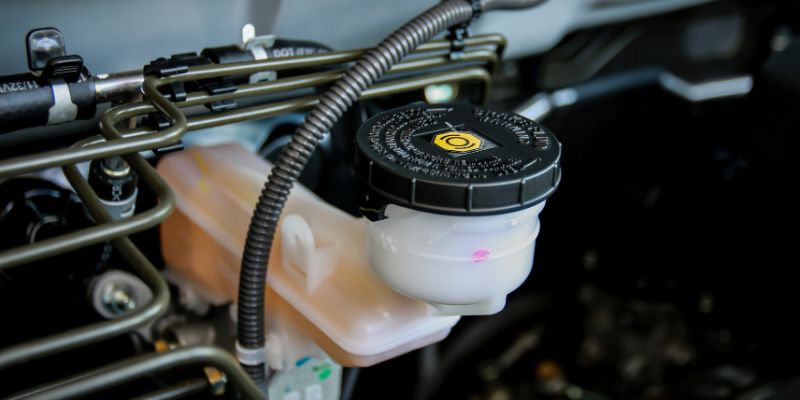
Check your car’s owner manual or the cap on the brake fluid reservoir. It’ll say something like “Use DOT 3” or “DOT 4 only.” Don’t guess—using the wrong fluid can harm your brakes
Table 1: Comparing Brake Fluid Types
| Type | Base | Best For | Boiling Point | Cost (Approx.) |
|---|---|---|---|---|
| DOT 3 | Glycol | Everyday cars | 401°F | $5-$10 |
| DOT 4 | Glycol | Performance cars | 446°F | $10-$15 |
| DOT 5 | Silicone | Classic cars | 500°F | $15-$25 |
| DOT 5.1 | Glycol | High-performance cars | 518°F | $12-$20 |
| Caption: This table shows common brake fluid types, their uses, and costs. Always check your manual for the right type. |
How Brake Fluid Works in Your Car
Brake fluid is the unsung hero of your car’s braking system. Let’s break it down simply.
The Hydraulic Braking System
When you press the brake pedal, brake fluid carries that force through tubes to your brakes. It pushes the brake pads against the wheels to stop your car.
Why It’s Special
Brake fluid doesn’t squish like air. This makes it perfect for transferring force. It also handles high heat from braking without boiling.
Visual Idea: A simple diagram showing the brake pedal, master cylinder, brake lines, and brake pads could help readers see how brake fluid flows.
How to Check Your Brake Fluid: A Step-by-Step Guide
Checking brake fluid is easy and takes just a few minutes. Here’s how I do it on my car.
Tools You’ll Need
- Clean rag
- Flashlight (optional)
- Owner’s manual (to confirm fluid type)
Steps to Check Brake Fluid
- Park your car on a flat surface and turn it off.
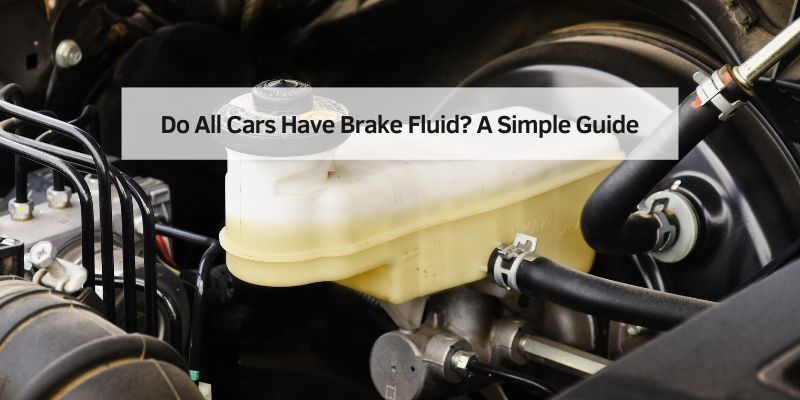
- Pop the hood and find the brake fluid reservoir (usually near the firewall, labeled “Brake Fluid”).
- Wipe the cap clean to avoid dirt getting inside.
- Check the fluid level against the “Min” and “Max” marks.
- Look at the color—fresh fluid is clear or golden, not dark or cloudy.
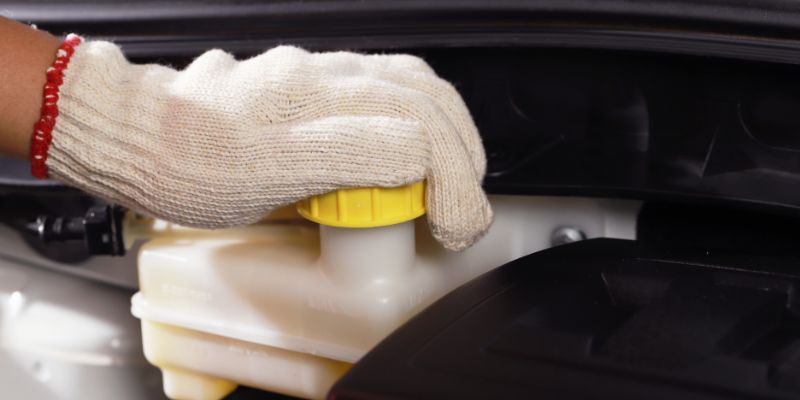
- If it’s low or dirty, don’t add fluid yourself—visit a mechanic.
Safety Tip: Never open the reservoir if you’re not sure what you’re doing. Dirt or water can ruin the system.
Why Brake Fluid Needs Regular Maintenance
Brake fluid doesn’t last forever. Here’s why you need to keep an eye on it.
It Absorbs Water
Most brake fluids (like DOT 3 and DOT 4) are hygroscopic, meaning they soak up water from the air. Water lowers the boiling point, making brakes less effective.
When to Replace It
Your owner’s manual will say how often—usually every 2 years or 30,000 miles. City driving or hard braking might mean sooner.
Table 2: Brake Fluid Replacement Costs
| Service | Cost (Approx.) | Where to Get It |
|---|---|---|
| DIY Flush | $10-$20 | At home with tools |
| Mechanic Flush | $80-$150 | Local shop |
| Dealership Flush | $100-$200 | Car dealership |
| Caption: Costs vary based on where you get your brake fluid replaced. DIY is cheapest but requires know-how. |
Common Mistakes to Avoid with Brake Fluid
I’ve made my share of brake fluid blunders! Here are mistakes to skip.
- Using the Wrong Fluid: Mixing DOT 3 with DOT 5 can damage seals.
- Ignoring Dark Fluid: Black or cloudy fluid means it’s time for a flush.
- Spilling Fluid: Brake fluid can strip paint, so be careful!
Visual Idea: A before-and-after photo of clear vs. dark brake fluid could show readers what to look for.
Benefits and Drawbacks of Brake Fluid
Brake fluid is awesome, but it has limits. Let’s weigh the pros and cons.
Benefits
- Stops Your Car: Without it, brakes don’t work.
- Handles Heat: It stays liquid even when brakes get hot.
- Prevents Rust: Additives protect your brake system.
Drawbacks
- Absorbs Water: This can lower performance over time.
- Needs Replacing: Regular maintenance adds cost.
- Can Be Messy: Spills are tough to clean and can damage paint.
My Top Tips for Brake Fluid Care
After years of tinkering with cars, here are my go-to tips for brake fluid.
- Check It Monthly: Look at the level and color during oil changes.
- Use Fresh Fluid: Only buy sealed bottles to avoid water contamination.
- Get Help if Unsure: A mechanic can flush brakes safely and quickly.
Visual Idea: A checklist graphic for brake fluid maintenance could make these tips easy to follow.
Frequently Asked Questions
Do All Cars Have Brake Fluid?
Yes, nearly all cars with hydraulic brakes use brake fluid. This includes most modern vehicles. Some rare electric or classic cars might use air or mechanical systems, but hydraulic brakes with fluid are standard. Check your owner’s manual to confirm.
What Happens If My Car Runs Out of Brake Fluid?
Your brakes won’t work properly without brake fluid. Low fluid can make the pedal soft or cause brake failure. If you see a brake warning light or low fluid, get to a mechanic fast. Don’t drive—it’s not safe
How Often Should I Replace Brake Fluid?
Replace brake fluid every 2 years or 30,000 miles. Check your owner’s manual for specifics. City driving or frequent hard braking might mean replacing it sooner. Always use the recommended fluid type.
Can I Use Any Brake Fluid in My Car?
No, you must use the right brake fluid type. Check your manual or reservoir cap for DOT 3, DOT 4, or another type. Using the wrong fluid can damage your brakes or reduce stopping power.
Why Does My Brake Fluid Look Dark?
Dark brake fluid means it’s old or contaminated. Fresh fluid is clear or golden. Dark fluid has absorbed water or dirt and needs a flush. Visit a mechanic to replace it safely.
Can I Check Brake Fluid Myself?
Yes, checking brake fluid is easy. Find the reservoir under the hood, check the level, and look at the color. Don’t open it if you’re unsure—dirt can cause problems. Use a clean rag to wipe the cap.
Is Brake Fluid Expensive to Replace?
Brake fluid replacement costs $80-$200 at shops. DIY is cheaper ($10-$20 for fluid), but you need tools and know-how. Dealerships charge more, while local shops are often budget-friendly.
Conclusion
Brake fluid is the lifeblood of your car’s brakes, and yes, nearly all cars have brake fluid to stop safely. From checking the reservoir to picking the right type, keeping it fresh is a simple way to stay safe on the road. Try checking your fluid this weekend—it’s easier than you think! Share your car care tips or ask questions in the comments. Let’s keep our rides rolling smoothly! For more car maintenance tips, check out AAA or NHTSA. Happy driving!