Why Are Used Cars So Expensive Compared to New Cars? (2026 Data)
On average, a used car costs far less than a new one: Cox Automotive’s vAuto data puts the average used car on a dealer lot at just over $27,000, while Kelley Blue Book reported an average new-vehicle transaction price of $50,562 for September 2026. Used cars still feel nearly as expensive as new ones because the discount has narrowed for the cars most shoppers actually compare, and financing can erase what is left. This guide uses data from the Bureau of Labor Statistics, the Federal Reserve, Kelley Blue Book and Manheim to explain why used prices stay high, where the discount disappears, and how to check a deal before you sign.
Are Used Cars Really More Expensive Than New Cars?
Best Used-Car Pre-Purchase Scan Pick
 |
UJS Rocco Pro OBD2 Scanner Bluetooth with ABS, SRS and Transmission scans and no subscription, $44.99 on Amazon on 2026-10-15
|
As an Amazon Associate we earn from qualifying purchases. Spec-based pick from the listing, not a hands-on test.
Usually not. Subtracting the two averages above gives a gap of roughly $23,500 (calculated from the two figures; they come from different sources and measure different things, asking prices on dealer lots versus prices actually paid). The averages hide the comparison most buyers make, which is one specific model: the same compact SUV new, with a rebate, against a two-year-old copy with a loan at a higher rate.
Kelley Blue Book’s September 2026 report shows how much room the new side has. Incentive spending averaged $3,359 per new vehicle, or 6.6 percent of the average transaction price, and the average compact SUV sold for $37,614. Those incentives apply to new inventory, so they lower the price a used car has to beat.
Why Used Car Prices Are Still High After the Pandemic
The Bureau of Labor Statistics tracks both markets in the Consumer Price Index. Comparing December 2019, the last month before the pandemic, with September 2026 shows which one moved more.
| Measure (BLS CPI, not seasonally adjusted) | December 2019 | September 2026 | Change (calculated) |
|---|---|---|---|
| Used cars and trucks | 137.125 | 184.395 | +34.5% |
| New vehicles | 146.220 | 179.859 | +23.0% |
| All items | 256.974 | 336.940 | +31.1% |
Used-car prices rose faster than new-car prices and slightly faster than prices overall. The used index peaked at 213.683 in July 2022, and September 2026 sits 13.7 percent below that peak, yet still 34.5 percent above where it began. It also bottomed at 175.559 in February 2026 and has climbed 5.0 percent since. Over the latest 12 months the used index fell 1.5 percent (187.121 to 184.395) while the new-vehicle index rose 0.6 percent, and at 179.859 the new-vehicle index is at its highest monthly reading since at least January 2019.
Cox Automotive’s chief economist said in October 2026 that the market is still working through a pandemic-era production shortfall that left millions of vehicles unbuilt, and that the average vehicle age remains near a record. Fewer cars built in a given year means fewer of them reach the used market later (an inference, not a Cox statement). The same article reports that since the pandemic personal incomes have risen about 48 percent while personal expenses rose about 53 percent, which pushes budget-minded buyers toward used cars and keeps demand for them strong.
Why the Used-Car Discount Is Smaller Than It Looks
- New-car incentives: Kelley Blue Book put the average new-vehicle incentive at $3,359 in September 2026, down 8.8 percent from a year earlier. That incentive figure covers new vehicles only.
- Cheap new cars cost about what the average used car does: the average new compact car sold for $27,977 and the average subcompact SUV for $31,213, compared with a used-car average just over $27,000 (a difference of about $1,000 or less, calculated).
- Buyers are moving to older cars: the Cox article says the average used price is up 7 percent year over year, about twice its normal rate of growth, and prices for eight- to ten-year-old vehicles are up just under 10 percent.
- Retail and wholesale disagree: the Manheim wholesale index was 0.6 percent lower year over year in September 2026 while the average dealer-lot price rose about 7 percent. The Manheim index adjusts for mix and mileage and the average price does not, so part of the retail rise is the mix of cars being sold (an interpretation, not a published finding).
How Financing Can Erase the Used-Car Discount
The Federal Reserve’s G.19 consumer credit release (published October 7, 2026) reports new-car loan terms. It does not publish a used-car rate, but the new-car trend shows how much borrowing has changed since 2021.
| New-car loan measure (Federal Reserve G.19) | 2021 | 2024 | Q2 2026 |
|---|---|---|---|
| Commercial bank rate, 60-month | 4.82% | 8.16% | 7.14% |
| Finance company rate | 4.6% | 6.2% | 6.3% |
| Finance company average amount financed | $35,307 | $39,386 | $41,705 |
Cox Automotive’s Dealertrack Credit Availability Index for September 2026 adds the lender side. The average contract rate across all auto loans was 11.22 percent (new and used, every credit tier, so not a quote for any one used car), the 5-year Treasury yield reached 4.80 percent, and a record 31.8 percent of loans ran longer than 72 months. Down payments averaged 12.8 percent, the lowest since September 2022, and 57.8 percent of loans carried negative equity.

Here is the arithmetic that matters. This table shows the monthly payment and total interest on every $10,000 borrowed for 60 months at three rates (calculated with the standard loan payment formula).
| APR | Payment per $10,000 | Total interest per $10,000 |
|---|---|---|
| 6.3% | $194.73 | $1,684 |
| 7.14% | $198.67 | $1,920 |
| 11.22% | $218.52 | $3,111 |
A loan at 11.22 percent costs 12.2 percent more per month than one at 6.3 percent for the same price. To match a new car financed at 6.3 percent, a used car financed at 11.22 percent would have to be priced about 11 percent lower (1 minus 1 divided by 1.1222). On the $34,255 you get by subtracting the average $3,359 incentive from the $37,614 average compact SUV price, that is roughly $3,700. Use your own quotes; these are averages, not offers. For the rate side of the story, see used-car vs new-car interest rates, why used-car loans cost more and new vs used car financing.
What Is Moving Used Prices Right Now
Manheim’s Used Vehicle Value Index, which tracks wholesale prices, read 205.9 in September 2026: down 0.6 percent from September 2025 and down 1.1 percent from August. Prices of non-EV vehicles were 1.6 percent lower year over year, while EVs were up 4.3 percent. Wholesale days’ supply was 28, up 2.4 days from a year earlier.
Cox Automotive’s chief economist pointed to interest rates rising, record diesel prices and falling consumer sentiment as pressures, and said high fuel prices are pushing buyers toward fuel-efficient used vehicles. If you are asking whether prices will fall, are used car prices falling tracks that question separately.
How to Check Whether a Used Car Is Actually a Deal
- Price the same car new: get the out-the-door price of the new model after rebates, not the sticker price. The average rebate was $3,359 in September 2026.
- Get a loan quote for each car: ask for the APR and the term in writing, then compare total interest, not just the monthly payment.
- Watch the loan length: Cox Automotive notes that longer terms, small down payments and negative equity leave less room to sell or trade the car later.
- Scan and inspect the used car: a scanner such as the one in the box above shows stored trouble codes, and a mechanic should inspect safety systems like the brakes before you buy.
- Compare insurance: get quotes for both cars, and see whether new cars cost more to insure.
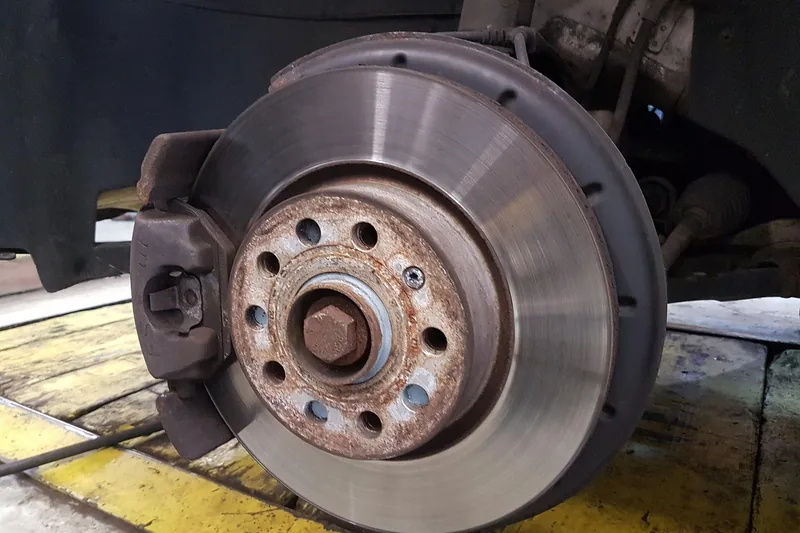
If the used car is not clearly cheaper after steps one and two, the new car is the better deal. If it is, the savings are real, and an inspection protects them.
Frequently Asked Questions
Are used cars more expensive than new cars?
Not on average. Cox Automotive’s vAuto data puts the average used car on a dealer lot at just over $27,000, while Kelley Blue Book’s September 2026 average new-vehicle transaction price was $50,562. A specific used car can still cost close to the same model new once new-car incentives and financing rates are counted.
Why are used cars so expensive right now?
Several things stack up: used-car CPI is about 34.5 percent above December 2019, buyers are shifting toward older and cheaper used cars, and Cox Automotive says the market is still absorbing a pandemic-era production shortfall. Higher borrowing costs add to the monthly payment on top of the sticker price.
What is the average price of a used car in 2026?
Per vAuto Live Market View data cited by Cox Automotive in October 2026, the average used vehicle on a dealer lot is priced just above $27,000, up about 7 percent from a year earlier. That is an asking-price average across all ages and types, so a late-model car costs more.
Will used car prices go down?
Two gauges show flat to slightly lower prices year over year: the BLS used-car CPI was 1.5 percent lower in September 2026 than in September 2025, and the Manheim wholesale index was 0.6 percent lower. Cox Automotive notes rising interest rates, so nobody can promise further drops.
Is it better to buy new when the price gap is small?
It can be. Compare the out-the-door price of the new car after rebates with the used car, then compare the total cost of each loan, not just the monthly payment. If the used car is not priced well below the new one, a lower new-car rate can make the new car cheaper per month.
What This Guide Does Not Cover
- Prices for a specific make, model or trim; check the maker’s site and local listings.
- Repair and insurance costs for any one car; ask a shop and your insurer for quotes.
- Legal or financial advice; the figures here are market averages for general information.
Sources: Bureau of Labor Statistics CPI (series for used cars and trucks, new vehicles and all items, September 2026), Federal Reserve G.19 (October 7, 2026), Kelley Blue Book average transaction price report (October 13, 2026), Manheim Used Vehicle Value Index (October 7, 2026), Cox Automotive Dealertrack Credit Availability Index (October 13, 2026) and a Cox Automotive economist article (October 12, 2026).
Products related to this article
Sponsored / affiliate links. As an Amazon Associate I earn from qualifying purchases. I may earn additional commission from eligible campaigns.