Do Cars Have Reserve Fuel?
Hey there! So, you’re wondering, “Do cars have reserve fuel?” I’ve been behind the wheel of plenty of cars, and I’ve had my fair share of moments staring at that blinking fuel light, praying I’d make it to the gas station. It’s a question that pops up a lot, especially when you’re pushing your luck on a long drive. The idea of a “reserve tank” sounds like a lifesaver, but is it real?
I’ve dug into this topic, talked to mechanics, and learned from my close calls. In this article, I’m going to break it all down for you—clear, simple, and straight from my experience. Whether you’re a new driver or a road-trip pro, stick with me to find out everything about reserve fuel, how it works, and what to do when that gauge hits empty. Let’s get rolling!
What Is Reserve Fuel, Anyway?
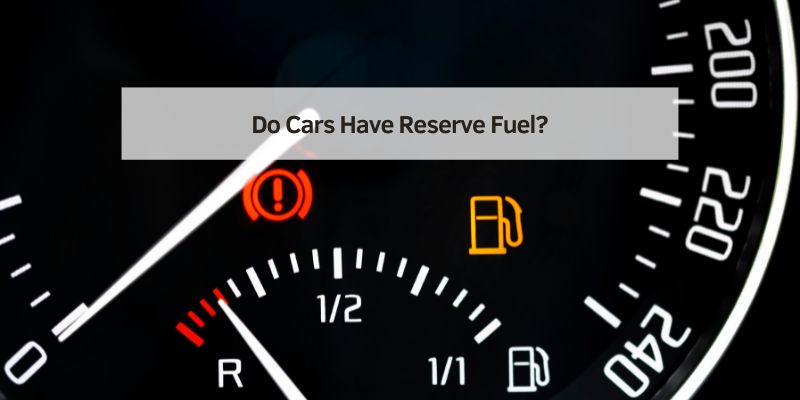
When I first heard about reserve fuel, I pictured a secret little tank hidden in my car, ready to save the day. Turns out, it’s not quite that dramatic. Most cars don’t have a separate reserve tank. Instead, “reserve fuel” is just the small amount of gas left in your main fuel tank after the low-fuel warning light comes on. It’s like the last sip in your coffee cup—still part of the same drink, just not much left.
The low-fuel light is your car’s way of saying, “Hey, you’re running low!” For most cars, this light kicks in when you’ve got about 1–2 gallons of fuel left, depending on the make and model. I learned this when I was driving my old Honda Civic, and that light came on during a late-night road trip. I was sweating bullets, but I made it to a gas station about 10 miles away. That’s when I started wondering how much wiggle room I had.
Why Do Cars Have a Low-Fuel Warning?
The low-fuel warning light is there to give you a heads-up before you’re totally out of gas. I used to think it was just the car being dramatic, but it’s a smart feature. Cars are designed to give you a buffer—a small amount of fuel to get you to a station. This “reserve” isn’t a separate tank but part of the main fuel tank’s capacity.
When I got my first car, a Toyota Corolla, I didn’t pay much attention to the fuel gauge. One day, the light came on, and I panicked. I asked a mechanic friend, and he explained that the warning light is calibrated to give you enough time to find a pump. For most cars, it’s designed to give you 30–50 miles of driving range, but that depends on a lot of factors, like your car’s efficiency and how you drive. Let’s dive into those next.
How Much Reserve Fuel Do Cars Have?
This is where things get interesting. The amount of reserve fuel varies by car. I’ve driven everything from compact sedans to SUVs, and each one had a different “reserve” amount. Here’s a general idea based on what I’ve seen:
| Vehicle Type | Typical Reserve Fuel | Estimated Range (Miles) |
|---|---|---|
| Compact Car | 1–1.5 gallons | 30–50 |
| Mid-Size Sedan | 1.5–2 gallons | 35–60 |
| SUV | 2–3 gallons | 40–70 |
| Pickup Truck | 2–4 gallons | 40–80 |
| Hybrid/Electric | 0.5–1 gallon | 20–40 |
For example, my old Civic had about 1.2 gallons left when the light came on, giving me roughly 40 miles of range. My buddy’s F-150 truck, though, had closer to 3 gallons, which could get him almost 60 miles. Hybrids tend to have smaller tanks, so their reserve is less, sometimes under a gallon.
The catch? These numbers are just estimates. Your actual range depends on how you drive, the weather, and even whether you’re stuck in traffic. I learned this the hard way when I got stuck in a traffic jam with the fuel light on. Every minute felt like a gamble!
What Affects Your Reserve Fuel Range?
I used to think reserve fuel was a fixed amount, like a magic number you could count on. Nope! Several things can stretch or shrink how far that last bit of gas will take you. Here’s what I’ve noticed from my own driving and talking to other car folks:
- Driving Style: If you’re flooring it or accelerating hard, you’ll burn through that reserve faster. I’m guilty of this—sometimes I drive like I’m in a race, and it eats up gas quickly.
- Terrain: Hills and rough roads make your engine work harder. I once drove through a hilly area with the fuel light on, and I swear I could feel the tank draining.
- Weather: Cold weather can reduce fuel efficiency. In winter, my car’s range seemed to drop by 10–15 miles compared to summer.
- Load: Carrying heavy cargo or extra passengers uses more fuel. I noticed this when I helped a friend move with my SUV—loaded up, it guzzled gas faster.
- Air Conditioning: Running the AC or heater can drain fuel. I try to turn off the AC when I’m low on gas to squeeze out a few extra miles.
- Traffic: Stop-and-go traffic is a fuel killer. I’ve been stuck in city traffic with the light on, and it’s nerve-wracking.
Knowing these factors helped me plan better. Now, when the light comes on, I ease off the gas pedal and avoid cranking the AC.
How Do You Know When the Low-Fuel Light Comes On?
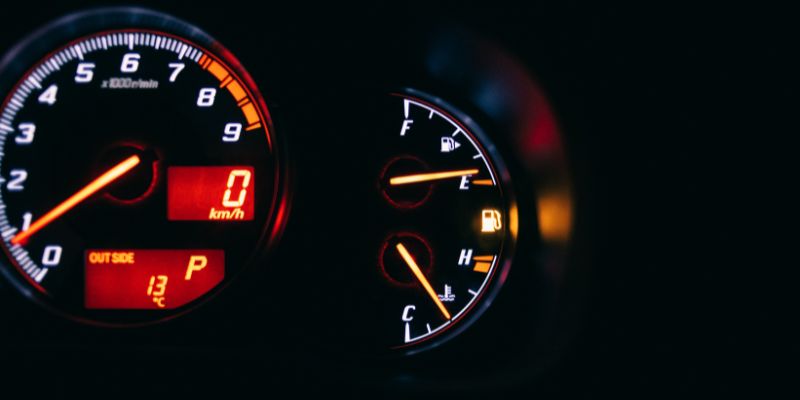
Every car’s different, but the low-fuel light usually pops on when you’ve got about 10–15% of your tank left. For a 15-gallon tank, that’s roughly 1.5–2 gallons. I remember checking my car’s manual (yeah, I read it once!) to find out when the light triggers. Most manuals list this info, or you can ask your mechanic.
Some newer cars are super helpful—they’ll even show you an estimated range on the dashboard. My friend’s 2020 Subaru Outback has a digital display that says, “50 miles to empty” when the light comes on. My older Civic? Just a little orange light that made my heart race. If your car doesn’t have a range estimator, you can guess based on your car’s average miles per gallon (MPG). For example, if your car gets 30 MPG and you’ve got 1.5 gallons left, you’ve got about 45 miles to go.
Is It Safe to Drive on Reserve Fuel?
I’ve pushed my luck with reserve fuel more times than I’d like to admit. One time, I was 20 miles from a gas station, and I barely made it. So, is it safe to drive on reserve? Honestly, it’s not the best idea. Here’s why, based on what I’ve learned:
- Risk of Running Out: If you misjudge your range, you could end up stranded. I’ve seen cars on the side of the highway, out of gas—it’s not fun.
- Fuel Pump Damage: Running your tank too low can hurt your fuel pump. A mechanic told me the pump uses gas to stay cool, and low fuel levels can make it overheat. I didn’t know this until I had to replace a fuel pump—ouch, expensive!
- Sediment in the Tank: The bottom of your fuel tank can have dirt or debris. Driving on reserve might suck that gunk into your engine, which isn’t great.
My rule now? When the light comes on, I start looking for a gas station. It’s not worth the stress or the repair bill.
Do All Cars Have Reserve Fuel?
Here’s the deal: pretty much every gas-powered car has some kind of reserve fuel, but it’s not a separate tank. It’s just the leftover gas in the main tank after the low-fuel light comes on. Electric cars and some hybrids are a bit different—they don’t have “reserve fuel” in the traditional sense. Hybrids might have a small gas reserve, but electric cars rely on battery range, and their warnings work differently.
I was curious about this, so I asked about my neighbor’s Tesla. He said it doesn’t have reserve fuel (obviously—no gas!), but it does warn you when the battery is low, usually giving about 20–30 miles of range. For gas cars, though, you can count on that small buffer of fuel, even if it’s not labeled “reserve.”
How Can You Estimate Your Reserve Fuel Range?
If you’re like me, you want to know exactly how far you can go when that light comes on. I’ve gotten better at estimating this over the years. Here’s how I do it:
- Check Your MPG: Look at your car’s average fuel economy. Most cars list this in the manual or on a sticker from when you bought it. My Civic gets about 32 MPG on the highway.
- Estimate Reserve Fuel: Assume you’ve got 1–2 gallons left when the light comes on. For my Civic, 1.2 gallons x 32 MPG = about 38 miles of range.
- Adjust for Conditions: If you’re in traffic or driving uphill, knock off 10–20% of that range. I usually assume 30–35 miles to be safe.
- Use Trip Data: If your car has a trip computer, it might show your remaining range. My SUV’s display is a lifesaver for this.
One time, I tested this on a long drive. The light came on, and my dashboard said 45 miles left. I drove carefully and made it 42 miles to a station. Close call, but it worked!
Tips to Avoid Running Out of Reserve Fuel
I’ve had enough close calls to learn some tricks for avoiding that dreaded empty tank. Here’s what I do now:
- Fill Up Early: I try to refuel when the tank is at a quarter full. It’s less stressful than waiting for the light.
- Know Your Range: Learn how many miles your car can go after the light comes on. Check your manual or test it (safely!) on a short trip.
- Plan Your Route: If you’re low on fuel, use your phone to find the nearest gas station. I use apps like GasBuddy to spot stations along my route.
- Drive Smart: Ease off the gas, turn off the AC, and avoid sudden stops or starts. It stretches those last few gallons.
- Keep a Gas Can: I keep a small, empty gas can in my trunk for emergencies. It’s saved me once when I ran out of a mile from a station.
These habits have kept me from getting stranded, and I hope they help you too.
What Happens If You Run Out of Fuel?
Running out of fuel is the worst. It’s happened to me once, and I felt like such a rookie. Here’s what goes down if you push your reserve too far:
- Car Stops Running: Your engine will sputter and stall. I was on a quiet road, thankfully, but it was still embarrassing.
- Stranded: You’ll need to call for roadside assistance or hike to a gas station. I had to walk a mile with a gas can—not fun.
- Possible Damage: As I mentioned, running the tank dry can harm your fuel pump. My mechanic said it’s not guaranteed, but why risk it?
If you do run out, stay safe. Pull over if you can, turn on your hazard lights, and call for help. I learned to keep a roadside assistance number handy after my incident.
How to Manage Reserve Fuel in Different Cars
Different cars handle reserve fuel differently. I’ve driven a mix of vehicles, and here’s what I’ve noticed:
- Compact Cars: These have smaller tanks (10–14 gallons), so the reserve is usually 1–1.5 gallons. My Civic was like this—great for city driving, but a small buffer.
- SUVs and Trucks: Bigger tanks (15–25 gallons) mean more reserve fuel, often 2–3 gallons. My SUV gives me a bit more peace of mind.
- Luxury Cars: Some high-end cars, like BMWs or Audis, have fancy displays that estimate range accurately. I drove a friend’s Lexus, and it was super clear about the remaining miles.
- Hybrids: These have smaller tanks, so the reserve might be under a gallon. My neighbor’s Prius only had about 25 miles of range after the light.
Check your car’s manual or talk to your dealer to know what you’re working with. It’s a game-changer for planning.
Myths About Reserve Fuel
I’ve heard all sorts of myths about reserve fuel, and I believed a few myself until I learned better. Let’s clear up a couple:
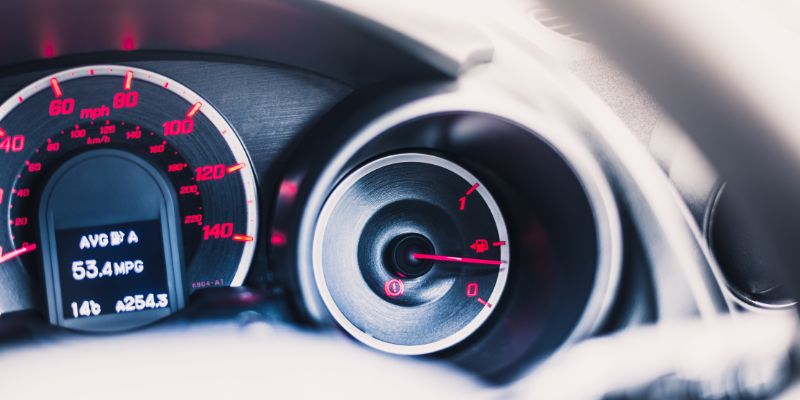
- Myth: There’s a Secret Reserve Tank: Nope, it’s just the bottom of your main tank. I used to think my car had a hidden stash!
- Myth: You Always Get 50 Miles: Not true. Your range depends on your car and driving conditions. I got burned assuming this once.
- Myth: It’s Fine to Drive on Empty: Driving on reserve too often can damage your fuel pump. I learned this after a costly repair.
Knowing the truth has made me a smarter driver, and I hope it helps you too.
Conclusion
So, do cars have reserve fuel? Yes, but it’s not a separate tank—just the last 1–3 gallons in your main tank when the low-fuel light comes on. From my adventures (and misadventures), I’ve learned that most cars give you 30–70 miles of range, depending on the vehicle, your driving style, and conditions like traffic or weather. It’s a handy buffer, but don’t push it too far—running out of gas is no fun, and it can hurt your car.
By planning, driving smart, and knowing your car’s limits, you can avoid those heart-pounding moments when the fuel light blinks. I hope this guide gives you the confidence to handle that low-fuel warning like a pro. Got more questions? Check out the FAQs below for quick answers!
FAQs
Do all cars have reserve fuel?
Most gas-powered cars have reserve fuel, which is just the gas left in the main tank after the low-fuel light comes on. It’s usually 1–3 gallons, depending on the car. Electric cars don’t have reserve fuel, but they have battery range warnings.
How far can I drive when the low-fuel light comes on?
It depends on your car, but most give you 30–70 miles. Compact cars might get 30–50 miles, while SUVs or trucks can go 40–80 miles. Check your car’s MPG and manual for a better estimate.
Is it bad to drive on reserve fuel?
Driving on reserve occasionally is okay, but doing it often can damage your fuel pump. It might also suck up dirt from the tank bottom, which isn’t great for your engine.
How do I know how much reserve fuel my car has?
Your car’s manual usually says when the low-fuel light triggers, often at 10–15% of the tank. Multiply that by your car’s MPG to estimate range. Some cars show this on the dashboard.
What happens if I run out of gas?
Your car will stall, and you’ll be stranded. You’ll need to get gas or call for roadside help. Running out can also strain your fuel pump, so try to avoid it.
Can I stretch my reserve fuel range?
Yes! Drive gently, avoid hard acceleration, turn off the AC, and stay out of heavy traffic. These tricks helped me squeeze out extra miles when I was low on gas.
Do hybrids have less reserve fuel?
Yes, hybrids usually have smaller tanks, so their reserve might be 0.5–1 gallon, giving about 20–40 miles of range. Check your hybrid’s manual for specifics.