Do Cars Have a Reserve Fuel Tank? What Really Happens
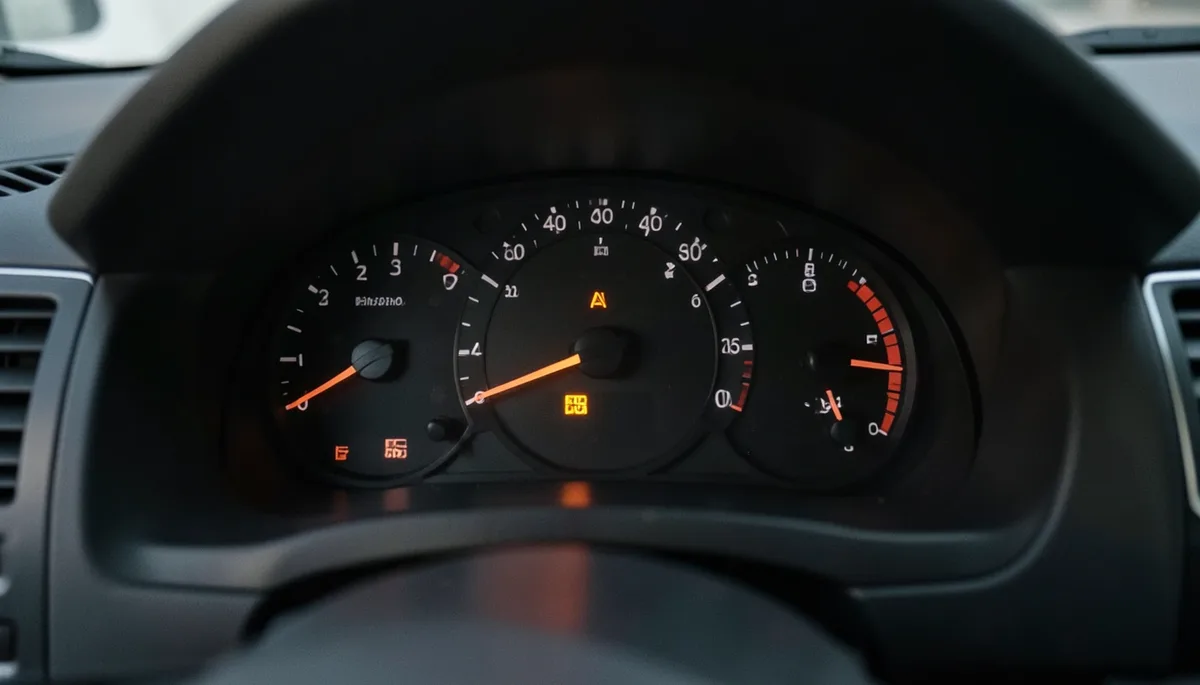
No — modern cars do not have a separate reserve fuel tank. What drivers call reserve fuel is simply the last portion of gas sitting in the main tank once the low-fuel warning light turns on, typically 1 to 3 gallons, or about 10 to 15 percent of tank capacity, according to AAA. That buffer is good for roughly 30 to 50 miles depending on the vehicle, its fuel economy, and how it is driven.
What Is Reserve Fuel, Anyway?
Reserve fuel is not a secret second tank hidden somewhere in the car. It is just the small amount of gasoline left in the main fuel tank once the low-fuel warning light comes on. Think of it as the last portion of what is already in the tank, not a separate supply that kicks in when the primary one runs dry.
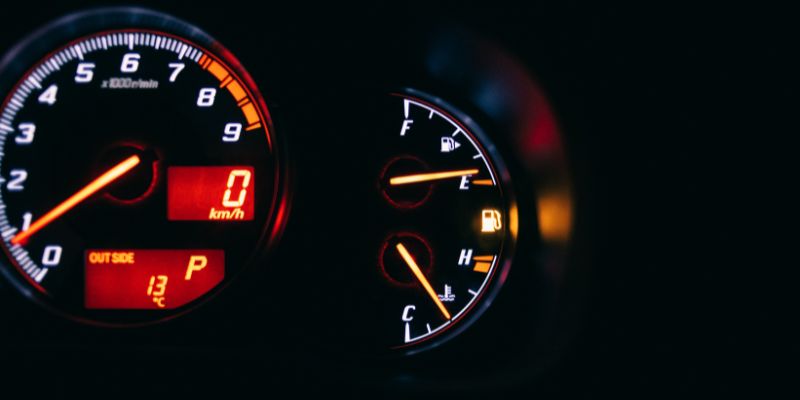
The low-fuel light exists to warn the driver before the tank actually runs empty. On most vehicles it triggers with roughly 1 to 2 gallons remaining, though the exact figure depends on the make, model, and tank size.
Reserve Fuel vs. the Old Petcock Reserve Tank
The confusion around reserve fuel usually traces back to older vehicles and motorcycles, which really did have a mechanical reserve system. Many motorcycles built before electronic fuel gauges became standard used a three-position petcock valve — on, off, and reserve — mounted on the fuel tank. When the engine started to sputter on the main setting, the rider flipped the valve to reserve and drew from a physically separate section of fuel, buying a few more miles to reach a station.
Modern passenger cars do not use anything like that. There is no valve to flip and no separate compartment to switch into. The fuel pump sits at the bottom of one single tank, and the low-fuel light is just an electronic sensor reading that the fuel level has dropped below a set threshold. A handful of older vintage cars did include an actual mechanical reserve valve similar to motorcycles, but virtually no gas-powered car built in the last several decades uses one.
Why Do Cars Have a Low-Fuel Warning?
The warning light gives drivers a buffer instead of letting the engine simply die without notice. Vehicles are designed to leave enough usable fuel in the tank after the light activates to reach a gas station under normal conditions, generally enough for 30 to 50 miles of driving.
Automakers calibrate the warning to trigger with enough time to find a pump, but the exact range depends heavily on the vehicle’s fuel efficiency and how it is driven.
How Much Reserve Fuel Do Cars Have?
The amount of reserve fuel varies by vehicle type, tank size, and fuel economy. The table below gives a general idea of what to expect:
| Vehicle Type | Typical Reserve Fuel | Estimated Range (Miles) |
|---|---|---|
| Compact Car | 1-1.5 gallons | 30-50 |
| Mid-Size Sedan | 1.5-2 gallons | 35-60 |
| SUV | 2-3 gallons | 40-70 |
| Pickup Truck | 2-4 gallons | 40-80 |
| Hybrid | 0.5-1 gallon | 20-40 |
These figures are estimates rather than guarantees. Actual range on reserve depends on driving conditions, terrain, temperature, and traffic, so the same car can stretch its last few gallons much further on one trip than another. According to AAA, most vehicles carry between 1.5 and 2.5 gallons of fuel once the low-fuel light illuminates.
What Affects Your Reserve Fuel Range?
Reserve fuel range is not a fixed number. Several factors can stretch or shrink how far that last bit of gas will go:
- Driving Style: Hard acceleration and aggressive driving burn through the reserve much faster than steady, gentle throttle use.
- Terrain: Hills and rough roads make the engine work harder, using up fuel more quickly than flat, smooth roads.
- Weather: Cold weather reduces fuel efficiency, which can cut reserve range by 10 to 15 miles compared with warmer conditions.
- Load: Carrying heavy cargo or extra passengers increases fuel consumption, shrinking the remaining range.
- Air Conditioning: Running the AC or heater draws extra power from the engine and reduces range, especially at low speeds.
- Traffic: Stop-and-go traffic burns more fuel per mile than steady highway driving, making reserve fuel disappear faster.
Understanding these factors helps with planning: easing off the accelerator and limiting AC use once the light comes on can stretch the remaining fuel a little further.
How Do You Know When the Low-Fuel Light Comes On?
Every vehicle is calibrated differently, but the low-fuel light typically activates when about 10 to 15 percent of the tank capacity remains. For a 15-gallon tank, that works out to roughly 1.5 to 2 gallons. The owner’s manual usually lists this threshold, or a dealer service department can confirm it for a specific model.
Many newer vehicles go a step further and display an estimated range on the dashboard instead of just a warning light, showing something like “50 miles to empty.” Older vehicles with only a basic warning light require estimating range manually: multiply the estimated gallons remaining by the vehicle’s average miles per gallon. For example, 1.5 gallons at 30 mpg works out to about 45 miles of range.
Is It Safe to Drive on Reserve Fuel?
Occasional reserve driving will not damage a car, but making a habit of it carries real risks:
- Risk of Running Out: Misjudging the remaining range can leave a driver stranded, especially on backroads or highways with gas stations spaced far apart.
- Fuel Pump Damage: In most vehicles, the fuel pump sits submerged in the tank and uses the surrounding gasoline to stay cool. Running the tank consistently low can cause the pump to run hotter than intended and wear out faster.
- Sediment in the Tank: Dirt and debris settle at the bottom of the fuel tank over time. Driving on reserve increases the odds of pulling that sediment into the fuel system, which can clog filters or injectors.
The safest approach is to treat the low-fuel light as a hard deadline to find a gas station, not a target to push past.
Do All Cars Have Reserve Fuel?
Virtually every gas-powered car has some form of reserve fuel, since it is really just the tail end of the main tank rather than a separate system. Electric vehicles work differently: there is no reserve fuel because there is no fuel at all, but a low-battery warning serves the same purpose, typically activating with 20 to 30 miles of range left. Some hybrids carry a small gasoline reserve in addition to their battery warning, though their battery pack still governs most of the driving range, and their gas tanks tend to be smaller than a comparable non-hybrid vehicle.
How Can You Estimate Your Reserve Fuel Range?
Estimating remaining range once the light comes on is straightforward with a little math:
- Check Fuel Economy: Look up the vehicle’s average miles per gallon in the owner’s manual or a dashboard trip computer.
- Estimate Remaining Fuel: Assume roughly 1 to 2 gallons remain when the light activates, unless the manual specifies a different figure for that model.
- Adjust for Conditions: Traffic, hills, and cold weather can reduce range, so subtracting 10 to 20 percent from the estimate is a safer bet than assuming the full number.
- Use the Trip Computer: Many newer vehicles calculate remaining range automatically and display it on the dashboard, which is more accurate than manual estimates.
As an example, a car with 1.5 gallons remaining and a real-world fuel economy of 30 mpg has roughly 45 miles left, though conservative drivers often treat that as a ceiling rather than a target.
Tips to Avoid Running Out of Reserve Fuel
A few habits make it easy to avoid ever finding out how far reserve fuel actually goes:
- Fill Up Early: Refueling around a quarter tank instead of waiting for the warning light removes the guesswork entirely.
- Know the Range: Checking the owner’s manual, or noting how many miles a tank actually lasts, makes future estimates far more reliable.
- Plan the Route: Apps like GasBuddy can locate the nearest station quickly when the light comes on somewhere unfamiliar.
- Drive Smart: Easing off the accelerator, avoiding hard stops and starts, and limiting AC use all stretch the remaining fuel further.
- Keep Emergency Supplies: A small empty gas can in the trunk, paired with a roadside assistance number, turns a potential breakdown into a quick fix.
What Happens If You Run Out of Fuel?
Running out of gas brings the engine to a stop, often with some sputtering as the last drops of fuel are used. At that point, the choices are limited: call roadside assistance, or walk to the nearest gas station with a container.
- Car Stops Running: The engine stalls, and the vehicle needs to coast safely to the shoulder or a parking area.
- Stranded: Without a spare gas can, the only options are roadside assistance or finding fuel on foot.
- Possible Damage: Running the tank completely dry can strain the fuel pump, and repeatedly doing so shortens its lifespan.
If a vehicle does run out of fuel, the safest move is to pull as far off the road as possible, turn on the hazard lights, and call for help rather than attempting to walk along an active roadway.
How to Manage Reserve Fuel in Different Cars
Tank size and vehicle type both change how much reserve fuel is available:
- Compact Cars: Smaller tanks, typically 10 to 14 gallons, mean a reserve of around 1 to 1.5 gallons.
- SUVs and Trucks: Larger tanks, often 15 to 25 gallons, translate to a bigger reserve, usually 2 to 3 gallons.
- Vehicles With Digital Range Displays: Many newer vehicles, across price points, show an estimated range directly on the dashboard instead of a plain warning light, removing most of the guesswork.
- Hybrids: Smaller fuel tanks mean the gas reserve is often under a gallon, though the battery provides additional range alongside it.
Checking the owner’s manual or asking a dealer is the most reliable way to know exactly what a specific vehicle offers.
Myths About Reserve Fuel
A few persistent myths are worth clearing up:
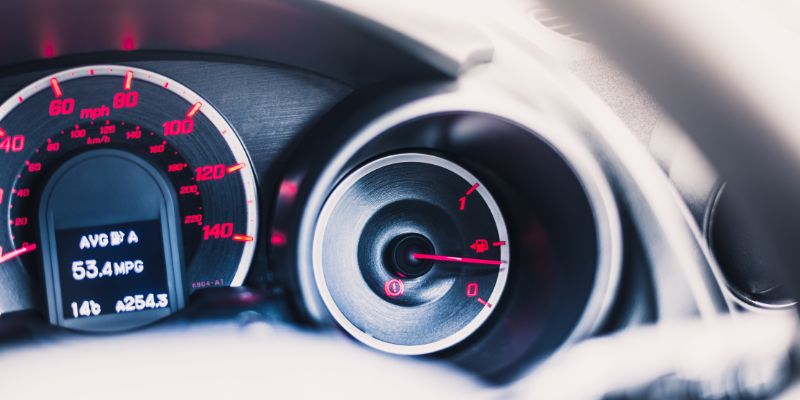
- Myth: There Is a Secret Reserve Tank: There is not. Reserve fuel is simply the bottom portion of the one main tank, not a hidden second supply.
- Myth: Every Car Gets 50 Miles on Reserve: Not necessarily. Range depends heavily on the specific vehicle, its fuel economy, and driving conditions, so treating 50 miles as a guarantee is risky.
- Myth: It Is Fine to Run the Tank to Empty Regularly: Doing this occasionally will not ruin a car, but consistently driving on empty accelerates fuel pump wear and can pull sediment into the fuel system.
Conclusion
So, do cars have reserve fuel? Yes, in the sense that every gas-powered car keeps a small buffer of usable fuel in the tank after the low-fuel light comes on, typically 1 to 3 gallons and 30 to 70 miles of range depending on the vehicle. But no, that buffer is not a separate tank the way it was on older motorcycles with a petcock valve. It is just the last portion of the main tank.
Planning fuel stops around a quarter tank, understanding what affects range, and knowing when to treat the warning light as a deadline rather than a suggestion all make that buffer far less stressful to rely on.
FAQs
Do all cars have reserve fuel?
Most gas-powered cars have reserve fuel in the sense described above: the last 1 to 3 gallons left in the main tank after the low-fuel light comes on. Electric vehicles do not use fuel at all, so they rely on a low-battery warning instead.
How far can I drive when the low-fuel light comes on?
Most vehicles offer 30 to 50 miles of range once the light activates, though compact cars may be closer to 30 and larger SUVs or trucks can reach 50 to 70 miles. Checking the owners manual or the dashboard trip computer gives the most accurate number for a specific vehicle.
Is it bad to drive on reserve fuel?
Occasionally driving on reserve is not harmful, but making a habit of it can accelerate fuel pump wear and risks pulling sediment from the bottom of the tank into the fuel system.
How do I know how much reserve fuel my car has?
The owners manual usually states the fuel level that triggers the warning light, often around 10 to 15 percent of tank capacity. Multiplying that figure by the vehicles average fuel economy gives an estimated range, and many newer vehicles also display this directly on the dashboard.
What happens if I run out of gas?
The engine stalls and the vehicle needs to be moved off the road safely. From there, the options are calling roadside assistance or getting fuel from a nearby station, and repeatedly running the tank dry can shorten fuel pump life.
Can I stretch my reserve fuel range?
Yes. Driving gently, avoiding hard acceleration, limiting air conditioning use, and avoiding heavy traffic when possible can all add a few extra miles to the remaining range.
Do hybrids have less reserve fuel?
Generally, yes. Hybrid fuel tanks tend to be smaller than a comparable non-hybrid vehicle, so the gas reserve is often under a gallon, though the battery supplies additional range on top of it.
Products related to this article
Sponsored / affiliate links. As an Amazon Associate I earn from qualifying purchases. I may earn additional commission from eligible campaigns.