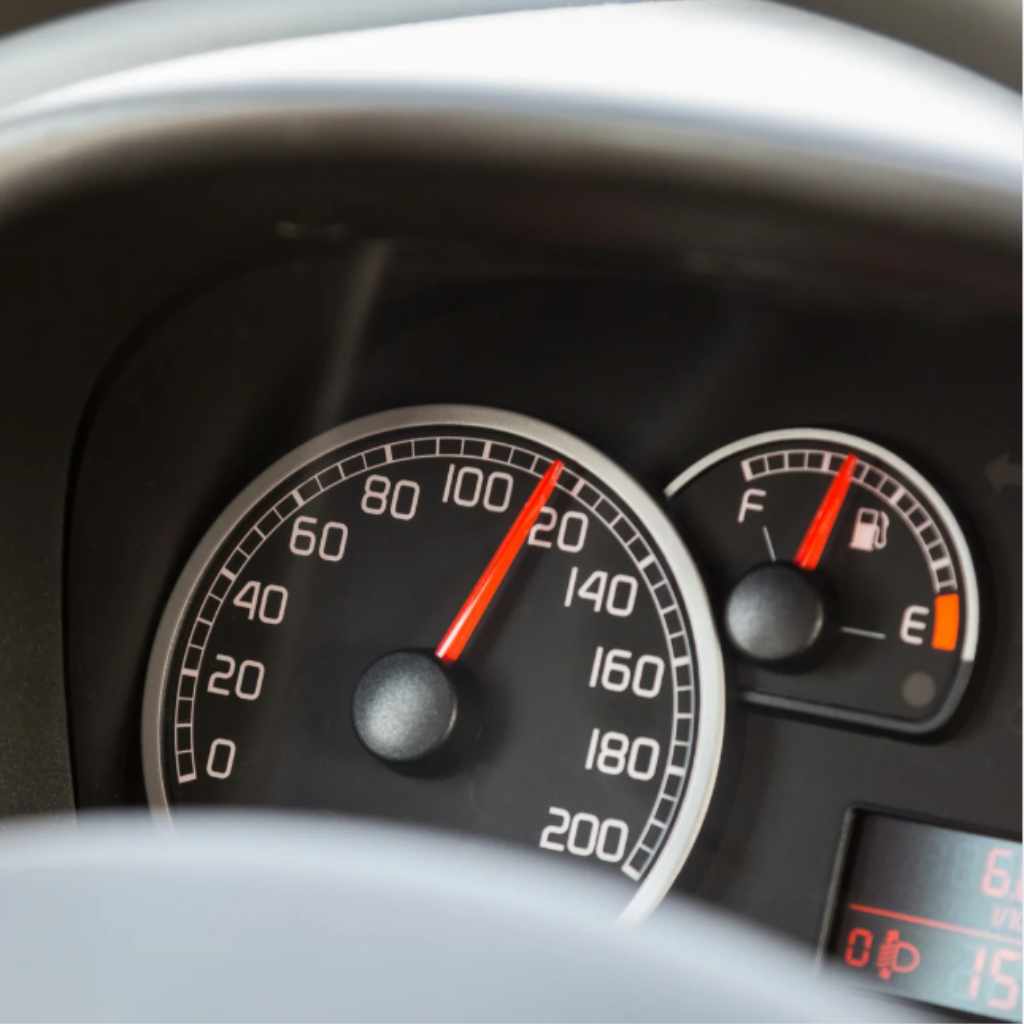
Do Cars Have Speed Limiters: What You Need to Know Today
Have you ever wondered if your car can actually stop you from speeding? You might think it’s all up to your foot on the gas pedal, but there’s more happening under the hood than you realize.
Speed limiters are hidden features in many vehicles designed to keep your speed in check. But what exactly are they? How do they work? And do all cars have them? Keep reading, because understanding this could change the way you drive and keep you safer on the road.
Car Speed Limiters Explained
Car speed limiters help control how fast a vehicle can go. They keep cars from reaching unsafe speeds. This technology helps improve road safety for drivers and others.
Speed limiters work by limiting engine power or fuel supply. They stop the car from going faster than a set limit. Different cars use different types of speed limiters.
What Is A Speed Limiter
A speed limiter is a device or system in a car. It restricts the maximum speed the car can reach. The limiter uses sensors and the engine control unit to work.
When the car reaches the set speed, the limiter activates. It reduces power or cuts fuel to keep speed steady. This helps prevent accidents caused by speeding.
Types Of Speed Limiters
There are two common types of speed limiters in cars. The first is a mechanical limiter. It uses physical parts to limit engine speed.
The second type is an electronic speed limiter. This system uses software in the car’s computer. It controls engine output to keep the speed within limits.
Some cars have adjustable limiters, which owners or authorities can set. Others come with fixed limits set by the manufacturer. Both types help enforce safe driving speeds.
Why Speed Limiters Exist
Speed limiters are devices that control how fast a car can go. They serve important purposes beyond just limiting speed. These systems help protect drivers, meet legal rules, and reduce harm to the environment. Understanding why speed limiters exist shows their value in everyday driving.
Safety Benefits
Speed limiters help reduce accidents. Cars that go too fast can cause serious crashes. By setting a top speed, limiters keep drivers from losing control. This protects passengers and other road users. Slower speeds give drivers more time to react to danger. Speed limiters also lower the chance of fatal injuries.
Legal Requirements
Many countries require speed limiters by law. Governments set speed limits to keep roads safe. Vehicles must follow these rules to be allowed on the road. Speed limiters ensure cars do not break these laws. This helps drivers avoid fines and legal trouble. It also standardizes safety across different types of vehicles.
Environmental Impact
Speed limiters help reduce fuel use and emissions. Cars that drive slower use less gas. This means fewer harmful gases enter the air. Lower speeds also reduce engine wear, cutting pollution further. Using speed limiters supports cleaner air and helps fight climate change. It makes driving more eco-friendly for everyone.
How Speed Limiters Work
Speed limiters help control how fast a car can go. They keep vehicles within safe speeds. These devices work through different systems inside the car. Each system plays a key role in managing speed.
Electronic Control Units
Electronic Control Units (ECUs) act as the car’s brain. They monitor engine performance and speed. The ECU adjusts engine output to prevent the car from going too fast. It sends signals to limit fuel or spark supply. This control keeps the vehicle at or below the set speed limit.
Throttle Control
Throttle control works by regulating air flow into the engine. The throttle opens and closes to control speed. When a speed limiter is active, the throttle restricts air intake. This reduces engine power and keeps speed down. Drivers feel less acceleration when the limiter works.
Gps-based Systems
Some cars use GPS technology to enforce speed limits. The system compares current speed to location-based limits. If the car exceeds the limit, it sends a signal to reduce speed. GPS-based limiters adjust speed in real time on certain roads. This method helps prevent speeding in sensitive areas.
Cars That Come With Speed Limiters
Speed limiters control how fast a car can go. Many cars have these devices for safety and legal reasons. Different types of vehicles use speed limiters in various ways. These limiters help reduce accidents and keep drivers safe.
Commercial Vehicles
Commercial vehicles often have speed limiters installed. Trucks and buses use them to stay within safe speed limits. These limiters help lower fuel use and reduce wear on the engine. They also protect other road users from fast, heavy vehicles.
Family Cars
Some family cars come with speed limiters to protect young or new drivers. These devices stop the car from going too fast. Parents can feel safer knowing their kids drive at safe speeds. The limiters also help reduce speeding tickets and accidents.
High-performance Cars
High-performance cars sometimes have speed limiters too. These cars can go very fast, but manufacturers set limits. This protects the engine and keeps the car stable on the road. It also helps meet legal speed restrictions in many countries.
Can Speed Limiters Be Removed Or Modified
Car speed limiters control the top speed of a vehicle. Some drivers wonder if these limiters can be removed or changed. This section explains the legal, technical, and safety issues of removing speed limiters.
Legal Implications
Removing or changing a speed limiter is often illegal. Many countries have laws to keep cars safe on the road. Breaking these laws can lead to fines or legal trouble. Insurance might also become invalid after removal. Authorities may check if your car meets speed regulations.
Technical Challenges
Speed limiters are part of a car’s engine control system. Changing them needs special tools and knowledge. Not every mechanic can do this work. Incorrect changes may cause engine problems or reduce fuel efficiency. Modern cars have complex software that is hard to modify.
Risks Of Removal
Removing a speed limiter can increase accident risks. Cars may reach unsafe speeds for the road or conditions. It may also affect braking and handling. This change can make driving more dangerous for you and others. Safety features depend on proper speed control.
Future Of Speed Limiting Technology
The future of speed limiting technology is shaping up to be smarter and safer. Cars will use advanced systems to control speed based on many factors. This will help reduce accidents and improve road safety.
New technologies will allow cars to adjust speed limits automatically. These systems will work with other car features to create a smooth driving experience. The future promises more control and fewer risks on the road.
Smart Speed Limiters
Smart speed limiters will use cameras and sensors to read road signs. They will adjust the car’s speed instantly to match the limit. This technology will reduce speeding without needing driver input. It learns from the environment and reacts quickly.
Integration With Autonomous Driving
Speed limiters will be part of self-driving car systems. Autonomous cars will follow speed rules precisely. They will combine speed control with safe distance keeping and route planning. This integration will make roads safer for all users.
Regulatory Trends
Governments are pushing for stricter rules on speed limiters. Laws may require all new cars to have smart speed control. These rules aim to lower traffic deaths and injuries. Regulation will guide the development and use of these systems.
Frequently Asked Questions
Do All Cars Have Speed Limiters Installed?
Not all cars have speed limiters. Many modern vehicles include them for safety and legal reasons. Older models usually lack this feature. Speed limiters help prevent excessive speed and reduce accident risks on public roads.
How Do Speed Limiters Work In Cars?
Speed limiters electronically restrict a vehicle’s maximum speed. They control the engine or fuel supply to prevent acceleration beyond set limits. This helps maintain safe driving speeds and complies with traffic regulations.
Can Speed Limiters Be Removed Or Disabled?
Yes, speed limiters can sometimes be removed or disabled. However, this is often illegal and unsafe. Removing them can void warranties and increase accident risks. It’s best to follow manufacturer and legal guidelines.
Why Do Manufacturers Use Speed Limiters In Cars?
Manufacturers use speed limiters to enhance safety and meet legal requirements. They help reduce accidents caused by speeding. Limiters also improve fuel efficiency and vehicle longevity by preventing excessive engine strain.
Conclusion
Cars often have speed limiters to keep drivers safe. These devices stop cars from going too fast. Speed limiters help reduce accidents on busy roads. Not all cars have them, but many modern vehicles do. They balance performance and safety for a better drive.
Understanding speed limiters helps you make smart choices. Drive carefully and respect speed rules for safety. Speed limiters play a key role in road safety today.