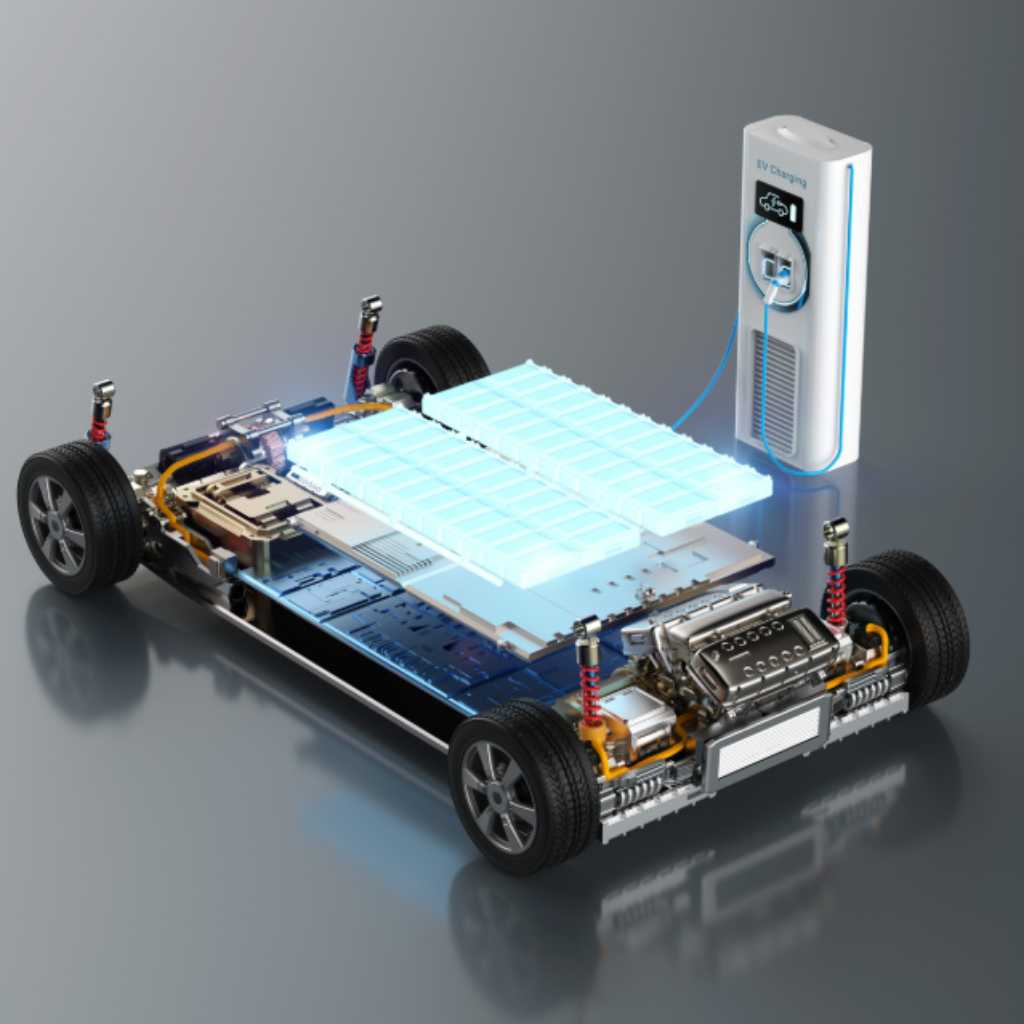
Do Electric Cars Have Radiators? Proven Essential Facts
The simple answer is yes, most modern electric cars (EVs) do have cooling systems that serve a similar purpose to a traditional car radiator, but they are often called a thermal management system or use smaller, specialized heat exchangers instead of a large, exposed radiator.
If you’ve driven a gasoline car, you know the radiator is a big metal square right up front. It keeps the engine from overheating. So, when switching to an electric car (EV), a natural question pops up: do electric cars have radiators? It’s confusing because EVs don’t have that hot, combustion engine!
Don’t worry if you feel unsure. Many drivers face this exact confusion. The good news is that understanding this system is easy, even if you aren’t a mechanic. EVs still need cooling, just for different parts. We will break down exactly what EVs use, why they need it, and how it keeps your car running smoothly day after day.
Understanding the EV Cooling Need: Why Cool Down What Isn’t Burning?
In a traditional car, gasoline burns hot, needing a radiator to dump that massive heat into the air. Electric cars burn nothing, so why bother with cooling? The answer lies in electronics and battery performance. Heat is the enemy of efficiency and lifespan, whether it’s a gas motor or an advanced battery pack.
The main things in an EV that generate heat are:
- The Battery Pack: This is the biggest concern. Batteries work best within a specific, narrow temperature range (often cited around 70°F to 80°F). If they get too hot, their power drops, and their long-term health suffers greatly. If they get too cold, charging slows down, and performance drops.
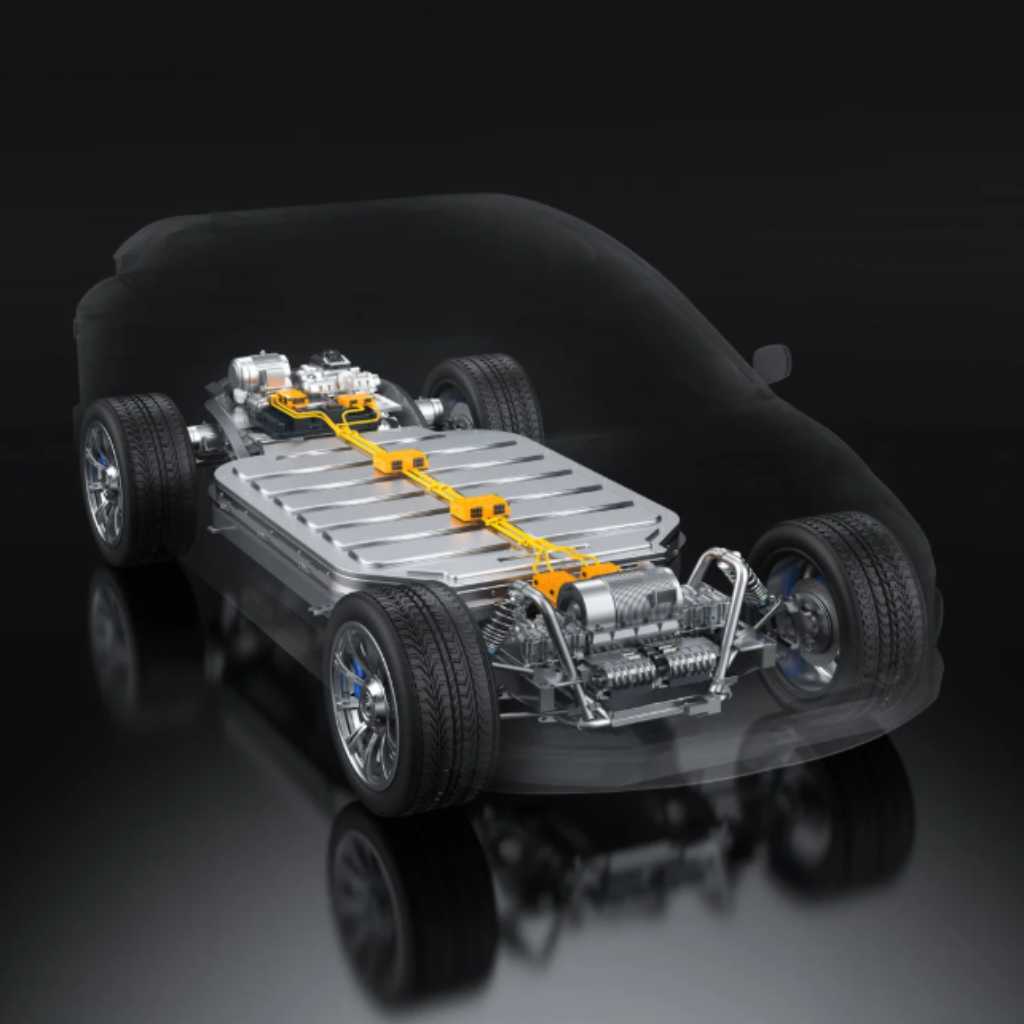
- The Motor and Power Electronics: Just like any electrical component under heavy load, the motor, inverter, and onboard chargers create heat when moving the car or converting the battery’s DC power to AC power for the motor.

Do Electric Cars Have Radiators? The Technical Truth
While EVs don’t have a traditional radiator in the same location or for the same primary reason as a gas car, they absolutely have a system designed to manage temperature. We call this the Thermal Management System (TMS).
Instead of just one big radiator for an engine, the EV TMS is a sophisticated network managing multiple zones:
The Role of the Heat Exchanger (The EV Equivalent)
In many high-performance EVs, you will find a component that strongly resembles a traditional radiator. This is usually a Heat Exchanger. Its job is to transfer heat away from the coolant circulating through the battery and electronics.
Think of it this way: An ICE car radiator lets air flow over fins to cool liquid. An EV system uses a coolant loop, and when that coolant gets hot, it needs a place to dump the heat. That place is often an external heat exchanger facing the wind—which functions, for all intents and purposes, like a radiator.
The key difference is that the EV system is often much more complex, utilizing pumps, valves, and chillers to actively heat the battery in the winter and cool it in the summer.
Two Main Types of EV Thermal Systems
Not all EVs manage heat the exact same way. The necessity of a large exterior radiator has decreased with advancements in cooling technology. Here are the two primary methods:
- Liquid-Cooled Systems (The Most Common): High-end and long-range EVs overwhelmingly use liquid cooling. This involves pumps circulating specialized coolant through tubes wrapped around the battery cells and power electronics. This hot fluid then travels to a radiator/heat exchanger, where the heat is expelled to the outside air.
- Air-Cooled Systems (Less Common Today): Some older or budget-friendly EVs might use air cooling, similar to how a computer fan blows air across chips. These systems rely on forced air moving through cooling fins mounted on the battery pack. These systems are simpler but generally less effective at maintaining optimal temperatures for fast charging or high performance.
| Feature | Internal Combustion Engine (ICE) | Electric Vehicle (EV) |
|---|---|---|
| Primary Component Cooled | Engine Block (Combustion Heat) | Battery Pack & Power Electronics |
| Cooling Goal | Prevent overheating above boiling point | Maintain narrow optimal operating temperature range (heating & cooling) |
| External Component Match | Large Frontal Radiator | Heat Exchanger (often smaller or integrated) |
| System Complexity | Relatively simple fluid circulation | Complex thermal loops involving chillers, heaters, and pumps |
Location, Location, Location: Where Do EV “Radiators” Sit?
If you look at the front bumper or fascia of many modern EVs (like those from Tesla, Lucid, or Hyundai), you might notice smaller vents or grilles compared to traditional cars. This is often where the EV’s primary heat exchangers are located.
For safety and aerodynamics, manufacturers prefer to keep these systems protected and integrated. Here’s how they utilize the space:
- Low and Front: Components needing air exchange are still typically placed low in the front end to capture cool ambient air efficiently.
- Integrated Design: Instead of a standalone radiator, the cooling components might be integrated into the overall front structure, sometimes hidden behind aerodynamic panels.
- Under the Vehicle: In some designs, parts of the cooling system might be near the massive battery pack underneath the floor, using dedicated ducts or shrouds to manage airflow.
It is crucial to remember that the EV cooling circuit is usually a closed loop. It uses a specific coolant (often a mix of water and glycol, similar to ICE cars, but formulated differently for electronics) that circulates through the battery and then to the heat exchanger. This fluid rarely needs topping up unless there is a leak. This system is often managed by software, ensuring perfect temperatures for charging speeds—a process known as preconditioning.
For drivers interested in the standards ensuring EV battery safety across the industry, organizations like the National Highway Traffic Safety Administration (NHTSA) set guidelines that heavily influence these thermal designs.
The Importance of Thermal Management for Your EV Investment
Why should you care if your EV has a radiator or a heat exchanger? Because the lifespan and performance of your expensive battery depend entirely on this system working correctly. A well-managed temperature means:
1. Longevity of the Battery Pack
Lithium-ion batteries degrade naturally, but heat dramatically speeds up that degradation. Keeping the battery within its ideal range significantly extends the number of miles you can drive over the car’s life. If cooling fails, the battery management system (BMS) will shut the car down to protect itself, often displaying a warning message.
2. Optimal Charging Speed
Have you heard of “fast charging slowdown? This happens when the battery gets too hot during a rapid direct current (DC) charge session. The car’s computer automatically throttles the charging speed to prevent overheating. If the TMS is working well and can effectively expel heat via the heat exchanger, you can maintain faster charging rates for longer periods.
3. Cabin Comfort
Many modern EVs use the same coolant loop to provide heat or cooling to the passenger cabin. In winter, a heat pump system (which requires thermal management) warms the cabin efficiently. In summer, the system draws heat away from the battery and uses an auxiliary heater or air conditioning cycle to cool the interior.
Checklist: What to Look for When Examining Your EV’s Cooling System
Since you likely won’t be poking around the engine bay like you would with an older car, here’s what you should know about maintenance and inspection regarding the EV’s thermal system:
- Coolant Level Checks: Unlike gasoline cars where reservoir checks are frequent, EV coolant levels are typically checked much less often, often only during major service intervals (check your owner’s manual!). Most newer EVs have sensors that alert you immediately if the level is critically low.
- Exterior Airflow: Ensure the front grille areas, where the heat exchangers are located, are kept clear of leaves, mud, or debris. Restricted airflow means heat cannot escape efficiently, stressing the entire system.
- Listen for Pumps: After charging or driving hard, you might hear a faint humming or gurgling sound coming from underneath the car. This is normal! It’s the coolant pump circulating fluid to shed residual heat from the battery pack.
- Service Intervals: The coolant itself eventually breaks down and needs replacement or flushing. This interval is much longer than in gas cars—often every 5 to 10 years, depending on the manufacturer’s recommendation.
If you ever see a persistent warning light related to the high-voltage battery or cooling system, do not ignore it. Because the components are complex, these issues usually require professional diagnosis from a certified EV technician.
DIY Check: How to Spot External Cooling Components (If Applicable)
While most heavy maintenance is best left to the pros, you can perform a simple visual check to see where your car might be shedding heat. Remember, don’t attempt to open any pressurized lines!
Follow these steps safely:
- Park the car on safe, level ground.
- Look at the lower portion of the front bumper or fascia.
- Look for black plastic grilles or mesh areas that seem dedicated to airflow, often lower than traditional air intakes.
- If you have recently fast-charged or driven aggressively, carefully feel the area just behind these grilles (once the car is off and fully cooled down) to see if it feels warm.
This visual check is purely for educational purposes to help you locate the exterior heat exchange area. Do not mistake these vents for simple air intakes for cabin filtration.
Benefits of Liquid Cooling Over Simple Air Cooling in EVs
The move toward sophisticated liquid thermal management systems is a clear sign of industry progress. Liquid is far superior to air for moving heat quickly and evenly across a surface, especially something as large and sensitive as an entire battery pack.
| Cooling Method | Advantages | Disadvantages |
|---|---|---|
| Liquid-Cooled System | Superior temperature control for fast charging; better battery longevity; effective heating and cooling cycle. | More complex and expensive to repair when leaks occur; requires specialized coolant. |
| Air-Cooled System | Simpler design; lower initial manufacturing cost; very low maintenance. | Limited ability to handle high heat loads (slows charging); less effective at maintaining optimal low temperatures in extreme weather. |
If you are looking at buying a new or used EV, knowing whether it employs a liquid cooling system is a strong indicator of its ability to handle sustained high speeds and consistent DC fast charging without performance degradation. Reputable sources, like testing conducted by organizations evaluating vehicle efficiency, often highlight the cooling system’s role in real-world range testing.
Frequently Asked Questions (FAQs) About EV Cooling Systems
Q1: If my EV has a “radiator,” does it use the same coolant as my old gas car?
A: Not usually. While both systems use a mix of water and glycol (antifreeze), the specific formulation for EVs is often different. EV coolant is designed to handle high-voltage components and may have different dielectric (insulating) properties. Always use the coolant specified in your EV’s owner’s manual.
Q2: How often do I need to check the coolant level in my EV?
A: Much less frequently than in a gas car. Most manufacturers advise checking it only during major scheduled maintenance checks, often every 50,000 miles or more. The system is sealed and monitored by sensors.
Q3: Why does my EV “hum” after I stop driving or charging?
A: That hum is usually the electric coolant pumps running! They are actively moving the thermal fluid through the battery pack or the heat exchanger to dissipate heat that built up during driving or rapid charging, ensuring the battery cools down safely.
Q4: Can I wash my EV’s cooling vents just like I would a gas car radiator?
A: Yes, but be gentle. You can clear leaves or bugs from the exterior grilles using a hose on a low-pressure setting. However, never use a high-pressure washer directly aimed at these vents, as you could damage the delicate fins of the heat exchanger or internal sensors.
Q5: If my EV never overheats, does that mean the cooling system isn’t working?
A: Not at all! That means the system is working perfectly. A highly efficient thermal management system keeps the battery operating exactly in its “sweet spot” ($70^{circ}F$ to $80^{circ}F$), preventing the visible warnings of overheating.
Q6: Is the battery cooling system connected to the car’s air conditioning (AC)?
A: Often, yes. The AC system is frequently integrated via a chiller or heat pump mechanism. The chiller can cool down the coolant loop when the battery is too hot, allowing the system to use A/C power to manage battery temperature, especially during DC fast charging.
Conclusion: Your Smart EV Stays Cool Under Pressure
So, to circle back to our main question—do electric cars have radiators? The definitive answer is that they use an evolved, more intelligent system, often featuring a heat exchanger that performs the function of a radiator for cooling the critical battery and electronics. It’s not just about surviving high temperatures; it’s about precision engineering to maintain a perfect working temperature range.
As a practical EV owner, your takeaway should be simple: your electric car manages its own heat very well. You don’t need to worry about checking coolant levels every other week. Focus instead on keeping the exterior intake vents clear and paying attention to those maintenance schedules that address the thermal fluid itself, usually only a few times over the car’s life. By understanding this hidden system, you’re equipped to appreciate the technology keeping your investment safe, efficient, and ready for the next charge.