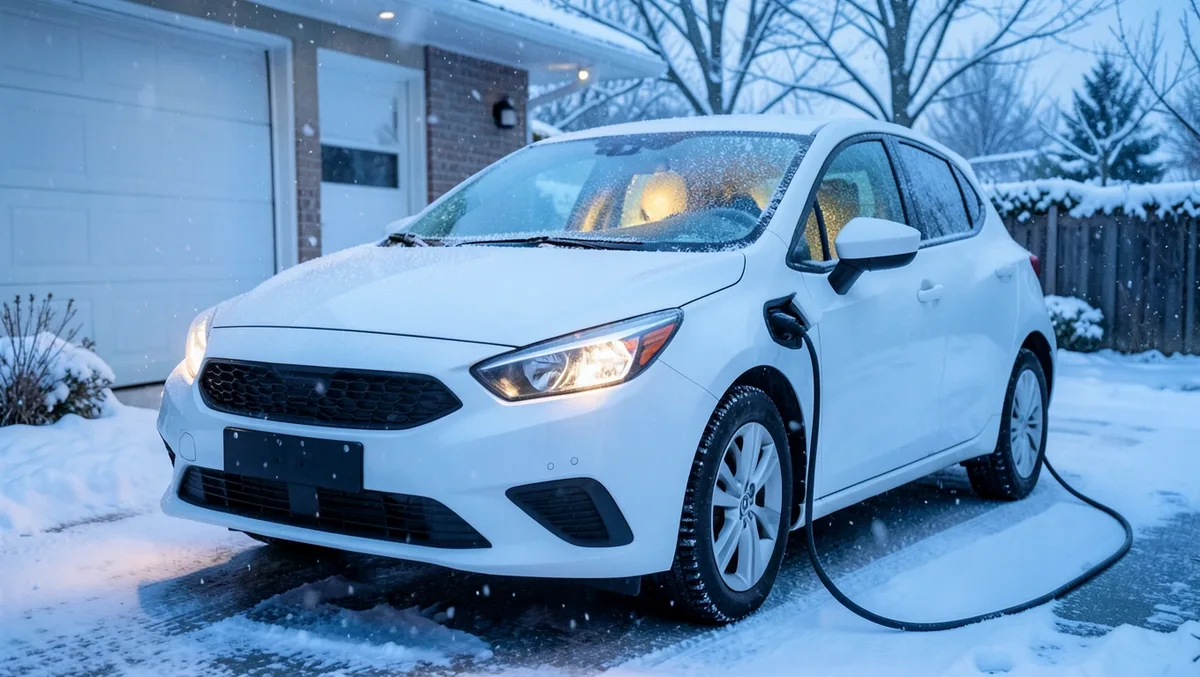
How Does Heat Work in an Electric Car? (Heat Pump vs Resistive)
Electric cars warm the cabin with electricity from the battery instead of engine waste heat, using either a resistive heater (basically an electric space heater) or a heat pump that moves outside heat into the cabin the same way an air conditioner works in reverse. A resistive heater turns 100% of the electricity it draws into heat, while a heat pump can produce three to four times more heat than the electricity it consumes, which is why heat pump-equipped EVs hold onto noticeably more range in cold weather.
In a real-world study of more than 30,000 vehicles by Recurrent, EVs with a heat pump kept about 83% of their normal range in freezing conditions, compared with about 75% for otherwise similar EVs without one. Below, we break down the actual heating components inside an EV, why the heater pulls from the same battery that drives the motor, and how to limit the range hit on a cold morning.
What Makes Heating an Electric Car Different?
When I first got my electric car, I assumed it would heat up like my old gas car. I was wrong. Gas cars use waste heat from the engine to warm the cabin, but electric cars don’t have combustion engines. Instead, they rely on electricity from the battery to generate heat. This makes the system more efficient but also more complex.
I noticed my EV’s heater didn’t kick in instantly like a gas car’s. It takes a bit to warm up, but it’s steady and reliable once it does. Understanding this difference helped me appreciate the cleverness of EV heating systems. They’re designed to keep you comfortable without burning fuel, but they pull power from the battery, which can affect your driving range.
How Electric Car Heaters Work
Electric cars use electric heaters to warm the cabin. I’ve learned there are a few main types, and each works a bit differently. Here’s what I’ve found:
Resistive Heaters
This is the simplest type. I had an older EV model with a resistive heater, which works like a space heater in your home. It uses electricity to heat a coil, and a fan blows air over the coil to warm the cabin. It’s effective but uses a lot of battery power. I noticed my range dropped by about 10% on cold days when I cranked the heat.
Resistive heaters are common in budget EVs. They’re reliable but not the most efficient. I learned to use them sparingly to save battery life.
Heat Pumps
Newer electric cars increasingly use heat pumps instead of a simple resistive heater. A heat pump does not generate heat directly, it moves existing heat from outside the car into the cabin, the same way an air conditioner works in reverse, by compressing and expanding refrigerant. Because it is moving heat rather than creating it from scratch, a heat pump can produce roughly three to four times more heat per unit of electricity than a resistive heater, which converts electricity into heat at a flat one-to-one ratio.
That efficiency gap shows up clearly in real-world data. Recurrent’s analysis of more than 30,000 EVs found that heat pump-equipped models retained about 83% of their normal range in freezing weather, versus roughly 75% for otherwise similar EVs without one; a Tesla Model 3 with a heat pump specifically lost about 13% of its real-world range in the cold, compared with 21% for a Model 3 without one. Heat pumps do lose their edge as temperatures drop toward 0°F, at which point they run about as efficiently as a resistive heater, so most EVs automatically blend in resistive (PTC) backup heat once it gets that cold.
Positive Temperature Coefficient (PTC) Heaters
Some EVs use PTC heaters, which are a type of resistive heater but smarter. They adjust their power use based on temperature. I borrowed a friend’s EV with a PTC heater, and it felt consistent—no sudden power spikes. These are common in mid-range EVs and balance efficiency and performance.
How Heat Affects Battery Range
One thing I learned quickly with my EV is that heat eats into your range. The battery powers everything, including the heater, so using it reduces how far you can drive. On a cold day, I saw my range drop from 250 miles to about 200 when I ran the heater full blast. It was a shock at first, but I’ve figured out ways to manage it.
Heat pumps are better for range, using 2-4 kW of power compared to 5-7 kW for resistive heaters. I check my car’s energy monitor to see how much the heater’s using. Preheating the cabin while plugged in also helps, which I’ll talk about later. Knowing this, I plan my trips carefully in winter to avoid running out of juice.

Components of an EV Heating System
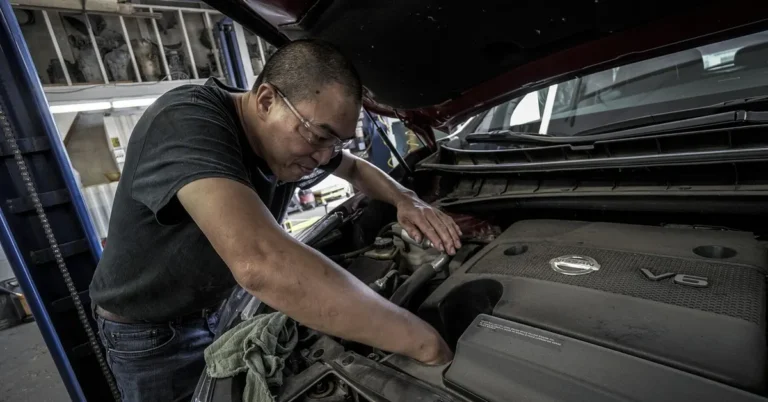
The heating system in an electric car has a few key parts. I’ve peeked under the hood of my EV and talked to mechanics to understand them:
- Heater Core or Element: This generates the heat, whether it’s a resistive coil, PTC element, or heat pump exchanger. It’s the heart of the system.
- Blower Fan: This pushes warm air into the cabin. I love how quiet my EV’s fan is compared to my old gas car.
- Coolant System: Some EVs use liquid coolant to transfer heat. My car has a coolant loop that warms the cabin and battery.
- Control Module: This manages the heater’s settings. I adjust mine through the touchscreen, which lets me set exact temperatures.
- Battery Pack: The battery powers the heater. I keep an eye on its charge level in cold weather to avoid surprises.
These parts work together to keep you warm. I’ve noticed my system runs smoothly as long as I maintain it, like checking coolant levels.
Preheating: A Game-Changer for Comfort and Efficiency
One of my favorite EV features is preheating. I can warm up the cabin while the car’s plugged in, using power from the charger instead of the battery. I set it through my car’s app before leaving home, and it’s toasty by the time I get in. This saves battery range and makes winter mornings so much better.
To preheat, I use the app or the car’s climate control to set a temperature. It takes about 10-15 minutes to warm up. I’ve found preheating cuts range loss by about half compared to heating while driving. Most EVs, like mine, let you schedule preheating, so it’s ready when you are.
Seat and Steering Wheel Heaters
I was thrilled to discover my EV’s heated seats and steering wheel. They use less power than the cabin heater—about 0.1-0.3 kW compared to 2-7 kW. I turn on the seat heaters first and keep the cabin heater low. It keeps me cozy without draining the battery much.
My car has three heat levels for the seats, and level two is usually enough. The heated steering wheel is a lifesaver on cold mornings—I don’t need gloves anymore. I recommend using these features to save range, especially on short trips.
Battery Heating in Cold Weather
Electric cars don’t just heat the cabin—they also warm the battery. I learned this when I noticed my car’s range was better after it warmed up. Cold batteries don’t perform well, so EVs use a heating system to keep them at the right temperature, usually 70-90°F.
My car has a battery heater that kicks in automatically. It uses a small amount of power, about 0.5-1 kW, but it’s worth it for better performance. I’ve seen my range improve by 5-10% when the battery’s warm. Preheating the battery while plugged in is another trick I use to save range.
Tips to Maximize Heat Efficiency
After a few winters with my EV, I’ve picked up some tricks to stay warm without killing the battery:
- Preheat While Plugged In: I always warm the cabin and battery before unplugging. It saves range and feels luxurious.
- Use Seat and Steering Heaters: These use less power than the cabin heater. I rely on them for quick trips.
- Set a Moderate Temperature: I keep my cabin at 68°F instead of 75°F. It’s comfortable and saves energy.
- Drive in Eco Mode: My car’s eco mode reduces heater power slightly. I use it in winter to stretch my range.
- Keep Windows Clear: Defrosting uses a lot of power. I clear ice manually with a scraper to save battery.
These habits have helped me get through cold months without range anxiety.
Common Heating Issues in Electric Cars
Even the best systems can have problems. I’ve run into a few issues with my EV’s heat:
- Slow Warm-Up: Resistive heaters can take a few minutes to get hot. I learned to be patient or preheat.
- Reduced Range: Heaters drain the battery, especially in sub-zero temps. I plan for a 10-20% less range in winter.
- Heat Pump Failure: Heat pumps lose their efficiency edge as it approaches 0°F and lean on resistive backup heat automatically. I still switch on seat heaters at that point to save extra range.
- Coolant Leaks: A leak in the coolant system can stop the heater. I had to top off my coolant once after noticing weak heat.
- Electrical Glitches: A software bug once turned off my heater. A quick reboot of the car’s system fixed it.
If the heat doesn’t work, I check the settings first, then the coolant. For bigger issues, I take it to a service center.
Maintaining Your EV’s Heating System
Keeping the heating system in good shape is key. I’ve learned these maintenance tips:
- Check Coolant Levels: I inspect the coolant reservoir every few months. Low coolant can weaken the heater.
- Clean the Cabin Air Filter: A clogged filter reduces airflow. I replace mine yearly for about $20.
- Update Software: My EV gets over-the-air updates that fix heater glitches. I always install them promptly.
- Inspect the Battery: A weak battery struggles to power the heater. I test mine with a multimeter before winter.
- Schedule Service: I take my car for a checkup every year to catch issues early. It’s saved me from costly repairs.
Regular care keeps my heater running smoothly all winter.
How Weather Affects EV Heating
Weather plays a big role in how your EV’s heater performs. I’ve noticed these patterns:
- Mild Cold (30-50°F): Heat pumps work great here, and range loss is minimal, about 5-10%. I barely notice a difference.
- Freezing Temps (0-30°F): Heat pumps lose efficiency, and resistive heaters drain more battery. I plan for a 15-20% less range.
- Subzero Temps (Below 0°F): Heaters work harder, and the range can drop 20-30%. I use seat heaters and preheat to cope.
- Humid Conditions: Defrosting in rain or snow uses extra power. I clear windows manually to save energy.
I check the weather forecast before long trips to plan charging stops if needed.

Comparing Heating Systems in Popular EVs
Here’s a table I made based on my experience and research on EV heating systems:
| EV Model | Heating System | Pros | Cons | Range Impact in Cold |
|---|---|---|---|---|
| Tesla Model 3/Y | Heat Pump | Uses drivetrain waste heat, strong efficiency | Needs resistive backup near 0°F | 10-15% loss |
| Nissan Leaf (Older) | Resistive Heater | Simple, reliable | High battery drain | 20-30% loss |
| Chevy Bolt | PTC Heater | Consistent, moderate efficiency | Slower warm-up than heat pump | 15-25% loss |
| Rivian R1T/R1S | Heat Pump | Fast heating, good efficiency | Expensive repairs if it fails | 10-20% loss |
| Ford Mustang Mach-E | Heat Pump/PTC | Flexible, works in varied climates | Complex system, pricier maintenance | 10-20% loss |
This table helps me explain why my car’s heat pump is worth the upgrade over older resistive systems.
My Personal Experience
When I got my first EV, a used model with a resistive heater, I was shocked at how much range I lost in winter, sometimes 50 miles on a full charge. Switching to a newer EV with a heat pump was a game-changer. I now preheat every morning using the app, and my heated seats keep me comfortable without cranking the cabin heater. I’ve also learned to monitor my battery and plan trips carefully in cold weather. Once, a software glitch turned off my heater, but a quick reboot fixed it. Owning an EV has taught me to appreciate its smart heating system and plan to stay warm.
Conclusion
Understanding how heat works in an electric car takes the mystery out of staying comfortable on the road. From heat pumps to seat warmers, EVs use clever systems to keep you cozy without a gas engine. I’ve learned to love preheating my car and using seat heaters to save battery life. By following my tips, like preheating while plugged in and maintaining the system, you can enjoy a warm ride without sacrificing range. Electric cars are different, but with a little know-how, you’ll stay toasty no matter the weather. Got more questions? Check out the FAQs below for quick answers!
FAQs
Why does my EV’s heater reduce my driving range?
The heater uses battery power, unlike gas cars that use engine heat. I lose about 10-20% range in winter, but preheating helps.
Is a heat pump better than a resistive heater?
Yes. A heat pump can produce three to four times more heat per unit of electricity than a resistive heater. Real-world data from a 30,000-vehicle study shows heat pump EVs retain about 83% of their normal range in freezing weather, versus about 75% for EVs without one.
Can I preheat my EV without draining the battery?
Absolutely. I preheat while plugged in, using charger power instead of the battery. It’s a lifesaver in winter.
Why does my EV’s heater take longer to warm up?
Resistive heaters need time to heat the coil. My old EV took 3-5 minutes, but preheating solves this.
Do heated seats save battery compared to the cabin heater?
Yes, they use way less power. I turn on my seat heaters first and keep the cabin heater low to save range.
What should I do if my EV’s heater stops working?
Check the settings and coolant level first. I had a glitch fixed by rebooting the car. If it persists, visit a service center.
Products related to this article
Sponsored / affiliate links. As an Amazon Associate I earn from qualifying purchases. I may earn additional commission from eligible campaigns.