Do Electric Cars Have Tailpipes: Debunking Common Myths
Have you ever wondered if electric cars have tailpipes? It’s a simple question, but the answer can change how you think about driving and the environment.
If you’re curious about what makes electric cars different from traditional vehicles, this article is for you. Keep reading to discover the surprising truth about electric cars and tailpipes—and what it means for your next ride.
Electric Cars And Tailpipes
Electric cars have changed how people think about driving. One common question is about their tailpipes. Do electric cars have tailpipes like regular cars? This section explains the link between electric cars and tailpipes. It also covers how tailpipes work and their role in emissions.
How Traditional Tailpipes Work
Traditional cars use engines that burn fuel. This process creates gases like carbon dioxide and nitrogen oxides. These gases exit the car through the tailpipe. The tailpipe directs harmful gases away from the vehicle. It also helps reduce noise from the engine.
Why Tailpipes Matter For Emissions
Tailpipes release exhaust gases into the air. These gases cause air pollution and harm health. Regulations limit the amount of pollution from tailpipes. Car makers add filters and converters to reduce emissions. Clean air depends on controlling these tailpipe emissions.
Credit: wepoweryourcar.com
Tailpipes In Electric Vehicles
Electric vehicles (EVs) differ from traditional cars in many ways. One key difference is the presence of tailpipes. Tailpipes release exhaust gases from burning fuel. Since electric vehicles do not use fuel combustion, their design changes drastically. This section explores the role of tailpipes in electric vehicles.
Absence Of Tailpipes In Battery Evs
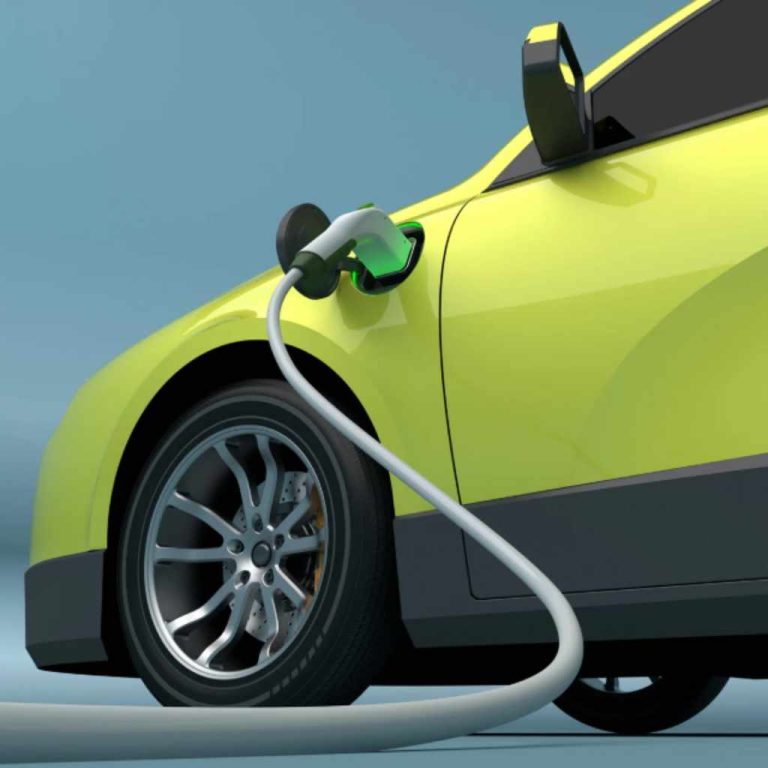
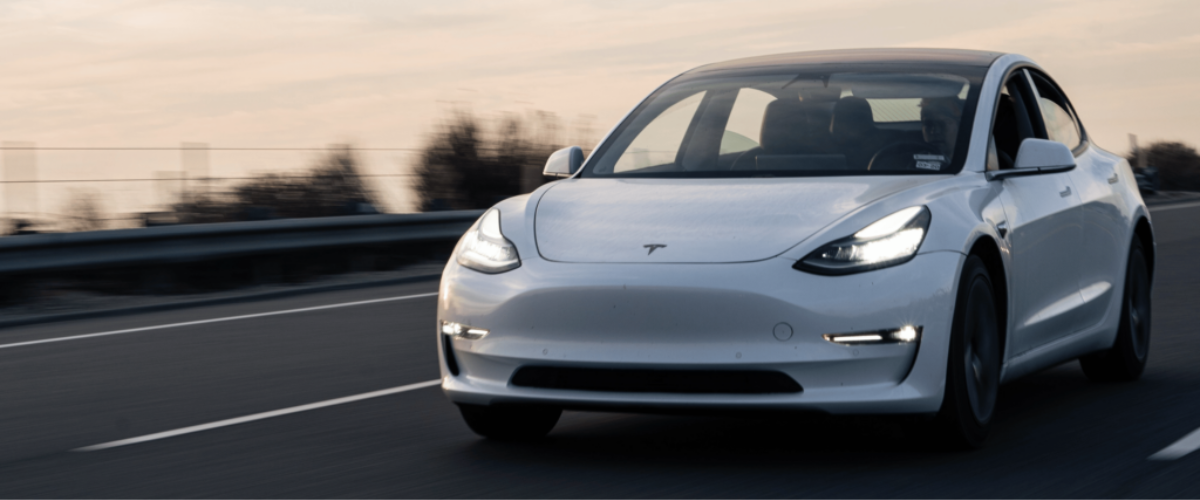
Battery electric vehicles (BEVs) run on electricity stored in batteries. They do not burn gasoline or diesel. Because of this, BEVs have no exhaust gases to release. This means they do not need tailpipes. Without tailpipes, these cars produce zero exhaust emissions. This feature makes BEVs cleaner for the environment.
Exceptions: Hybrid And Fuel Cell Vehicles
Some electric vehicles still have tailpipes. Plug-in hybrids combine a gasoline engine with an electric motor. They use fuel and produce exhaust, so they keep tailpipes. Fuel cell vehicles generate electricity using hydrogen. Their only emission is water vapor. Some designs include small tailpipes to release this vapor safely.
Common Myths About Electric Car Tailpipes
Many people have wrong ideas about electric cars and their tailpipes. These myths can confuse buyers and slow down the shift to clean transport. Let’s clear up some common myths about electric car tailpipes.
Myth: All Cars Need Tailpipes
Not all cars need tailpipes. Gas cars burn fuel and release exhaust gases. Tailpipes release these gases outside the car. Electric cars run on batteries and electric motors. They do not burn fuel or produce exhaust. So, they do not need tailpipes at all.
Myth: Evs Emit Harmful Gases
Electric vehicles do not emit harmful gases. They run on electricity stored in batteries. No fuel combustion means no exhaust emissions. This helps reduce air pollution. EVs are cleaner for cities and people’s health.
Myth: Tailpipes Are Hidden In Evs
Some believe electric cars have hidden tailpipes. This is not true. EVs simply do not have tailpipes. There is nothing to hide. The absence of tailpipes is a key sign that the car is electric.
Credit: prathimahospitals.com
Environmental Impact Without Tailpipes
Electric cars do not have tailpipes, which changes their impact on the environment. Without tailpipes, they do not release harmful gases while driving. This helps reduce air pollution in cities and towns. The lack of tailpipe emissions is one key reason why electric vehicles (EVs) are seen as cleaner alternatives.
Zero Tailpipe Emissions Explained
Electric cars run on batteries, not fuel. They do not burn gasoline or diesel. This means no smoke, no carbon dioxide, and no toxic gases come out of a tailpipe. Zero tailpipe emissions help improve air quality and reduce health risks. It also lowers the amount of greenhouse gases that cause climate change.
Life Cycle Emissions Of Evs
Electric cars still create emissions during production and electricity generation. Building batteries uses energy and resources. The source of electricity matters a lot. If the power comes from coal, emissions are higher. Using renewable energy cuts these emissions significantly. Over time, electric cars usually produce fewer emissions than traditional cars.
Future Trends And Innovations
Electric cars continue to evolve rapidly. New technologies and designs shape their future. These changes affect how electric vehicles look and perform. They also influence environmental rules and standards. Understanding these trends helps us see what lies ahead for electric cars without tailpipes.
Advances In Ev Design
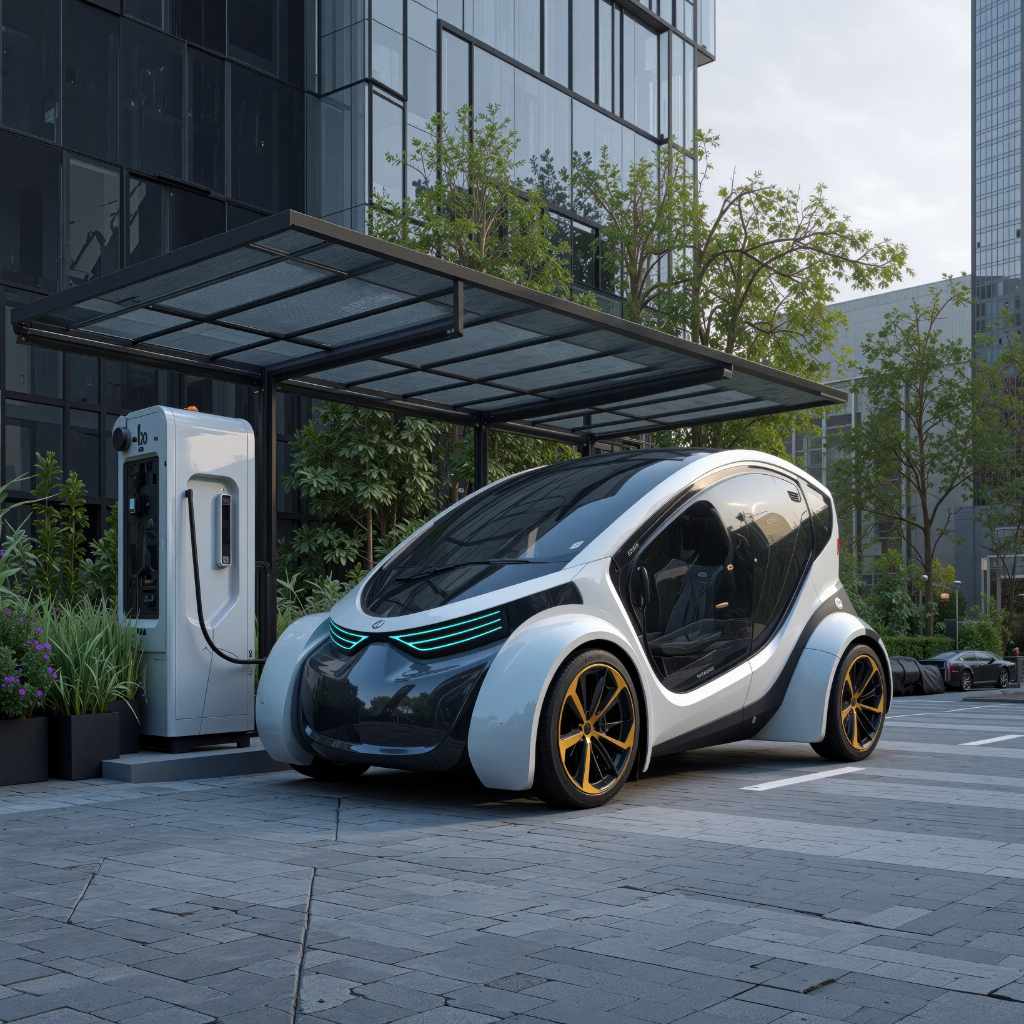
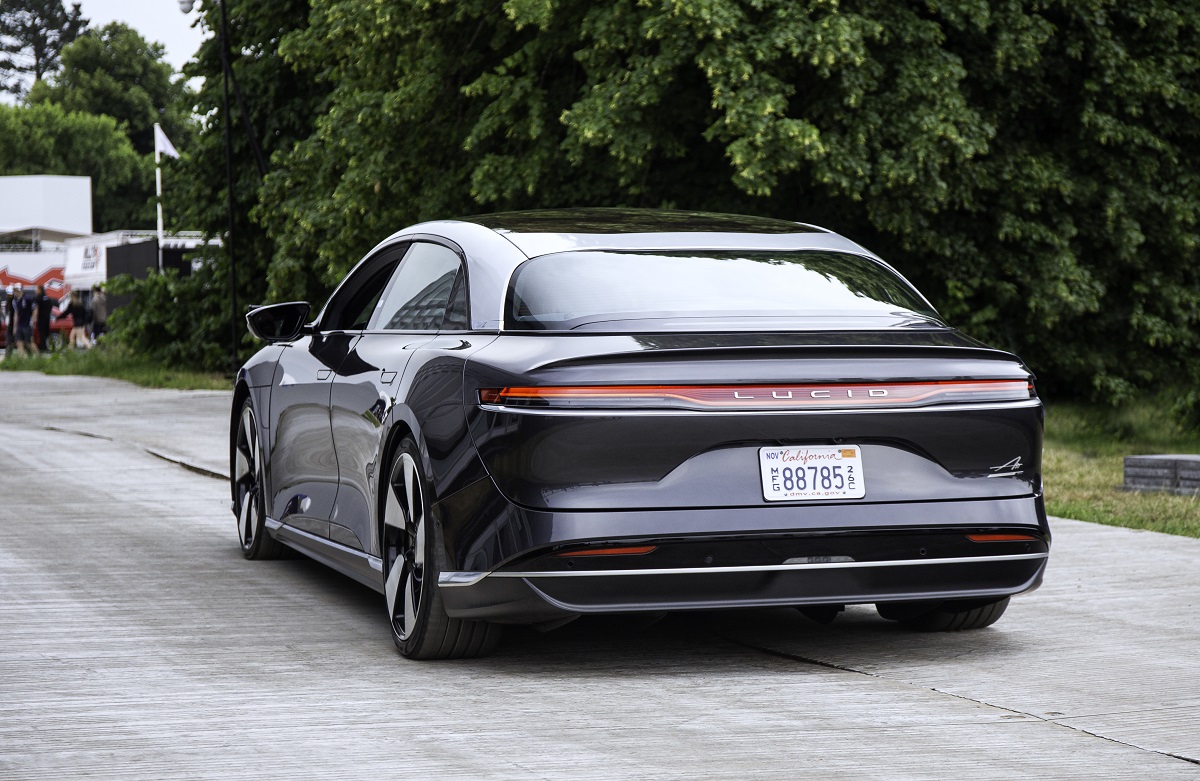
Electric vehicles are becoming more efficient and stylish. Engineers focus on better battery placement and lighter materials. This improves driving range and handling. Some designs remove traditional exhaust parts entirely. These changes make electric cars quieter and cleaner. Designers also explore new shapes to reduce air resistance. This leads to less energy use and longer trips.
Potential Changes In Vehicle Emission Standards
Governments plan to tighten emission rules worldwide. These rules affect all types of vehicles, including electric ones. New standards may require zero emissions from all cars. This will push more people to choose electric vehicles. Regulations might also encourage improvements in battery recycling. Cleaner production methods could become mandatory. These changes aim to reduce pollution and protect the environment.
Credit: www.motorbiscuit.com
Frequently Asked Questions
Do Electric Cars Have Tailpipes Like Traditional Cars?
Electric cars do not have tailpipes because they produce zero exhaust emissions. Unlike gasoline cars, they run on batteries and electric motors. This eliminates the need for tailpipes, which are used to expel combustion gases in traditional vehicles.
Why Don’t Electric Cars Need Tailpipes?
Electric cars don’t need tailpipes since they don’t burn fuel. They operate silently using electric motors powered by batteries. This results in no harmful exhaust gases, removing the requirement for tailpipes to release emissions.
How Do Electric Cars Manage Emissions Without Tailpipes?
Electric cars produce no tailpipe emissions because they use electricity instead of fuel. Their energy source emits no pollutants during driving. Any emissions come from electricity generation, not the vehicle itself, making tailpipes unnecessary.
Can Electric Cars Contribute To Air Pollution Without Tailpipes?
Electric cars themselves don’t emit pollutants or have tailpipes. However, pollution depends on electricity sources. Using renewable energy reduces overall emissions, while fossil fuel-based electricity can indirectly impact air quality.
Conclusion
Electric cars do not have tailpipes because they produce no exhaust. This means they do not release harmful gases into the air. Without tailpipes, electric cars help keep the environment cleaner. They run quietly and smoothly, making driving more pleasant.
As more people choose electric cars, air quality can improve. Understanding this helps you see why electric cars matter. They offer a fresh way to travel without pollution. Simple and clear, electric cars show a path to a cleaner future.