Do I Need a Police Report for a Car Accident? Let’s Find Out!
My first car accident was a total mess! I bumped into a car at a stoplight, and I froze, wondering, Do I need a police report for a car accident? It’s a question many of us ask after a fender-bender or worse. This article will help you figure out when you need a police report, how to get one, and why it matters. I’ll share easy tips, simple steps, and a few funny stories from my own crashes to make it clear. Whether you’re a new driver or a pro, you’ll find answers here!
What’s a Police Report for a Car Accident?
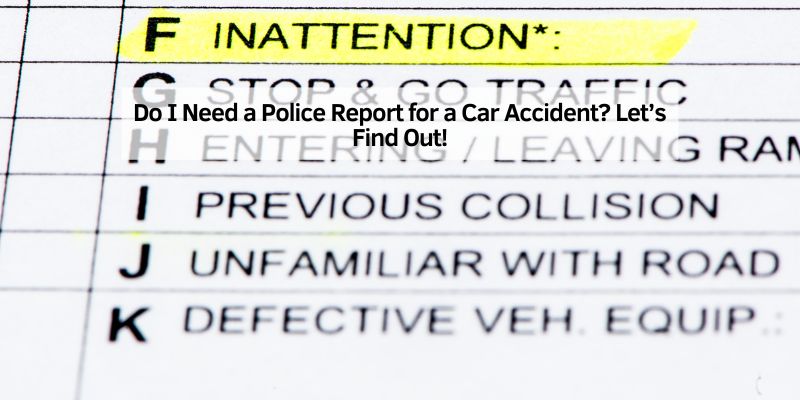
A police report is a paper written by a police officer after a car accident. It’s like a story of what happened, with details like who was there, what got damaged, and if anyone got hurt.
This report helps insurance companies and lawyers figure out who’s at fault. It’s super important for claims or lawsuits. Think of it as your accident’s official record, like a school report card for your crash!
When Do You Need a Police Report?
Not every accident needs a police report, but some do. I learned this the hard way when I didn’t call the cops for a minor scrape and struggled with my insurance later. Here’s when you should get a police report:
- Injuries or big damage: If anyone’s hurt or car damage is over $1,000 (in most states), you need a report.
- Hit-and-run: If someone drives off, call the police to report it.
- Disputes: If you and the other driver disagree on what happened, a report clears things up.
In places like California, you must report accidents with injuries or over $1,000 in damage to the DMV within 10 days. Check your state’s rules on sites like DMV.org.
When Can You Skip a Police Report?
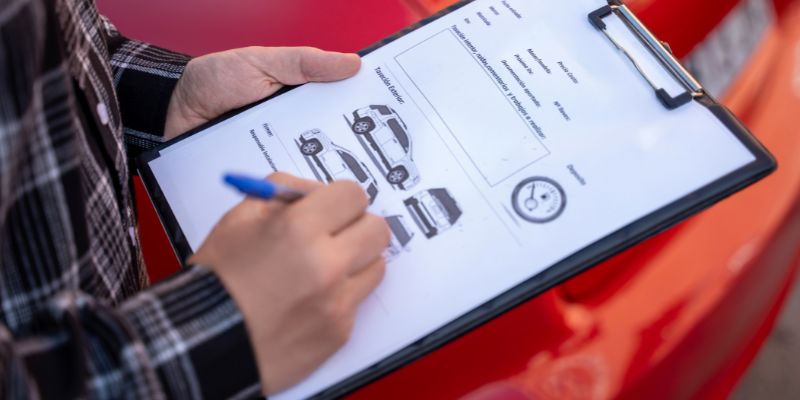
For small accidents, you might not need a report. My second crash was a tiny dent in a parking lot. We swapped info, took photos, and settled it ourselves. You can skip a report if:
- No one’s hurt.
- Damage is minor (under $1,000 in most states).
- Everyone agrees on what happened.
Still, it’s smart to take pictures and exchange insurance info, just in case.
How to Get a Police Report: Easy Steps
Getting a police report is no sweat if you know what to do. Here’s a simple guide based on my experience:
- Call the police: If the accident needs a report, call 911 or the local non-emergency number.
- Share details: Tell the officer what happened. Be honest but stick to facts.
- Get the report number: The officer will give you a number to track your report.
- Request a copy: Visit the police station, go online, or mail a request. Most cost $6–$20.
For example, in Chicago, you can get a report online at chicagopolice.org for $6. It’s a piece of cake!
What’s in a Police Report?
A police report has key info about your accident. Here’s what you’ll usually find:
- Date, time, and place: When and where the crash happened.
- People involved: Names, addresses, and insurance details of drivers and witnesses.
- Damage and injuries: What got broken and who got hurt.
- Officer’s notes: What the officer saw, like skid marks or weather.
Sometimes, the officer might say who they think caused the crash. That’s their opinion, not a final ruling. Insurance companies decide fault on their own.
Benefits of a Police Report
A police report can save you a lot of headaches. Here’s why it’s awesome:
- Proves what happened: It’s a clear record for insurance or court.
- Speeds up claims: Insurance companies love official reports.
- Protects you: If someone lies about the accident, the report backs you up.
Once, my friend didn’t get a report, and the other driver claimed he wasn’t at fault. It was a nightmare to sort out without proof!
Drawbacks of a Police Report
Police reports aren’t perfect. Here are a few downsides:
- Time and cost: Waiting for police or paying for the report ($6–$22) can be a hassle.
- Errors: Officers might get details wrong, like my birthday once (I had to fix it!).
- Not always needed: For tiny accidents, it might be extra work.
If you spot a mistake, contact the police department with proof, like your driver’s license, to correct it.
Alternatives to a Police Report
No police report? No worries! You can still file an insurance claim or settle privately. Here’s how:
- Take photos: Snap pictures of damage, the scene, and license plates.
- Exchange info: Get the other driver’s name, insurance, and contact details.
- Talk to witnesses: Ask bystanders for their names and phone numbers.
I once settled a small crash by sharing photos with my insurance company. It worked fine, but a report would’ve been easier.
My Top Tips for Handling Car Accidents
After a few fender-benders, I’ve got some tricks up my sleeve. Here are my best tips:
- Stay calm: Panicking makes things worse. Take a deep breath!
- Keep a checklist: Store a card in your glovebox with steps like “call police, take photos.”
- Know your state’s rules: Check your state’s DMV site for accident reporting laws.
These tips saved me when I rear-ended a truck last year. I stayed cool and got everything sorted fast.
Comparing Police Report Requirements by State
Different states have different rules for police reports. Here’s a quick look at a few:
| State | Report Needed If | Time to Report | Cost for Copy |
|---|---|---|---|
| California | Injury, death, or damage over $1,000 | 10 days to DMV | $10–$20 |
| Texas | Injury, death, or damage over $1,000 | 10 days to TxDOT | $6–$8 |
| New York | Injury, death, or damage over $1,000 | 10 days to DMV | $7–$15 |
Table 1: Police Report Requirements by State
This table shows when you need a report and how much it costs. Check your state’s DMV for exact rules.
Costs of Getting a Police Report
Here’s what you might pay for a police report in different places:
| City/State | Online Cost | In-Person Cost | Mail Cost |
|---|---|---|---|
| Chicago, IL | $6 | $6 | $6 |
| Houston, TX | $6 | $6 | $6 |
| Philadelphia, PA | $15 | $15 | $15 |
Table 2: Police Report Costs
Costs vary, so check with your local police department. Online is usually the cheapest option.
Visual Ideas for Better Understanding
To make this easier, here are some visuals that could help (not included):
- Flowchart: A simple chart showing “Accident → Call Police? → Report or No Report.”
- Checklist: A glovebox card with steps like “Take photos, call insurance.”
- Diagram: A sketch of a crash scene labeling cars, damage, and witnesses.
These would make the process super clear, especially for new drivers!
Common Mistakes to Avoid
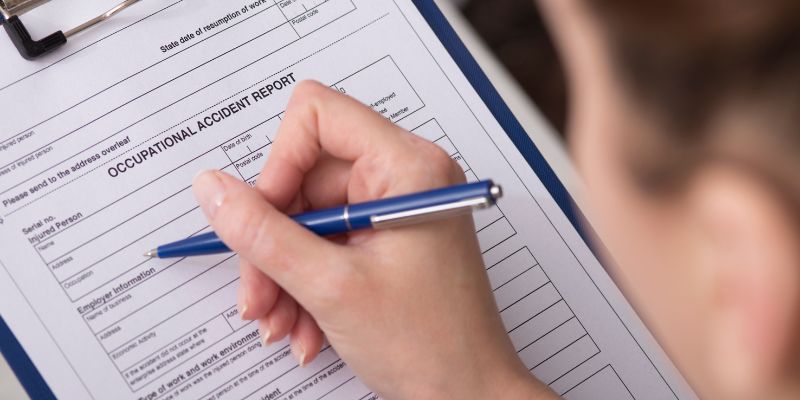
Don’t make these rookie mistakes I did early on:
- Not calling police for big accidents: If someone’s hurt, always call 911.
- Forgetting photos: Pictures are your backup if there’s no report.
- Waiting too long: Report accidents within your state’s deadline (usually 10 days).
Frequently Asked Questions
Do I Need a Police Report for a Minor Car Accident?
No, you don’t always need a police report for a minor accident. If there’s no injury and damage is under $1,000, you can swap info and settle with insurance. Always take photos, though!
Can I File an Insurance Claim Without a Police Report?
Yes, you can file a claim without a report. Share photos, witness info, and your story with your insurance company. A report makes it easier, but it’s not required.
How Long Does It Take to Get a Police Report?
It takes 7–60 days, depending on your state and who filed the report. Online systems, like New York’s, can be faster, often 7–14 days.
What If the Police Report Has a Mistake?
Contact the police department with proof, like your driver’s license or photos, to fix errors. Factual mistakes, like wrong dates, are easier to correct than opinions.
Do I Need a Police Report for a Hit-and-Run?
Yes, always call the police for a hit-and-run. They’ll file a report to document the incident, which helps with insurance claims or catching the driver.
Can I Get a Police Report Online?
Yes, many places like Chicago and Texas let you get reports online for $6–$15. Check your local police website for details.
Why Is a Police Report Helpful for Insurance?
A police report gives clear proof of what happened, like damage and witness statements. It speeds up claims and protects you if someone lies about the accident.
Conclusion
Figuring out do I need a police report for a car accident is easier than it seems. If there’s big damage, injuries, or a hit-and-run, get a report. For small crashes, photos and swapped info might be enough. Keep a checklist in your car, stay calm, and check your state’s rules on DMV.org. Try making a glovebox card with accident steps today—it’s a lifesaver! Share your tips or stories in the comments. Stay safe on the road!