Who Pays for a Loaner Car? Warranty, Insurance and Fees
Usually, the dealership pays for a loaner car during a warranty repair, and your own auto insurance pays if the loaner follows an accident claim. You are most likely to pay out of pocket only for a loaner tied to a repair your warranty does not cover, and dealerships that charge for one typically bill $30 to $50 a day. This guide breaks down exactly who is on the hook in each situation, what paperwork gets you the keys, and what a loaner car does, and does not, mean for a lemon law claim.
What Is a Loaner Car?
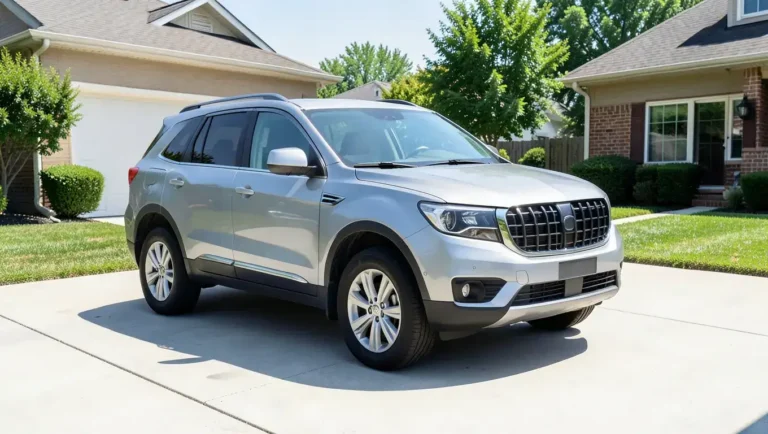
A loaner car is a vehicle a dealership or repair shop lends you at no charge while your own car is being serviced, sometimes called a courtesy car. It typically comes from the dealership’s own service fleet, is usually a current or recent model year, and is meant to keep you on the road for however long the repair takes. Our full breakdown of what a loaner car actually is covers how it differs from a demo or a rental in more detail.
Not every dealership runs a loaner program, and the ones that do usually reserve it for specific situations rather than every visit. Knowing which situation applies to you, and who is actually responsible for the cost, keeps you from being surprised by a bill you did not expect.
Why Do Dealerships Offer Loaner Cars?
A loaner program costs a dealership real money in insurance, depreciation, and vehicles that are not sitting on the lot ready to sell. Dealerships run one anyway because a customer who is not stranded during a repair is a customer who keeps coming back for service, and repeat service business is one of the most consistently profitable parts of running a dealership. Manufacturers also help make the math work for warranty and recall repairs, since a car sitting in a service bay for days under warranty is effectively the manufacturer’s responsibility rather than a cost the dealer should absorb alone.

Who Pays for a Loaner Car?
There is no single answer, because it depends on why your car is in the shop in the first place. Three parties typically end up covering the cost: the dealership itself, your auto insurance company, or you.
Dealership Pays
Most loaner cars are provided free of charge by the dealership for warranty-covered repairs and safety recalls. The manufacturer usually reimburses the dealer, at least in part, for lending you a car during a warranty repair, which is part of why loaners are rarely offered for routine maintenance like an oil change or tire rotation, jobs that do not take your car out of service for long. Factory and extended warranty rental-benefit programs commonly cap this reimbursement at $30 to $50 a day for a limited number of days per repair, so even a “free” loaner has a real dollar figure behind it, one the dealer is billing back to the manufacturer or warranty provider rather than you.
Insurance Pays
If your car needs repair after an accident, a loaner may come through your own insurance rather than the dealer. Many auto policies include an optional rental reimbursement coverage that pays a set daily amount, commonly in the $30 to $50 range, toward a replacement vehicle while a covered claim is being repaired. Confirm the coverage actually exists on your policy and ask whether you need to use a specific rental partner, since our guide to whether insurance covers a loaner car walks through exactly what is and is not typically included.
You Might Pay
If the repair falls outside your warranty and is not tied to an insurance claim, some dealerships will still lend you a car, but for a daily fee rather than for free. Ask before you sign anything: an undisclosed fee is the most common source of loaner-related surprise charges, and a dealer should have you acknowledge the cost, and any deposit hold, in writing before you drive off.
Table 1: Who Pays for a Loaner Car?
| Situation | Who Pays? | Typical Cost |
|---|---|---|
| Warranty repair or safety recall | Dealership | Free to you |
| Accident repair | Insurance, if you carry rental reimbursement coverage | Covered up to your policy’s daily limit |
| Non-warranty repair | You | $30-$50 per day |
Caption: Who actually pays for a loaner car comes down to why your vehicle needed the repair in the first place.
Does Having a Loaner Car Affect a Lemon Law Claim?
If your vehicle has needed repeated warranty repairs for the same problem, you may be building toward a lemon law claim, and it is worth knowing that a loaner does not reset the clock. Most state lemon laws count the total number of days your vehicle has been out of service for repairs, and those days keep accumulating even while you are driving a loaner, because you still do not have your own vehicle back. Do not assume that being handed a courtesy car means a repair no longer counts toward a buyback or replacement claim.
If your case does qualify as a lemon and you pursue a buyback or replacement, many state lemon laws let you recover incidental expenses as part of the settlement, and a rental car you paid for out of pocket can sometimes be included in that reimbursement. Keep every rental and loaner-related receipt from the start of the dispute, since documentation is what turns “I paid for a rental” into money you actually get back.
How to Get a Loaner Car
Getting a loaner car is usually straightforward, but a few steps up front save you from problems later.
- Call the dealership first. Ask directly whether they offer loaners and whether one will be available for your specific repair. Some locations need advance notice, especially for a longer repair.
- Bring your documents. A valid driver’s license and proof of insurance are standard requirements almost everywhere.
- Read the paperwork before you sign. Check for any daily fee, mileage limit, or fuel policy, and note any existing damage on the loaner before you drive it off the lot.
- Return it on time. Bring the loaner back once your repair is finished. Late returns commonly carry a fee of $65 or more per day.
What You Need for a Loaner Car
Dealerships set their own requirements, but you can generally expect to need:
- A valid driver’s license.
- Active car insurance that covers you while driving another vehicle.
- A credit card for a security deposit hold, commonly around $500.
- A minimum age, typically 21 or 25 depending on the dealer.
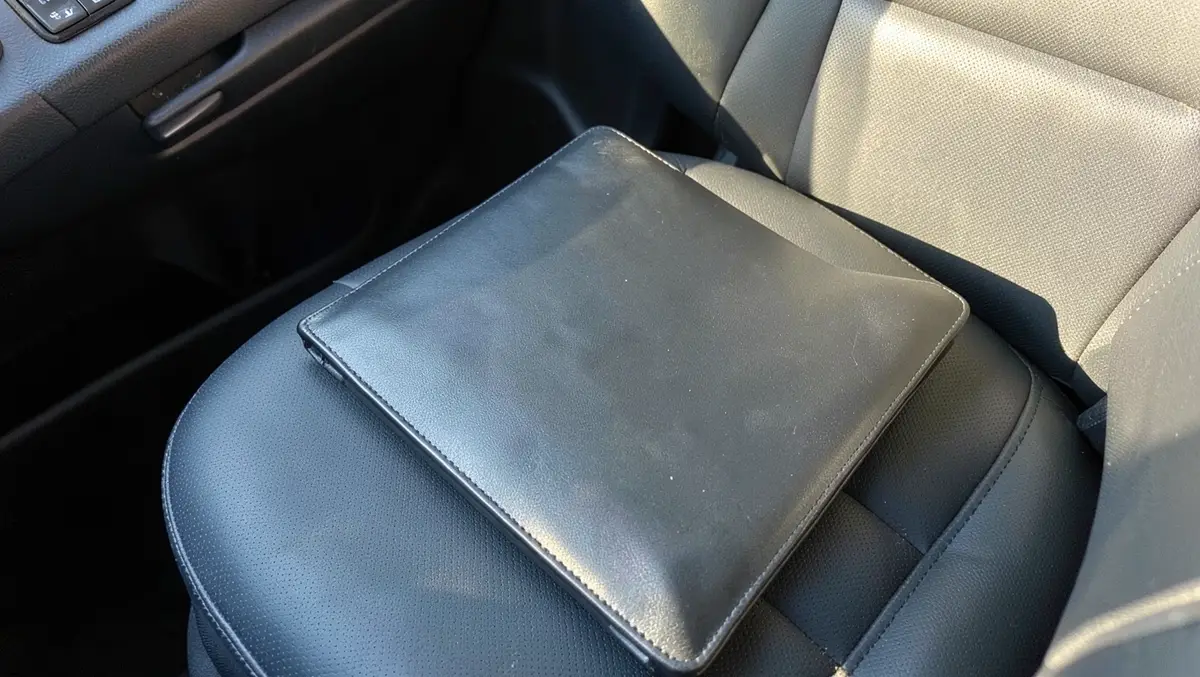
Table 2: Requirements for a Loaner Car
| Item | Why It’s Needed | Tips |
|---|---|---|
| Driver’s License | Confirms you’re legally able to drive | Bring the physical card, not a photo of it |
| Insurance | Covers you and the dealer in the event of an accident | Confirm it extends to a non-owned vehicle |
| Credit Card | Secures a hold against fees or damage | Ask the exact hold amount before you hand it over |
Caption: These are the three things most dealerships ask for before they hand over the keys to a loaner car.
Benefits of a Loaner Car
A loaner solves a real problem when your own car is out of commission:
- You keep moving. You can still get to work, school, or appointments without arranging your own backup transportation.
- You get a feel for a newer model. Loaners are usually recent-model-year vehicles, which occasionally influences what a customer buys next.
- It’s usually free. For a warranty repair or recall, a loaner typically costs you nothing beyond your normal insurance and fuel.
Drawbacks to Watch For
A loaner isn’t a free pass, though. Keep these in mind:
- Limited availability. Not every dealership keeps a large fleet, and you may have to wait for one to become free.
- Strict rules. No smoking and no pets are standard, and a violation can bring a cleaning fee well over $100.
- You’re responsible while you have it. Tickets and accidents in the loaner are on you, so confirm your own policy actually covers a non-owned vehicle.
Tips for Using a Loaner Car Without Trouble
A few habits keep the process smooth and avoid unnecessary fees:
- Ask questions up front. Confirm whether it’s free, whether there’s a mileage limit, and what happens if the repair runs long.
- Inspect the car before you leave. Photograph any existing dents or scratches and point them out to the advisor on the spot.
- Drive it like it’s your own. Tickets, tolls, and accidents in a loaner are still your responsibility.
Common Mistakes to Avoid
A handful of avoidable mistakes cause most loaner-related headaches:
- Skipping the paperwork instead of reading it fully.
- Forgetting to return the loaner on time, which racks up late fees quickly.
- Assuming your insurance automatically covers a loaner without actually checking.
Other Options If You Don’t Get a Loaner
No loaner available? A few fallbacks usually work just as well:
- Rental car. Compare a few companies before booking, since rates for the same class of car can vary a lot between them. Check with your insurance first, since a covered claim may pay for this directly.
- Rideshare. Uber or Lyft cover short trips quickly without any paperwork at all.
- Public transit. A bus or train route works well if you’re close to a stop and the repair is short.
Table 3: Alternatives to Loaner Cars
| Option | Cost | Best For |
|---|---|---|
| Rental Car | $30-$100/day | Longer repairs |
| Rideshare | $5-$20/trip | Short trips |
| Bus/Train | $2-$10/trip | Nearby travel |
Caption: This table compares other ways to get around without a loaner car.
Conclusion
Most of the time, whoever is responsible for the repair is also responsible for the loaner: the dealership on warranty work and recalls, your insurer after a covered accident, and you when neither of those applies. Ask your service advisor directly before you agree to take one, confirm what your own insurance actually covers, and hold on to your paperwork if you are ever building toward a lemon law claim, since days out of service do not stop counting just because you have a courtesy car to drive in the meantime.
For brand-specific policies, see our breakdowns of whether Honda, BMW, and Ford dealerships give loaners, or how Hyundai’s policy compares. And if you want to know whether a loaner should really be free in your situation, our guide to whether loaner cars are free goes deeper into when dealerships do, and don’t, charge for one.
Frequently Asked Questions
What is a loaner car?
A loaner car is a vehicle a dealership lends you at no charge while your own car is being repaired. It’s usually a recent-model-year vehicle from the dealer’s own fleet, and it’s meant to keep you mobile for the length of the repair.
Who pays for a loaner car?
The dealership usually pays for warranty repairs and recalls. Your insurance may pay if the repair follows an accident and your policy includes rental reimbursement coverage. For other repairs, some dealers charge you a daily fee. Always ask your service advisor which situation applies before you accept the keys.
Do I need insurance for a loaner car?
Yes. Most dealerships require active car insurance before releasing a loaner, and most personal auto policies do extend to a loaner, but it’s worth confirming with your insurer. Without coverage, you could be personally responsible for any damage or fees.
Can anyone drive the loaner car?
Typically only the person named on the paperwork, and sometimes a household member who is also listed on the same insurance policy. Some dealers allow additional drivers over a set age, often 25. Check the agreement before letting anyone else get behind the wheel.
What if I damage the loaner car?
You’re responsible for damage that happens while you have the loaner, and your own insurance is typically what covers it. Note any existing scratches or dents before you drive off, and report new damage to the dealer immediately rather than waiting until you return the car.
Are loaner cars free?
Most are free for warranty repairs and recalls. For repairs outside your warranty, some dealers charge a daily fee, commonly in the $30 to $50 range. Read the loaner agreement so you know which situation you’re in before you accept.
How long can I keep a loaner car?
You keep it until your own car’s repair is finished, and you’re expected to return it the same day or the next morning after you’re notified. Late returns commonly carry a fee of $65 or more per day.
Does having a loaner car affect a lemon law claim?
No, not in the way people often assume. Most state lemon laws count total days your vehicle has been out of service, and that count keeps running even while you’re driving a loaner. A loaner does not disqualify a repair from counting toward a buyback or replacement claim.
Products related to this article
Sponsored / affiliate links. As an Amazon Associate I earn from qualifying purchases. I may earn additional commission from eligible campaigns.