Do Race Cars Have Power Steering: Unveiling the Truth
Have you ever wondered what makes race cars zoom effortlessly around sharp corners at high speeds? You might think it’s all about the driver’s skill, but the secret lies in the car’s mechanics.
One crucial component that often sparks curiosity is power steering. You may ask yourself, “Do race cars have power steering? ” Understanding this can change the way you view the thrilling world of racing. Imagine gripping the wheel, feeling every turn, and knowing how it all works.
This knowledge could enhance your appreciation for the sport and even improve your driving experience. Dive into this fascinating topic to uncover the truth behind race cars and power steering.
Credit: thesportsrush.com
Power Steering In Modern Race Cars
Race cars used to have simple steering systems. Drivers needed strong arms to turn the wheel. Manual steering made it hard to drive fast and safe. As time passed, technology improved. Power steering became important in race cars. It made driving easier and safer. Now, drivers can turn the wheel with less effort. They can focus more on racing.
Today’s race cars use advanced power steering systems. These systems use hydraulics and electronics. Hydraulics help in moving heavy parts smoothly. Electronics make steering more precise. This helps the driver steer better during fast races. Power steering in race cars keeps getting better. Engineers work hard to improve it every year.
Benefits Of Power Steering
Power steering makes driving easy. Drivers feel less tired because it helps turn the wheel. Imagine driving without it. Hands would hurt, and arms would get tired. Power steering makes the wheel lighter. So, drivers have more comfort during long races. Steering becomes as easy as a breeze. Less strain means more focus on the race.
Quick turns become simple. Power steering allows for fast direction changes. This helps in tight corners. Drivers can steer with precision. It helps control the car better. Quick reactions can make a big difference. In racing, every second counts. Power steering offers smooth and easy handling. This helps in tight spots.
Challenges In Race Car Steering
Race cars often lack power steering, creating challenges for drivers. Steering requires more physical strength, impacting control during high-speed turns. Precision and skill become crucial to manage the increased steering effort effectively.
Weight Concerns
Race cars are fast. They need to be light. Heavy steering parts can slow them down. Power steering adds weight. This can affect speed. Drivers want the car to be light. A light car is faster. Engineers look for ways to reduce weight. Keeping the car light is a big challenge.
Reliability Issues
Race cars need reliable steering. Steering problems can cause accidents. Power steering can fail. This is risky for drivers. Reliability is important. Engineers work hard to make steering reliable. They test parts many times. Race cars must be safe. Safety comes first.

Credit: www.youtube.com
Alternatives To Power Steering
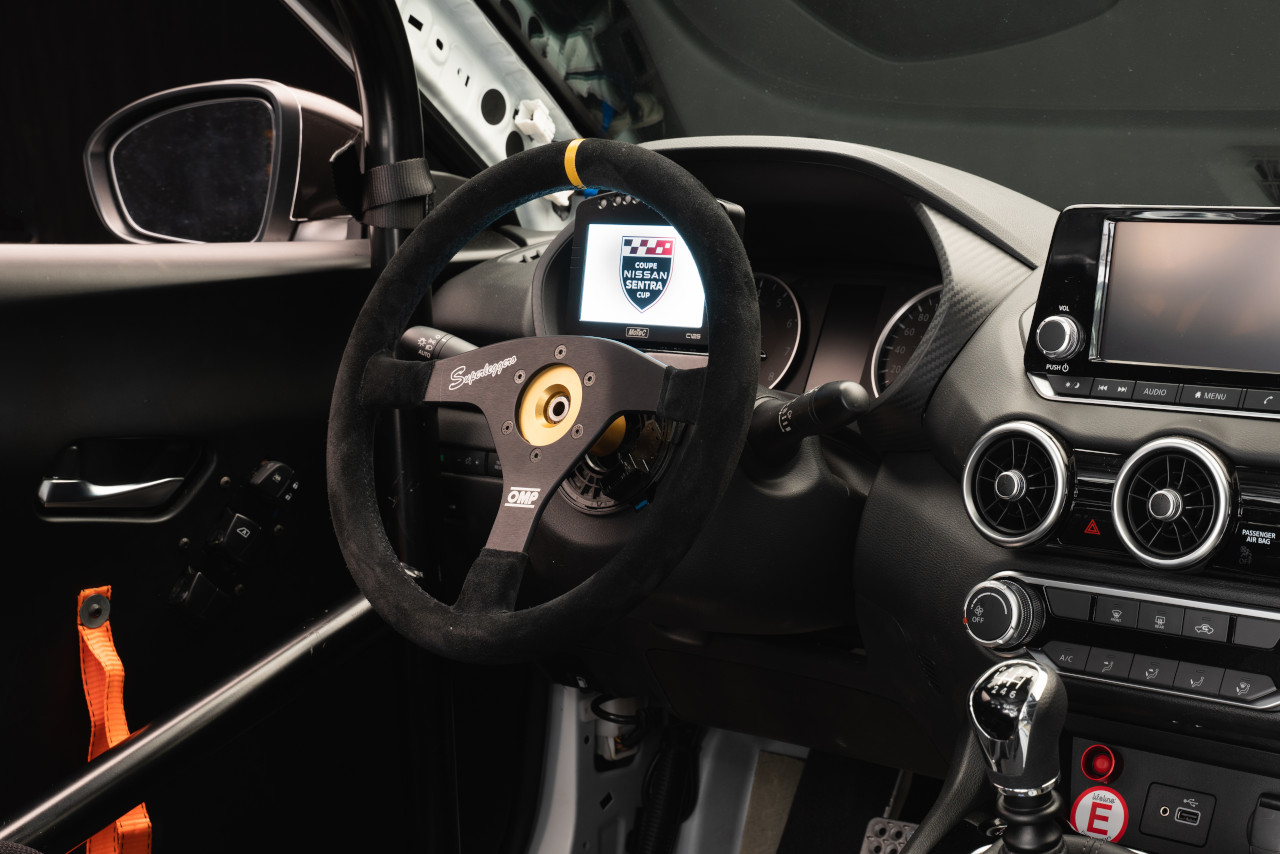
Race cars often skip power steering to save weight and improve control. Drivers rely on their strength and skill. Manual steering systems provide more road feedback, essential for precision at high speeds.
Manual Steering Systems
Many race cars use manual steering systems. These systems are simple. They give drivers direct control. Drivers feel the road better. Steering is harder at low speeds. But at high speeds, it becomes easier. This system is reliable. It rarely breaks. It’s lightweight, which is good for speed. Drivers need strong arms to use it. They train to handle it well.
Electronic Steering Solutions
Some race cars have electronic steering solutions. These systems use sensors. Sensors help adjust steering. They make steering easier. Electronic systems can change quickly. They adapt to different tracks. These systems are complex. They need careful setup. They sometimes need repairs. But they help drivers steer better. Many racers trust them for smooth turns.
Impact On Racing Performance
Power steering helps cars steer more smoothly. Race cars with power steering can move fast. Drivers can make quick turns with ease. This helps in tight corners on tracks. Steering is light and easy to handle. This makes cars faster and safer.
Some drivers like to feel the road. Experienced drivers may prefer no power steering. It gives them better control. But new drivers might need the help. Power steering can make learning easier. It reduces physical strain on the driver. This lets them focus more on the race.
Credit: www.driftshop.com
Future Trends In Race Car Steering
Race cars are always evolving. Engineers work hard to make them faster. They create new designsfor steering systems. These designs help drivers turn easily. They focus on making steering light and quick. It’s important for racers to control their cars well.
Technology changes fast. Race cars are now testing autonomous steering. This helps cars steer by themselves. It can improve safety during races. Engineers need to ensure drivers still have control. Combining technology with human skills is key. It’s an exciting time for racing.
Frequently Asked Questions
Is There Power Steering In Race Cars?
Yes, many race cars have power steering. It helps drivers handle high speeds and tight turns. Power steering reduces fatigue during long races. Some drivers prefer non-assisted steering for more precise feedback. The choice depends on the racing category and driver preference.
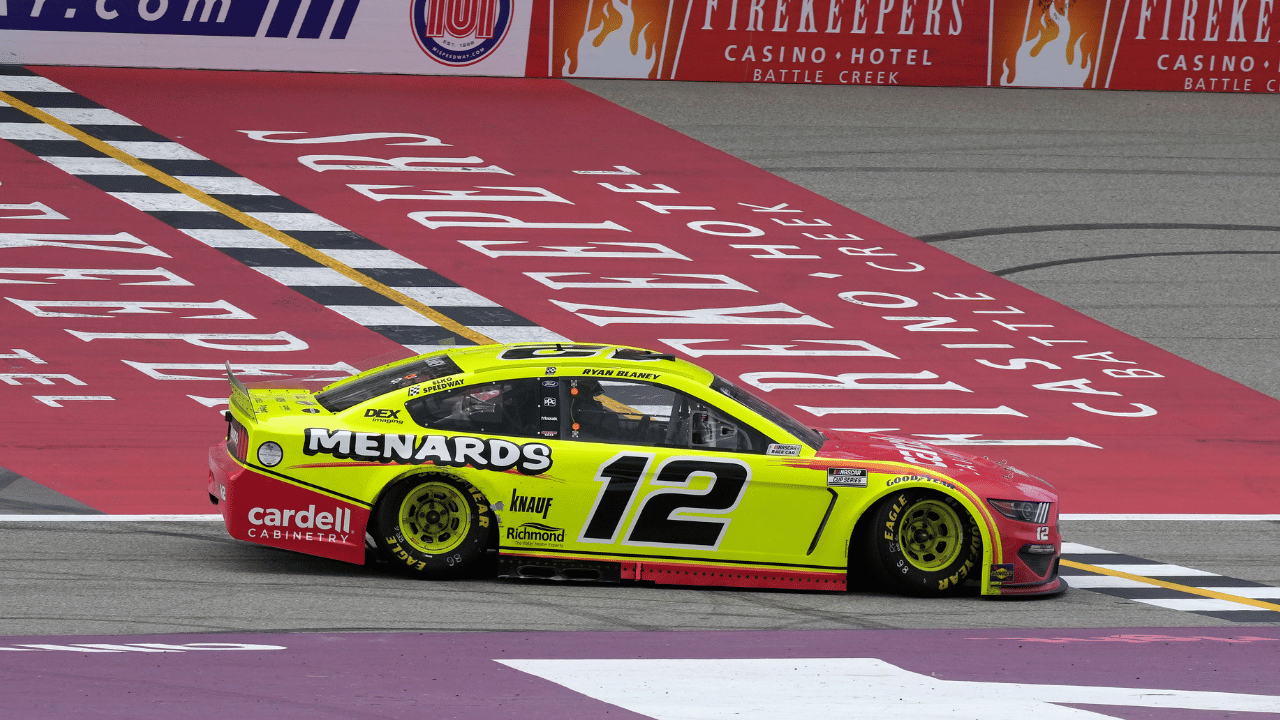
Do Nascar Vehicles Have Power Steering?
Yes, NASCAR vehicles do have power steering. It helps drivers manage high speeds and tight turns more efficiently. Power steering reduces physical strain, enhancing driver control and performance during races. This technology is crucial for maintaining precision and safety in competitive racing environments.
Why Do Indy Cars Not Have Power Steering?
Indy cars lack power steering to enhance driver control and feedback. This design aids precision in high-speed racing. Drivers rely on direct mechanical links to feel the track better, ensuring safer and more competitive races. Power steering can reduce this vital sensory connection, impacting performance.
What Race Cars Don’t Have Power Steering?
Many Formula 1 cars before 1989 and some vintage race cars lack power steering. NASCAR vehicles also don’t use power steering for better road feedback. These cars prioritize driver skill and tactile feedback over steering ease.
Conclusion
Race cars often use power steering for better control. Drivers need precision on the track. Power steering helps reduce effort. It allows for quicker, smoother turns. This can give drivers an edge in races. Not all race cars have it, though.
Some prefer the direct feel without it. The choice depends on the driver and race type. Understanding this can enhance race strategy. It shows how technology meets skill in racing. Whether with or without power steering, racing demands focus and expertise.
This decision impacts performance and driving experience.