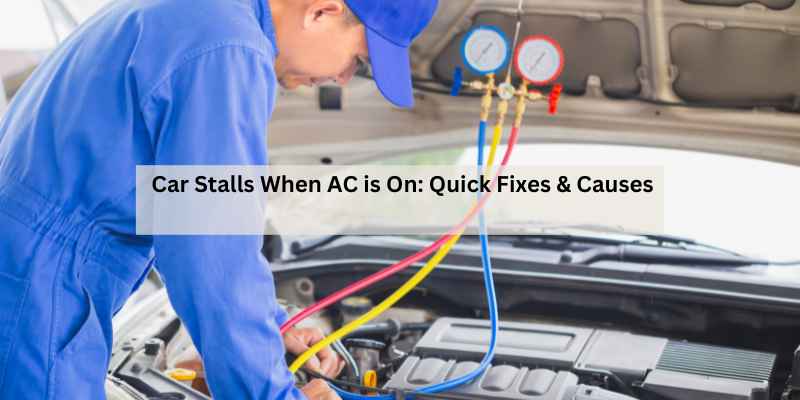
Car Stalls When AC Is On: Causes, Fixes & Overheating vs. Stalling
A car that stalls when the AC is on almost always comes down to one thing: the engine can’t compensate for the extra load the AC compressor puts on it at idle. A healthy engine automatically raises idle speed a few hundred RPM the moment the compressor clutch engages — if that compensation fails (a dirty idle air control valve, a weak battery, low refrigerant, or a vacuum leak), the idle drops low enough to stall.
This guide covers the actual mechanism behind AC-related stalling, the specific parts most likely to be at fault, quick tests you can run in the driveway with a multimeter, and how to tell a stalling problem apart from a related but different symptom — a car that runs hot (not stalling) when the AC is on at idle.
Quick Answer: Your car stalls when the AC is on because the compressor clutch adds a sudden mechanical load the engine isn’t compensating for. The most common causes, in order of likelihood, are a dirty or failing idle air control (IAC) valve, a weak battery or failing alternator, low refrigerant forcing the compressor to work harder, or a vacuum leak. Test your battery (should read 12.4–12.7V off, 13.7–14.7V running) and have the IAC valve cleaned before replacing any expensive AC parts.
Introduction To Car Stalling Issues
Car stalling can be a serious problem. It often occurs when the AC is on. Drivers may notice various symptoms that indicate this issue.
Common symptoms include:
- Engine hesitation
- Reduced power during acceleration
- Rough idling or shaking
- Dashboard warning lights may appear
Understanding these symptoms is important. They can help identify potential mechanical problems early. Ignoring these signs may lead to bigger issues later.
The Role of AC in Car Performance
The air conditioning (AC) system in a car cools the air inside. It uses a compressor that runs on engine power. This process can put a strain on the engine. When the AC is on, the engine has to work harder.
The extra load can lead to stalls. Stalls happen when the engine cannot handle the added demand. It is important to keep the engine in good shape. Regular maintenance helps avoid issues with the AC system.
When engine performance is low, turning off the AC can help. This reduces the engine load. Drivers should monitor engine behavior when using the AC.
Diagnose AC-Related Stalling: Our Top Picks
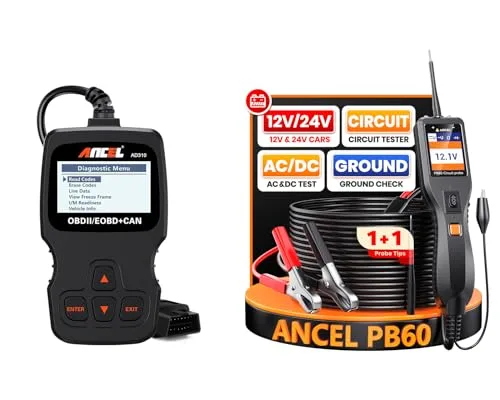
ANCEL AD310 OBD2 Scanner + Circuit Tester (Hero Pick)
Best for: Pulling the actual trouble code before you replace anything.
Why we picked it: Plugs into any 1996+ vehicle’s OBD2 port and reads the exact fault (IAC valve, throttle position, misfire) instead of guessing.
Main drawback: Won’t diagnose AC-specific refrigerant issues — you still need a gauge set for that.
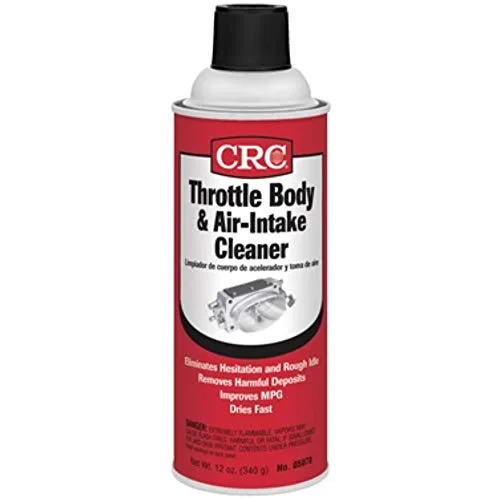 CRC Throttle Body & Air-Intake Cleaner Cleans carbon buildup off the IAC valve and throttle plate without removal. Check on Amazon |
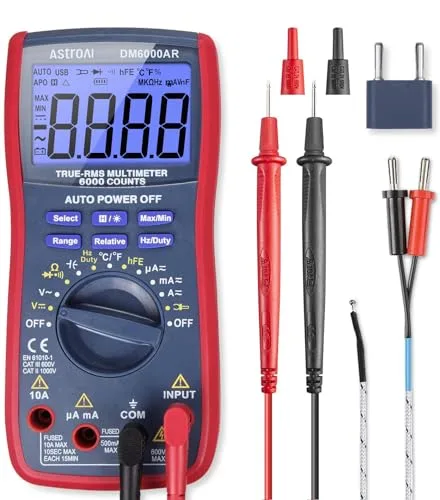 AstroAI True RMS Digital Multimeter Tests battery and alternator voltage in seconds — the two-minute check that rules out an electrical cause. Check on Amazon |
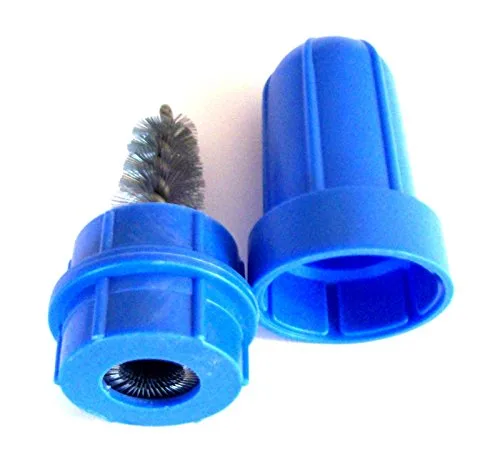 Battery Terminal Cleaner Brush (4-Pack) Corroded terminals mimic a weak battery — this clears the contact surface in under a minute. Check on Amazon |
As an Amazon Associate we earn from qualifying purchases.
Common Causes of Stalling When AC Is On
Low refrigerant levels can cause your car to stall. The air conditioning system relies on this fluid to cool the air. If levels drop too low, the AC puts extra strain on the engine. This can lead to unexpected stalls.
A faulty AC compressor is another common issue. The compressor helps circulate refrigerant through the system. If it malfunctions, it can demand too much power from the engine. This increased load can cause stalling, especially in older vehicles. (A compressor running low on refrigerant oil is a common reason it seizes or draws excess current.)
Electrical System Contributions
A weak battery can cause a car to stall when the AC is on. Batteries provide power to the electrical system. If the battery cannot hold a charge, the engine may struggle.
Alternator issues can also lead to stalling. The alternator charges the battery while the car runs. If it fails, the battery drains quickly. This results in insufficient power for the AC and engine.
| Issue | Effect |
|---|---|
| Weak Battery | Insufficient power for AC and engine |
| Alternator Failure | Battery drains, causing stalling |
The Idle Air Control Valve: Why AC Stalling Happens on Otherwise Healthy Engines
Most articles on this topic explain that the AC compressor “adds load” but skip the part that actually causes the stall: your engine’s computer is supposed to compensate for that load automatically. The moment the AC compressor clutch engages, the PCM commands the idle air control (IAC) valve to let in slightly more air, bumping idle speed up by a few hundred RPM to offset the extra drag. If the IAC valve is dirty, carboned-up, or electrically failing, it can’t respond to that command — the idle stays where it was, the compressor’s drag pulls it down further, and the engine stalls.
This is why AC-related stalling is so common on higher-mileage vehicles even when the AC system itself is working perfectly: the fault is often in the engine’s idle-control hardware, not the AC. On most engines the IAC valve is mounted directly on or near the throttle body, so a shop cleaning one will often clean both. A mechanic can usually clean or test the IAC valve for well under $100, which is worth doing before assuming the AC compressor or refrigerant charge is to blame.
Engine And Fuel System Culprits
Dirty fuel injectors can cause serious engine problems. They affect the fuel flow and efficiency. Cleaning or replacing them improves performance.
Clogged air filters restrict airflow. This leads to poor combustion and engine stalling. Regularly checking and replacing air filters keeps the engine running smoothly.
Quick Fixes You Can Try
Check the refrigerant level in your car’s AC system. Low refrigerant can cause stalls. Look for any leaks in the hoses or connections. If you find a leak, it needs repair.
Test the battery and alternator. A weak battery can cause the engine to stall. Use a multimeter to check the battery voltage. It should read between 12.4V and 12.7V when the engine is off.
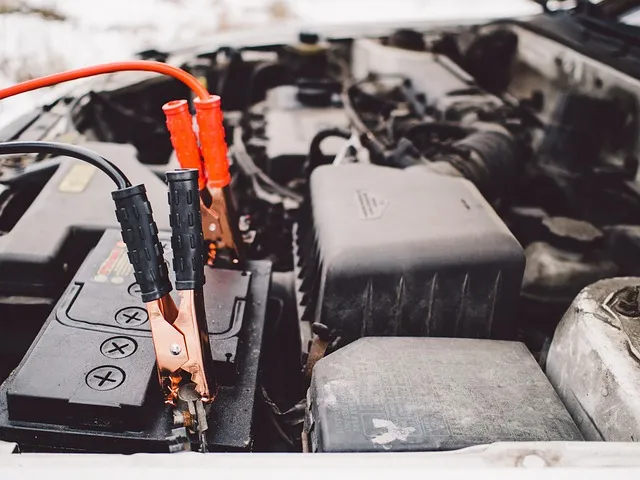
While the engine runs, test the alternator. Voltage should be between 13.7V and 14.7V. If it’s lower, the alternator may need replacement. Make sure all connections are tight and free of corrosion.
When To Seek Professional Help
Car stalling while the AC is on can indicate serious issues. If the problem occurs frequently, it’s time to act. Persistent stalling can lead to more damage and costly repairs.
Check for signs like strange noises or poor performance. These can signal that your engine struggles under the AC load. Noticing these signs means you should get help soon.
| Issue | Possible Cause |
|---|---|
| Frequent Stalling | Weak battery or alternator issues |
| Strange Noises | Faulty AC compressor |
| Poor Performance | Clogged air filter or fuel issues |
An AC system overhaul might be necessary. This can restore your car’s performance. Regular maintenance helps to avoid these issues in the future.
Is Your Car Overheating (Not Stalling) When the AC Is On at Idle?
Stalling and overheating are two different symptoms with two different causes, even though both show up “when the AC is on at idle.” If your temperature gauge is climbing but the engine keeps running, the problem is almost always the cooling/condenser fan, not the idle control system covered above.
When you’re parked or stuck in traffic, there’s no ram air moving through the grille — the engine depends entirely on the electric cooling fan to pull air through the radiator and AC condenser. Turning the AC on adds heat load to that same airflow path right when the car needs it most. A failed fan motor, a bad fan relay, or a faulty coolant temperature sensor that never tells the fan to turn on will let heat build up specifically at idle with the AC running, even though the car cools down fine once you’re driving at speed.
📊 Quick test: if the gauge climbs at idle with AC on but you can’t hear or feel the radiator fan running, check the fan fuse and relay before replacing anything in the AC system itself.
For the full breakdown of idle-specific overheating causes (radiator fan wiring, coolant temp sensors, and low coolant), see our dedicated guide: why does my car heat up when idling.
Preventive Measures And Maintenance Tips
Regular AC check-ups are essential for smooth vehicle operation. Schedule these checks every six months. A professional can spot issues early. This prevents bigger problems later.
Engine health plays a big role in overall performance. Regular tune-ups keep the engine running well. Check the spark plugs, air filters, and fluids often. Clean parts help in better fuel efficiency.
Keep an eye on the coolant levels. Low coolant can cause overheating. Always replace old or damaged components to avoid stalls. Proper maintenance saves money and extends your car’s life.
Frequently Asked Questions
Why Does My Car Shut Off While Idling With the AC On?
Your car may shut off while idling with the AC on due to a faulty idle air control valve, low refrigerant levels, or a weak battery. Other issues could include a dirty throttle body or a failing alternator. Regular maintenance can help prevent these problems.
Why Does My Car Sputter When The Air Conditioner Is On?
Your car may sputter with the air conditioner on due to increased engine load. This can cause fuel delivery issues or a weak ignition system. Check for a clogged air filter, faulty spark plugs, or low refrigerant levels. Regular maintenance can help prevent these problems.
Why Does My Car Run Bad When the AC Is On?
Your car may run poorly with the AC on due to increased engine load. This extra demand can strain the engine, leading to reduced performance. Issues like low coolant or a failing compressor can also contribute. Regular maintenance helps prevent these problems and ensures optimal performance.
Why Is My Engine Sluggish When the AC Is On?
Your engine may feel sluggish with the AC on due to increased load on the engine. The AC compressor draws power, reducing engine efficiency. If the issue persists, check for low refrigerant levels or a malfunctioning compressor. Regular maintenance can help prevent this problem.
Mechanics who see this complaint often note that customers replace the AC compressor first and the stall keeps happening — a cleaned or replaced idle air control valve solves the majority of these cases for a fraction of the cost of AC parts.
Conclusion
Experiencing car stalls with the AC on can be frustrating. Understanding the potential causes is crucial. Regular maintenance can prevent these issues. Always check your vehicle’s electrical and cooling systems. By staying proactive, you can ensure a smoother ride. Keep your car in top shape for a hassle-free driving experience.
Products related to this article
Sponsored / affiliate links. As an Amazon Associate I earn from qualifying purchases. I may earn additional commission from eligible campaigns.