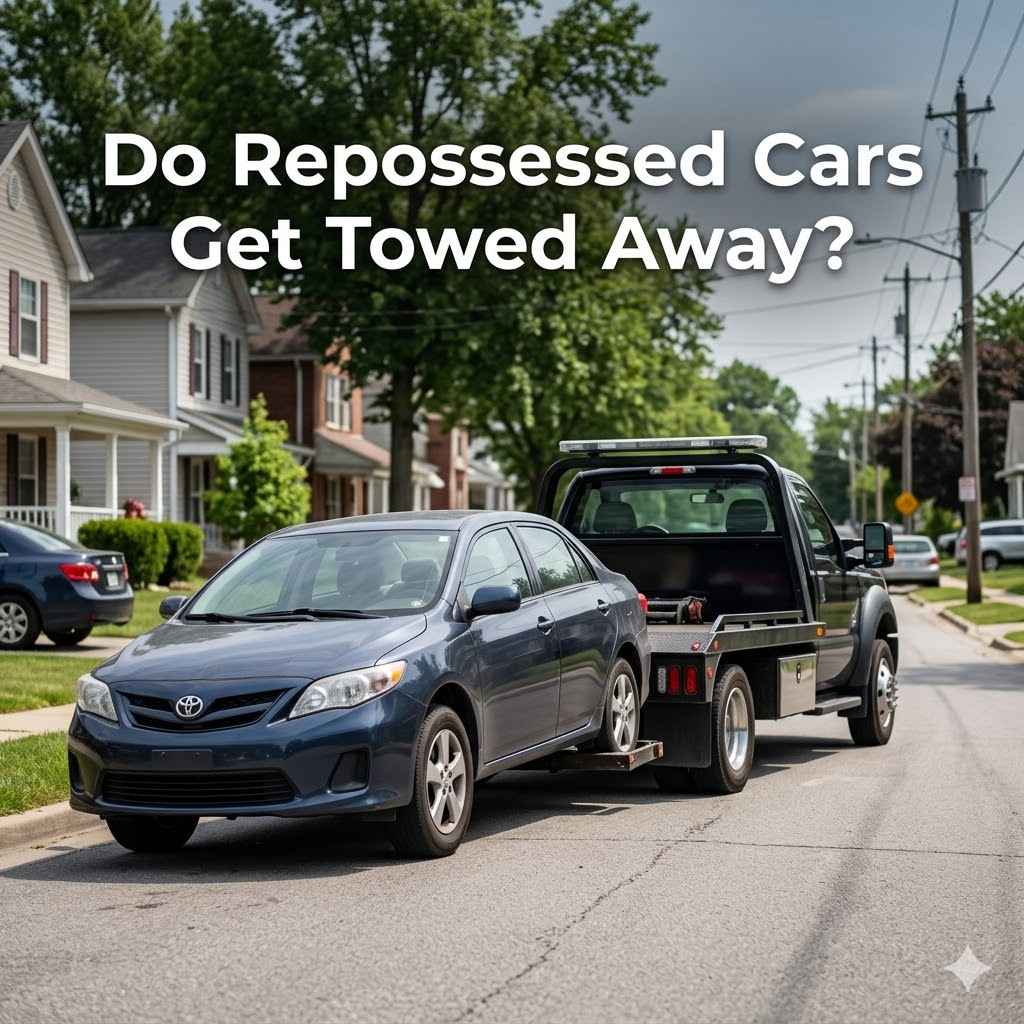
Do Repossessed Cars Get Towed Away?
Many people wonder, “Do repossessed cars get towed away?” This is a common question, especially for those facing financial difficulties. It can feel confusing and a bit scary. But don’t worry, we’ll make it super simple. We’ll walk through exactly what happens with repossessed cars, step by step. Get ready to find out all you need to know without any jargon.
Understanding Car Repossession
When someone can’t make their car loan payments, the lender has the right to take the car back. This process is called repossession. It’s a legal action the lender uses to recover their money when the borrower defaults on the loan agreement. The car serves as collateral for the loan, meaning it’s security for the lender. If the borrower stops paying, the lender can claim the collateral.
What Triggers Repossession?
The main reason for car repossession is missing payments on your car loan. Most loan agreements have a grace period after a missed payment. However, once that period ends and payments remain outstanding, the lender can start the repossession process. This can happen after just one missed payment in some cases, but often it takes several missed payments. Lenders typically send notices before taking further action.
Missing Loan Payments
This is the most direct cause. If your payment is late and you don’t catch up within the allowed time, repossession becomes a possibility. Lenders want to recoup their investment, and your car is their security. It’s important to know your loan contract’s terms regarding late payments and grace periods.
Violating Loan Terms
Besides not paying, there are other ways you might break your car loan agreement. For instance, if you agreed not to sell the car without the lender’s permission and you do, that’s a violation. Also, failing to maintain required insurance on the vehicle can trigger repossession. Lenders want to ensure their collateral is protected.
Lender’s Legal Rights
Once you default on your loan, lenders have legal rights to take back the car. This right is usually outlined in the loan contract you signed. They don’t need a court order to repossess the vehicle in most states, though laws vary. The process generally involves hiring a repossession company.
The Repossession Process Explained
The process starts with missed payments. After a certain number of missed payments, the lender will likely send a formal notice. This notice usually states the amount owed and gives a deadline to pay. If the payment isn’t made, the lender will hire a repossession company. These companies are licensed and follow specific rules. They locate the car and tow it to an impound lot.
The car is then typically stored at a secure facility. You will usually be notified that your car has been repossessed and where it is located. You will then have a limited time to pay off the remaining balance of your loan, plus any repossession fees, to get your car back. If you don’t, the lender will usually sell the car.
A common scenario is when someone loses their job and can no longer afford their car payments. After a few missed payments, they receive a notice from the bank. The bank then sends a tow truck to pick up the car from their driveway.
This can happen quickly, often without much advance warning once the decision to repossess is made.
Do Repossessed Cars Get Towed Away?
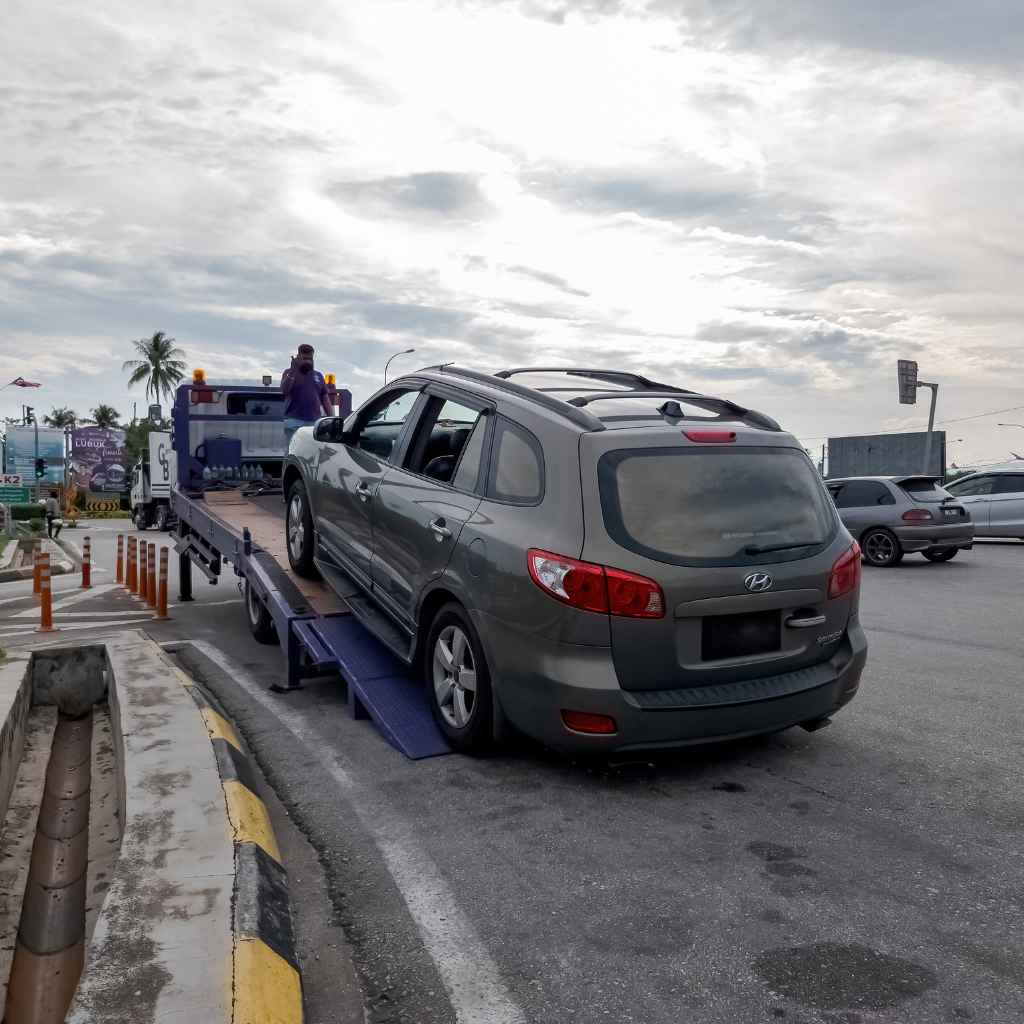
Yes, absolutely. When a car is repossessed, it is almost always towed away. This is the standard procedure for taking physical possession of the vehicle. The tow truck is the vehicle used by the repossession company to remove the car from your property or wherever it is located. The car is then taken to a secure storage facility, often called an impound lot.
Why Towing Is Necessary
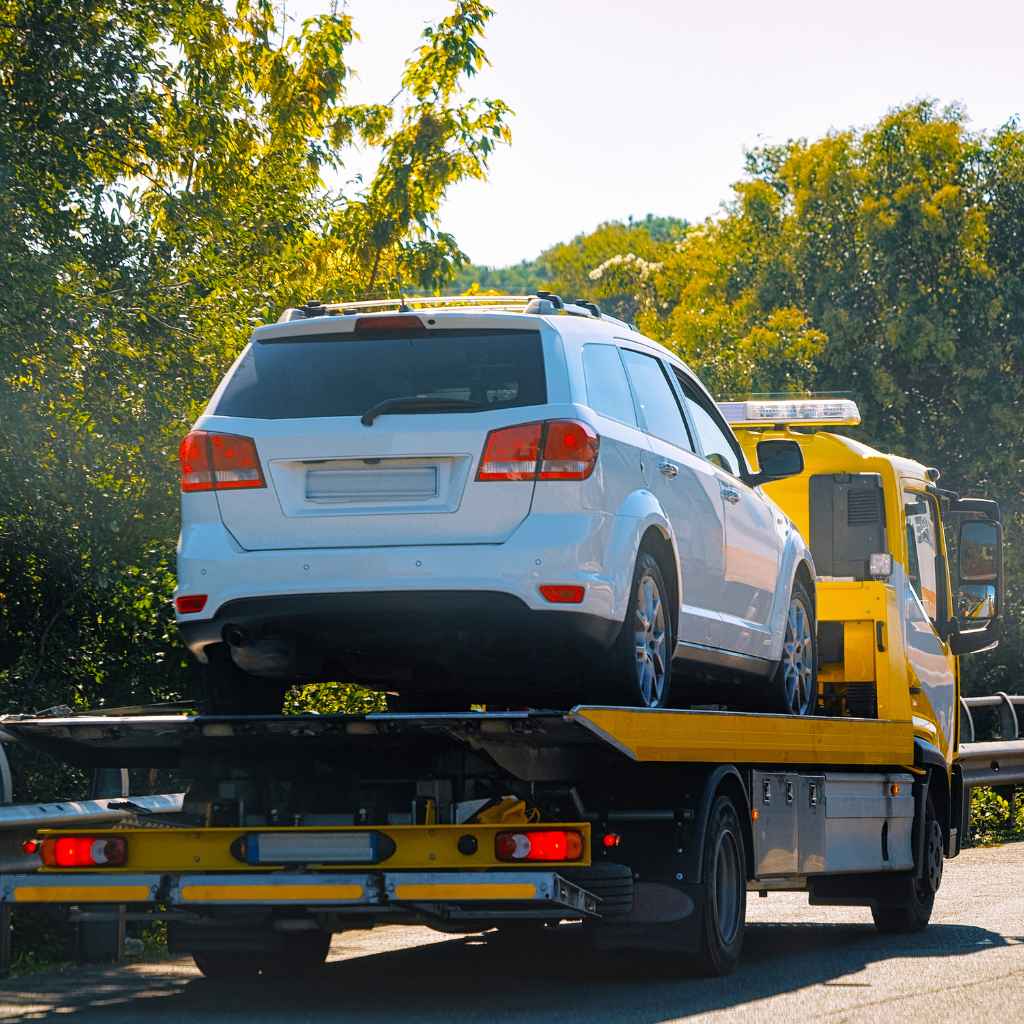
Towing is the only practical way for a lender or their agent to take possession of a vehicle. They cannot simply ask you to bring the car back if you have defaulted. The car might be at your home, at work, or somewhere else. A tow truck is equipped to safely load and transport the vehicle, ensuring it is delivered to the lender’s chosen storage location.
Consider a situation where a car is repossessed from a busy parking lot. The repossession agent would arrive with a flatbed tow truck. They would carefully winch the car onto the truck, then drive it to a storage yard.
This method ensures the car is secured and can’t be driven away by anyone else.
The Towing Procedure
When a repossession company is tasked with taking a car, they typically follow a specific procedure. They will locate the vehicle. Once found, they will attach it to a tow truck. This might involve using a wheel lift or a flatbed trailer. The car is then transported to a designated lot for safekeeping.
The towing itself is usually done by professionals trained in vehicle recovery. They are aware of the legal aspects and aim to complete the task efficiently and without incident. The cost of this towing is often passed on to the car owner as part of the repossession fees.
Imagine a car financed by a credit union. The borrower stops making payments. The credit union contracts a repossession service.
The service finds the car parked on the street. They use a tow truck to lift the car and place it on the back of the truck. Then, the car is taken to a secure lot.
What Happens After Towing
Once a repossessed car is towed away, it’s not the end of the story. There are important steps that follow for both the lender and the former owner. The car is held securely, and the lender will then prepare to sell it to recover their losses. The former owner usually has a window of opportunity to get the car back.
Getting Your Car Back
After your car has been repossessed and towed, you may have a chance to retrieve it. This is often called “reinstatement” or “redemption.” To reinstate the loan, you typically need to pay all the past-due payments, late fees, and any costs associated with the repossession, like towing and storage fees. This is called redemption.
To redeem the car, you would need to pay the entire remaining balance of the loan plus all associated costs. The exact requirements and timeframes for reinstatement or redemption vary by state and by your loan agreement. It’s crucial to contact your lender immediately after repossession to understand your options.
Reinstatement
This is paying what you owe to bring the loan current. It includes missed payments, late fees, and repossession costs. If successful, you get your car back, and the loan continues as before.
Redemption
This involves paying off the entire outstanding loan balance, plus all repossession and storage fees. If you can do this, you will own the car free and clear.
Negotiation
Sometimes, lenders are open to negotiation. They might work out a payment plan or a settlement. This is more likely if the car has significant value or if they believe selling it at auction will not cover the loan balance.
Selling the Repossessed Car
If you are unable to get your car back, the lender will sell it. This sale typically happens at a public auction. The goal is to get the highest possible price for the car to offset the money the lender lost from the defaulted loan. The proceeds from the sale are applied to your outstanding debt.
Any money left over after covering the loan balance and all repossession costs goes back to you. However, it’s common for the sale price to be less than what you owe. If this happens, you will likely owe the lender the difference, which is called a deficiency balance.
A man defaults on his car loan. His car is repossessed and towed to an auction lot. At the auction, the car sells for less than the outstanding loan amount.
The lender then sends him a bill for the difference, plus all the costs of repossession and sale. He is now responsible for this deficiency.
Legal Aspects of Repossession
Car repossession is a legal process governed by state and federal laws. While lenders have the right to repossess a vehicle for non-payment, they must follow specific procedures. These laws are designed to protect both the lender and the borrower to some extent. It’s important to know your rights and what the lender is legally allowed to do.
Your Rights as a Borrower
You have rights during the repossession process. Lenders cannot breach the peace during repossession. This means they cannot use force, break into your locked garage, or cause damage to your property to take the car. If they do, you might have legal recourse. You also have the right to receive notice about the sale of the repossessed vehicle.
Most states require lenders to provide you with notice of the intended sale. This notice will inform you of the date, time, and place of the auction. It also allows you to be present at the auction and potentially bid on your car if you wish to buy it back. The sale must be conducted in a “commercially reasonable manner.”
Suppose a repossession agent tries to force entry into your locked garage to get your car. This action could be considered a breach of the peace. You would have grounds to report this to the authorities and potentially seek legal advice.
Lenders must repossess without causing harm or damage.
Deficiency Balances
As mentioned earlier, if the sale of your repossessed car does not cover the full amount you owe, you are responsible for the remaining balance. This is called a deficiency balance. The lender can sue you to collect this amount. They may also report it to credit bureaus, which can significantly damage your credit score.
Dealing with a deficiency balance can be challenging. It is often a significant sum of money. If you cannot pay it, the lender might pursue legal action, such as wage garnishment or seizing other assets. Understanding this possibility is crucial when facing repossession.
Calculating Deficiency
The deficiency is calculated by taking the total amount owed on the loan (principal, interest, fees) and subtracting the net proceeds from the car’s sale.
Lender’s Options
After the sale, the lender can pursue you for the deficiency through collections or by filing a lawsuit.
Credit Impact
A deficiency judgment will severely harm your credit score, making it difficult to get loans or credit in the future.
State Laws and Regulations
Each state has its own set of laws governing car repossession. These laws can dictate notice periods, how sales must be conducted, and what constitutes a breach of the peace. Some states offer more protection to borrowers than others. It is always a good idea to familiarize yourself with your state’s specific laws regarding repossession.
Knowing your state’s laws can help you understand your rights and obligations. For instance, some states require lenders to send a formal repossession notice before they can take the car. Other states may have specific requirements for how the auction must be advertised.
Alternatives to Repossession
Repossession is a serious consequence, and it’s usually not the first option for lenders. If you are struggling to make payments, there are often alternatives you can explore before it gets to that point. Open communication with your lender is key. They may be willing to work with you if you are proactive.
Communicating with Your Lender
If you anticipate difficulty making payments, contact your lender as soon as possible. Explain your situation. Lenders often prefer to work out a solution with you rather than go through the costly and time-consuming process of repossession and resale. They have options that might help you.
A borrower calls their lender and explains they lost their job and need a temporary payment reduction. The lender might offer a forbearance period where payments are paused or reduced for a few months. This allows the borrower time to find new employment and avoid repossession.
Loan Modification and Forbearance
Lenders may offer options like loan modification or forbearance. A loan modification could change the terms of your loan, such as extending the repayment period or lowering the interest rate, which can reduce your monthly payments. Forbearance allows you to temporarily pause or reduce your payments. These options can provide much-needed relief.
Loan Modification
This permanently changes the loan’s terms to make payments more manageable. It could involve a lower interest rate or a longer loan term.
Forbearance
This is a temporary pause or reduction in payments. You usually have to repay the skipped amounts later, often through increased future payments or an added amount at the end of the loan.
Selling the Car Yourself
If you can afford to do so, selling the car yourself before it gets repossessed can be a better option. You might be able to get a better price than at a forced auction. If you sell it for more than you owe, you can use the profit to pay off the loan and perhaps have some money left over.
This requires a bit of effort, but it can save you from the negative credit impact of repossession and potential deficiency balances. You would still need to notify your lender that you are selling the car and ensure the loan is paid off with the proceeds.
FAQ
Question: Can a repossession company take my car if it’s parked in my garage?
Answer: No, repossession agents cannot break into your locked garage or cause damage to your property to take your car. This is considered a breach of the peace, and they must repossess the vehicle without causing damage.
Question: How long do I have to get my car back after it’s towed?
Answer: The time you have to get your car back varies by state and your loan agreement. It’s usually a limited period, so contact your lender immediately to find out your options for reinstatement or redemption.
Question: What happens if the car sells for more than I owe?
Answer: If the sale of your repossessed car brings in more money than you owe on the loan and covers all fees, the lender must return the surplus amount to you. This is uncommon, however.
Question: Can my wages be garnished if I owe a deficiency balance?
Answer: Yes, if you owe a deficiency balance and the lender obtains a court judgment against you, they can legally garnish your wages or seize other assets to satisfy the debt.
Question: What should I do if I think my car was repossessed illegally?
Answer: If you believe your car was repossessed illegally, you should consult with a consumer protection attorney. They can advise you on your rights and the best course of action.
Conclusion
So, to answer the question “Do repossessed cars get towed away?” the answer is a clear yes. When a car is repossessed, it is standard procedure for it to be towed. This towing is a necessary step for the lender to secure the vehicle. Knowing this helps you understand the process. Always communicate with your lender if you face payment issues.