Do You Have A Car? Essential Driving Skills
Driving goes beyond just turning the key and pressing the gas. Essential driving skills keep you and everyone else safe on the road. If you have a car, mastering basic control, defensive habits, and emergency maneuvers is crucial for confidence and accident prevention. Learn the must-have skills here!
Owning a car gives you freedom, but sometimes that freedom feels shaky when you’re stressed about traffic or unsure how to handle tricky weather. Many drivers just “get by,” focusing only on getting from Point A to Point B. This isn’t enough for true road safety. Feeling unsure about your skills is common, and it’s smart to want to improve. Don’t worry! We are going to break down the most important driving skills into easy steps. By the end of this guide, you will feel much more confident behind the wheel.
The Foundation: Vehicle Control and Familiarity
Before you worry about merging onto a busy highway, you must feel completely at home inside your own car. This is where foundational skills build confidence. Think of this as knowing your own living room before having guests over.
1. Perfecting Your Driving Position (Ergonomics)
Knowing where everything is and being positioned correctly prevents fatigue and gives you maximum control. If you are too close or too far, your reaction time suffers.
Follow these steps for your ideal driving setup:
- Seat Height and Depth: Adjust the seat so you can fully press the brake pedal to the floor without your back lifting off the seat. Your knees should have a slight bend.
- Steering Wheel Adjustment: Position the wheel so your wrists can rest easily on the top edge while your arms are relatively straight. The airbag should point towards your chest, not your face.
- Mirror Setup: Adjust the rearview mirror so you can see the entire rear window clearly. Side mirrors should be angled slightly outward so you can just barely see the side of your own car. This minimizes blind spots.
2. Mastering Smooth Pedal Control
Jerky starts and sudden stops are uncomfortable for passengers and hard on your car’s mechanics. Smooth control is a hallmark of a good driver.
Braking Smoothly
Most beginners stomp on the brakes too late or too hard. Practice threshold braking in a safe, empty parking lot:
- Gently press the brake pedal until you feel the car start to slow down noticeably.
- Ease off the pressure slightly just before you come to a complete stop. This prevents that annoying nose-dive feeling right at the end.
Acceleration Control
When starting from a stoplight, imagine an egg is sitting under your gas pedal. You want to accelerate firmly, but you don’t want to crack that imaginary egg!
3. Steering Techniques: Hand Over Hand vs. Push/Pull
How you hold and move the wheel matters, especially during turns or quick corrections.
The goal is smooth, controlled movement. Most modern driving instructors recommend the Push/Pull method for most turns and city driving because it keeps both hands on the wheel and limits crossing your arms unnecessarily.
| Technique | Best For | Why It Works |
|---|---|---|
| Push/Pull (or Sliding) | Standard turns, city driving, highway cruising | Maintains constant grip and control; prevents hand crossing. |
| Hand Over Hand | Tight U-turns, low-speed parking maneuvers | Allows for rapid, full rotation of the wheel. |

Highway Confidence: Merging, Lane Changes, and Speed Management
Highways are where many new drivers feel the most pressure. The key here is observation and commitment. Hesitation is what causes problems on fast roadways.
4. Safe Merging: Hitting the Right Speed
Merging onto a fast-moving road requires matching speed with traffic flow. You must use the acceleration lane fully.
- Check the On-Ramp: As you enter the ramp, check your mirrors. Look for a gap in traffic that is significantly larger than you think you need—it’s better to wait a moment longer than force yourself in.
- Accelerate Fully: Use the entire length of the acceleration lane to match the speed of highway traffic. Do not wait until the last second to speed up.
- Signal and Look: Once you have the space and speed, signal your intention. Check your side mirror, then use the corresponding side view camera or glance quickly over your shoulder (the blind spot check).
- Smooth Entry: Merge smoothly into the gap. Once you are fully in the lane, turn off your signal and maintain distance.
5. Effective Lane Changes
Changing lanes requires a systematic approach often called the “Mirror-Signal-Maneuver” routine.
- Mirror Check: Check your rearview mirror, then the side mirror for the lane you are moving into.
- Signal: Turn on your indicator for at least three seconds before moving.
- Blind Spot: This is non-negotiable. Turn your head quickly to look directly into your blind spot for any fast-approaching vehicle you might have missed in the mirror.
- Execute: If clear, steer smoothly into the new lane. Do not wildly cut across boundaries.
- Cancel Signal: Once centered in the new lane, switch off the signal.
6. Maintaining Proper Following Distance
This is arguably the most critical defensive skill. If you cannot stop safely behind the car in front of you, an accident is likely if they brake suddenly.
Use the “Three-Second Rule” for dry conditions. Pick a fixed object (like a sign or pole) that the car ahead of you passes. If it takes you three seconds or more to reach that same object, your following distance is safe. In bad weather (rain, snow, fog), increase this to four, five, or even six seconds.
Defensive Driving: Seeing the Danger Before It Happens
Defensive driving isn’t about being overly cautious; it’s about expecting the unexpected. It means driving like everyone else is a little distracted, because statistically, some of them are.
7. Scanning Far Ahead
Many drivers only look as far as the bumper directly in front of them. Good drivers look much further down the road to anticipate problems.
Aim to scan at least 12 to 15 seconds ahead of your current position. This gives you time to notice brake lights far down the road, see a child biking toward the curb, or spot construction warnings early enough to prepare a lane change without sudden panic braking.
8. Managing Intersections and Roundabouts
Intersections are where most urban accidents happen. Your full awareness must be engaged here.
At Traffic Lights:
- Never “run” a yellow light if you are far enough back to stop safely. A quickly changing yellow means red is next, not that you must speed up.
- When the light turns green, pause for one second before proceeding. This ensures no one runs their red light through the intersection first.
In Roundabouts (Traffic Circles):
Roundabouts require yielding to traffic already in the circle. If you are turning right upon entry, you usually enter directly. If you are going straight or turning left, you must yield to traffic already circulating.
For more detailed rules on traffic laws and intersections, always consult your local Department of Motor Vehicles or road safety authority, such as the guidelines provided by the National Highway Traffic Safety Administration (NHTSA).
9. Dealing with Blind Spots and Large Vehicles
Large trucks and buses have massive blind spots (often called “No-Zones”). If you cannot see the driver’s face in their side mirror, they likely cannot see you.
Rule of Thumb: If you need to pass a large truck, do so quickly and decisively. Do not linger alongside them. When following, try to stay where you can see the truck’s mirrors, giving yourself a safe margin.
Handling Weather and Low Visibility
Your essential skills must adapt when the road surface changes or visibility drops. Water, ice, and fog demand slower speeds and better distance keeping.
10. Driving in Rain and Wet Conditions
Rain reduces tire traction significantly, especially in the first few minutes when oil residue mixes with water to create a slick film. This is often called “black ice” in cold weather, even if temperatures are above freezing.
When driving in the rain:
- Reduce speed by at least one-third.
- Increase your following distance to four or more seconds.
- Avoid using cruise control entirely—it can cause hydroplaning if the tires lose contact with the road.
11. Managing Snow and Ice
Driving on ice requires almost no steering input and very gentle acceleration. Sudden movements will create a skid.
If you must drive in snow or ice:
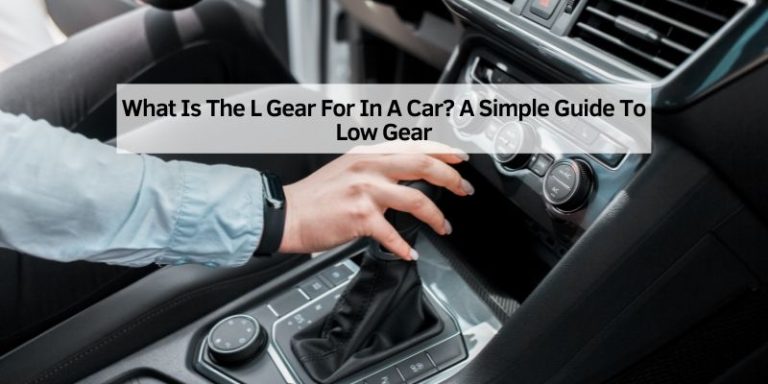
- Use the lowest gear possible (or “L” or “2” setting in an automatic) for gently controlled momentum.
- If your vehicle has an automatic four-wheel drive (4WD) or All-Wheel Drive (AWD), engage it for better starting traction.
- When braking, apply gentle pressure and release, feathering the pedal rather than pressing hard. If your car has an Anti-lock Braking System (ABS), push the pedal firmly and let the system work, but you still need more distance to stop.
12. Dealing with Fog
The biggest mistake in fog is relying on high beams. High beams reflect off the water droplets, making visibility worse for you.
Use low-beam headlights or, if available, fog lights. Slow down considerably and use the painted lane lines as your guide rather than staring into the white wall in front of you.
Emergency Maneuvers (When Things Go Wrong)
Even the best defensive drivers sometimes encounter unexpected emergencies. Knowing your car’s limits and having a calm response plan is vital.
13. Recovering from a Skid
A skid happens when your tires lose traction with the road surface (oversteering or understeering). The absolute worst response is slamming the brakes.
Here is how to handle a skid safely:
- Do NOT Brake: Take your foot off the gas and, if necessary, the clutch.
- Steer Into the Skid: Turn the steering wheel in the direction you want the front of the car to go. If the rear end slides to the left, steer gently to the left until you feel the tires regain grip.
- Counter-Steer Gently: Once the car straightens out, quickly straighten the wheel back to keep control.
- Gently Accelerate: Once you are straight, gently ease back onto the accelerator.
Practicing controlled skids in a safe environment, like a professionally managed skid school, is highly recommended if you live in a cold climate.
14. Handling Tire Blowouts
A sudden blowout, often sounding like a loud bang or pop, can cause the car to pull sharply to the side of the blown tire.
- Grip the wheel firmly to keep the car going straight.
- Keep your foot lightly off the gas pedal—do not brake sharply.
- Let the car slow down naturally.
- Once speed has dropped significantly, signal and carefully guide the car safely to the side of the road.
15. What to Do If Your Brakes Fail (Partial or Full)
While rare in modern cars, brake failure is terrifying. Your response must be immediate.
If the pedal goes to the floor:
- Quickly pump the brake pedal repeatedly. Sometimes this builds enough pressure to stop.
- If pumping doesn’t work, shift into a lower gear (like “L” or “2” or manual 2nd gear). The engine compression will help slow the car down.
- If the car is still moving too fast, engage the parking brake slowly and steadily—do not yank the lever, as this can lock the rear wheels and cause a spin.
- Only use the physical friction of the car against a guardrail or curb as a last resort to scrub off speed safely while aiming for a soft landing area.
Vehicle Awareness: Lights, Signals, and Communication
Driving is a conversation. You communicate your intentions using lights and gestures. Mastering these ensures other drivers understand you clearly.
16. Using Turn Signals Consistently
Signals must be used for every lane change, turn, and merge. A common bad habit is forgetting to turn the signal off after straightening out. This confuses drivers behind you.
Make it a habit to automatically switch the signal stalk off once you are centered in your new path.
17. Understanding Your Car’s Lights
Do you know the difference between daytime running lights, low beams, and high beams? Using the wrong lights actively harms safety.
A quick reference for lighting:
| Light Type | When to Use | Crucial Rule |
|---|---|---|
| Daytime Running Lights (DRLs) | Always on (automatic function) | Good for being seen during the day. |
| Low Beams | Night driving or in rain/fog. | Use whenever natural light is low or visibility is under 500 feet. |
| High Beams | Open, dark country roads. | Turn off when approaching oncoming traffic or following closely (within 300 feet). |

The Final Polish: Parking and Maneuvering in Tight Spots
Parking often feels like the final boss battle of driving. Precision is about judging the distance between your car and fixed objects—a skill that improves only with practice.
18. Mastering Parallel Parking
This takes practice, but the geometry is always the same. Look for a space at least one and a half times the length of your car.
- Pull up alongside the front car, leaving about two feet of space between you and them. Align your rear bumper with theirs.
- Turn the wheel fully toward the curb/parking space. Slowly back up until your side mirror lines up with their rear bumper.
- Straighten your wheel. Back up slowly until you can see the far curb in the opposite side mirror, or when your front bumper clears the rear bumper of the car in front of you.
- Turn the wheel fully away from the curb and back in slowly until you are parallel.
- Adjust forward/backward to center yourself perfectly between the two cars.
19. Backing Up in a Straight Line
When backing out of a driveway or parking spot, many drivers turn their head to look over their shoulder. While this is good, you must remember the physics.
Remember this simple rule: whatever way you turn the wheel, the rear of your car moves in that direction first. If backing out of a driveway, turn the wheel as far away from the road as possible before moving, then use the steering wheel movement to guide your exit safely.
FAQ: Essential Driving Skills
Q1: How often should I check my mirrors?
A: You should check your mirrors every 5 to 8 seconds, or whenever you slow down, speed up, or see a potential hazard developing ahead of you.