Does a 2021 Car Need Emissions Testing? (State Rules)
Whether a 2021 car needs an emissions test depends on where it is registered, not on the car itself. In California and Colorado, a 2021 model-year vehicle is still inside its new-car exemption window and only needs an abatement fee, not a physical test. In New York, Georgia, and many other states, that exemption already expired, and the car needs a full test at the next registration renewal. Here is how to tell which situation applies to your car.
What Is an Emissions Test?
An emissions test checks how much pollution a vehicle’s engine produces, usually by reading data straight from the car’s onboard computer (the OBD-II port) rather than sniffing the tailpipe directly, which is how most modern programs work. States run these programs to comply with the federal Clean Air Act in areas with poor air quality, called nonattainment areas. There is no single federal emissions-testing law that applies to every driver; each state (and sometimes each county within a state) decides whether to run a program, which vehicles are covered, and how new a car has to be before it is exempt.
Why Does the Rule Change So Much by State?
A 2021 model-year car is cleaner than an older car by default, since it already meets modern EPA Tier 3 emissions standards straight from the factory. That is exactly why most states give new vehicles a grace period before the first test is due. The length of that grace period is the part that differs wildly: some states measure it in months, others in years, and a few states have no testing program at all. That single difference is why the same car can be fully exempt in one state and overdue for testing in the state next door.
Does a 2021 Car Need Emissions Testing Right Now?
As of 2026, a 2021 car is five model years old, which puts it right on the edge of most states’ new-car exemption windows. In states with a short exemption (two to four model years), the car is now past that window and due for testing. In states with a longer exemption (six to eight model years), it is still covered. The table below shows how a handful of major testing states currently treat a 2021 model-year vehicle.
State-by-State Rules for a 2021 Model-Year Car
| State | 2021 Car Exempt in 2026? | Why |
|---|---|---|
| California | Yes | Gas vehicles are exempt from the physical smog check for their first 8 model years; a 2021 car only pays a smog abatement fee until 2029. |
| Colorado (Denver Metro/North Front Range) | Yes | Gas and hybrid vehicles are exempt from AIR emissions testing for their first 7 model years, so a 2021 car is covered until 2028. |
| New York | No | New York only exempts a vehicle for its first 2 model years; a 2021 car became due for its first OBD-II test back in 2023. |
| Georgia | No | Georgia’s Clean Air Force program only exempts the 3 most recent model years, so a 2021 car no longer qualifies. |
| Texas (17 named counties, incl. Houston, Dallas-Fort Worth, Austin, El Paso) | No | Texas exempts gas vehicles for 2 model years, then requires annual testing through 24 years old in its designated counties. |
| Florida | Not applicable | Florida ended its statewide emissions testing program in 2000; no car of any age is tested there. |
Note: Pennsylvania runs its own county-by-county program with a separate exemption structure; if that is your state, see our dedicated guide for the details that apply there.
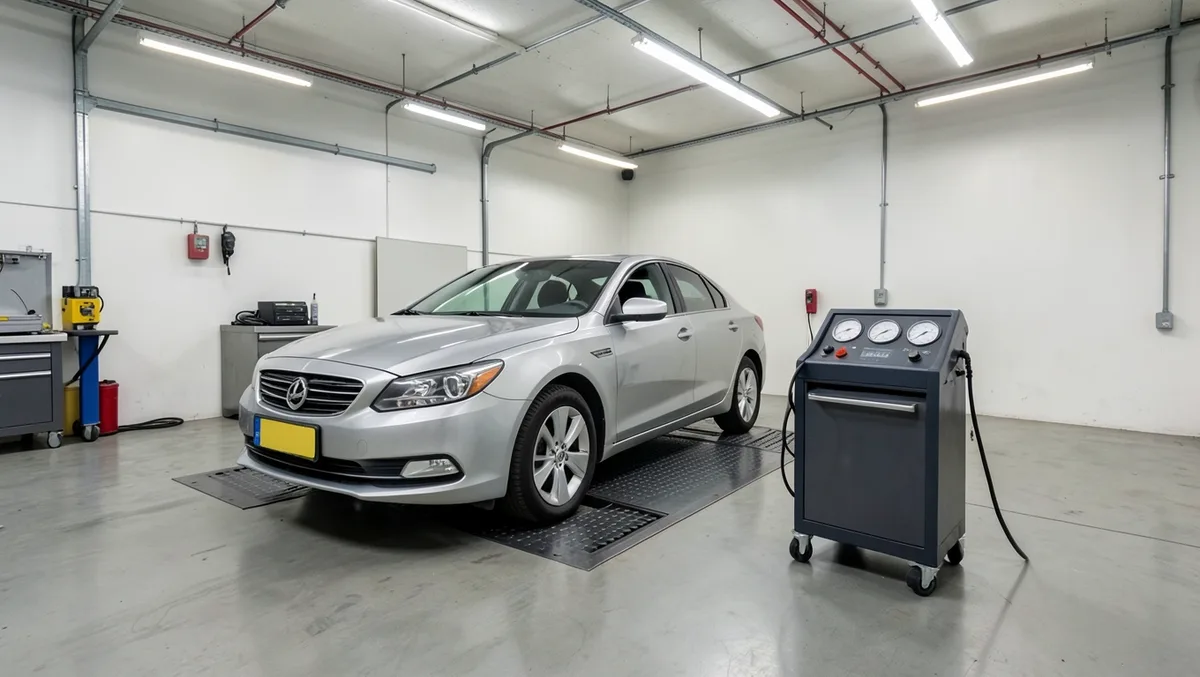
How to Check If Your 2021 Car Needs a Test
The rules above are a starting point, not a substitute for checking your own state. Here is the fastest way to get a definitive answer:
- Read your registration renewal notice. Most states print directly on the renewal notice whether an emissions test is required before you can renew.
- Check your state DMV or environmental agency’s website. Search “[your state] emissions testing” or check the EPA’s list of state inspection and maintenance programs for a starting point.
- Call your local DMV or county clerk. Give them your car’s year, make, and county, and they can confirm on the spot.
What You Will Need for the Test
If your 2021 car does need a test, the testing station handles the technical part. You just need to show up prepared:
- The car itself: driven to an approved test station, not towed.
- Registration paperwork: most stations ask for it to confirm the vehicle’s year and current registration.
- Payment: tests typically run $10 to $30, depending on the state and station.
Keeping the registration paperwork in the glovebox year-round makes the visit faster, since you will not need to dig for it at the counter.
Benefits of Emissions Testing
Emissions testing exists to keep air pollution in check, and cleaner air has a direct, measurable effect on respiratory health in the areas that run these programs. There is also a practical side benefit: the OBD-II scan used in most modern tests can flag a failing sensor or a developing engine problem before it turns into a bigger repair, since a check-engine light is an automatic fail in nearly every program. Passing the test also confirms your car is meeting the clean-air standards it was certified to meet when it left the factory.
Drawbacks to Know
Testing is not free and not instant. Expect to pay $10 to $30 per test and to spend time waiting at the station, especially close to a registration deadline. If the car fails, the needed repair can range from a simple loose gas cap to a sensor or catalytic-converter replacement running into the hundreds of dollars. Rules also vary enough by state, and sometimes by county within a state, that it is easy to assume the wrong thing if you just moved.
Are Electric and Hybrid 2021 Cars Exempt?
Fully battery-electric cars, including a 2021 Tesla, Bolt, or Leaf, are exempt from tailpipe emissions testing everywhere, since they have no engine or exhaust to test in the first place. Plug-in hybrids are treated differently: because they still have a gas engine on board, most states that run emissions programs require them to be tested like any other gas vehicle. A 2021 car that is exempt from the emissions portion may still owe an annual safety inspection in states that separate the two, such as Arizona, which requires a safety check independent of its emissions program (details on Arizona’s program).
Tips for a Smoother Testing Experience
A few habits make the process faster and cheaper:
- Check your state’s rules before a notice arrives. Do not wait for the renewal deadline to find out you need a test.
- Keep up with routine maintenance. Regular oil changes and a clean air filter both improve your odds of passing on the first try.
- Avoid the busiest days. Weekends and the last week before a registration deadline tend to have the longest lines; a weekday morning is usually quicker.
Common Mistakes to Avoid
A few small oversights cause most avoidable test failures:
- Ignoring the check-engine light. Fix the underlying issue before testing; the light itself is an automatic fail in almost every program.
- Skipping routine maintenance. A dirty air filter or overdue oil change can be enough to push emissions past the limit.
- Not checking for an exemption first. A 2021 car might not need testing at all yet, depending on the state; paying for an unnecessary test is a common, avoidable cost.
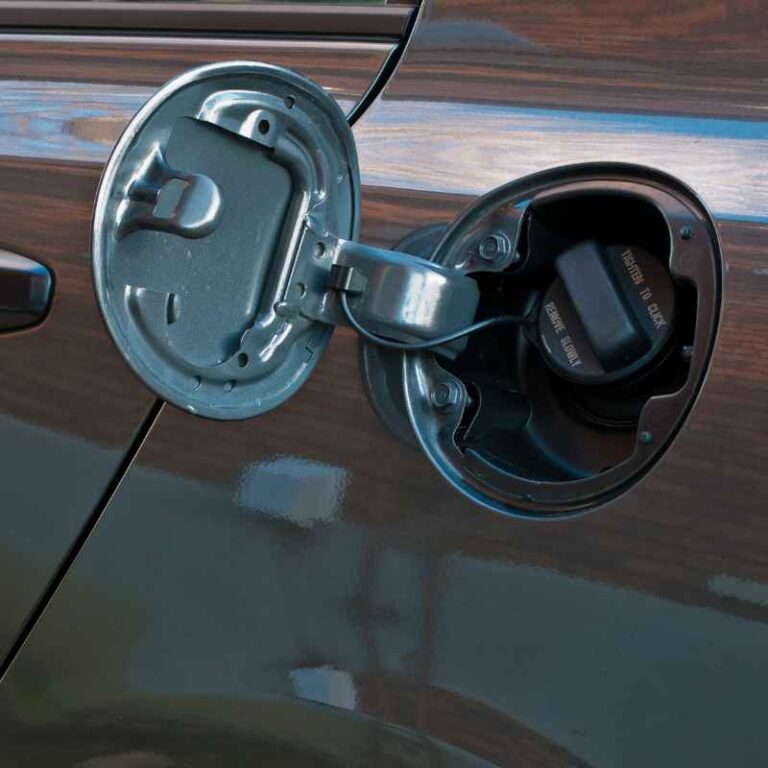
A loose gas cap alone is enough to fail some tests, since it is one of the first things a station checks, so it is worth confirming yours is snapped shut before you go in.
Comparing Emissions Test Costs
Costs vary by state and by whether the station is run by the state or a private shop. Here is a rough comparison, including the repair-cost waiver some states offer if a fix would otherwise be too expensive:
| State | Typical Test Cost | Repair Waiver Threshold |
|---|---|---|
| California | $20-$30 (test) / $25 (abatement fee if exempt) | $450 |
| Texas | $10-$25 | $600 |
| New York | $11-$27 | $450 |
| Pennsylvania | $15-$25 | $500 |
Note: a repair waiver lets you register the car anyway once you have spent up to that threshold trying to fix it, so you are not forced into an open-ended repair bill just to pass.
Why Some 2021 Cars Still Skip Testing
The states that still exempt a 2021 car in 2026, chiefly California and Colorado’s Denver Metro/North Front Range program, built long grace periods into their rules on purpose. Modern emissions-control systems rarely fail in their first several years, so testing a brand-new car adds cost and hassle without catching many real problems. States with shorter windows, like New York’s two-year exemption, made a different tradeoff: they start checking sooner, in part because their nonattainment status under the Clean Air Act gives them less room to wait. Either way, the exemption is temporary. A 2021 car currently exempt in California will need its first smog check once it turns 8 model years old, in 2029.
How Emissions Tests Work
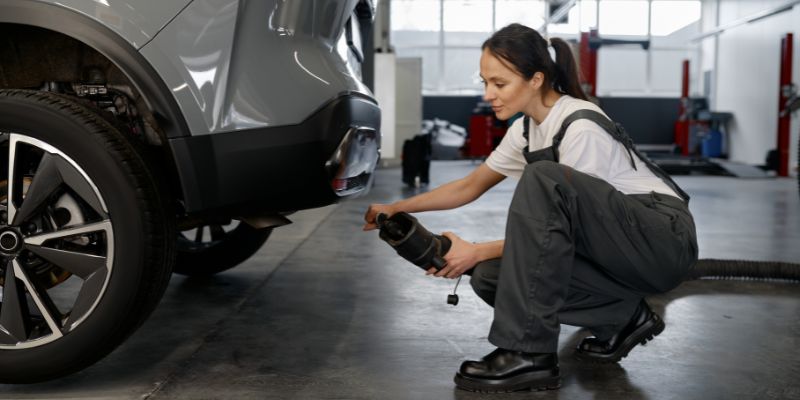
Most modern tests are simpler than people expect. A technician plugs a scan tool into the car’s OBD-II port, which is usually tucked under the dashboard near the steering column, and reads the diagnostic data the engine computer has already logged, including any stored trouble codes and whether the car’s own onboard monitors have completed their checks. Some states add a visual gas-cap check. The whole process typically takes about 10 minutes. A pass gets you a certificate or an electronic pass filed with the DMV; a fail comes with a printout of what needs to be fixed before a retest.
The Test in Three Steps
| Step | What Happens |
|---|---|
| Arrival | Park at the test station and hand over your registration. |
| OBD-II scan | A technician plugs a reader into the car’s diagnostic port and pulls the emissions data. |
| Results | You get a pass certificate, or a fail report listing what needs to be repaired. |
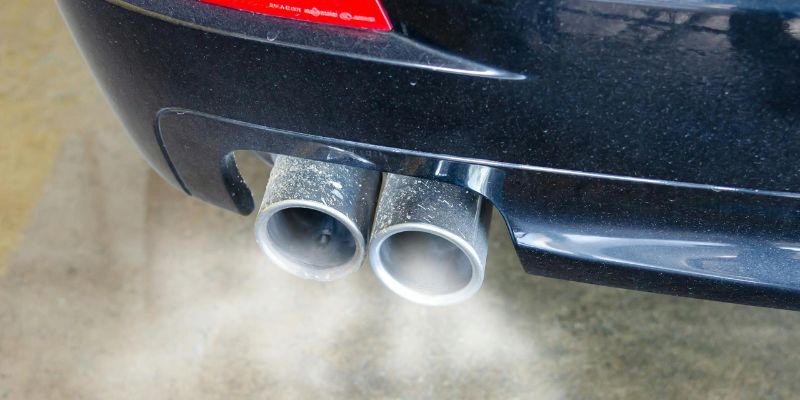
What Happens If You Miss Your Testing Deadline
Skipping a required emissions test does not make it go away. In every state that ties testing to registration, the DMV will not process a renewal without a passing result on file, so a missed test simply delays the registration and can leave a driver with an expired sticker or plate. Some states also add a late fee on top of the standard registration cost once the renewal lapses. Checking the rule before the notice arrives, rather than after, avoids the scramble entirely.
Conclusion
Whether a 2021 car needs an emissions test comes down to one factor: which state it is registered in, and how long that state’s new-car exemption lasts. California and Colorado still exempt a 2021 car in 2026; New York, Georgia, and most Texas metro counties do not. Confirm your own state’s rule on your registration notice or your DMV’s website before assuming either way, and if you are shopping for a used 2021 car, our pre-purchase inspection checklist covers what else to verify before you buy. Drivers dealing with an older vehicle and Pennsylvania’s classic-plate rules specifically should see our guide to 20-year-old cars and PA emissions testing instead.
Frequently Asked Questions
Does a 2021 Car Need Emissions Testing in Every State?
No. It depends entirely on the state. California and Colorado’s Denver Metro/North Front Range area still exempt a 2021 model-year car from a physical test in 2026, since both give new gas vehicles a 7- to 8-year grace period. New York’s exemption only lasts 2 model years, so a 2021 car has been due for testing there since 2023. Georgia and most Texas testing counties are similarly past the exemption window. Florida runs no emissions program at all, so the question does not apply there. Always confirm with your own state’s DMV.
What Happens If My 2021 Car Fails the Test?
You get a report listing what failed, such as a bad oxygen sensor or a stored trouble code. You have that repaired at a mechanic, then bring the car back for a retest. Most states also offer a repair-cost waiver, letting you register the car anyway once you have spent a set amount (often around $450 to $600) trying to fix it. Check your specific state’s threshold before assuming you qualify.
Are Electric 2021 Cars Exempt from Emissions Tests?
Yes. A fully battery-electric 2021 car has no tailpipe and produces no exhaust emissions, so every state that tests for tailpipe pollution exempts it automatically. Plug-in hybrids still carry a gas engine, so most states test them the same way they test a conventional gas car. Some states still require a separate safety inspection even for an EV, so confirm that piece with your DMV.
How Much Does an Emissions Test Cost?
Typically $10 to $30, depending on the state and whether the station is state-run or a private shop. California adds a $25 abatement fee for exempt vehicles instead of a full test. Bring cash or a card, and check your local test station’s website for its exact current price.
Can I Test My 2021 Car Early?
In most states, yes. Many programs allow testing up to 90 days before your registration renewal is due, which leaves time to fix a failed result without missing the deadline. Confirm the exact early-testing window with your local DMV, since it varies by state.
What Is an OBD Test?
An OBD (onboard diagnostics) test plugs a scan tool into your car’s diagnostic port and reads the pollution-control data the engine computer already tracks, rather than sampling exhaust gas directly. It takes about 10 minutes and is the standard method most states use for any 1996-or-newer gas vehicle, including a 2021 car.
Do I Need to Prepare My Car for the Test?
A little prep helps. Make sure the gas cap is on tight, since a loose one is a common automatic fail. Resolve any check-engine light before testing, since it also fails automatically in most programs. Staying current on routine maintenance, like oil changes and air filter swaps, improves your odds of passing the first time.
Products related to this article
Sponsored / affiliate links. As an Amazon Associate I earn from qualifying purchases. I may earn additional commission from eligible campaigns.