Does a 20-Year-Old Car Need Emissions Testing in PA?
Yes, in most cases. Pennsylvania does not give a car a free pass on emissions testing just for turning 20 years old. The exemption is tied to how the car is registered, not simply its age: vehicles only become eligible for Classic plates (which drop the emissions requirement) at 15 years old, and for Antique plates (which drop both emissions and safety inspections) at 25 years old. A 20-year-old car on standard plates, registered in one of Pennsylvania’s emissions-testing counties, still needs to pass its emissions test every year.
Does Pennsylvania Exempt Cars by Age From Emissions Testing?
HELPFUL BEFORE YOUR PA EMISSIONS TEST
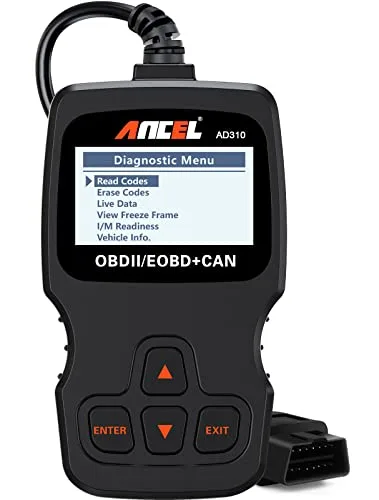 |
ANCEL AD310 OBD-II Scanner – $29.99 Plug this into your car’s diagnostic port a few days before your PA emissions appointment to catch pending trouble codes early, so you can fix them instead of failing (and paying for a retest).
|
Not automatically, no matter how old the car gets. Pennsylvania’s inspection regulations (67 Pa. Code Chapter 177) exempt “classic, antique or collectible motor vehicles” from the emissions program, but that exemption is granted through the registration plate the car carries, not through a birthday. A 20-year-old sedan on ordinary plates is treated the same as a 5-year-old one: if it’s a covered vehicle type registered in a covered county, it needs the test.
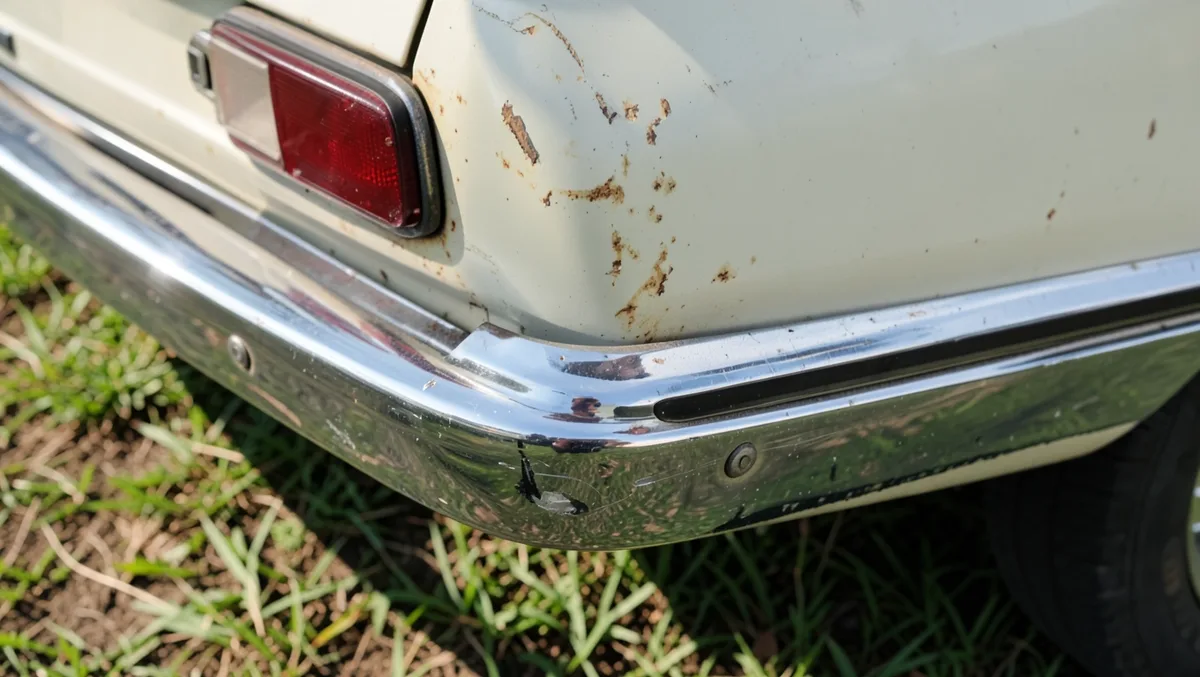
What most guides on this topic miss is that a 20-year-old car already qualifies for one real workaround. PennDOT lets vehicles register as “Classic” starting at 15 years old, and Classic registration exempts the car from emissions testing specifically – even though the car still needs its annual safety inspection. Full exemption from both the safety inspection and the emissions test doesn’t arrive until 25 years old, and only with Antique registration.
Classic vs. Antique Plates: Your Real Options at 20 Years Old
Since a 20-year-old car is too young for Antique registration but already old enough for Classic, it’s worth knowing exactly what each one buys you before you decide whether to keep standard plates, switch, or just pay for the test.
| Registration Type | Minimum Age | Emissions Test | Safety Inspection | Use Restrictions |
|---|---|---|---|---|
| Standard | None | Required (if county-covered) | Required every year | None – daily driving allowed |
| Classic | 15 years | Exempt | Required every year | Occasional/exhibition use, not a daily driver |
| Antique | 25 years | Exempt | Exempt | Occasional/exhibition use, not a daily driver |
The trade-off is real: both Classic and Antique registration limit the car to occasional or exhibition-type use rather than everyday commuting, so switching only makes sense if the 20-year-old car in question isn’t your main daily driver anyway. If it is your everyday car, paying for the annual emissions test is usually simpler than re-registering it under a use-restricted plate. And if you’re weighing whether to sell an old car instead of re-plating it, our guide on what to do with old car plates covers what happens to the plates themselves once you switch registration types or take the car off the road.
Which PA Counties Actually Require Emissions Testing?
Emissions testing in Pennsylvania only applies in roughly 25 designated counties, mostly concentrated in the state’s most populated areas. That includes Philadelphia and its four collar counties (Bucks, Chester, Delaware, and Montgomery), plus Allegheny County in the Pittsburgh region, along with several other counties with higher vehicle density. Outside those counties, a 20-year-old car – or any car – only needs the annual safety inspection, with no emissions component at all. If you’re not sure which category your county falls into, your local PennDOT-certified inspection station can confirm it in a minute, since it’s tied to where the vehicle is registered, not where you happen to get it tested.
What Happens If You Skip a Required Emissions Test
If your car needs the test and you let it lapse, Pennsylvania can suspend your registration until you get it done. Driving on a suspended registration is its own separate violation, and it can complicate an insurance claim if you’re ever in an accident while non-compliant. Before heading to the inspection station, have your registration and proof of insurance on hand – most shops won’t run the test without them.
The PA Inspection Process, Step by Step
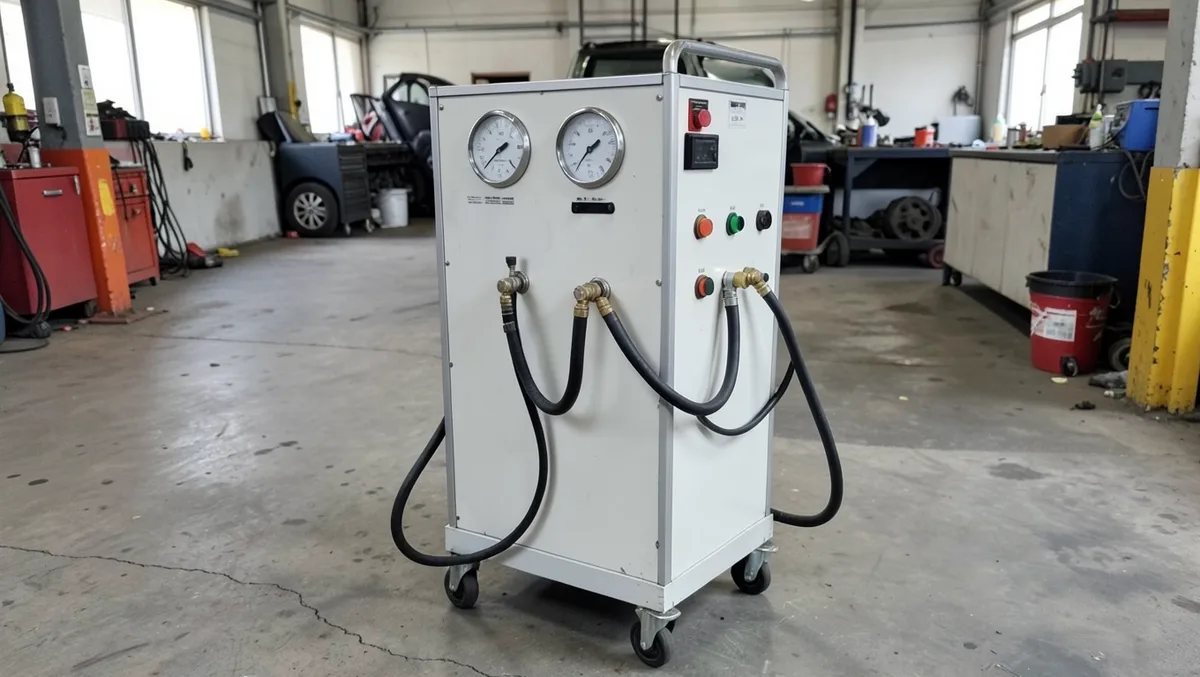
The safety portion comes first: the inspector checks for obvious defects like worn tires, broken lights or mirrors, and yes, a badly cracked windshield can fail this part on its own – see our guide on cracked windshields and PA inspection if that’s a concern on your car. For the emissions half, most gasoline vehicles from 1996 onward are tested through their OBD-II port rather than a tailpipe sniffer – the technician plugs in a scan tool that reads the car’s own emissions-monitoring systems and checks for stored trouble codes or a lit check-engine light. If everything passes, the car gets its inspection sticker; if not, it needs repairs and a retest.
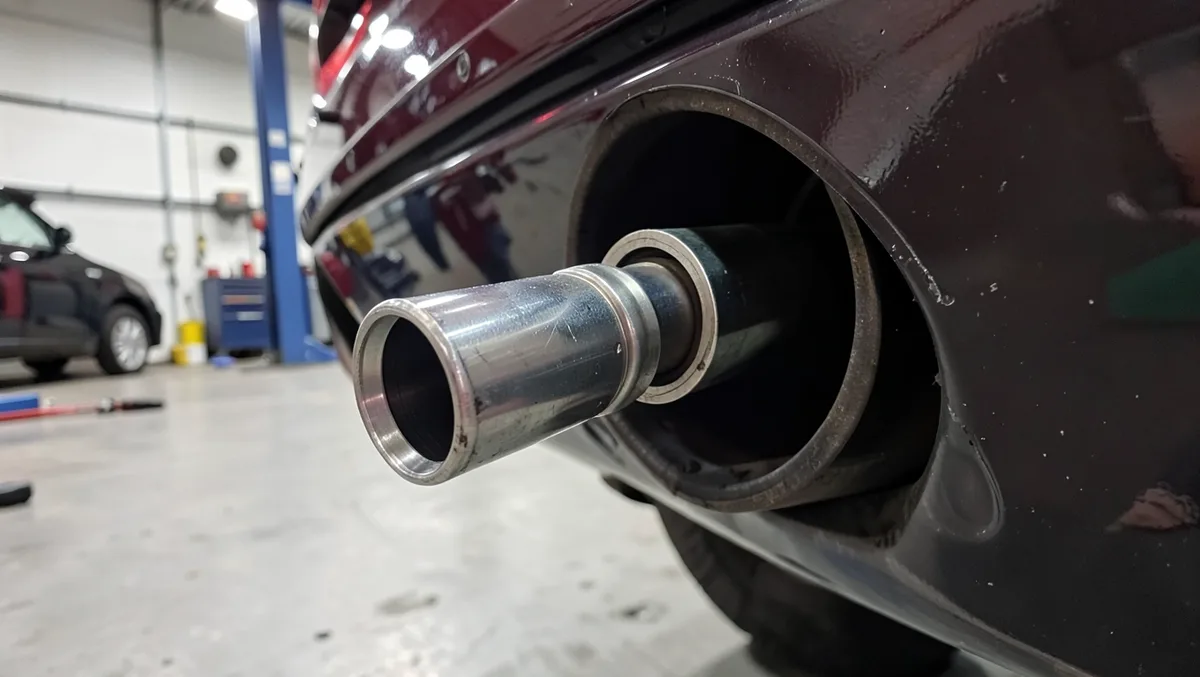
The most common reasons older cars fail are exhaust leaks, a worn or failed catalytic converter, and a check-engine light that’s already on when the car arrives. All three tend to show up as pending or stored trouble codes well before the actual test date, which is why checking your own codes ahead of time (see the scanner above) can save you a wasted trip.
How Much Does PA Emissions Testing Cost?
Pennsylvania doesn’t cap what inspection stations can charge, so prices vary by shop, but emissions testing alone typically runs about $38 to $45, and a combined safety-and-emissions inspection usually totals somewhere around $75 to $90. If your 20-year-old car needs both, budgeting for the higher combined number is the safer bet, since most stations bundle the two rather than pricing them separately.
Frequently Asked Questions
How old does a car have to be to be exempt from emissions in PA?
A car isn’t automatically exempt just for reaching a certain age. Pennsylvania only exempts vehicles from emissions testing when they’re registered with Classic plates (available starting at 15 years old) or Antique plates (available starting at 25 years old). Antique registration also removes the annual safety inspection requirement; Classic registration does not.
Does a 20-year-old car need a safety inspection in PA?
Yes. Every vehicle on standard or Classic plates needs an annual safety inspection in Pennsylvania regardless of age. Only vehicles registered with Antique plates, which requires the car to be at least 25 years old, are exempt from the safety inspection.
Can I get Classic plates on a 20-year-old car to skip emissions testing?
Yes, a 20-year-old vehicle already meets Pennsylvania’s 15-year minimum for Classic registration, which exempts it from emissions testing. You’ll still need an annual safety inspection, and Classic registration limits the car to occasional or exhibition-type driving rather than daily commuting.
Which PA counties require emissions testing?
Emissions testing applies in roughly 25 Pennsylvania counties, concentrated around Philadelphia (plus Bucks, Chester, Delaware, and Montgomery counties) and the Pittsburgh area (Allegheny County), along with several other higher-population counties. Outside those counties, most vehicles only need the annual safety inspection.
How much does PA emissions testing cost?
Emissions testing alone typically runs about $38 to $45, and a combined safety-and-emissions inspection usually costs $75 to $90 total. Pennsylvania doesn’t set a maximum inspection fee, so prices vary by shop.
How do you pass emissions with an old car?
Stay current on tune-ups and oil changes, and replace worn spark plugs, air filters, and oxygen sensors before your test. Check for exhaust leaks and make sure the catalytic converter is in good shape, since those are the most common reasons older cars fail. A basic OBD-II code reader can flag pending trouble codes days before your appointment, giving you time to fix them instead of failing and paying for a retest.
Bottom Line
A 20-year-old car in Pennsylvania needs emissions testing unless it’s registered with Classic or Antique plates – and at 20 years old, only Classic (available at 15) is actually within reach; Antique exemption still needs another five years. Check whether your car is registered in one of Pennsylvania’s roughly 25 emissions counties, keep your registration and insurance documents ready, and if the car is a daily driver, budget for the annual test rather than switching to a use-restricted plate.
Products related to this article
Sponsored / affiliate links. As an Amazon Associate I earn from qualifying purchases. I may earn additional commission from eligible campaigns.