How to Remove Pitch from Car Paint (Fresh vs Hardened Steps)
Pitch is conifer resin, and on car paint it is removed the same way as tree sap: wash first, soften it with a product made for tar and sap, lift any bonded remainder with a lubricated clay bar, then wax the spot. Mazda’s owner’s manual warns that sap hardens and bonds to the finish, and that scraping hard sap off can take paint with it. This guide covers fresh versus hardened pitch, what the makers say about each method, and which kitchen-cabinet fixes to skip.
Preparing Your Vehicle
Start with the car, not the chemicals. Turtle Wax’s directions for its Bug & Tar Remover begin by washing and drying the car to remove loose dirt and particles. Chemical Guys gives the reason: loose grit gets dragged across the paint while you work and scratches the clear coat.
Gather these before you begin:
- Car wash soap, a clean wash mitt and plenty of clean, dry microfiber towels
- A bug and tar remover or tar and sap remover, used according to its own label
- A clay bar and clay lubricant for spots that stay bonded after the remover
- Wax or sealant to protect the paint afterward
- Gloves and eye protection if you use a solvent-based remover, as Griot’s safety data sheet for its aerosol remover directs
Also size up the pitch. Turtle Wax says oak and maple sap is thin and easy when fresh, while cedar, fir and pine produce a thick, glue-like resin that rarely comes clean with soap and water.
Best Tar and Sap Remover Pick
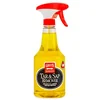 |
Griot’s Garage Tar and Sap Remover, 22 oz Best for: tar and tree sap on clear coat paint, plastics, wheels and chrome Why we picked it: a d-Limonene blend you spray on a dry surface, leave for up to 2 minutes and wipe off with a microfiber towel, per the listing Main drawback: the listing says it is not intended for paint protection film or vinyl wraps |
As an Amazon Associate we earn from qualifying purchases. Spec-based pick from the listing, not a hands-on test.
Initial Cleaning
Removing pitch from car paint starts with an ordinary wash. Turtle Wax says car wash soap and a microfiber cloth are sometimes all it takes, especially for fresh oak or maple sap, and recommends starting there to see what residue is left.
Wash The Car
Wash with car wash soap and a soft mitt, working gently over the pitch spots, and rinse the whole panel so no grit is left. If residue remains, Turtle Wax suggests raising the soap concentration in the bucket and spot cleaning the affected areas; follow the dilution printed on your own soap’s label.
Dry The Surface
Dry the panel completely with a clean microfiber towel, then feel the surface with your clean hand. Turtle Wax says that if it still feels sticky or you can feel residue, a stronger step is needed.
Pitch vs Tree Sap: How Age and Tree Type Change the Method
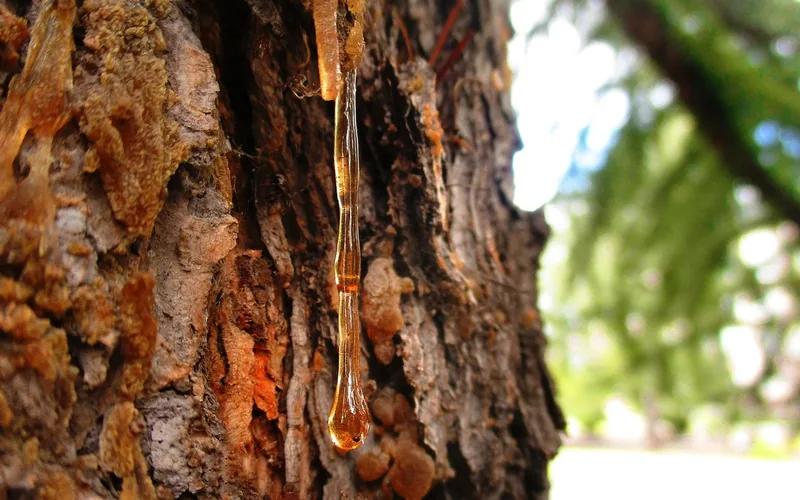
Pitch and tree sap are the same material. Chemical Guys describes sap as resins, terpenes and sugars that are liquid when they land, then cure under UV and heat into a rigid layer bonded to the clear coat, which is why timing matters. For a pine-specific walkthrough, see our guide on getting pine pitch off a car.
Mazda’s owner’s manuals say sap hardens and adheres permanently to the finish, and Chemical Guys warns that fresh sap can be acidic enough to etch clear coat. Match your spot to the method each source describes.
| Stage | How it looks or feels | Method the sources describe | Source |
|---|---|---|---|
| Fresh and tacky | Wet or sticky bead, often thin oak or maple sap | Regular wash, then a stronger soap mix on the spot; or a soft sponge and water | Turtle Wax, Mazda manual |
| Thick conifer resin, still soft | Glue-like drops from pine, fir or cedar | A bug and tar remover per its label after a spot test, or dampened newspaper for 1 to 2 hours, then rinse | Turtle Wax, Mazda manual |
| Hardened and bonded | A hard bump stays after washing and a remover | Lubricated clay bar, straight passes, fold the clay often | Chemical Guys |
| Etched | After cleaning, a fingertip feels a slight indent | Polishing compound after claying; deep etching may need polishing | Chemical Guys |
If the spot has been on the paint for weeks, or the surface feels indented once the pitch is gone, stop and have a detailer look at it. Chemical Guys says sap left for weeks or months may have etched deeply enough to need polishing after removal.
Using Household Items
Remove pitch from car paint with household items only with care. Few of them are backed by an owner’s manual or a car-care maker, and the ones that are come with limits.
Apply Rubbing Alcohol
Chemical Guys says isopropyl alcohol softens fresh sap but also strips wax and sealant from the surrounding paint, which is why it recommends a clay bar instead. If you use alcohol, keep it on the spot, test a hidden area first, wipe it off rather than letting it sit, and plan to re-wax. No maker page read for this guide gives a dwell time for it on paint.
Try the Damp Newspaper Method
Mazda’s owner’s manual lists this for insects and tree sap: cover the affected area with dampened newspaper for one to two hours, remove it, and rinse off the loosened debris with water. The manual also says to follow all label directions and read all warnings when using a chemical cleaner. See the 2016 Mazda CX-3 owner’s manual and the 2019 Mazda CX-9 owner’s manual.
Commercial Products
Find a tar or sap remover that states it is safe for clear coat, and read the label before you spray.
Bug and Tar Removers: What the Labels Say
Meguiar’s describes its Heavy Duty Bug & Tar Remover (G180515) as clear coat safe and aimed at dried-on bugs and tar. Its Xtreme Cling foam is built to stay on the surface longer so residue softens without excessive scrubbing, and it can be used before a wash or between washes.
Turtle Wax gives a short routine for its Bug & Tar Remover, which it says is formulated with powerful solvents:
- Wash and dry the car to remove loose dirt and particles.
- Spray the remover onto each stain so it is fully saturated.
- Let it sit to penetrate the stain.
- Wipe away the product and stain with a microfiber towel.
- Follow with a wax to seal and protect the finish.
In its tree sap guide, Turtle Wax recommends spot testing one small area first, letting the product sit for 10 seconds, treating again with more time if residue remains, and working one 1 ft by 1 ft section at a time. Griot’s Garage lists its Tar and Sap Remover as a d-Limonene blend left on a dry surface for up to 2 minutes, and not intended for paint protection film or vinyl wraps.
Solvent products carry hazard warnings. Griot’s safety data sheet for its aerosol Tar, Bug & Sap Remover (revised July 2020) calls it an extremely flammable aerosol, says to use it only outdoors or in a well-ventilated area, keep it from heat, sparks and flames, and wear gloves and eye protection. Read and follow the label of whatever you buy.
| Product or method | Contact time per the maker | What the maker says about paint |
|---|---|---|
| Turtle Wax Bug & Tar Remover | Sit to penetrate; sap guide starts at 10 seconds | Spot test one small area first |
| Meguiar’s Heavy Duty Bug & Tar Remover | Foam clings; no number on the product page | Clear coat safe, per Meguiar’s |
| Griot’s Garage Tar and Sap Remover | Up to 2 minutes on a dry surface | Safe on clear coat, per the listing |
| Chemical Guys clay bar with Clay Luber | No dwell: straight, lubricated passes | Safe on painted, glass and metal, per Chemical Guys |
| WD-40 Multi-Use Product | No time given | Safe on painted metal as directed, per WD-40 |
For Hardened or Stubborn Pitch: The Clay Bar Method
If a remover softens the pitch but a bump or residue remains, the deposit has bonded to the clear coat. Chemical Guys recommends a clay bar for this, because it lifts bonded sap by physical adhesion rather than dissolving it. Its sequence:
- Wash the vehicle thoroughly and dry it completely before you start.
- Mist clay lubricant generously over the sap and the surrounding panel area.
- Flatten the clay bar in your palm and glide it over the sap in straight, overlapping passes with light to moderate pressure. Avoid circular motions.
- Fold the clay every few passes to expose a clean surface. If the clay hits the ground, discard it, because grit on it will scratch the paint.
- Inspect under direct light and repeat if needed until the surface feels smooth.
Chemical Guys stresses that lubrication is not optional: without it the clay touches the clear coat directly and creates micro-scratches, so add more lubricant if the clay starts to drag. For matte paint, it says to use fine-grade clay, generous lubricant and very light pressure.
Natural Remedies
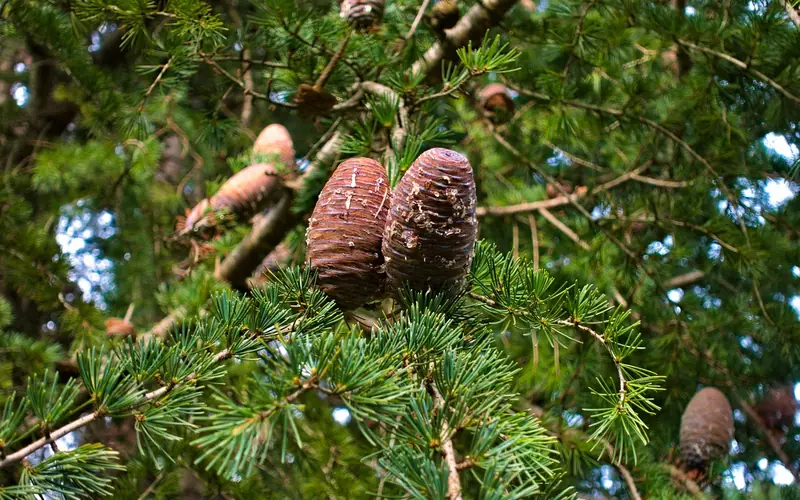
Olive oil, vinegar, vegetable oil, turpentine and gasoline all show up in searches for pitch removal. The owner’s manuals and maker pages read for this guide cover soap and water, damp newspaper, alcohol, tar and sap removers and clay, and none recommend these products on paint.
Turtle Wax points out that turpentine is an active ingredient in most paint thinners, a good reason to stay with products made for paint. Baking soda is another common suggestion, but none of the sources read mention it for pitch.
Scraping Methods
Scraping is the one method the sources warn against most directly. Mazda’s manuals say that scratching sap off while it is hard can take some paint with it, and Chemical Guys recommends a clay bar over solvents or scrapers for bonded sap.
Why Scraping Hard Pitch Is Risky
Hard pitch is bonded to the clear coat, so a blade has to beat that bond with force. Soften it first with a wash, damp newspaper or a remover used per its label, then use lubricated clay for what remains.
Be Gentle On Paint
Work in small sections with light pressure and let the product or the clay do the work. If the paint dulls, lifts or chips, or the pitch will not move with light pressure, stop and see a detailer or body shop.
Post-removal Care
Wash The Area Again
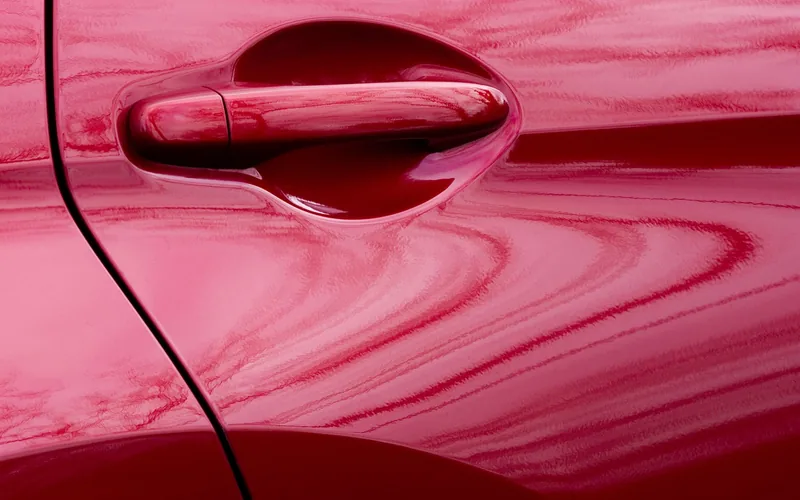
Rinse off the loosened debris with water, as Mazda’s manual directs, and wipe away leftover remover with a clean microfiber towel. Then wash, rinse and dry the area. Run a fingertip across it: Chemical Guys says a slight indent means the sap has etched the clear coat, and a polishing compound after claying can restore the surface.
Apply Wax Or Sealant
Mazda says the cleaned area should be waxed, and Turtle Wax says its remover can take off the wax layer, so re-wax after treatment. Chemical Guys adds that removal exposes bare clear coat. Apply the wax or sealant the way its label directs.
Preventing Future Buildup
Regular Maintenance
Mazda’s manual says to wash and wax as soon as possible after sap lands. After parking under conifers, check the hood, roof and windshield edges. For more ways to keep resin off the paint, see our guide on how to keep tree sap off your car.
Use Protective Coatings
Chemical Guys says a wax or sealant layer gives sap something other than the clear coat to bond to, which makes removal easier and lowers the risk of etching. Reapply on the schedule printed on your product’s label. If years of sun and grime have already dulled the finish, see our guide on how to restore old car paint.
Frequently Asked Questions
How Do You Remove Pitch From Car Paint?
Wash and dry the car, then soften the pitch with a remover made for tar and sap, following its label and testing a hidden spot first. Wipe with a microfiber towel, lift any bonded remainder with lubricated clay, then wax the spot.
Can Pitch Damage Car Paint?
Yes. Mazda’s owner’s manual says tree sap hardens and adheres permanently to the finish, and that scratching hard sap off can take paint with it. Chemical Guys adds that fresh sap can be acidic and can etch the clear coat, leaving an indent that remains after the sap is gone.
What Household Items Remove Pitch From Car Paint?
Car wash soap and water work on fresh pitch, and Mazda’s manual lists dampened newspaper left on the spot for one to two hours, then rinsed. Chemical Guys says isopropyl alcohol softens fresh sap but strips wax and sealant nearby.
Is It Safe To Use WD-40 On Car Paint?
WD-40 says its Multi-Use Product is safe on painted metal when used as directed, lists tar among the things it helps remove, and advises testing a small hidden area first. It says to keep it off polycarbonate plastics such as headlight lenses. Its page does not list tree sap, so a product made for sap is the closer fit.
Is Tree Sap the Same as Pitch?
Yes. Pitch and tree sap describe the same sticky conifer resin, and the removal steps in this guide apply to both. Thick pine, fir and cedar resin is harder to remove than thin oak or maple sap, per Turtle Wax. For more stain-specific techniques, see our full tree sap removal guide.
Should I Use a Clay Bar for Pitch Removal?
Use a clay bar when a remover has softened the spot but a bump or residue remains. Spray lubricant generously and glide the clay in straight passes with light pressure. Skip clay on fresh, still-sticky pitch, where washing or a remover is gentler.
How Long Can Pitch Stay on Car Paint?
Remove it as soon as you see it. Mazda says to wash and wax as soon as possible. Chemical Guys says days in direct sun make removal harder and weeks or months can leave etching that needs polishing.
What This Guide Does Not Cover
- Matte, satin, wrapped or paint protection film surfaces: follow the surface maker’s instructions.
- Repainted or aftermarket finishes, and deep etching: ask a detailer.
Conclusion
The safe order for pitch is the same every time: wash, soften with a product made for tar and sap, lift what is left with a lubricated clay bar, then wax. Test a hidden spot before any solvent, and stop and see a detailer if the paint lifts, dulls or feels indented.
Products related to this article
Sponsored / affiliate links. As an Amazon Associate I earn from qualifying purchases. I may earn additional commission from eligible campaigns.