Does A Car Leak Water When Heat Is On? Normal Or Not?
Yes, a car often leaks water when the heater is on, and this is usually normal. The water is typically condensation from the air conditioner system, which runs even when the heater is used in some car models. This is a sign of a functioning system, not a leak in your engine or cooling system.
Understanding Your Car’s Heating and Cooling System
Your car’s heating system works in a clever way. It uses the extra heat from your engine. This heat is then sent to the heater core.
Think of the heater core like a small radiator inside your car’s dashboard. A fan blows air over this hot core. That warm air then comes out of your vents.
Now, here’s where it gets interesting. Your car also has an air conditioning (AC) system. This system cools the air.
It does this by removing moisture from the air. This moisture removal is key. When the AC system is running, it collects water.
This water drips onto a special pan. Then, it drains out of your car.
Sometimes, even when you turn on the heat, the AC system might still be working a bit. This happens for a few reasons. Your car’s computer might be trying to manage humidity.
It might also be cleaning the air. Or, a setting might be on that you don’t even realize.
So, when the AC is on, it makes water. This water needs to go somewhere. It drips down.
It usually goes through a small tube. This tube leads to the outside of your car. That’s why you see water under your car.
It’s often just water from the AC, not from a leak in your engine.
My Experience: The Mystery Puddle
I remember one chilly autumn evening. I had been driving around town, listening to the radio. My car heater was working hard to keep me warm.
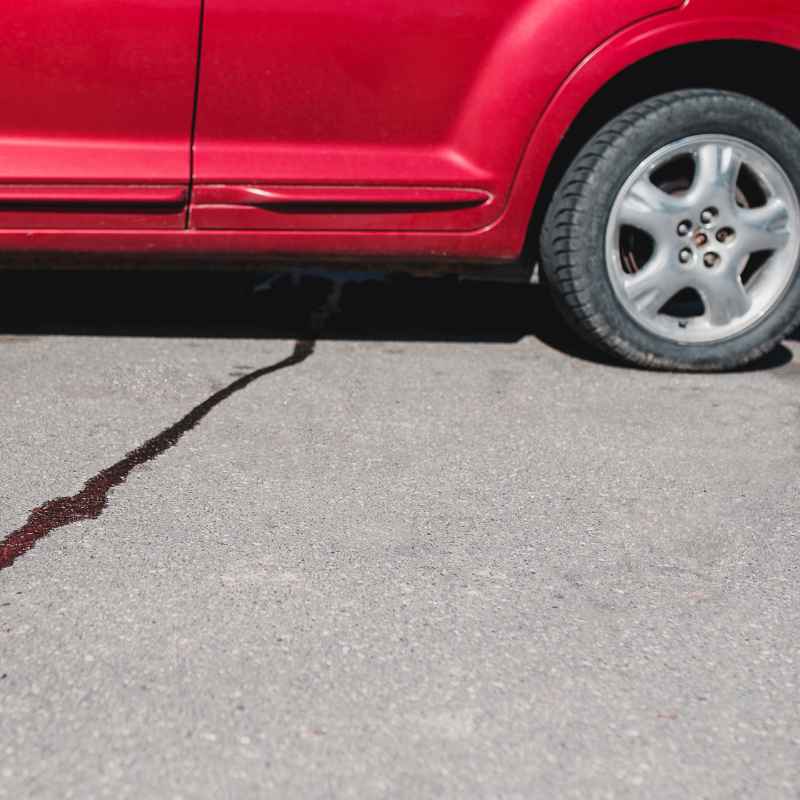
When I got home, I turned off the engine. As I opened my car door, I saw it. A small, clear puddle forming on the driveway.
My heart sank a little. My mind immediately went to coolant leaks. I imagined the worst: a broken hose, a cracked engine block.
I felt a wave of panic. I knelt down, touching the puddle. It felt like plain water.
Still, I was worried. Was this a sign of a major car problem?
I waited a moment. The puddle was just water. It didn’t have the thick, colored look of antifreeze.
It didn’t have that sweet smell. I remembered reading somewhere that cars can drip water normally. I did some quick searching on my phone.
I learned about AC condensation. It made sense. The air was cool outside.
My heater was working hard. The AC system might have been dehumidifying the air. That water had to go somewhere.
It was a relief. It showed me how important it is to understand these systems.
Understanding Condensation
What it is: Water that forms when warm, moist air touches a cold surface. Think of a cold glass on a humid day.
In your car: The AC system chills air. This air has moisture. The moisture turns into water.
This water drips out.
When you use heat: Some cars use the AC system to dehumidify air even when the heat is on. This helps prevent windows from fogging up.
Why the Water Drips (The Technical Side)
Let’s dive a bit deeper into how this happens. Your car’s AC system has an evaporator core. This is like a mini-refrigerator part.
It sits inside your dashboard. When you turn on the AC, a cold liquid flows through it. The air from outside your car is blown over this cold core.
The air cools down. As it cools, it can no longer hold as much moisture.
The extra moisture in the air turns into water droplets. These droplets form on the outside of the evaporator core. It’s just like dew forming on grass on a cool morning.
A special tray collects this water. This tray has a drain tube. The tube runs down and out of your car.
This drain tube is usually located underneath your car. It’s often near the firewall. The firewall is the metal barrier between the engine and the passenger cabin.
So, when you see water dripping, you’re seeing the normal output of your AC system. It’s doing its job of removing humidity.
Now, about the heater. When you turn on your car’s heater, it uses hot coolant from the engine. This hot coolant flows through the heater core.
This is different from the evaporator core. The heater core is designed to warm the air. However, some car systems are designed to use the AC compressor briefly.
This is often to dehumidify the air. They do this to keep your windows clear and prevent that stuffy feeling. So, even if you want heat, the AC might run just enough to remove moisture.
This is why you might see water dripping even when the heat is on. The AC is working to make the air drier. This is a good thing.
It helps with comfort and visibility. The water collected is then drained away. It’s a sign that your climate control system is working as intended.
When to Pay Closer Attention
While dripping water is usually normal, there are times when you should worry. The type of fluid and the amount can tell you a lot. You need to know the difference between AC condensation and a coolant leak.
The most important difference is the color and smell of the fluid.
AC Condensation: This is clear water. It has no smell. It’s thin and evaporates easily.
This is the normal drip you expect.
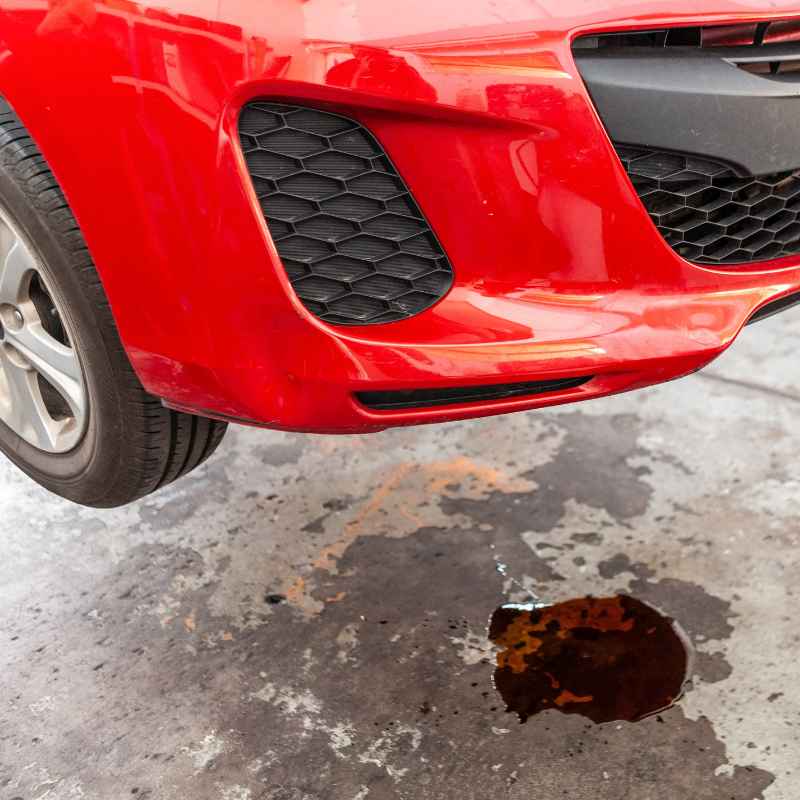
Coolant Leak: This fluid is called antifreeze or coolant. It’s usually brightly colored. Common colors are green, orange, pink, or yellow.
It often has a sweet smell. This smell can be strong and noticeable. Coolant is thicker than water.
If you touch it, it might feel a bit slick or oily.
If the puddle under your car is colored, smells sweet, or is unusually large, it’s not just AC condensation. This is when you need to investigate further. A coolant leak can be serious.
It means your engine might overheat. This can lead to expensive engine damage.
Look for other signs too. Are your windows fogging up more than usual, even when you try to use the defroster? Is the smell of something sweet coming from your vents?
Is your car engine temperature gauge climbing higher than normal? These are all red flags. They suggest a problem with your cooling system, not just the AC drain.
Quick Check: Fluid Identification
Clear Drip?
Likely Cause: AC condensation. Normal operation.
Colored, Sweet-Smelling Puddle?
Likely Cause: Coolant leak. Needs attention.
Real-World Scenarios: Seeing the Drips
Let’s picture a few common situations. You’re driving on a humid summer day. You have the AC blasting.
You park your car for a few minutes. When you return, there’s a good amount of water under the passenger side of the car. This is completely normal.
The AC has been working hard to cool the air and remove moisture. All that collected water is now draining out.
Now, imagine it’s a cold winter morning. You turn on your car. You set the heater to high.
You drive for about 15 minutes. You park and notice a small amount of water under the front of the car. This could be a combination.
The heater is warming the cabin. But, the car might still be dehumidifying the air a little to prevent fogging. So, you might get a small drip from the AC drain.
It’s often less water than in the summer.
What if you notice a drip that seems to be coming from further back under the car, or from the driver’s side? This might be less common for AC drips, which often drain near the middle or passenger side. If the fluid isn’t clear water, or if the drip is steady and large, it’s worth a look.
Check the colors and smells we talked about.
Sometimes, drivers might confuse water from the AC with water from the exhaust pipe. On cold days, cars produce exhaust fumes. These fumes contain water vapor.
When the exhaust pipe is cold, this vapor can condense into water. You might see drips from the tailpipe. This is also normal for gasoline engines.
It’s especially common when the engine is warming up.
The key is to observe. Where is the drip coming from? What color is it?
Does it smell like anything? These details help you understand if it’s a normal function or a potential issue.
Drip Location Clues
Under the middle or passenger side: Most common for AC condensation.
From the tailpipe: Normal exhaust condensation, especially in cold weather.
From the front of the engine bay (colored, sweet): Potential coolant leak. Needs check.
From elsewhere or large amounts: Investigate carefully.
Checking Your Coolant Level
If you suspect a coolant leak, the first thing you should do is check your coolant level. This is a crucial step. It helps you understand the severity of the problem.
Do this only when your car’s engine is cool. Never open a hot radiator cap. Hot coolant can spray out and cause severe burns.
Locate your coolant reservoir. It’s usually a translucent plastic tank. It’s connected to the radiator.
There will be “MIN” and “MAX” or “LOW” and “FULL” lines marked on the side. Check the current level against these marks. If the level is below the “MIN” line, your coolant is low.
This indicates a leak or that it’s been used up.
You can also carefully open the radiator cap itself, but only when the engine is completely cold. Inside the radiator, you should see coolant. If the radiator is empty or very low, that’s a significant sign of a leak.
If your coolant level is low, you’ll need to add more. Use the type of coolant recommended in your car’s owner’s manual. Mixing different types of coolant can cause problems.
For a temporary fix or to top it off, you can use a 50/50 mix of antifreeze and distilled water. For a permanent fix, you need to find and repair the leak.
Remember, a car that is constantly losing coolant needs to be seen by a mechanic. Small leaks can become big problems quickly. Ignoring them can lead to major engine damage.
That’s a repair that costs much more than fixing a small leak early.
Coolant Check Steps
- Wait for the engine to cool completely.
- Find the coolant reservoir.
- Check the level against the markings.
- If low, open the radiator cap (cold engine only) and check inside.
- Add the correct type of coolant if needed.
- Monitor the level regularly.
When to Call a Mechanic
While understanding car drips is helpful, sometimes you just need a professional. There are clear signs that indicate it’s time to take your car to a trusted mechanic. If you’re not comfortable diagnosing car issues, it’s always safer to get expert advice.
Here are some situations where you should definitely call a mechanic:
- You see colored fluid (green, orange, pink, yellow) with a sweet smell. This is almost always a coolant leak.
- The puddle under your car is large and appears suddenly. A significant leak needs immediate attention.
- Your car’s temperature gauge is running hot. This means your engine is overheating, which is dangerous.
- You notice a consistent sweet smell inside or outside your car, even without visible leaks. This could indicate a slow, hidden leak.
- Your windows are constantly fogging up from the inside. This might mean coolant is leaking into the cabin, or there’s an issue with the defroster system.
- You have to add coolant frequently. Even if you can’t find a major leak, this means your car is losing coolant somewhere.
- You’re unsure about the source or nature of the leak. Better safe than sorry. A mechanic has the tools and experience to find the problem.
Mechanics have special tools to find leaks. They can pressure test your cooling system. This helps them pinpoint even small cracks or faulty seals.
They can also inspect hoses, the radiator, the water pump, and the heater core for damage.
Don’t delay if you suspect a coolant issue. Driving with a significant coolant leak can lead to severe engine damage. This includes warped cylinder heads or a blown head gasket.
These are very expensive repairs. It’s much cheaper to fix a small leak now than to replace an engine later.
Signs You Need a Mechanic
Alert Signs
Colored, sweet liquid dripping.
Engine overheating.
Large or sudden puddles.
Constant sweet smell.
Persistent window fogging.
Maintaining Your Car’s Climate System
Keeping your car’s climate control system in good shape is important. It ensures comfort and helps prevent issues like the ones we’ve discussed. Regular maintenance is key.
Check your coolant regularly. As we mentioned, check the level when the engine is cool. Look for any signs of leaks around hoses or the reservoir. Make sure you’re using the correct type of coolant for your car.
Your owner’s manual will specify this.
Inspect hoses and belts. Over time, rubber hoses can crack, swell, or become brittle. Belts can fray. A damaged hose can leak coolant.
A worn belt can affect how your water pump or AC compressor works. Visually inspect them for any signs of wear or damage.
Listen to your AC system. Does it blow cold air? Does it make any strange noises? A properly working AC system will remove moisture effectively.
If you notice issues with your AC’s performance, it might be worth getting it checked. This can sometimes prevent other problems down the line.
Keep the drain tube clear. Sometimes, debris can clog the AC drain tube. If this happens, water can back up. It might leak into your car’s interior instead of draining outside.
If you notice water inside your car, especially on the passenger side floor, a clogged drain tube could be the cause. A mechanic can often clear this quickly.
Follow your car’s maintenance schedule. Your owner’s manual has a recommended maintenance schedule. It includes checks for the cooling system, AC system, and other vital components. Sticking to this schedule can catch small problems before they become big, expensive ones.
By being aware of how your car’s systems work and performing regular checks, you can ensure it runs smoothly. You’ll also be better equipped to spot when something isn’t quite right.
Preventative Care Tips
- Regularly check coolant levels.
- Inspect hoses and belts for wear.
- Ensure your AC system cools effectively.
- Keep the AC drain tube clear.
- Follow the manufacturer’s maintenance schedule.
Common Misconceptions About Car Leaks
It’s easy to jump to conclusions when you see any liquid under your car. But many of these drips are totally normal functions of a healthy vehicle. Let’s clear up a few common worries.
Misconception 1: All drips are coolant leaks. As we’ve learned, this isn’t true. AC condensation is the most common source of clear water drips. Exhaust condensation is also normal.
These are signs your car is operating as it should.
Misconception 2: A little bit of coolant loss is okay. While small leaks might seem minor, they can grow. Losing coolant means your engine’s cooling system isn’t working at its best. This can lead to overheating.
It’s always best to address any coolant loss promptly, no matter how small it seems.
Misconception 3: You can ignore a sweet smell. That sweet smell is a strong indicator of a coolant leak. Coolant is toxic. It’s also essential for your engine’s health.
Ignoring the smell is risky. It could lead to significant engine damage.
Misconception 4: If my car isn’t overheating, there’s no problem. Your engine’s temperature gauge is a vital indicator. However, a coolant leak can exist even if the engine isn’t currently overheating. The system might be working harder, but not yet showing a critical temperature.
Continued loss of coolant will eventually lead to overheating.
Understanding these differences can save you a lot of worry and money. It’s about recognizing normal operations versus potential problems.
Myth vs. Reality
Myth: Every drip is a coolant leak.
Reality: Clear water drips are often normal AC condensation.
Myth: A small coolant loss is fine.
Reality: Any coolant loss indicates a problem that needs attention.
Myth: A sweet smell is just an odd odor.
Reality: A sweet smell strongly suggests a coolant leak.
Final Thoughts on Water Leaks and Your Car’s Heat
So, does a car leak water when the heat is on? Yes, and most of the time, it’s perfectly normal. That clear, odorless drip is usually just condensation from your car’s air conditioning system.
It’s a sign that your car’s climate control is working to keep you comfortable and your windows clear.
However, always be aware of the difference. If the drip is colored, smells sweet, or is accompanied by other warning signs like an overheating engine, it’s time to get it checked. Knowing the basics of your car’s systems can help you distinguish between normal operation and a genuine problem.
Regular checks and maintenance will help you catch issues early. This saves you stress and potentially expensive repairs down the road. Your car is a complex machine, but understanding its common behaviors can make ownership much smoother.
Products related to this article
Sponsored / affiliate links. As an Amazon Associate I earn from qualifying purchases. I may earn additional commission from eligible campaigns.