Does a Car Shake When It Needs Oil? What You Need To Know
Figuring out why your car is acting up can be tricky, especially when you’re just starting out. One common question is: Does a Car Shake When It Needs Oil? It’s a valid concern because your car’s engine needs oil to run smoothly. This post breaks down the problem and makes it easier to figure out. We’ll explore the signs, causes, and how to fix issues related to oil problems, so you can keep your car running great. Let’s get started!
Oil’s Vital Role in Your Vehicle
Oil is like blood for your car’s engine. It’s super important. Without it, the engine parts can’t move around correctly, and they’ll start to hurt each other from friction. This makes your car’s engine wear down faster, causing major problems. Think of oil as a lubricant that keeps everything working smoothly. It also takes away heat and cleans the engine to prevent buildup. Knowing about oil helps you know what to watch out for to keep your car healthy. This is why paying attention to your car’s oil is an important part of car care.
What Oil Does for Your Engine
Your car’s engine has many moving parts. Without oil, these parts would rub together, creating friction and heat. Over time, friction and heat can cause parts to break. Oil keeps everything running smoothly. It lubricates the different components so they can move freely without causing too much friction. This reduces wear and tear, and it extends the life of the engine. Think of it like a team working together to protect the engine.
Lubrication: Oil reduces friction between moving parts, allowing them to move freely. This is very important.
Think of it as the engine’s way of staying smooth. Oil coats the engine’s internal components, so they don’t grind against each other. This is like greasing the gears on a bike. Without lubrication, everything would be noisy and wear down quickly. Lubrication is essential to the life of the engine.
Cooling: Oil helps to take away heat produced by the engine, preventing overheating.
Engines get very hot when they run. As the engine moves, it generates heat. Oil absorbs this heat and carries it away. The oil then moves to the oil pan at the bottom of the engine, where air cools it before it cycles back through. This constant cooling helps the engine maintain its perfect temperature.
Cleaning: Oil traps dirt and debris, keeping the engine clean.
Engines produce tiny particles as they operate. Oil catches these particles and keeps them from building up. These particles are then taken away when you change the oil. A clean engine lasts longer and works more efficiently. Keeping the engine clean is important for performance and longevity.
Sealing: Oil creates a seal between the pistons and cylinders, keeping compression high.
Your engine works by compressing air and fuel, which creates power. Oil helps seal the spaces between the pistons and the cylinders, preventing the air and fuel from escaping. This ensures that the engine can generate the power needed to keep you moving. A good seal is key to optimal performance.
Types of Engine Oil
There are different types of engine oil, and picking the right one is important. The type you use depends on things like your car’s age, how you drive it, and the kind of weather you usually have. Each type of oil is made to handle different stresses and to give your engine the best possible protection. Always look at your car’s manual to find out what kind of oil the maker recommends. Using the right oil will keep your engine running smoothly.
Here are some examples:
Conventional Oil: This is a more basic type of oil, usually made from crude oil.
Conventional oil is a good choice for older cars or cars that don’t need a lot of heavy lifting. It works well in usual driving conditions. However, it can break down faster in high temperatures or under heavy stress. So, it may require more frequent oil changes compared to other types.
Synthetic Oil: Synthetic oil is made from chemicals in a lab, which makes it stronger and more reliable.
Synthetic oil is made to handle both high and low temperatures. It’s often used in newer cars or cars that need extra protection, like those used for towing or in extreme weather. Although it can be more costly, it often lasts longer and improves engine performance. It’s also cleaner and resists breaking down under stress.
Synthetic Blends: These are a mix of synthetic and conventional oils. They offer a good balance of cost and performance.
Synthetic blends give you some of the benefits of synthetic oil but at a lower price. This is a good choice if you want better protection than conventional oil but don’t want to use full synthetic. It can handle most driving situations and is a popular choice for many car owners.
High-Mileage Oil: This type of oil is made for cars with a lot of miles on them.
High-mileage oil is designed to reduce leaks and help older engines run better. It has special additives that can help condition seals and reduce oil burning. If your car has passed the 75,000-mile mark, switching to high-mileage oil can help it run smoother and last longer.
Could Low Oil Cause Shaking?
When you have low oil, your engine might shake. This shaking can happen because the engine parts don’t have enough oil to move freely, and there is more friction and uneven movement. This can cause the car to shake while it’s running. Knowing these symptoms helps you find and fix the problem before it causes more damage.
How Low Oil Affects the Engine
If your engine doesn’t have enough oil, it’s like it’s thirsty and starving! Without enough oil to go around, the engine parts can’t move correctly. Friction goes up, heat builds up, and everything starts to shake. It can cause bigger problems. Low oil is like a red flag. It tells you something is wrong and needs to be fixed. It can lead to severe engine damage.
Increased Friction: Parts rub together more, causing shaking.
When there isn’t enough oil, the engine parts don’t have a smooth, slick surface to glide on. Instead, they rub together more directly, creating friction. This friction can cause the engine to vibrate and shake, especially when the car is idling or accelerating.
Overheating: The engine gets hotter, leading to problems.
Oil is key for cooling the engine. Without enough oil, the engine can’t get rid of heat correctly. As heat goes up, so do the chances of damage. This can lead to rough running, and the car might start to shake more intensely as it overheats.
Reduced Lubrication: Parts can’t move as easily, leading to unevenness.
Oil helps everything glide together. When there’s less oil, the engine parts have a harder time moving, and movement becomes uneven. This unevenness is often the cause of a car shaking. As the engine struggles, the vibrations may get worse.
Metal-on-Metal Contact: Parts make contact, causing damage and shaking.
In a properly oiled engine, parts are separated by a layer of oil. With low oil, that layer disappears. This allows metal parts to hit each other. When metal hits metal, it can produce a severe shaking and can cause damage that is very costly to repair. This is a very big issue.
Other Possible Causes of Car Shaking
If your car shakes, it could be other things, too. Here are some of them. It is important to know that low oil is just one possible problem. Tires, brakes, and the engine itself can cause shaking. Getting a good look at your car is key.
Tire Problems: Problems with tires can cause shaking.
If your tires are out of balance, they can cause the car to shake at certain speeds, mainly on the highway. Another thing could be a flat spot or damage to a tire, which can affect how the tire rolls. Regularly checking your tires and getting them balanced and aligned can help prevent this kind of shaking.
Brake Issues: Warped brake rotors can cause shaking when braking.
When you use your brakes a lot, the rotors can get too hot and warp, which is damage to the rotors. When you press the brakes, the warped rotors may create an uneven surface. As the pads press on the rotor, this causes shaking. If this happens, you will notice shaking when you step on the brakes.
Engine Misfires: A misfire can cause the engine to shake.
Engine misfires happen when one or more of the cylinders aren’t firing correctly. This can be caused by problems with the spark plugs, fuel injectors, or other parts. When a cylinder doesn’t fire, it disrupts the engine’s balance, and the car may shake, especially when idling or accelerating.
Transmission Troubles: Problems with the transmission can also make a car shake.
If the transmission isn’t shifting gears correctly, it can cause the car to shake, especially when changing gears. This might indicate that there is something wrong with the transmission fluid or other transmission parts. If you experience shaking when the gears shift, you might want to have your transmission checked.
Signs Your Car Might Need an Oil Change
It’s important to pay attention to your car and understand what it needs. Knowing when to change your oil is a helpful way to avoid problems. Here are some key things to watch for. If you catch these signs early, you can often stop a small problem before it turns into a big one. Regular maintenance is a good way to keep your car running well.
Common Indicators of Oil Issues
Your car will give you hints when there’s an oil problem. Things like the engine light, unusual sounds, and performance changes can tell you something is wrong. Knowing these things lets you act fast and avoid serious engine issues. The sooner you see them, the better.
Dashboard Warning Lights: The oil pressure light is a key warning.
The oil pressure light on your dashboard is your car’s way of signaling trouble. When this light turns on, it usually means that the oil pressure is low, and your engine is not getting enough oil. This light should never be ignored. Always check your oil level and have your car looked at right away.
Unusual Noises: Strange engine sounds can show oil problems.
If your engine makes sounds like knocking or ticking, it might not be getting enough oil. These noises happen because the engine parts aren’t getting enough lubrication. Such noises can point to problems such as metal parts rubbing together because of a lack of oil. If you hear these sounds, get your car checked immediately.
Reduced Performance: The engine might feel sluggish or underpowered.
Low oil can affect how your car runs. If your car isn’t accelerating as quickly as it used to or feels less powerful, there could be a problem. This might mean the engine isn’t working as efficiently, which may be caused by a lack of oil. If you notice a loss of power, it’s best to have your car looked at.
Dark or Dirty Oil: Check the oil level and look at the color of the oil.
Checking your oil’s level and color can tell you a lot about your car’s health. Clean oil is usually light amber. If the oil is dark, thick, or has a gritty feel, it may be dirty and needs to be changed. Check your oil regularly and change it as often as is needed.
Checking Your Car’s Oil Level
Checking your oil is an easy thing you can do yourself. You only need a few minutes and some basic tools. Knowing how to do this helps you keep an eye on your car’s health. Checking your oil is a simple but useful way to prevent problems. Regular checks can save you from big repair bills.
Gather Supplies: Get a rag or paper towel.
Before you begin, get a clean rag or paper towel. This is needed to wipe the dipstick, and you should always keep it handy. You can easily find it in your car or garage.
Find the Dipstick: Locate the dipstick under the hood.
The dipstick is usually easy to find; it has a handle and is often colored yellow or orange. It should be located near your engine. Look in your owner’s manual if you can’t find it. The owner’s manual will tell you where it is.
Pull the Dipstick: Remove the dipstick and wipe it clean.
Pull out the dipstick and clean it with your rag or paper towel. Doing this will remove any oil from the first check. Be careful not to drip oil on anything. Cleaning the dipstick is key to an accurate reading.
Reinsert the Dipstick: Put the dipstick back in all the way.
Put the dipstick all the way back into the tube where it came from. Be sure it is seated correctly. This ensures a more accurate reading of your oil level. Making sure the dipstick is fully in helps to get a good measurement.
Check the Level: Remove the dipstick again and see where the oil is.
Pull the dipstick out and look at the oil level. Most dipsticks have marks showing the minimum and maximum levels. The oil should be between these two marks. If it’s below the minimum, you need to add more oil. This way, you know if you need oil or not.
Add Oil If Needed: Pour oil into the engine until it reaches the correct level.
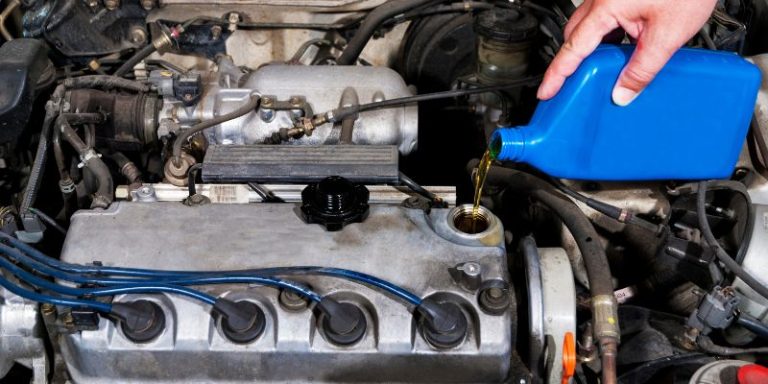
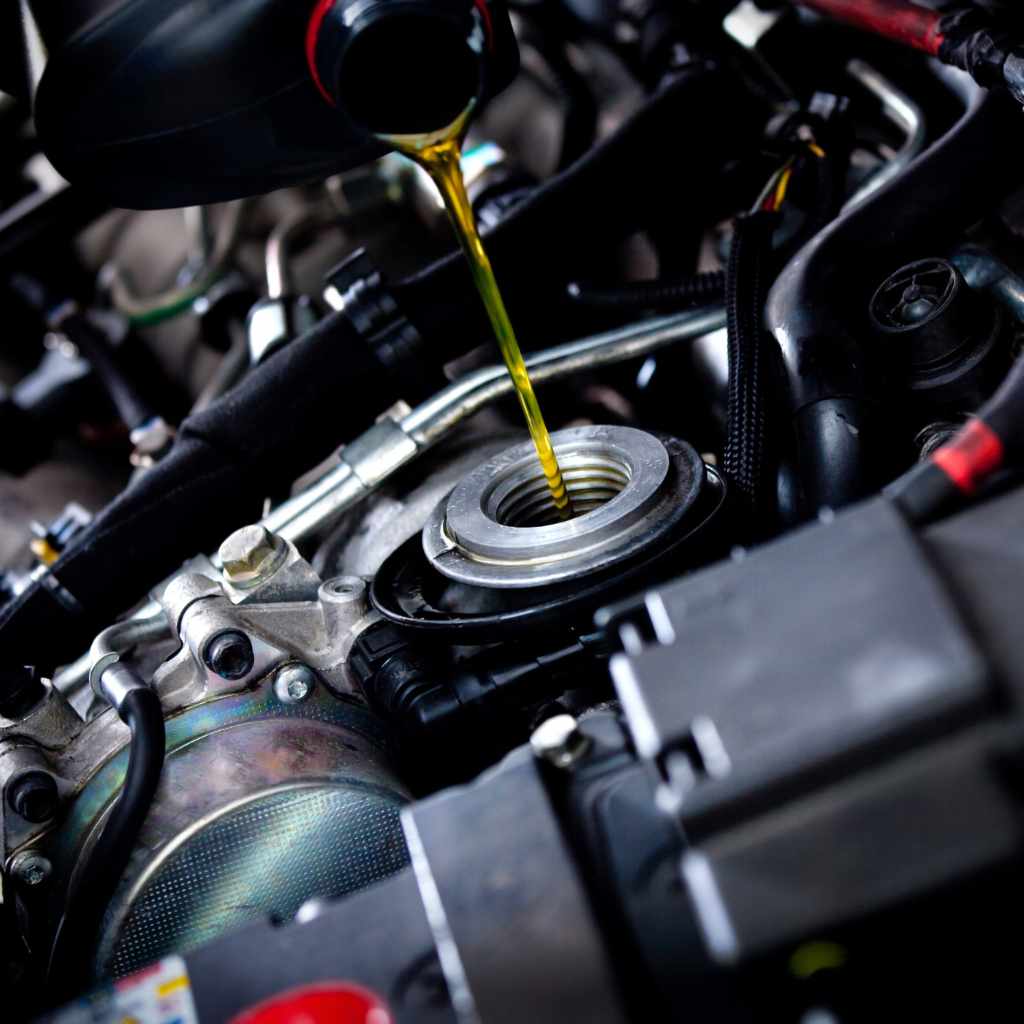
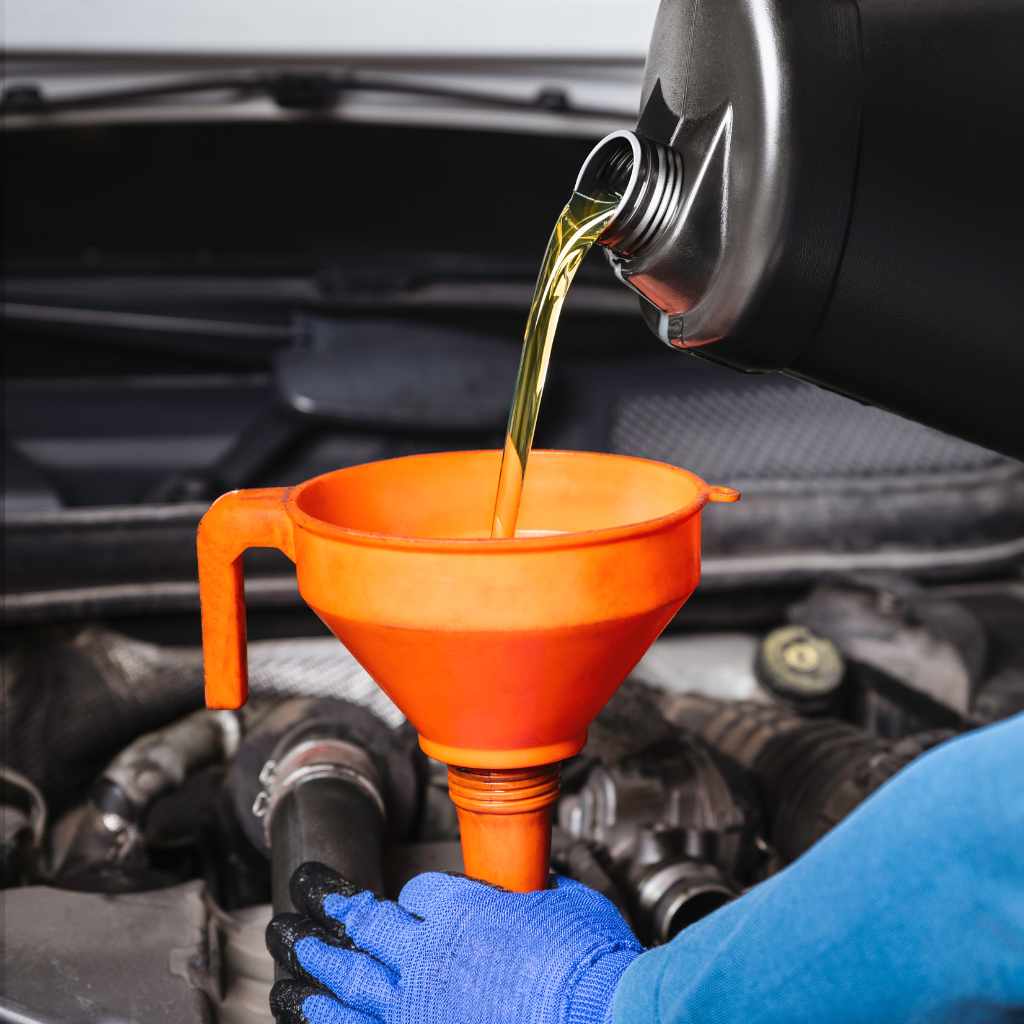
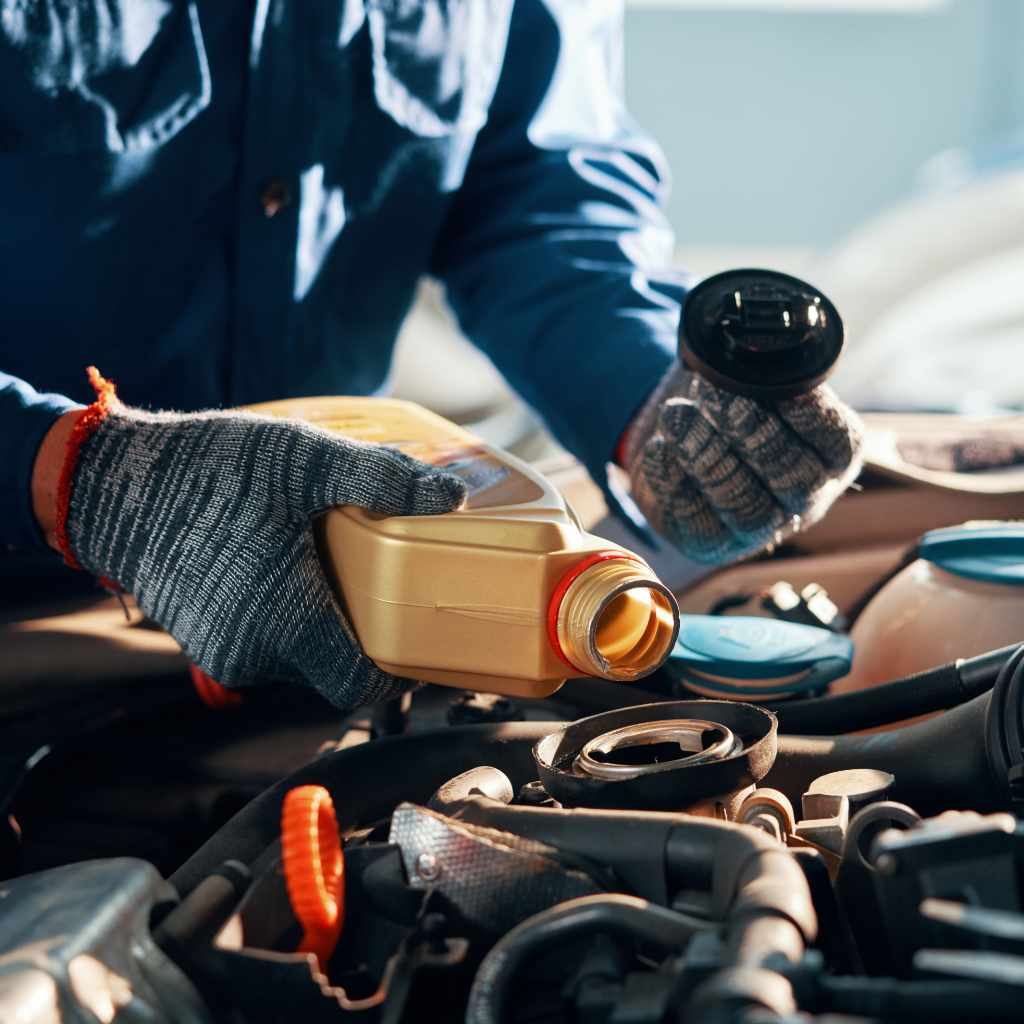
If the oil is low, you’ll need to add some. Find the oil filler cap on your engine (it’s usually labeled). Use a funnel to pour the correct type of oil into the engine. Add oil slowly, and keep checking the dipstick until you reach the right level. Try not to overfill the engine. Be sure to use the right type of oil.
Can an Oil Change Solve Shaking?
Yes, an oil change can often stop shaking if low oil is the cause. When you change the oil, you also remove old oil, and it cleans the engine. If the shaking is caused by low oil or dirty oil, an oil change might fix the problem. However, if the shaking comes from a deeper issue, you may need additional repairs. Understanding how oil changes impact the engine can help you to better understand the role they play.
How Oil Changes Can Help
Getting your oil changed is a simple way to keep your car healthy. This simple step can solve a lot of problems, including some causes of car shaking. Knowing how an oil change works lets you see how it can help.
Improved Lubrication: Fresh oil reduces friction.
New oil lubricates the engine’s parts better than old, dirty oil. New oil moves more freely and decreases friction. With less friction, your engine can run more smoothly, which can resolve the shaking caused by low oil.
Enhanced Cooling: Clean oil takes away heat more effectively.
Fresh oil can help prevent overheating, which is a major benefit. Dirty oil can’t cool as well as new oil, which can cause the engine to shake. New oil circulates better and keeps the engine at the proper temperature.
Removed Contaminants: An oil change takes away dirt and debris.
Old oil can get full of dirt, metal particles, and other things. An oil change removes these contaminants, which can wear down the engine. Removing these particles helps the engine run cleaner and more efficiently. Fresh oil helps to keep the engine cleaner.
Better Engine Performance: A clean engine runs more efficiently.
With clean oil, the engine works better. This includes more power and smoother operation. If the shaking came from the oil not doing its job, an oil change can help bring things back to normal.
What to Do After an Oil Change
After an oil change, there are a few things you should do to make sure everything is working correctly. These steps help you to check that the oil is at the correct level and that your engine is working properly. These steps are simple, but they are an important part of making sure that your car is running well.
Check the Oil Level: Make sure the oil level is correct.
After an oil change, check the oil level with the dipstick. The oil should be between the minimum and maximum marks. If the oil is too low, add more. If it is too high, some may need to be drained. This is very important to make sure your engine is running at the optimal level.
Monitor the Engine: Pay attention to how your car runs.
Pay attention to any engine sounds, how the car accelerates, and any changes in fuel efficiency. Look for things like unusual sounds or vibrations. If the shaking has stopped or has gotten better after the oil change, that’s a good sign. If the shaking continues, then it may be another problem. If the shaking continues, the next step would be to get your car looked at.
Follow the Maintenance Schedule: Stick to the recommended oil change intervals.
Your car’s manual will have information on how often you should change the oil. Follow this schedule. Changing the oil on time keeps the engine clean and lubricated. Following the schedule will help to keep your car running well and can help you avoid problems.
Consider Additional Checks: Get your mechanic to do a quick check-up.
When you get your oil changed, ask your mechanic to check the other parts of your car. They can look at things like your tires, brakes, and other systems to see if anything else needs attention. This can help to catch problems before they become big issues. Getting a quick check-up helps you take care of your car.
Frequently Asked Questions
Question: Can bad oil really make my car shake?
Answer: Yes, bad oil can make your car shake. When the oil is old or there isn’t enough of it, the engine parts don’t move smoothly. This lack of lubrication causes friction, which can make the car shake.
Question: How often should I change my car’s oil?
Answer: It depends on your car and how you drive it. Most cars need an oil change every 3,000 to 5,000 miles, or every six months. Always check your car’s manual for specific instructions.
Question: What happens if I don’t change my oil?
Answer: If you don’t change your oil, it will get dirty and lose its ability to protect the engine. This can cause the engine parts to wear out faster, leading to damage. The engine might start to shake, and it could cost a lot of money to fix.
Question: Can using the wrong type of oil cause problems?
Answer: Yes, using the wrong type of oil can lead to issues. The wrong oil might not provide enough protection for your engine, especially at high temperatures or under heavy use. Always use the oil recommended in your car’s manual.
Question: Does the type of driving I do affect oil changes?
Answer: Yes, how you drive can affect when you need an oil change. If you do a lot of stop-and-go driving, tow things, or drive in extreme conditions (hot or cold), you might need to change your oil more often than someone who drives mostly on highways.
Final Thoughts
Understanding the role of oil in your car is key. When you address the question, “Does a Car Shake When It Needs Oil?”, you know that it can be a sign of trouble. Low or dirty oil can lead to engine issues, and it might be causing the shaking. You now know that keeping an eye on your oil level, choosing the right type of oil, and following a regular oil change schedule are very important. Remember that getting your oil changed can often solve shaking caused by oil problems, but if the problem continues, you need to seek expert advice. Now that you have this knowledge, you can act quickly and keep your car running smoothly. Be proactive, and take care of your car, so it will keep running well for you.