What Causes Car Fires? Top Causes, NFPA Data & What to Do
Most car fires start from a mechanical or electrical failure, not a crash. The National Fire Protection Association (NFPA) counted an average of 195,927 highway vehicle fires a year in the U.S. from 2018 to 2022, and a mechanical failure was a factor in 30 percent of them and an electrical failure in 12 percent. This guide ranks the causes with those real numbers, shows the signs that come before a fire, and gives the exact steps from the USFA for what to do if your car catches fire.
Sources: NFPA’s November 2024 Vehicle Fires report and tables (2018-2022 annual averages), the U.S. Fire Administration (USFA) vehicle fire page, NHTSA recall notices and an NTSB safety report on EV battery fires. This is safety information, not a repair manual: leave fuel and electrical faults to a qualified technician, and do not drive a car that is smoking or smells of burning.
Understanding the Spark: Common Causes of Car Fires
Best UL-Rated Extinguisher Pack Pick
|
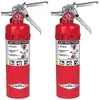
Amerex B417 2.5 lb ABC Fire Extinguisher with Wall Bracket, 2 Pack, $126.00 A two-pack of rated ABC extinguishers, so one can ride in the car and the other can stay in the garage or home. It is not a reason to stay near a burning vehicle.
|
As an Amazon Associate we earn from qualifying purchases. This is a spec-based pick from the listing, not a hands-on test.
NFPA records two things that are easy to confuse: the factor that contributed to ignition, and the first item that actually burned. Both help explain why car fires happen, so the list below uses each. All shares are of highway vehicle fires, 2018-2022 annual averages.
1. Mechanical failure: the leading factor (30 percent)
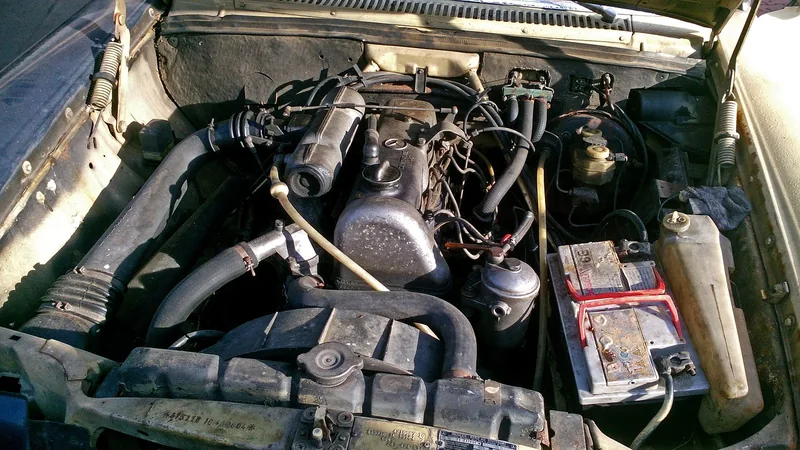
A mechanical failure or malfunction contributed to about 59,301 fires a year, 30 percent of the total. Leaks or breaks account for about 8,256 of those fires (4 percent) and worn-out parts for 4,215 (2 percent). Most vehicle fires begin in the engine area, running gear or wheel area: 61 percent of all highway vehicle fires started there.
2. Electrical failure and wiring (12 percent as a factor, 26 percent as the first item burned)
An electrical failure or malfunction contributed to about 23,910 fires a year, 12 percent. Looking at what ignited first, electrical wire or cable insulation was the single most common item, at about 50,398 fires or 26 percent. If your car keeps blowing fuses, that is a symptom to take seriously: see why car fuses keep blowing for what it can mean, and do not fit a bigger fuse to stop it.
3. Flammable liquids and fuel leaks
A flammable liquid or gas in or from the engine was the first item ignited in about 34,497 fires, 18 percent, but it was involved in 209 of the 579 deaths a year, 36 percent. Fires that begin at the fuel tank or fuel line are rare (about 3,244 fires, 2 percent) yet caused 59 deaths a year, 10 percent. Fuel and fluid fires are less frequent than wiring fires but far more dangerous, so a fuel smell is a reason to stop and call for help. For smaller leaks see why a car leaks oil.
4. Collisions and overturns: few fires, many deaths
A collision, knock down, run over or overturn was a factor in only about 6,461 fires a year, 3 percent. But it accounted for 284 civilian deaths a year, 49 percent of all highway vehicle fire deaths.
5. Misuse, arson and tires
Misuse of a material or product was a factor in about 9 percent of fires. Fires NFPA classed as intentional were about 4 percent (8,491 fires a year). The USFA’s advice on storage: keep gas cans and propane tanks away from passengers, sealed tightly and upright on a flat surface, and keep the windows open if one must ride inside.
How Common Are Car Fires, Really? (NFPA Data)
NFPA’s November 2024 report puts the 2018-2022 average at 195,927 highway vehicle fires a year, with 579 civilian deaths, 1,336 civilian injuries and $2.2 billion in direct property damage. The table pulls out the numbers that matter most for drivers.
| NFPA measure (2018-2022 annual average) | Fires per year | Share of fires | Civilian deaths per year |
|---|---|---|---|
| All highway vehicle fires | 195,927 | 100% | 579 |
| Mechanical failure or malfunction as a factor | 59,301 | 30% | 38 |
| Electrical failure or malfunction as a factor | 23,910 | 12% | 9 |
| Collision, knock down, run over or overturn | 6,461 | 3% | 284 |
| Intentional cause | 8,491 | 4% | 30 |
| Started in engine area, running gear or wheel area | 119,323 | 61% | 208 |
| Started at the fuel tank or fuel line | 3,244 | 2% | 59 |
| First item ignited: electrical wire or cable insulation | 50,398 | 26% | 11 |
| First item ignited: flammable liquid or gas from the engine | 34,497 | 18% | 209 |
Two more findings: in 2022 about three-quarters of fires caused by mechanical or electrical failure involved vehicles of model year 2011 or earlier; NFPA ties that to aging parts and overlooked maintenance. And while the yearly count of highway vehicle fires is down 69 percent since 2005 (200,876 in 2022), NFPA notes that fire deaths have risen, peaking at 650 in 2022.
Do Electric Cars Really Catch Fire More Than Gas Cars?
The honest answer from the sources I could verify is that NFPA’s vehicle fire report does not split its totals by fuel type, so it cannot say which kind of car burns more often. An earlier version of this article quoted a per-vehicle ratio from a third-party blog, which was removed because it has no primary source and year.
What the primary sources do say is how an EV battery fire differs. In its safety report on lithium-ion battery fires in electric vehicles (announced January 13, 2021), the NTSB studied four EV fires: three followed high-speed, high-severity crashes and one happened during normal operation. All three crash-damaged batteries reignited after firefighters put the fire out; the fourth did not. The report describes thermal runaway as uncontrolled increases in temperature and pressure, and names stranded energy in a damaged battery as a risk to responders. For more, see our guides on whether electric cars catch fire and electric car fire statistics.
Warning Signs, Causes and What to Do: Common Car Fire Causes Table
No NFPA, USFA or NHTSA page used here lists a set of warning signs, so the middle column below is general mechanic knowledge, not NFPA data. The first column uses NFPA’s categories. When in doubt about any of these, stop driving and have a professional look at the car.
| Cause (NFPA category) | Signs drivers commonly notice | What to do |
|---|---|---|
| Mechanical failure (30% of fires) | Burning smell, smoke from under the hood, a temperature warning, a new fluid puddle | Pull over safely and switch the engine off. Have it towed to a shop |
| Electrical failure and wiring (12% factor; 26% first item burned) | Burning plastic smell, fuses that keep blowing, flickering lights, a hot or melted connector | Stop using the circuit. Do not swap in a larger fuse or do DIY wiring repairs. See the burnt plastic smell guide and have a technician trace it. For connectors see how to remove electrical connectors safely |
| Flammable liquids and fuel leaks (18% of first items) | Raw fuel smell, wet fuel lines, drips on hot parts, smoke from oil burning off | Do not drive a car that smells of fuel. Park away from structures, keep sparks and flames away, and call for a tow. See signs a car is burning oil |
| Collision or overturn (3% of fires, 49% of deaths) | Fluid leaking after a crash, smoke, a damaged battery or fuel line | Get everyone out and 100 feet away, then call 911. Do not go back for belongings |
| Misuse of products (9% of fires) | Gas cans or propane in the passenger area, a heat source near seats or cargo | Store fuel containers as the USFA advises: sealed and upright, windows open if carried inside |
| Open safety recall | No visible signs at all | Check your VIN at nhtsa.gov/recalls and book the free repair |
If smoke is already visible, skip the table and use the steps below. Our guide to smoke coming from under the hood covers the non-fire causes once you are safely stopped.
Common Vehicle Fire Recalls and How to Check Yours
Some fires come from a defect, not wear or neglect, and a recall is how it gets fixed. Two NHTSA recall notices show how different these can be.
- Lincoln MKC, 2015-2019 (NHTSA campaign 23V-378): Ford reported that the battery monitor sensor may short-circuit and overheat, causing a fire in the engine compartment while parked or driving. NHTSA lists 142,734 vehicles. Owners were advised to park outside and away from structures until the repair was done, and dealers add an in-line fuse to the sensor circuit free of charge.
- Jeep Wrangler 4xe 2020-2025 and Grand Cherokee 4xe 2022-2026 (NHTSA campaign 25V741): Chrysler reported that the high voltage battery may fail internally and lead to a fire while parked or driving. NHTSA lists 320,065 vehicles. In the notice dated November 3, 2025, owners were advised to park outside and away from structures and not to charge the vehicle until the remedy, which was still under development, was available.
To see whether your own car has an open recall, enter the 17-character VIN in the NHTSA recall lookup. A recall cannot be spotted from the driver’s seat.
Preventing Car Fires: Your Role as a Car Owner
The USFA’s prevention advice is short: have the vehicle serviced regularly by a trained mechanic, store gas cans and propane tanks carefully, and drive safely to avoid accidents. The NFPA findings on aging cars suggest a practical addition: the older the vehicle, the more a regular inspection of hoses, wiring and fluid leaks is worth.
- Fix leaks early: a new drip is the flammable-liquid category above. Have it diagnosed.
- Treat smells and blown fuses as faults: a bigger fuse hides the fault and removes the protection.
- Leave wiring to professionals: wiring insulation is already the top first-ignited item in NFPA’s data. No DIY wiring.
- Check recalls: look up your VIN at nhtsa.gov/recalls a couple of times a year.
- Look under the hood: check hoses, belts and the battery area when the engine is cold.
For an overview of extinguisher choices see our best car fire extinguishers guide, and for the myths about cars exploding see can cars blow up.
What to Do if You Suspect or See a Car Fire
These steps follow the U.S. Fire Administration (USFA) guidance. Smoke or fire from a vehicle gets worse quickly, so the priority is getting people out, not saving the car.
- Pull over as soon as it is safe to do so.
- Turn off the engine.
- Get everyone out of the vehicle. Never go back into a burning vehicle, and do not try to fight the fire yourself.
- Do not open the hood or trunk if you suspect a fire there, because this could make the fire grow.
- Move everyone at least 100 feet from the vehicle and well away from traffic.
- Call 911.
If the car is an EV or hybrid, the same steps apply. The NTSB’s work shows that a damaged lithium-ion battery can reignite after the flames are out, so tell the responders it is an electric vehicle and do not return to the car even if the fire looks finished.
Frequently Asked Questions (FAQs)
What is the single most common cause of car fires?
In NFPA’s 2018-2022 data, a mechanical failure or malfunction was a contributing factor in 30 percent of highway vehicle fires, and an electrical failure or malfunction in another 12 percent. Collisions were a factor in only 3 percent of fires but about half of the deaths.
Can a car catch fire while driving?
Yes. The USFA says mechanical and electrical issues, along with crashes, are common causes of vehicle fires, and NHTSA recall notices describe fires that can start while a vehicle is parked or driving. If you see smoke or flames, follow the steps above: pull over, turn the engine off, get everyone out and call 911.
Are electric cars more likely to catch fire than gas cars?
NFPA’s vehicle fire report does not break its 2018-2022 totals out by fuel type, so it cannot answer this. The NTSB has studied lithium-ion battery fires in electric vehicles and found that responders face thermal runaway, reignition and stranded-energy risks. See our electric car fire statistics guide for more.
What should I do if I see smoke coming from my car’s engine?
Pull over as soon as it is safe, turn off the engine, get everyone out and at least 100 feet from the vehicle and away from traffic, then call 911. The USFA says not to open the hood or trunk if you suspect a fire there, because it could make the fire grow.
Can a bad battery or alternator cause a car fire?
A short circuit or a failed electrical part can start one, and NHTSA recall notices show real examples, such as a 2015-2019 Lincoln MKC recall for a battery monitor sensor that could short-circuit and overheat. Warning signs such as a burning smell or repeated blown fuses call for a professional inspection, not more fuses.
How do I check if my car has an open fire-related recall?
Enter your 17-character VIN in the NHTSA recall lookup at nhtsa.gov/recalls. If a recall is open, contact a dealer: the recall notices quoted above describe the repair as free of charge, and some notices tell owners to park outside until the fix is done.
Conclusion
Most car fires begin in the engine area from a mechanical or electrical fault. Crashes cause fewer fires but a large share of the deaths. Keep the car serviced, treat smells and blown fuses as faults, check your VIN for recalls, and if a fire starts, follow the USFA steps: pull over, engine off, everyone out and 100 feet away, call 911.
Products related to this article
Sponsored / affiliate links. As an Amazon Associate I earn from qualifying purchases. I may earn additional commission from eligible campaigns.