Does a Diesel Pump Fit in a Gas Car? Nozzle Size Explained
No, a diesel pump nozzle does not fit into a gas (petrol) car’s fuel tank. It is built physically wider on purpose, so it cannot pass through the narrower opening that gas-only vehicles use.
The size difference is not an accident or a rough industry guess. In the United States, a gasoline nozzle spout is capped at 0.840 inches (21.3 mm) across, while a gas car’s filler inlet is required to block anything 0.930 inches (23.6 mm) or wider. Diesel nozzles are made bigger than that threshold on purpose, which is exactly why they will not go in.
Below, you will find the exact nozzle measurements and the federal rule behind them, where the size rule does not apply, why the opposite mistake (gas in a diesel car) is actually far more common and far more damaging, and the steps to take if you do end up with the wrong fuel in your tank. This guide uses U.S. nozzle standards; if you are filling up in the UK, our separate breakdown of UK diesel-nozzle rules and color-coding covers the local regulations instead.
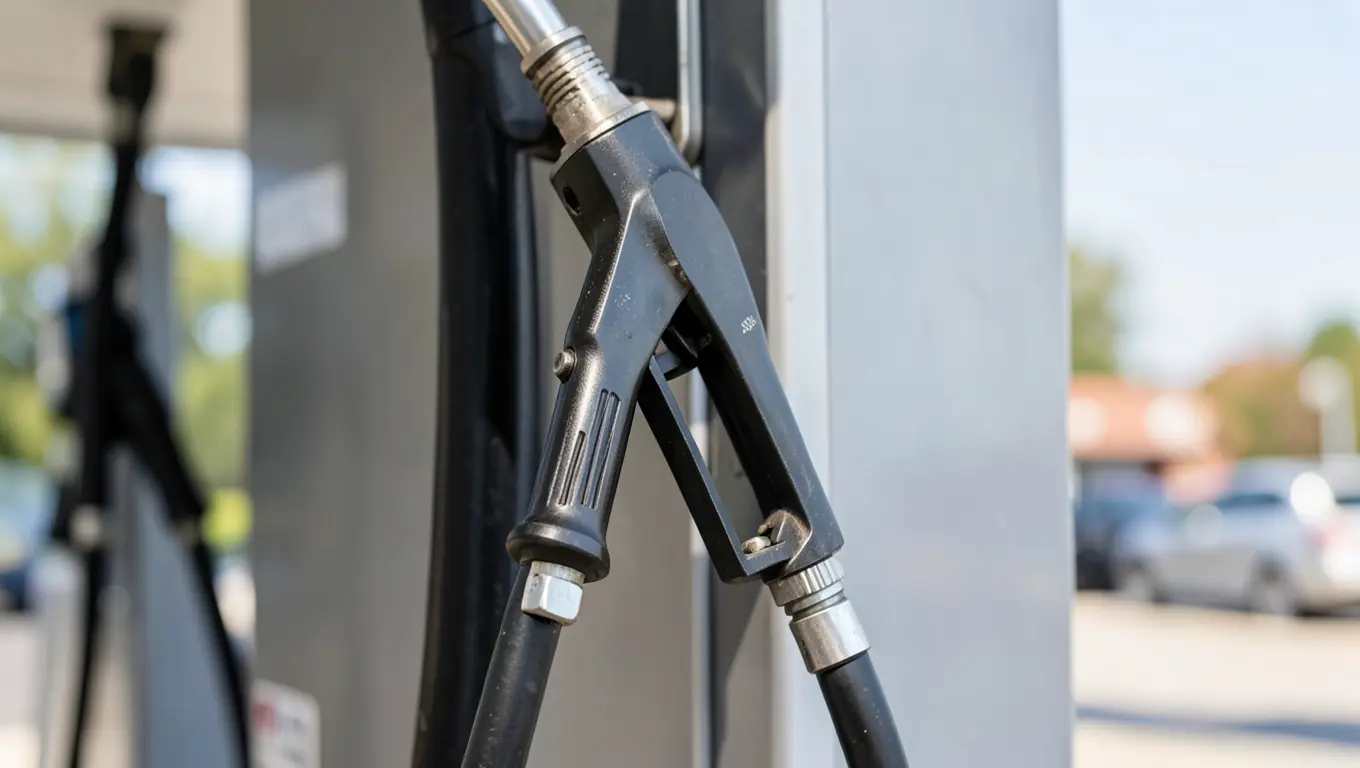
Why a Diesel Nozzle Physically Cannot Fit a Gas Car
The rule behind this actually predates diesel misfueling altogether. Under EPA regulation 40 CFR § 80.22, every gasoline nozzle spout sold in the U.S. must have an outside diameter no larger than 0.840 inches (21.3 mm), and every gas-only vehicle must have a filler-neck restrictor that blocks anything 0.930 inches (23.6 mm) or wider from going in. That rule was originally written in the 1970s to keep the older, larger leaded-gas nozzles out of new cars built to run on unleaded fuel only, since leaded gasoline destroys a catalytic converter.
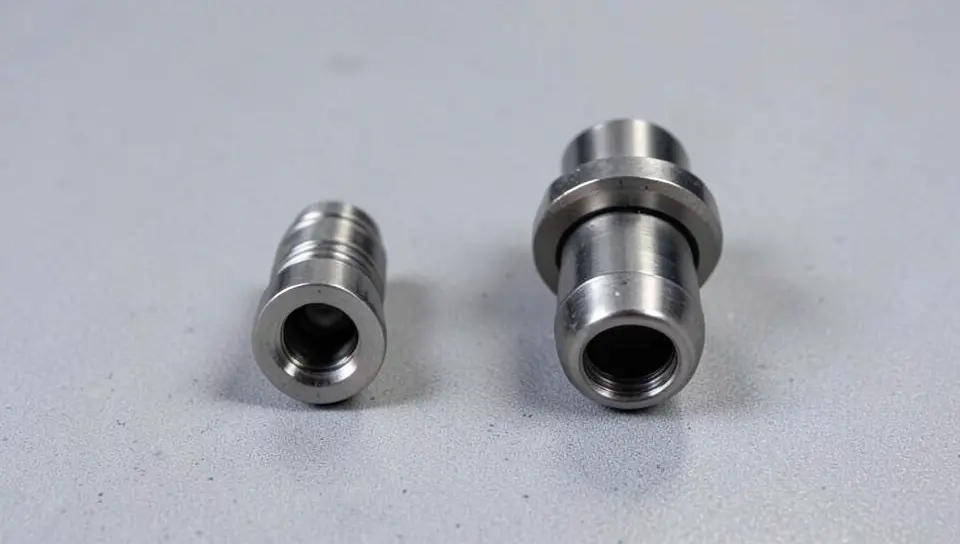
Diesel pump manufacturers later adopted that same size gap for a different reason: to keep diesel out of gas tanks. A diesel nozzle for a passenger car or light truck is typically 0.93 to 1.00 inches (23.6 to 25.5 mm) across — sized specifically to sit right at or above the restrictor threshold your gas car is built to block. Heavy-duty diesel nozzles used for trucks at truck-stop pumps are even larger, often 1.12 to 1.5 inches (28.5 to 38 mm), since they need to move a much higher volume of fuel per minute.
| Nozzle type | Typical outside diameter | Fits a standard gas car? |
|---|---|---|
| Gasoline nozzle (unleaded) | Up to 0.840 in (21.3 mm) | Yes — this is the size it is built for |
| Gas car’s filler-neck restrictor | Blocks 0.930 in (23.6 mm) and up | N/A — this is what stops the diesel nozzle |
| Diesel nozzle (car/light truck pumps) | 0.93–1.00 in (23.6–25.5 mm) | No |
| Diesel nozzle (heavy-duty truck pumps) | 1.12–1.5 in (28.5–38 mm) | No |
In practice, that means a diesel nozzle sitting at the low end of its size range (around 0.93 in) can be only a hair wider than the restrictor is built to block. On some vehicles the fit is obviously impossible; on a few it can feel almost tight enough to force, which is exactly why the design margin exists — so an average driver never gets close enough to try.
CORDLESS FUEL TRANSFER PICK
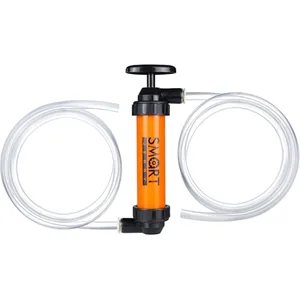 |
Cordless Fuel Transfer Pump, 3 GPM – $17.99 If you ever pour diesel through a wide-mouth funnel or jerry can instead of a pump nozzle — the exact scenario above where the size restrictor never comes into play — a cordless transfer pump moves fuel cleanly between approved containers instead.
|
Where the Size Rule Does Not Apply
This nozzle-size protection is not universal. A few real exceptions are worth knowing:
- Vehicles built before the unleaded-fuel restrictor era. Classic cars and some pre-1970s vehicles were never fitted with a narrow restrictor, so both nozzle types can physically enter the filler neck. The restrictor is what blocks diesel, not the fuel itself.
- Aftermarket fillers, funnels, and jerry cans. If someone pours diesel through a wide-mouth funnel or a jerry can spout instead of using the pump nozzle directly, the restrictor never comes into play at all.
- Diesel pickup trucks and vans. These have wide filler necks by design, built to accept the larger diesel nozzle. That same wide opening is what lets a much smaller gasoline nozzle slide in without resistance — more on that below.
- Motorcycles and small-engine equipment. Some are exempt from the standard restrictor rule and use their own narrower fillers, so the protection can vary by model.
The Bigger Real-World Risk Runs the Other Direction
Here is the part most articles on this topic skip: the nozzle-size rule only blocks diesel from going into a gas car. It does nothing to stop the reverse. Because a diesel car’s filler neck has to be wide enough to accept the larger diesel nozzle, a narrower gasoline nozzle slides into it just as easily as it slides into a gas car. There is no restrictor on the diesel side to catch the mistake.
That asymmetry is why breakdown and roadside-assistance services consistently report that putting gasoline in a diesel car happens far more often than the reverse, and why it is treated as the more serious of the two mistakes. Gasoline acts as a solvent inside a diesel fuel system, stripping away the lubricating film the diesel injection pump and injectors depend on to survive the extremely high pressures they run at. Even a small amount of gas mixed into a full diesel tank can cause expensive injection-pump damage. If that scenario applies to you, see our separate guide on what happens if you put gas in a diesel car for the specific symptoms and next steps.
Signs You Got the Wrong Fuel in Your Tank
Since the pump nozzle itself almost always prevents diesel from entering a gas car, most real-world diesel-in-gasoline incidents happen away from the pump — someone pours diesel from a can, tops off from the wrong storage tank, or the vehicle is misidentified as diesel when it is not. If that happens, watch for:
- The engine cranks but will not start, or starts and stalls within seconds
- Rough idling, misfiring, or a noticeable loss of power under acceleration
- Loud knocking or pinging noises from the engine
- Thick, dark exhaust smoke
- A check engine or fuel system warning light
Even a small amount of diesel mixed into gasoline changes how the fuel burns, since diesel does not vaporize and ignite the way gasoline does inside a spark-ignition engine. The more diesel that gets in and the longer the engine runs on it, the more likely it clogs the fuel filter and injectors and starts contaminating the catalytic converter.
What to Do Immediately If You Misfuel
- Do not start the engine. If you have not started it yet, leave the key out of the ignition. If it is already running, turn it off as soon as it is safe to do so.
- Do not turn the key to the “on” position more than necessary. Running the fuel pump even briefly can pull the wrong fuel further into the lines.
- Put the car in neutral and get it clear of the pump if it is blocking traffic, pushing it by hand rather than driving it.
- Tell the station attendant what happened before you leave — most stations have a process for this and can call a fuel-drain service directly.
- Call a professional fuel-drainage or roadside service rather than attempting to drain the tank yourself. See our guide on how to drain fuel from a car if you want to understand what the process involves before the technician arrives.
Repair Cost and Insurance
Cost depends entirely on how far the wrong fuel traveled before anyone caught it. If the engine was never started, a professional drain-and-flush of the tank and fuel lines is typically the whole fix, and most independent mechanics and dealerships price that in the low hundreds of dollars. If the engine did run on the wrong fuel, even briefly, injectors, the fuel pump, or in worse cases the catalytic converter can be damaged, and repair bills can climb well into four figures.
Some comprehensive auto insurance policies cover misfueling as accidental damage, but it is not automatic and coverage varies by insurer and policy tier. Call your insurance company before authorizing repairs, ask specifically whether “misfueling” or “wrong fuel” damage is covered under your policy, and keep the invoice from the fuel-drain service as documentation for any claim.
Frequently Asked Questions
Can a Diesel Nozzle Physically Fit Into a Gas Car?
No. U.S. gas cars have a filler-neck restrictor built to block anything 0.930 inches (23.6 mm) or wider, and diesel nozzles are made 0.93 inches (23.6 mm) or larger specifically so they cannot pass through it.
Are Diesel and Gas (Petrol) Nozzles the Same Size?
No. A gasoline nozzle spout is capped at 0.840 inches (21.3 mm), while diesel nozzles for cars and light trucks run 0.93 to 1.00 inches (23.6 to 25.5 mm), and heavy-duty diesel truck nozzles can reach 1.5 inches (38 mm).
Why Are Diesel Nozzles Made Bigger Than Gas Nozzles?
The nozzle-size gap traces back to a 1970s EPA rule that kept larger leaded-gasoline nozzles out of cars built for unleaded fuel only. Diesel pump makers later sized diesel nozzles to sit above that same restrictor threshold, turning an old anti-leaded-fuel design into an effective diesel-into-gas-car safeguard.
Is It More Common to Put Gas in a Diesel Car Than Diesel in a Gas Car?
Yes, by a wide margin. Because a diesel car’s filler neck has to be wide enough for the larger diesel nozzle, a gasoline nozzle fits into it with no resistance at all. Diesel cars have no restrictor to catch a gasoline nozzle the way gas cars catch a diesel one, which is why roadside-assistance providers report gas-in-diesel as the far more common and far more damaging mistake of the two.
What Happens If Diesel Gets Into a Gas Car’s Tank?
Diesel does not vaporize and ignite the way gasoline does in a spark-ignition engine, so a car that gets a meaningful amount of diesel will struggle to start, run rough, stall, and may produce dark exhaust smoke and a check engine light. A small amount can sometimes be diluted out with a fresh top-off of gasoline, but any noticeable amount should be drained by a professional rather than driven on.
Does Insurance Cover Putting the Wrong Fuel in Your Car?
Sometimes, under comprehensive coverage with an accidental-damage clause, but it is never automatic. Contact your insurer before paying for repairs, ask directly whether misfueling is covered under your specific policy, and keep the fuel-drain invoice in case you need to file a claim.
Conclusion
A diesel pump nozzle does not fit into a gas (petrol) car by design, not by chance — the exact millimeter gap between a 0.840-inch gasoline nozzle and a 0.930-inch-and-up restrictor is what stops it every time. The mistake worth actually worrying about runs the other way: gasoline slides into a diesel car with no resistance at all, and it does far more damage once it is in there. Know which fuel your car takes, double-check the nozzle color and handle at the pump, and if you ever do get the wrong fuel in the tank, stop the engine and call a professional rather than trying to drive it out.
Products related to this article
Sponsored / affiliate links. As an Amazon Associate I earn from qualifying purchases. I may earn additional commission from eligible campaigns.