Does a Hybrid Car Charge Itself?
Hey there! If you’re wondering does a hybrid car charge itself, I’m here to break it down for you in a simple, friendly way. I’ve spent a lot of time digging into how hybrid cars work, and I’m excited to share what I’ve learned. The short answer? Yes, a hybrid car can charge itself, but there’s a lot more to the story. Let’s dive into the details and explore how these amazing vehicles keep their battery powered up without needing a plug—most of the time. Stick with me, and I’ll walk you through everything you need to know, step by step, like we’re chatting over coffee.
How Hybrid Cars Work
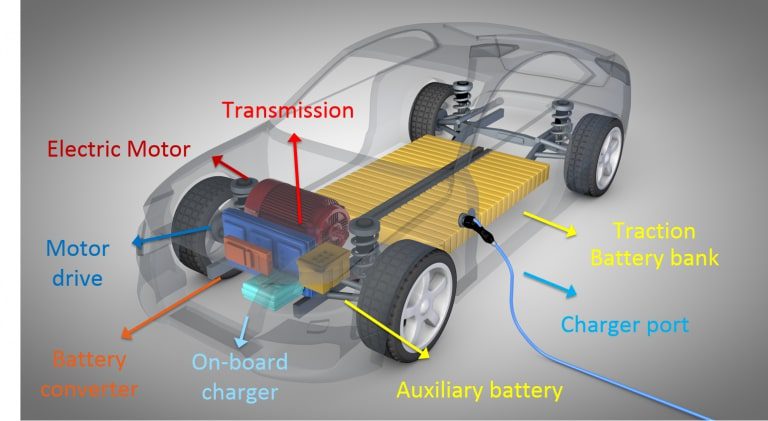
Let’s start with the basics. A hybrid car combines a gasoline engine with an electric motor to power the vehicle. I remember the first time I drove one—it felt like magic how it switched between gas and electric without me noticing. The electric motor runs on a battery, which is different from the one that starts your car. This battery is what makes the car special, giving it better fuel efficiency and lower emissions.
The cool thing? The battery doesn’t need you to plug it in like a phone. Instead, the car has a clever charging system that keeps it powered up while you drive. This self-charging ability is what sets most hybrid cars apart from plug-in hybrids or fully electric vehicles. But how does it actually work? Let’s get into that next.
What Makes a Hybrid Car Self-Charging?
When I first heard about self-charging hybrids, I was curious how they pulled it off. The secret lies in two main systems: regenerative braking and the gasoline engine working as a generator. Let me explain both, so it’s crystal clear.
First, regenerative braking is like a superpower for hybrid cars. Every time you press the brake pedal or coast, the electric motor switches into generator mode. It captures the energy that would normally be lost as heat when you slow down and turns it into electricity to recharge the battery. I’ve driven hybrids on city roads, and it’s amazing how much energy you can recover just from stopping at traffic lights.
Second, the gasoline engine also helps charge the battery. When the car doesn’t need all the engine’s power—like when you’re cruising at a steady speed—it sends some of that energy to the electric motor, which acts as a generator to top up the battery. It’s like the car is multitasking, running itself and charging at the same time. This self-charging process means you don’t have to plug in a standard hybrid car to keep it going.

Types of Hybrid Cars and Their Charging Systems
Not all hybrid cars are the same, and I learned this the hard way when I mixed up a plug-in hybrid with a standard one. Let’s clear up the differences so you know what’s what.
- Standard Hybrids: These are the classic self-charging hybrids, like the Toyota Prius or Honda Accord Hybrid. They rely entirely on regenerative braking and the gasoline engine to charge their battery. You never need to plug them in, which is great if you don’t have access to a charging station.
- Plug-in Hybrids (PHEVs): These, like the Chevy Volt or Toyota RAV4 Prime, have larger batteries that you can charge by plugging into an outlet. They can drive longer distances on electric power alone, but they also use self-charging systems like regenerative braking when the battery runs low. I love the flexibility of PHEVs, but you’ll need to plug them in to get the most out of their electric range.
- Mild Hybrids: These are less common but still worth mentioning. They use a small electric motor to assist the gasoline engine, but they can’t drive on electric power alone. Their battery is charged through regenerative braking, but it’s smaller and doesn’t provide as much boost as full hybrids.
Here’s a quick table to compare them:
| Type of Hybrid | Charging Method | Needs Plug-In? | Electric-Only Range |
|---|---|---|---|
| Standard Hybrid | Regenerative braking, gasoline engine | No | Very limited or none |
| Plug-in Hybrid | Plug-in, regenerative braking, gasoline engine | Yes, for max range | 20–50 miles (varies) |
| Mild Hybrid | Regenerative braking | No | None |
This table helped me understand why my friend’s plug-in hybrid needed a charging station, while my standard hybrid car was good to go with just a gas tank.
Benefits of a Self-Charging Hybrid Car
Owning a self-charging hybrid has been a game-changer for me, and I want to share why. The biggest perk is the convenience. You don’t need to worry about finding a charging station or installing one at home. Just fill up the gas tank, and the car handles the rest. It’s perfect for busy folks or anyone who lives in an apartment without easy access to a plug.
Another huge plus is fuel efficiency. My hybrid gets way better gas mileage than my old car, which means fewer trips to the pump and more money in my pocket. Plus, because it uses the electric motor for low-speed driving, it’s quieter and smoother, especially in traffic.
Hybrids are also kinder to the environment. By relying on the battery for part of the drive, they burn less gas and produce fewer emissions. I feel good knowing I’m doing a small part to help the planet while still enjoying the convenience of a gas-powered car.
Limitations of Self-Charging Hybrids
I’ll be honest—self-charging hybrids aren’t perfect. One thing I noticed is that their battery can only store so much energy. This means you can’t drive on electric power for long distances like you can with a plug-in hybrid or a fully electric car. If you’re hoping to go all-electric for your commute, a standard hybrid might not cut it.
Another limitation is that the charging system depends on how you drive. If you’re always speeding or braking hard, regenerative braking won’t capture as much energy, and the battery might not charge as efficiently. I’ve learned to drive smoothly to get the most out of my hybrid’s system.
Lastly, while fuel efficiency is great, it’s not as impressive as a plug-in hybrid when fully charged or a fully electric vehicle. If you have access to charging and want to maximize electric driving, a plug-in hybrid might be worth considering.
How Driving Habits Affect Hybrid Charging
When I started driving my hybrid car, I didn’t realize how much my habits could affect its self-charging system. Let me share what I’ve learned. Smooth driving is key. Gentle acceleration and braking let regenerative braking work its magic, capturing more energy for the battery. If you’re slamming on the brakes or zooming off at every green light, you’re wasting energy that could recharge the system.
City driving is where hybrids shine. All those stops and starts at traffic lights give regenerative braking plenty of chances to recharge the battery. I’ve noticed my car feels most efficient in stop-and-go traffic. On highways, though, the gasoline engine does more of the work, and you might not charge the battery as much.
Pro tip: Keep an eye on your car’s dashboard. Most hybrids have a display that shows when the electric motor is working or when the battery is charging. It’s like a little game to see how efficiently you can drive!
Maintenance Tips for Hybrid Car Batteries
I used to worry about the battery in my hybrid car—would it wear out fast? Would it cost a fortune to replace? After researching and talking to mechanics, I’ve got some tips to share. First, hybrid car batteries are built to last. Many come with warranties for 8–10 years or 100,000–150,000 miles, depending on the brand. My Toyota’s battery warranty gave me peace of mind.
To keep the battery in good shape, avoid extreme temperatures when possible. Parking in a garage during hot summers or cold winters can help. Also, drive your car regularly. If a hybrid car sits unused for weeks, the battery can lose charge, which isn’t great for its long-term health.
Regular maintenance, like checking the cooling system for the battery, is also key. I take my car to a trusted mechanic who knows hybrids, and they make sure everything’s running smoothly. So far, I haven’t had any issues, and I hope you won’t either!
Hybrid Cars vs. Plug-in Hybrids: Which Is Right for You?
Choosing between a self-charging hybrid and a plug-in hybrid can be tricky. I went through this decision myself, so let me break it down. If you want simplicity and don’t want to deal with charging, a standard hybrid car is the way to go. It’s self-charging, so you just fill up with gas and drive. It’s perfect for long trips or if you don’t have a charger at home.
On the other hand, plug-in hybrids are great if you can charge at home or work. They let you drive on electric power for longer, which can save even more on gas. I considered a plug-in hybrid, but since I live in an apartment without a charger, the standard hybrid was a better fit.
Think about your daily commute. If it’s short and you can plug in, a plug-in hybrid might save you more money. If you drive long distances or prefer less hassle, a self-charging hybrid is probably your best bet.
The Future of Self-Charging Hybrid Technology
I’m excited about where hybrid cars are headed. Automakers are constantly improving self-charging systems to make them more efficient. For example, some new models have better regenerative braking systems that capture even more energy. Others are using lighter, more powerful batteries that hold a charge longer.
I’ve also read about advancements in electric motors that make hybrids smoother and more powerful. Some brands are even experimenting with solar panels on car roofs to give the battery a little extra juice. It’s not mainstream yet, but it’s cool to think about!
As gas prices rise and people care more about the environment, I think self-charging hybrids will stay popular. They’re a great middle ground between traditional cars and fully electric vehicles, especially for folks who aren’t ready to go all-electric yet.
Conclusion
So, does a hybrid car charge itself? Absolutely, and I hope I’ve shown you how it works in a way that’s easy to understand. From regenerative braking to the gasoline engine doubling as a charger, self-charging hybrids are designed to keep their battery powered without needing a plug. They’re convenient, fuel-efficient, and eco-friendly, making them a fantastic choice for many drivers. Sure, they have some limitations, like shorter electric-only ranges compared to plug-in hybrids, but for me, the ease of use is worth it.
I’ve loved exploring this topic and sharing my experiences with you. Whether you’re thinking about buying a hybrid car or just curious about how they work, I hope you feel more confident now. If you’re considering one, take a test drive and see how it feels. You might be surprised at how much you enjoy it! Got more questions? Check out the FAQs below, or let me know what’s on your mind—I’m happy to chat more about hybrids anytime.
Frequently Asked Questions
How does regenerative braking work in a hybrid car?
Regenerative braking is a system where the electric motor in a hybrid car acts as a generator when you brake or coast. It captures energy that would be lost as heat and converts it into electricity to recharge the battery. It’s most effective in stop-and-go driving, like in city traffic.
Can a hybrid car run on electric power alone?
Yes, but only for short distances in most standard hybrid cars. The electric motor can power the car at low speeds, but the battery isn’t large enough for long electric-only drives. Plug-in hybrids have bigger batteries and can go 20–50 miles on electric power.
Do I need to plug in a hybrid car to charge it?
For standard hybrid cars, no—you don’t need to plug them in. They use regenerative braking and the gasoline engine to charge the battery. Plug-in hybrids, however, need to be plugged in to maximize their electric range.
How long does a hybrid car battery last?
Most hybrid car batteries last 8–10 years or 100,000–150,000 miles, depending on the model. Many come with long warranties, and proper care—like avoiding extreme temperatures—can help them last even longer.
Are self-charging hybrids worth it?
Absolutely, if you want convenience and fuel efficiency without needing a charger. They’re great for city driving and long trips alike. If you can plug in and want more electric range, a plug-in hybrid might be better, but self-charging hybrids are super practical.