Best Camping Stoves for Vehicles (2026): We Compared
Choose the Coleman Triton 2-Burner Propane Stove if you want the best all-around vehicle stove for most car campers: it balances a manageable packed size, two burners, wind guards, and straightforward propane cooking. The right pick still depends on your storage space and meal style, though, so a hatchback usually needs a smaller stove than a truck bed.
Quick comparison
| Product | Badge | Best for | Price | ||
|---|---|---|---|---|---|
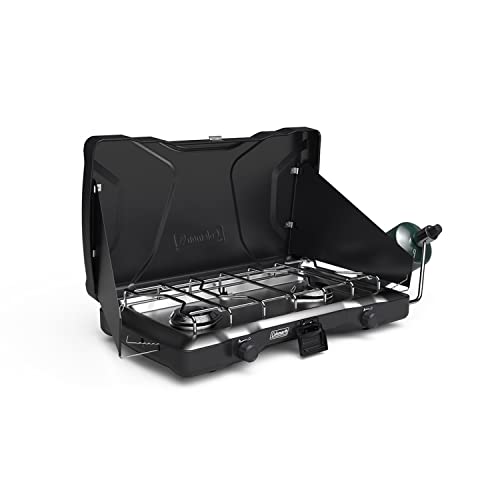 |
Coleman Triton 2-Burner Propane Stove, Portable CampingColeman | Our pick | 2-burner · Propane · Portable cooktop | $89.99
Price as of 21 Oct 2026
|
View |
 |
Gas One Portable Butane Camping Stove with Case: AutomaticGas One | Budget pick | Single-burner · Butane · With carrying case | $24.99
Price as of 21 Oct 2026
|
View |
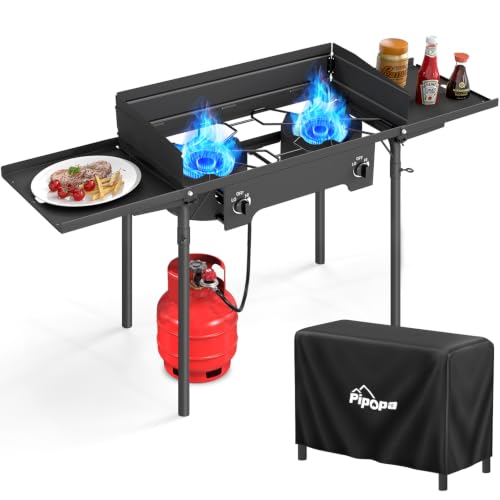 |
2 Burner Propane Camp Stove | 150,000 BTU | High PressurePipopa | Upgrade pick | 2-burner · High pressure · Propane stove | $109.99
Price as of 21 Oct 2026
|
View |
Use the comparison table to sort the options by storage fit, burner count, and fuel type before you look at price alone. A stove that matches your cargo area and meal plan will be easier to live with than a larger model that only sounds powerful on paper.
How we chose
Vehicle campers need more than high BTU numbers. The picks below are built around packed size, burner count, fuel type, wind control, ignition convenience, and whether the stove matches solo trips, family meals, tailgates, or longer overlanding setups.
The focus was also kept on practical storage. A stove that is 32 lbs and awkward to stash is a poor match for a sedan hatchback, even if it cooks fast. A lighter, foldable, or nesting design can matter more than raw output when cargo space is limited.
Finally, we separated stove types by use case. Single-burner butane works for quick meals, two-burner propane fits most car camping, and integrated or foldable systems make the most sense when organization and packed volume matter more than sheer heat.
Camping stove decision matrix
| Vehicle setup | Stove type | Burner count | Packed size goal | Fuel | Best use case |
|---|---|---|---|---|---|
| Sedan hatchback | Compact tabletop or single-burner | 1 | Small footprint, easy to slide into a trunk corner | Butane or dual-fuel | Quick breakfasts, solo lunches, emergency cooking |
| Small SUV | Compact two-burner | 2 | Moderate closed size, preferably with carry case or folding parts | Propane or dual-fuel | Weekend car camping for 2 to 3 people |
| Midsize SUV | Two-burner standard stove | 2 | Balanced footprint, enough room for stove plus fuel and cookware | Propane | Family dinners, multi-dish meals, longer stays |
| Truck bed | Higher-output or heavier-duty two-burner | 2 | Less restrictive, but stable setup matters more than minimum size | Propane | Windy sites, bigger pots, group cooking |
| Overlanding drawer system | Integrated cooking system or folding two-burner | 2 | Low-profile nesting design that closes into a drawer or bin | Dual-fuel or propane | Organized camp kitchen, repeat setup, fast deployment |
Wind exposure? Yes means a stove with wind guards, a built-in windscreen, or a sheltered cooking setup should move up your list.
Cook group size? Yes means two burners are usually the safer pick because you can boil water and cook protein at the same time.
Storage constraints? Yes means packed size and folded footprint matter more than peak BTU output.
Coleman Triton 2-Burner: best for most car camping

The Coleman Triton 2-Burner is the best all-around choice for vehicle camping when you want a familiar two-burner layout, propane fuel, and wind guards without jumping to a heavier or more specialized system. At 22,000 BTU, it is strong enough for typical camp cooking while staying in the common car-camping format.
It suits small SUVs and midsize SUVs especially well because two burners let you handle a main dish and a side at the same time. The removable chrome-plated grate also helps with cleanup after greasy meals.
The drawback is that this class of stove is a generalist. It is not the most compact option for a hatchback, and it will not match the output of higher-pressure burners when wind or oversized cookware becomes the main problem.
Gas One Portable Butane Camping Stove: best for compact solo setups
The Gas One Portable Butane Camping Stove is the most storage-friendly pick in this group for quick meals, tailgates, and emergency use. Its single-burner butane layout, automatic ignition, and carrying case make it easy to pack into a sedan hatchback or small SUV without eating much cargo room.
This is the right kind of stove when you are heating one pot, making coffee, or cooking a fast breakfast in warm weather. Butane stoves are usually lighter and more compact than propane two-burners, which is why they fit tight vehicles so well.
The tradeoff is clear: one burner limits meal pace, and butane is less attractive for colder conditions than propane. For family cooking or breezy campsites, this style is usually too small and too exposed.
Pipopa 2 Burner Propane Camp Stove: best for high-output cooking
The Pipopa 2 Burner Propane Camp Stove is the pick for campers who want a high-output propane setup and do not mind a larger, heavier footprint. It is rated at 150,000 BTU and includes side shelves, a windscreen, detachable legs, and a waterproof cover, which points it toward truck beds, base camps, and more stationary cooking areas.
This stove makes the most sense when you cook for a group, use larger cookware, or face consistent wind exposure. High-output burners can help with faster boil times and better searing, and the built-in windscreen is a practical advantage in exposed sites.
The downside is portability. For a sedan hatchback, this is probably too much stove. Even in a midsize SUV, the larger footprint and heavier-duty build may take more planning than a standard two-burner.
Which camping stove fits your vehicle?

The best stove for your vehicle is the one that fits both your cargo space and your meal routine. A compact single burner makes sense for a hatchback and quick stops, while a two-burner propane stove is usually the better balance for SUVs, truck beds, and most car-camping trips.
Sedan hatchback setups
If you drive a sedan hatchback, start with a compact single-burner or a very small two-burner only if you can spare the cargo length. A butane stove is usually the cleaner fit because it is lighter, smaller, and easier to move in and out of the vehicle.
Picture a trunk that also has a cooler, chairs, and a tote of cookware. A bulky two-burner can turn setup into a puzzle. A compact stove avoids that problem and still handles breakfast, coffee, and simple one-pan meals.
Small SUV setups
Small SUVs can usually handle a compact two-burner without much drama. That makes them a good match for a propane stove with wind guards, especially if you cook for two people or want to simmer one dish while another stays warm.
Say your hatch area already holds a water jug, stove fuel, and a soft cooler. The remaining space is what decides the stove. In that case, a two-burner with a modest closed footprint is more useful than a bigger high-output unit.
Midsize SUV setups
Midsize SUVs have enough room for the more practical camping setup: a standard two-burner propane stove with room left over for cookware and fuel. This is the sweet spot for family car camping because burner count matters more once you start cooking separate dishes.
For this vehicle class, the right stove usually depends less on raw BTU and more on whether the closed dimensions fit cleanly beside your bins and sleeping gear. A stove that is easy to stash tends to get used more often.
Truck bed and overlanding drawer setups
Truck beds and drawer systems can support larger or more specialized stoves, including integrated cooking systems and heavier-duty two-burners. In these setups, organization and wind control often matter as much as output.
Integrated or folding designs are useful here because they pack into a defined space and keep the kitchen organized. That can cut setup time, which matters when you cook every night and want one system that closes cleanly into a drawer or storage box.
Which fuel should you choose?
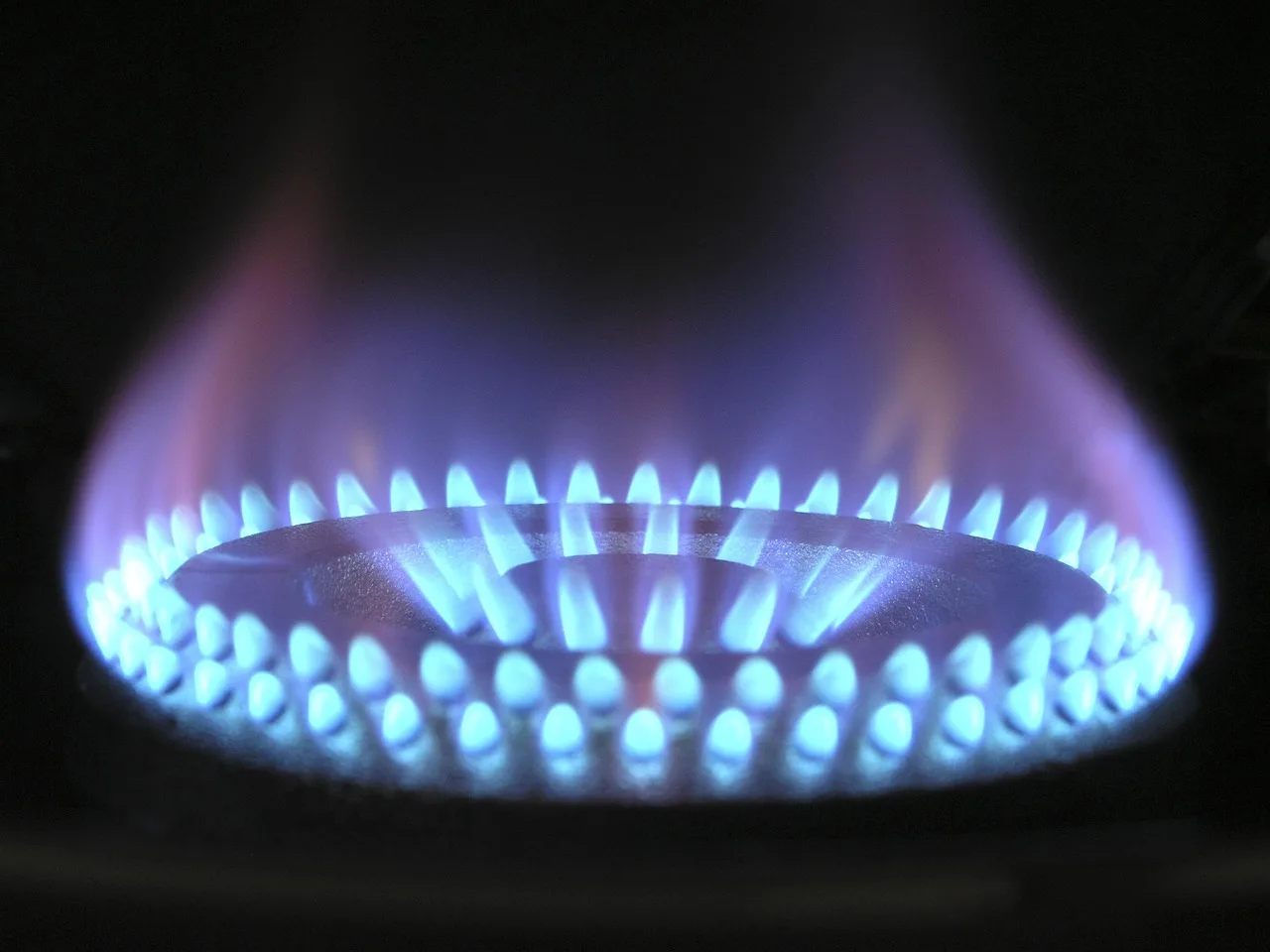
Propane is the safest default for most vehicle campers because it is common in two-burner stoves and generally more reliable in colder temperatures. Butane is better when compact size matters most and you mainly cook quick meals in warm weather. Dual-fuel adds flexibility, but it is usually less specialized than a stove built around one fuel.
Propane for colder weather and two-burner cooking
Propane is the common fuel for car-camping two-burner stoves, often paired with 20,000-40,000+ total BTU output. It is a better fit for longer camps, colder mornings, and meals that need steady heat across two pans.
That makes it the default choice for family setups and base camps. If you want one stove that can boil, simmer, and support multiple dishes, propane usually wins on practicality.
Butane for lighter weight and warm-weather quick meals
Butane is usually the more compact and lighter option, which is why it shows up so often in single-burner tabletop stoves. It works best for quick meals, simple boils, and warm-weather trips where storage space matters more than cold-weather output.
This is the fuel to choose when your vehicle is small and your menu is simple. It is not the strongest pick for wind or cold.
Dual-fuel for flexibility and emergency readiness
Dual-fuel stoves accept both butane and propane, which helps if you want fuel flexibility or emergency backup. They can be a smart middle ground for drivers who want one stove to cover more than one trip style.
The tradeoff is specialization. A dual-fuel design may be more versatile, but it is not always as compact as a dedicated butane stove or as purpose-built as a propane two-burner.
Wind guards, ignition, and simmer control
Wind resistance matters more than many shoppers expect. A breeze can weaken flame stability, stretch boil times, and make simmering harder, especially in open campsites where the stove sits on a picnic table or tailgate.
Matchless or auto ignition is also worth attention. It reduces setup friction when you want a fast breakfast or a quick tailgate meal, and it is easier to use than hunting for a lighter in the dark.
Simmer control matters because vehicle-camp meals are rarely just boil-and-dump. Pancakes, eggs, rice, and sauces all benefit from a burner that can stay low without constantly flaring.
A common first-timer mistake is choosing a huge burner for speed and then trying to cook eggs on it in a breezy site. The result is scorched edges, uneven heat, and more fuel use than necessary. A smaller burner with better control can be the better cook.
What is the best camping stove for vehicle camping?
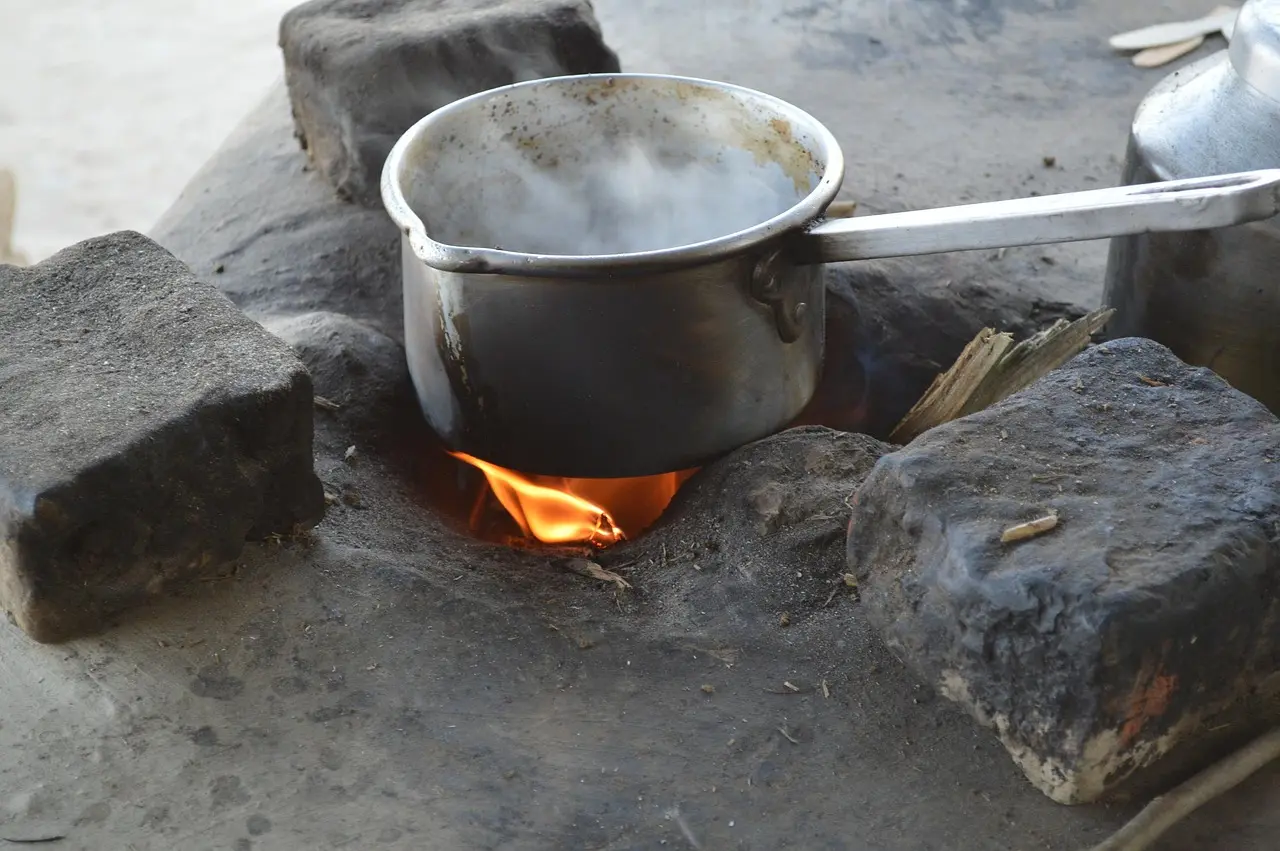
The best camping stove for vehicle camping is the one that fits your storage and meal plan first, then your fuel and output needs. For most drivers, that means a two-burner propane stove with wind guards. For hatchbacks and quick trips, a compact single-burner butane stove is often the cleaner fit.
That is why the Coleman Triton 2-Burner is the best overall pick here. It hits the practical center of burner count, wind protection, and storage friendliness without forcing you into a bulky system.
Which one should you buy?
Buy the Coleman Triton 2-Burner if you want the best balance for most vehicle campers and you need two-burner cooking without a huge footprint.
Buy the Gas One Portable Butane Camping Stove if storage is tight, your trips are short, and you mostly cook quick solo meals or tailgate food.
Buy the Pipopa 2 Burner Propane Camp Stove if wind exposure, group cooking, and high heat matter more than compact storage.
If you want a different style entirely, an integrated cooking system is the better path when you care most about tidy storage and repeatable setup, while a dual-fuel stove makes sense when fuel flexibility matters more than specialization.
One more practical rule: if your vehicle is already packed with coolers, bins, and sleeping gear, choose the stove with the smallest closed footprint that still matches your meal style. Bigger output is useful only when you can store, carry, and use the stove without making camp harder.
Frequently asked questions
Which portable camping stove is best for car camping?
For most car campers, a two-burner propane stove is the best portable option because it balances heat, burner count, and storage fit. If your vehicle is very small, a single-burner butane stove is often easier to pack and quicker to deploy for simple meals.
Is propane or butane better for a vehicle camping stove?
Propane is usually better for vehicle camping because it is common in two-burner stoves and handles colder weather more reliably. Butane is better when you want a lighter, smaller stove for warm-weather trips, quick meals, or a tight cargo area.
How many BTUs do I need for a car camping stove?
For most car camping, 20,000-40,000+ total BTU is a useful range for a two-burner propane stove. Lower-output stoves can still work for simple meals, while much higher output helps with wind and larger cookware. BTU is only one factor, though, not the full story.
What is the most compact camping stove for a vehicle?
A single-burner butane stove is usually the most compact choice for a vehicle because it keeps weight and footprint low. That makes it ideal for hatchbacks, solo trips, and quick setups. It is less suitable for family meals or windy campsites.
What is the difference between a portable camping stove and an integrated cooking system?
A portable camping stove is a broad category that usually means a standalone burner or two-burner cooktop you set on a table or tailgate. An integrated cooking system uses nesting or modular parts to pack together more neatly, which helps with organization and storage in tighter rigs.
Products related to this article
Sponsored / affiliate links. As an Amazon Associate I earn from qualifying purchases. I may earn additional commission from eligible campaigns.
 Polishing Cleaner Car Interior, 2026 Upgrade Car Interior Cleaner Spray, All Purpose Cars Interior- Detailer Cleaning Kit with Sponge and Towel for Dashboards, Seats, Leather, Plastic, Non-Greasy
 (Camping Fire) Car Tire Protective Cover Waterproof Dustproof Sun Protection - Adjustable Universal Fit Easy Install Spare Tire Accessory Gift - 14 Inch