Do Hybrid Cars Need Charging? Self-Charging vs. Plug-In Hybrids
A standard hybrid, such as a Toyota Prius, never needs to be plugged in: braking and the gasoline engine recharge its battery while you drive. Only a plug-in hybrid (PHEV) has a charge port, and even a PHEV will run without an outlet. This guide sorts out the hybrid types, what each one does about charging, and the one battery every hybrid still needs you to look after.
Do You Have to Charge a Hybrid Car?
| Best 12V Battery Care Pick | |
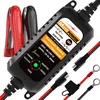 |
MOTOPOWER MP00205A 12V 800mA Automatic Battery Charger, Maintainer and Desulfator Best for: keeping a hybrid’s small 12V battery topped up during long parking, if your owner’s manual allows connecting a charger Why we picked it: the listing describes a 12V lead-acid charger that switches to a maintain mode at 13.6V, with spark-proof connection and reverse-polarity protection, and it was in stock when checked on 2026-10-14 Main drawback: it only serves the 12V battery, never the high-voltage pack, and some hybrids restrict how a charger may be connected, so check the manual before clamping anything on |
As an Amazon Associate we earn from qualifying purchases. Spec-based pick from the listing, not a hands-on test.
No, with one exception. According to the U.S. Department of Energy’s Alternative Fuels Data Center (AFDC), a hybrid electric vehicle cannot be plugged in to charge its battery. It recharges through regenerative braking and the gasoline engine. A plug-in hybrid is the different case: it can take charge from an outlet, from the engine and from regenerative braking, but it is not required to be plugged in to be driven.
The table below puts the three hybrid types side by side. The example rows use the 2025 Toyota Prius listings on fueleconomy.gov, which is the U.S. government’s fuel economy site, and the AFDC pages. I read both on 2026-10-14, and neither page shows a revision date, so check the live pages if you need current ratings.
| Type | Plug port? | How the battery charges | Example per source | Rating per source |
|---|---|---|---|---|
| Full (self-charging) hybrid, HEV | No. AFDC: it cannot be plugged in | Regenerative braking and the gasoline engine | 2025 Toyota Prius (fueleconomy.gov listing) | 57 mpg combined (57 city, 56 highway) |
| Plug-in hybrid, PHEV | Yes, optional | Outlet, engine and regenerative braking | 2025 Toyota Prius PHEV (fueleconomy.gov listing) | 40 miles electric range, 114 MPGe combined, 48 mpg combined on gas alone, 4 hours at 240V |
| Mild hybrid, MHEV | No plug listed on the AFDC hybrid page | The AFDC hybrid page covers it with other hybrids; it describes a battery and motor that help power the car | Not named by the page; check your window sticker | AFDC: it cannot power the vehicle using electricity alone |
The mild hybrid row is deliberately thin. The AFDC page says mild hybrids, also called micro hybrids, use a battery and electric motor to help power the vehicle, and that they cannot drive the car on electricity alone. It does not give a charging procedure, an example model or a mileage figure, so none are invented here.
Do Hybrid Cars Have a Charging Port? (What “Plugged In” Actually Means)
Standard and mild hybrids have no charge port to use. A plug-in hybrid has one, usually behind a small flap on a fender, much like a fully electric car. If you cannot find a flap or a socket on your hybrid, treat it as a model that charges itself and is not designed to take outside power. When in doubt, the owner’s manual and the window sticker name the type.
Types Of Hybrid Cars
Full hybrids pair a gasoline engine with an electric motor. Per fueleconomy.gov, the motor can assist the engine, recover energy while braking and coasting, and in some designs move the car alone at low speeds. The engine shuts off at stops and restarts when you press the accelerator. None of that involves a plug.
Mild hybrids use a smaller electric assist. The motor helps the engine but cannot run the car alone, so the gasoline engine does the real work and there is nothing to charge from a wall.
Plug-in hybrids carry a bigger battery so they can cover some distance on electricity first. AFDC describes current models as offering about 15 to 60-plus miles of all-electric driving, then the engine takes over once the battery is mostly depleted. The same page says the engine also takes over during hard acceleration or heavy heating and cooling loads. If you are weighing hybrid brands, our page on Audi hybrid models lists which of that brand’s models are hybrids.
How Do Hybrid Cars Charge Themselves?
Two ways, and both happen while you drive. When you lift off the accelerator or press the brake, the motor works as a generator and sends energy back to the battery, which fueleconomy.gov calls regenerative braking. The engine can also spin a generator to top the battery up. That is why a standard hybrid needs no plug and no charging stop. Our guide on whether you put gas in a hybrid car covers the fuel side of the same question.
Charging a Plug-In Hybrid (Level 1 vs Level 2)
Plugging in is optional for a PHEV but it is how you get the electric miles. The fueleconomy.gov charging page (fueleconomy.gov) lists two common options, reproduced here with the page’s own caveat that speeds vary by vehicle.
| Charging level | Power supply | Speed per source | Per fueleconomy.gov |
|---|---|---|---|
| Level 1 | Standard 120V household outlet | About 5 miles of range per hour | Slowest type; most plug-in vehicles include the cord |
| Level 2 | 208 to 240V | About 25 miles of range per hour on average | Speed varies significantly between vehicles, from a few miles to roughly 40 per hour |
The same page’s advice for plug-in hybrids is simple. If your battery is small or you only drive a few electric miles a day, Level 1 may be enough. A Level 2 charger may be worth buying if you have a large battery and drive about 50 or more electric miles a day. For one concrete example, the 2025 Toyota Prius PHEV listing on fueleconomy.gov shows a charge time of 4 hours at 240V. That is one model, so do not treat it as a rule for others.
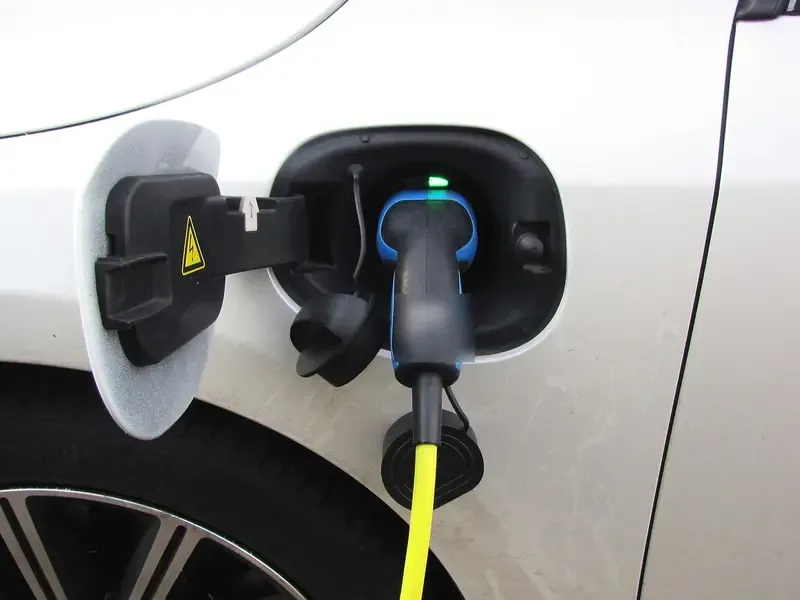
For a step-by-step on cables and outlets, see our page on how to charge a hybrid car battery. Check your own manual for the exact charge time, because battery size and charger power both change it.
What Happens If a Plug-In Hybrid Is Never Plugged In?
Nothing breaks. AFDC says that if a plug-in hybrid is never plugged in, its fuel economy is roughly that of a similarly sized hybrid electric vehicle. The car still recharges some from braking and the engine, and it still runs on gasoline when the battery is low. What you give up is the cheap electric driving the larger battery was built for.
There is a catch worth knowing, and it is easy to miss. The two 2025 Toyota listings on fueleconomy.gov show the plug-in’s gas-only rating below the plain hybrid’s:
| Model (2025, fueleconomy.gov) | Type | Combined rating on gasoline | Notes |
|---|---|---|---|
| Toyota Prius | HEV | 57 mpg | 644 miles total range |
| Toyota Prius PHEV | PHEV | 48 mpg gas-only combined | 550 miles total range; 40 miles electric range |
That is a 9 mpg gap on paper, which looks bigger than AFDC’s general statement that an unplugged PHEV is roughly like a similar hybrid. The two models are different vehicles with different batteries and weight, and the pages do not say why the numbers differ, so treat it as a reason to compare real window stickers, not as a law. The practical takeaway is that a plug-in hybrid you never plug in may not beat the cheaper full hybrid on fuel economy.
The 12V Battery Still Matters on Every Hybrid
Whether the car is a mild hybrid, a full hybrid or a plug-in, it still has a conventional 12V battery for the lights, electronics and starting systems, separate from the high-voltage traction pack. The sources above describe the traction battery and its charging; they do not describe the 12V battery, so what follows is general guidance and the owner’s manual for your model is the authority.
| Battery | What recharges it | Plug needed? | Who should work on it |
|---|---|---|---|
| High-voltage traction battery (all hybrids) | Regenerative braking and engine; PHEVs can also use an outlet | Only for PHEV electric range | A qualified hybrid technician or dealer |
| 12V auxiliary battery (all hybrids) | The car, while it is driven and the system is running | No plug on the car; a charger or jump start only if the manual allows | You can follow the manual for jump-starting; ask a professional if unsure |
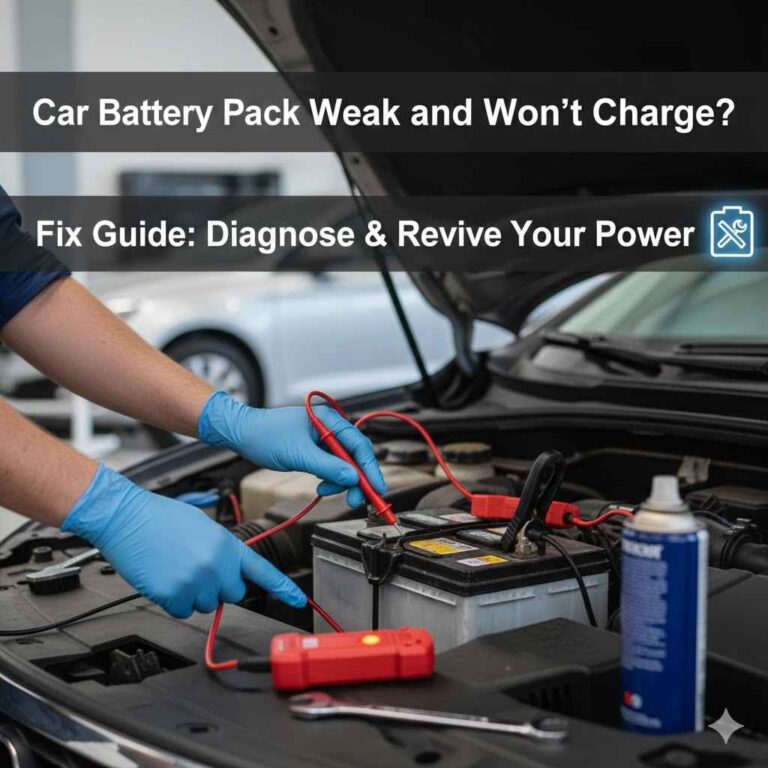
The 12V battery can still run flat, for example if the car sits unused for weeks, and a hybrid with a flat 12V battery may not start its hybrid system at all. Use the jump-start procedure in your owner’s manual, because the battery location and jump points differ by model. Our guide on how to check car battery health explains how to test the battery and when it is time to replace it.
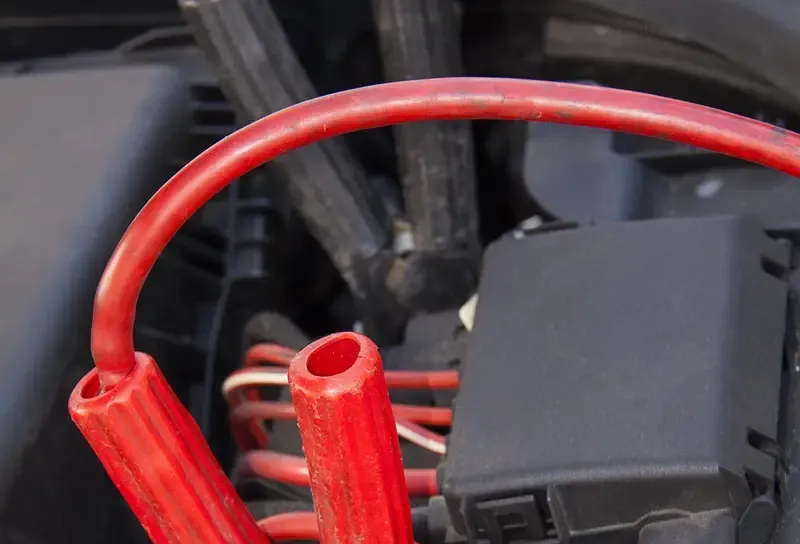
For long parking, such as a storage period or a long trip, the safe move is to look up your manual’s guidance on storing the car and on charging or disconnecting the 12V battery. See also how long a car can sit without starting. Do not connect a charger or jumper cables to any terminal the manual does not name, and never connect anything to high-voltage parts.
When to Stop and See a Professional
- Stop driving and have the car checked if a hybrid system, battery or charging warning stays on after a restart. Do not keep driving on a warning the manual tells you to treat as serious.
- Hybrid and plug-in cars use high-voltage cabling that is commonly orange. Do not touch, cut, probe or move it, and do not work near it yourself; leave it to a technician or emergency responders.
- After any crash, treat the high-voltage system as live. Tell a tow operator or responders that the car is a hybrid or plug-in.
- If the charge port, cable or connector is damaged, hot, wet or smells burnt, stop charging and have it inspected before using it again.
- If the 12V battery keeps going flat after jump-starts, have the battery and charging system tested rather than jumping it repeatedly.
This page is general information, not a repair manual. High-voltage systems and batteries can injure you, so follow your owner’s manual and a qualified shop’s advice for your specific car.
Frequently Asked Questions
Do Hybrid Cars Need To Be Charged?
Standard and mild hybrids do not: AFDC says a hybrid electric vehicle cannot be plugged in, and it recharges through regenerative braking and the engine. Only a plug-in hybrid can charge from an outlet, and even then plugging in is optional.
How Do Hybrid Cars Charge Themselves?
The electric motor acts as a generator when you brake or coast, which is regenerative braking, and the gasoline engine can also recharge the battery. Neither needs a plug.
Can You Drive A Hybrid Without Charging?
Yes. A standard hybrid is designed to be driven without ever charging, and fueleconomy.gov says plug-in hybrids do not have to be plugged in to be driven. A plug-in will simply use gasoline once its battery is mostly depleted.
What Happens If A Hybrid Car Runs Out Of Battery?
In a plug-in hybrid, the car switches to its gasoline engine when the battery is mostly depleted, per AFDC. A standard hybrid keeps its battery working through braking and the engine. If the 12V battery goes flat, the car may not start and needs a jump start per the owner’s manual.
Is It Bad to Never Charge a Plug-In Hybrid?
It is not harmful, but you lose the electric driving the car was built for. AFDC says an unplugged plug-in hybrid gets roughly the fuel economy of a similarly sized hybrid, and the 2025 Prius listings show the PHEV at 48 mpg on gas versus 57 mpg for the standard Prius.
Can the 12V Battery Die on a Hybrid?
Yes. Every hybrid has a 12V battery that can run down if the car sits, and it is a different battery from the high-voltage pack. Check the owner’s manual for the jump-start steps.
Products related to this article
Sponsored / affiliate links. As an Amazon Associate I earn from qualifying purchases. I may earn additional commission from eligible campaigns.