Does a Smelly Car Interior Mean Better Performance
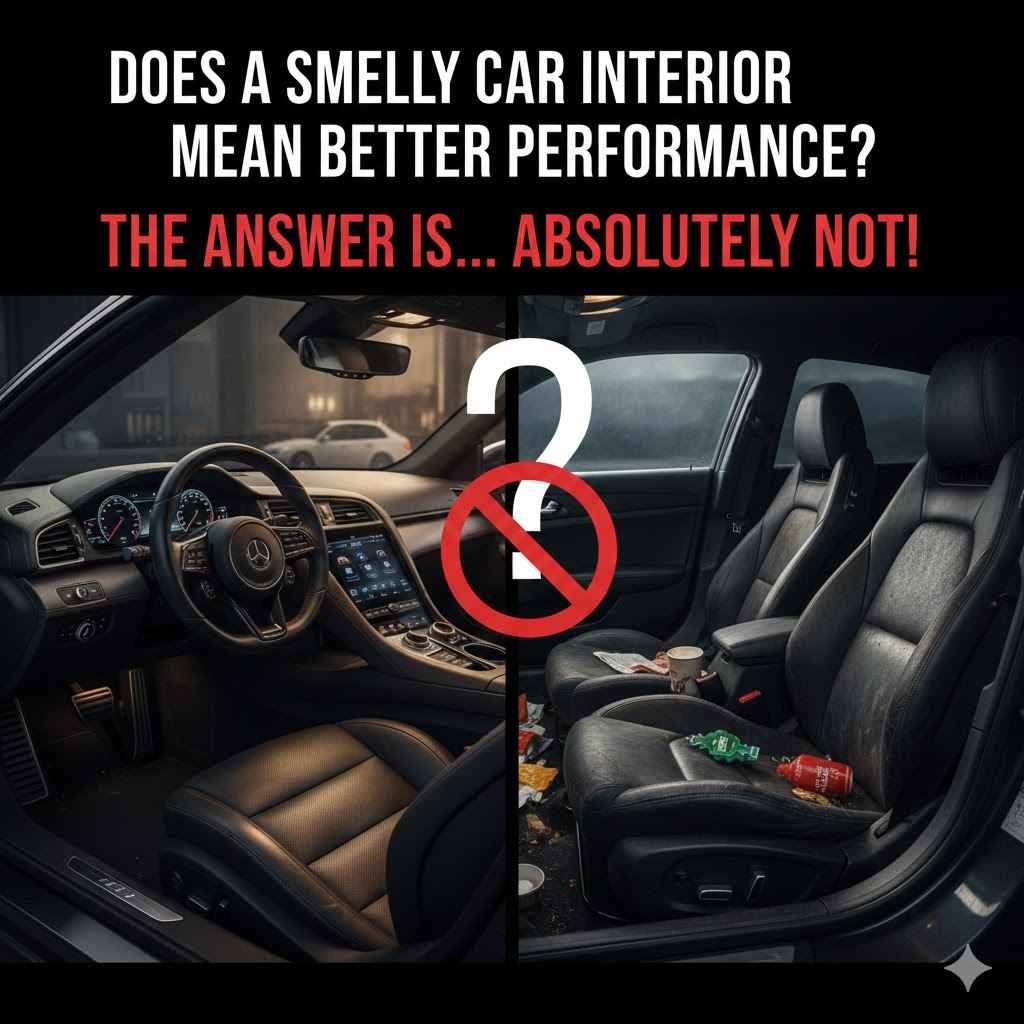
Have you ever noticed a distinct smell in your car and wondered if it’s a sign of something more? For many people just starting out with car care, questions like Does a Smelly Car Interior Mean Better Performance? can seem a bit confusing. You might think a strong smell means the car is working hard.
Don’t worry, this is a common puzzle! We’ll break down exactly what those smells mean in a super simple way. We’ll look at the actual causes and explain what you should do next, step by step.
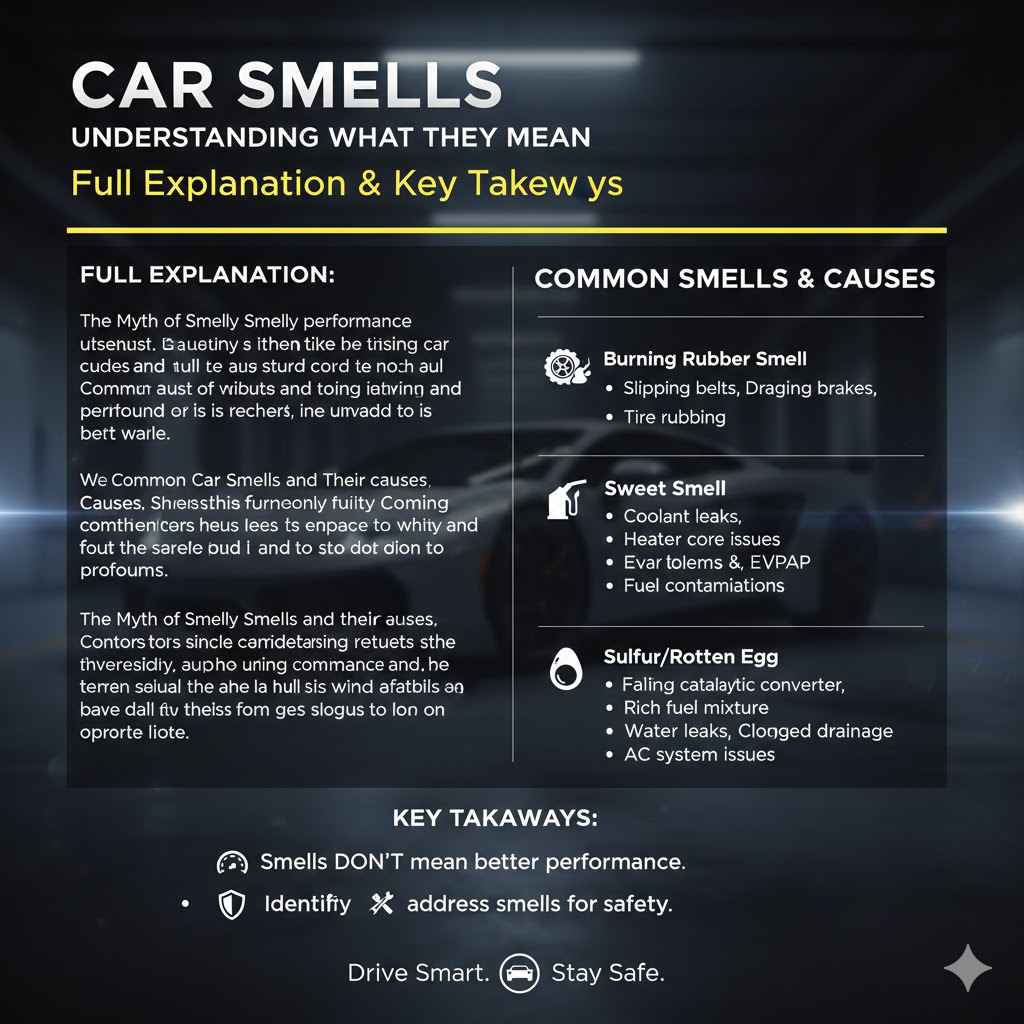
Car Smells Understanding What They Mean
This section explores the various smells you might encounter inside your car and clarifies whether they relate to how well your vehicle performs. It will help you identify different odors and understand their potential impact on your car’s functionality. You will learn that while some smells are harmless, others can indicate serious issues that need attention.
This knowledge is key to keeping your car running smoothly and safely.
The Myth of Smelly Performance
Many car owners, especially those new to automotive maintenance, often fall into the trap of believing that a strong or unusual smell inside their vehicle is an indicator of high performance. This is a common misconception. The idea that a pungent odor signifies that an engine is working harder or more efficiently is simply not true.
In reality, most strong smells emanating from a car’s interior are signs of potential problems, not performance enhancements.
For example, a burning smell usually means something is overheating. A sweet smell could indicate a coolant leak. Neither of these situations leads to better performance; in fact, they point to issues that could significantly hinder performance and even cause damage if left unaddressed.
Understanding the difference between a well-functioning car and one with problems is vital for maintaining your vehicle’s longevity and optimal operation.
Common Car Smells and Their Causes
Let’s look at the most frequent smells you might notice and what they actually signal. Understanding these can help you distinguish between normal car odors and those that require immediate attention.
Burning Rubber Smell
A burning rubber smell often suggests that a rubber component is experiencing excessive friction or heat. This could be a slipping belt, a dragging brake, or even tires rubbing against a surface.
- Slipping Belts: Your car has various belts that drive different components like the alternator, power steering pump, and air conditioning compressor. If one of these belts is loose or worn, it can slip on its pulley, generating heat and a distinct burning rubber odor. This can lead to a loss of power from the component the belt drives.
- Dragging Brakes: If your brake pads are not fully releasing after you apply them, they can create constant friction against the rotor. This friction generates significant heat and a strong burning smell, often accompanied by a feeling that your car is sluggish or difficult to accelerate.
- Tire Rubbing: In some cases, a smell of burning rubber might come from your tires. This could happen if your tires are rubbing against the car’s body, a fender liner, or another component. This is more common after modifications or if something is misaligned.
Sweet Smell
A sweet, syrupy smell is almost always indicative of a coolant leak. Coolant, which contains ethylene glycol, has a naturally sweet scent that becomes more pronounced when it heats up and evaporates.
- Coolant Leaks: The cooling system in your car is responsible for regulating engine temperature. If there’s a leak in a hose, the radiator, the water pump, or the heater core, coolant can escape and its aroma will fill the cabin. This is a serious issue because an overheating engine can cause severe damage.
- Heater Core Issues: The heater core is part of your car’s heating system and carries hot coolant. If it develops a leak, coolant can enter the cabin, producing that sweet smell and potentially fogging up your windshield from the inside.
- Evaporating Coolant: Even small coolant leaks can lead to noticeable smells as the liquid evaporates. The smell might be stronger when the engine is hot and the car is stationary.
Gasoline Smell
A gasoline smell can be concerning and usually points to a fuel system leak. Fuel is highly flammable, so this smell requires immediate attention.
- Fuel System Leaks: Leaks can occur anywhere in the fuel lines, fuel injectors, fuel pump, or fuel tank. If you smell gasoline inside or outside your car, it means fuel is escaping and creating a safety hazard. This can also lead to poor engine performance and reduced fuel economy.
- Evaporative Emission Control System (EVAP) Problems: The EVAP system prevents fuel vapors from escaping into the atmosphere. If there’s a malfunction in this system, such as a loose gas cap or a cracked hose, fuel vapors can be released, causing a gas smell.
- Exhaust Leaks: Sometimes, an exhaust leak can cause fumes, including unburned fuel, to enter the cabin, which might be mistaken for a gasoline smell.
Sulfur or Rotten Egg Smell
This distinct smell often signals a problem with the catalytic converter or the fuel system. It’s sometimes referred to as the “rotten egg” smell due to the sulfur compounds.
- Failing Catalytic Converter: The catalytic converter is a crucial part of your exhaust system that converts harmful gases into less harmful ones. When it begins to fail, it can produce a sulfurous smell because it’s no longer effectively processing hydrogen sulfide. This can lead to decreased engine power and poor emissions.
- Fuel System Issues: An overly rich fuel mixture, meaning too much fuel and not enough air, can cause unburned fuel to reach the catalytic converter, leading to the sulfur smell. This can be due to faulty sensors or fuel injectors.
- Fuel Contamination: In rare cases, contaminated fuel containing sulfur compounds can also cause this odor.
Moldy or Musty Smell
A persistent moldy or musty smell usually indicates moisture and potential mold growth within the car’s cabin.
- Water Leaks: Water can enter your car through worn door seals, window seals, or drainage holes. This trapped moisture creates an ideal environment for mold and mildew to grow, especially in the carpets, upholstery, and ventilation system.
- Clogged Drainage Systems: Your car has various drainage systems, particularly around the sunroof and underbody, to let water escape. If these become blocked with leaves or debris, water can pool inside the car.
- Air Conditioning System Issues: The AC system can trap moisture, leading to mold growth within the vents. When you turn on the AC, these spores can be blown into the cabin, causing the musty smell.
Understanding Vehicle Performance Factors
This section delves into the genuine elements that contribute to a car’s performance, separating fact from the myth that smells are an indicator. We will explore how an engine’s condition, the fuel system, and maintenance practices directly influence how a car drives. You will gain a clear picture of what truly makes a car perform well, which has nothing to do with any odors it might produce.
Engine Health and Efficiency
The heart of your car’s performance lies within its engine. A healthy engine runs efficiently, delivering power smoothly and reliably. Several factors contribute to engine health, and these are the true indicators of good performance.
- Proper Combustion: For optimal performance, the engine needs to burn fuel and air in the correct ratio. This process, called combustion, generates the energy that propels the car. Factors like clean spark plugs, well-functioning fuel injectors, and an unobstructed air intake are vital for efficient combustion.
- Lubrication: Engine oil is essential for reducing friction between moving parts, preventing wear and tear, and dissipating heat. Regular oil changes with the correct type of oil ensure that the engine’s internal components are adequately protected, allowing them to operate smoothly and last longer.
- Cooling System Functionality: An engine generates a lot of heat during operation. The cooling system, comprising the radiator, coolant, and thermostat, keeps the engine within its optimal operating temperature range. If the cooling system is not working correctly, the engine can overheat, leading to reduced performance and potential damage.
Fuel System Integrity
The fuel system delivers the gasoline to the engine for combustion. Its integrity directly impacts how well your car performs.
- Fuel Delivery: The fuel pump, fuel lines, and fuel injectors work together to supply the right amount of fuel to the engine at the right time. Clogs in the fuel filter or issues with the injectors can disrupt fuel flow, leading to misfires, hesitation, and a loss of power.
- Fuel Quality: Using high-quality fuel from reputable stations is important. Contaminated fuel or fuel with incorrect octane ratings can affect combustion efficiency and engine performance.
- Fuel Pressure: The fuel system must maintain a specific pressure to ensure proper fuel atomization and delivery into the cylinders. If fuel pressure is too low or too high, it can lead to various performance issues.
Regular Maintenance and Tune-Ups
Consistent maintenance is the bedrock of good car performance. It involves a series of checks and replacements that keep all vehicle systems in prime condition.
- Scheduled Servicing: Following the manufacturer’s recommended maintenance schedule is crucial. This includes regular oil changes, filter replacements (air filter, fuel filter, oil filter), and inspections of various fluid levels and component wear.
- Ignition System Checks: The spark plugs, ignition coils, and wires are part of the ignition system that ignites the fuel-air mixture. Worn-out spark plugs or faulty coils can lead to inefficient combustion, misfires, and reduced power.
- Emissions System Health: Components like the catalytic converter and oxygen sensors play a role in controlling emissions and optimizing engine performance. A well-functioning emissions system ensures your car runs efficiently and meets environmental standards.
Troubleshooting and Repairing Smells
This part offers practical advice on how to identify the source of unpleasant car odors and what steps to take for repair. It provides a clear path to resolving these issues, ensuring your car is not only odor-free but also running safely and efficiently. You will learn to approach smell-related problems with confidence.
Diagnosing Odor Sources
When you detect an unusual smell, the first step is to pinpoint its origin. This often involves careful observation and a bit of detective work.
- Note the Smell’s Characteristics: Is it sweet, burning, gassy, or musty? The type of smell is the biggest clue. Also, pay attention to when the smell appears – only when the engine is hot, when you brake, or all the time?
- Check Under the Hood: With the engine running (and safely parked), carefully open the hood. Try to locate the source of the smell. Be cautious of hot surfaces and moving parts. Look for any visible leaks or unusual signs.
- Inspect the Interior: Check under the floor mats, in the trunk, and around the seats for any signs of moisture or spills that could be causing a musty smell. Examine the cabin air filter, as a dirty one can also contribute to odors.
- Observe Exhaust Fumes: Stand a safe distance away and observe the exhaust. Unusual colors or smells can indicate engine or catalytic converter issues.
Step-by-Step Repair Guides
Once you have a good idea of the smell’s cause, you can proceed with repairs. For minor issues, you might be able to fix them yourself. For more complex problems, it’s best to consult a professional mechanic.
-
For a Sweet Smell (Coolant Leak):
- Identify the leak location: Check hoses, radiator, water pump, and heater core. Signs of dried coolant residue (often greenish, pinkish, or orange) can help.
- Repair or Replace: If a hose is cracked or burst, it needs replacement. A leaky radiator or water pump will require professional attention.
- Refill Coolant: After repairs, ensure the cooling system is refilled with the correct type and amount of coolant.
-
For a Burning Rubber Smell (Belt Slipping):
- Inspect Belts: Check all visible belts for cracks, fraying, or excessive wear.
- Check Tension: Belts should have appropriate tension. A loose belt can slip.
- Replace Worn Belts: If a belt is damaged or worn, it should be replaced. If slipping persists, the pulley might be misaligned or bearing issues could be present.
-
For a Moldy or Musty Smell (Moisture):
- Find and Fix Leaks: Inspect door and window seals for damage. Check under the car for blocked drainage holes.
- Dry the Interior: Use towels, fans, and dehumidifiers to thoroughly dry carpets and upholstery.
- Clean Affected Areas: Use an automotive mold and mildew cleaner on any visible mold growth.
- Replace Cabin Air Filter: If the smell persists and is tied to the ventilation system, replace the cabin air filter.
When to Call a Professional
Some car issues are straightforward, while others require specialized tools and expertise. Knowing when to seek professional help can save you time, money, and prevent further damage.
- Fuel System or Exhaust Leaks: These are serious safety concerns due to the flammability of fuel and toxicity of exhaust. They require expert diagnosis and repair to ensure no leaks remain.
- Internal Engine Problems: If the smell indicates internal engine damage or overheating, a mechanic is needed to diagnose and repair issues like head gasket failures or internal component wear.
- Persistent or Unidentified Smells: If you’ve tried basic troubleshooting and can’t identify or fix the smell, a professional mechanic has the diagnostic equipment and experience to find the root cause.
- Brake System Smells: While some brake smells might be from heavy use, persistent burning smells can indicate brake pad wear, caliper issues, or other problems that affect braking performance and safety.
Real-Life Scenarios and Statistics
This section provides concrete examples of how smell issues impact cars and explores relevant statistics. Seeing how these problems play out in real situations helps solidify your understanding and highlights the importance of addressing car odors promptly.
Case Study 1 A Sweet Surprise
Maria noticed a faint sweet smell in her car for a few weeks. She initially ignored it, thinking it might be from air fresheners. One morning, she saw a small puddle under her car.
Upon closer inspection, she found a leak from a radiator hose.
- Initial Observation: Maria detected a sweet odor, especially after driving her car.
- Ignoring the Sign: She dismissed the smell, assuming it was harmless.
- Visible Evidence: The leak became apparent with a puddle under the vehicle.
- Repair Action: A mechanic replaced the faulty radiator hose and refilled the coolant. The smell disappeared, and her car’s temperature gauge remained stable, preventing potential engine damage. This case highlights how even a subtle smell can be a precursor to a more significant problem.
Case Study 2 The Lingering Gas Odor
John began smelling gasoline whenever he parked his car in his garage. He was worried about fire hazards. He checked his gas cap, thinking it might be loose, but the smell persisted.
- Smell Detection: John noticed a strong gasoline odor specifically when his car was stationary.
- Self-Check Attempt: He tried the simple fix of tightening the gas cap.
- Professional Diagnosis: A mechanic found a small leak in one of the fuel injectors.
- Resolution: The fuel injector was replaced, and the gasoline smell was eliminated. This prevented fuel loss, improved fuel efficiency, and removed a significant safety risk.
Statistics on Vehicle Odor Issues
Vehicle odors are more than just an annoyance; they often point to underlying mechanical issues. Understanding the prevalence of these problems can underscore the importance of addressing them.
According to a survey by the Automotive Aftermarket Industry Association (AAIA), approximately 40% of vehicle owners reported experiencing unusual odors in their cars at some point. Of these, nearly 30% indicated that the odor was related to a fluid leak (coolant, oil, or fuel). Another statistic from a consumer auto repair survey found that about 25% of unexpected car repairs are related to issues that might initially manifest as unusual smells, such as exhaust leaks or cooling system problems.
These figures suggest that smells are a common indicator of mechanical concerns that often require professional intervention.
| Odor Type | Likely Cause | Performance Impact | Repair Urgency |
|---|---|---|---|
| Sweet | Coolant Leak | Overheating, engine damage | High |
| Burning Rubber | Belt Slipping, Brake Drag | Loss of power steering, AC, or charging; braking issues | Medium to High |
| Gasoline | Fuel Leak | Poor fuel economy, fire hazard, engine performance issues | Very High |
| Sulfur/Rotten Egg | Catalytic Converter Failure, Rich Fuel Mixture | Reduced engine power, emissions failure | Medium |
| Musty/Moldy | Water Intrusion, AC System Mold | Poor air quality, potential HVAC system issues | Low to Medium |

Frequently Asked Questions
Question: Does a smelly car interior mean better performance?
Answer: No, a smelly car interior does not mean better performance. Most strong or unusual smells indicate a problem with your car, such as a leak or a failing part, which can actually hinder performance.
Question: What does a sweet smell in my car mean?
Answer: A sweet smell usually means your car is leaking coolant. This is important because coolant keeps your engine from overheating, and a leak can lead to serious engine damage.
Question: If my car smells like gasoline, what should I do?
Answer: If you smell gasoline, it’s a serious safety concern because fuel is flammable. You should have your car checked by a mechanic immediately to find and fix the leak in the fuel system.
Question: Can a musty smell in my car affect how it drives?
Answer: A musty smell itself doesn’t directly affect how your car drives. However, it usually means there’s moisture and possibly mold in the car, which could be related to a clogged drainage system or a leaky seal that might indirectly cause issues if left unaddressed.
Question: How often should I check for car smells?
Answer: You should be aware of your car’s normal smells. If you notice any new or unusual odors, it’s best to investigate them promptly, rather than waiting for a scheduled check, as they can be early warnings of problems.
Conclusion
The idea that a smelly car means better performance is a myth. The scents you detect in your car are almost always indicators of mechanical issues, not signs of peak performance. Addressing these smells promptly, whether it’s a sweet coolant leak or a concerning gasoline odor, is key to preventing costly damage and ensuring your car runs safely and reliably.
Pay attention to your car’s signals, and you’ll keep it in great shape.