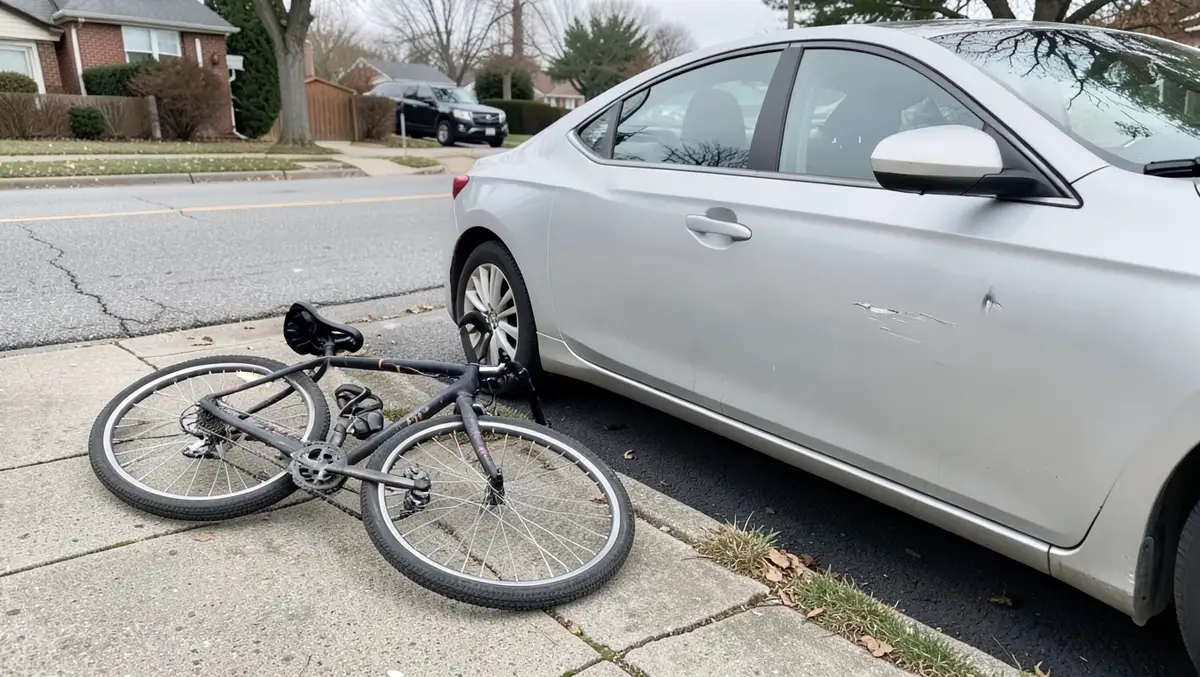
What Happens If a Bike Hits My Car? Fault and Insurance
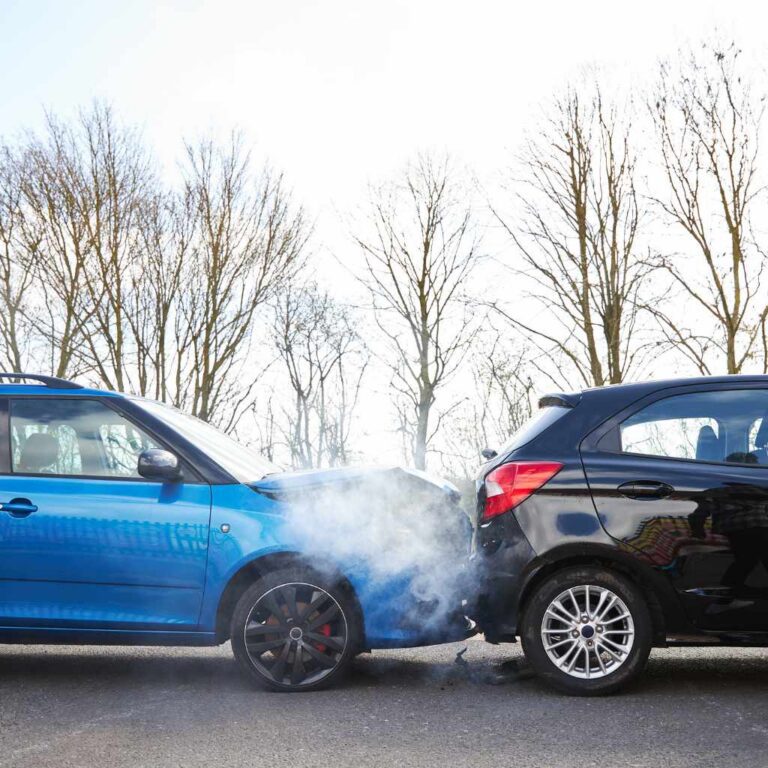
If a bike hits your car, fault is not automatic. It comes down to who broke a traffic law: a cyclist running a red light or riding against traffic is usually liable, while a driver who fails to yield, opens a door into a bike lane (“dooring”), or passes too closely is usually at fault. Most states split fault by percentage under comparative negligence, and only five jurisdictions still use a stricter rule that can bar recovery entirely. Here is exactly what to do, who typically pays, and how insurance actually handles it.
What to Do Right After a Bike Hits Your Car
BEST FOR PROVING FAULT AFTER A COLLISION
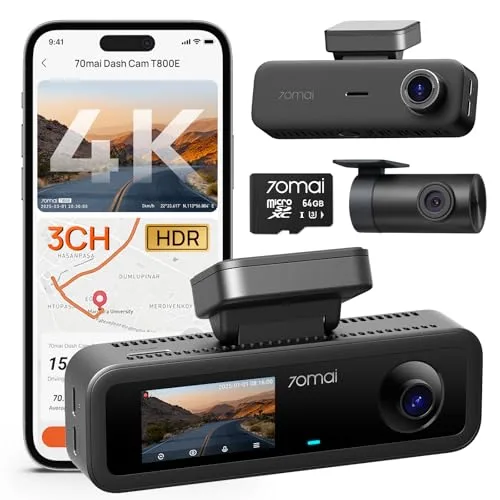 |
70mai 4K Dash Cam (T800E) – $98.99 Fault disputes with cyclists usually come down to whose account of the collision the police and insurers believe; front, rear, and cabin footage settles that argument on the spot.
|
First, check whether anyone is hurt. Cyclists have no metal cage around them, so even a low-speed hit can cause a real injury that is not obvious right away; call 911 if there is any doubt. Move your car out of traffic only if it is safe to do so, and turn on your hazard lights.
Next, exchange information the same way you would with another driver: the cyclist’s name, phone number, and address, plus their insurance details if they have any (homeowners or renters policies, not auto insurance, are what typically cover a cyclist’s liability). Get contact information from any witnesses, too—their account can matter later if the story gets disputed. Photograph the damage to your car, the bike, the road surface, skid marks, and any relevant traffic signs or signals.
Then call the police, especially if anyone is injured or the damage looks significant. Most states require a report when there is an injury or when property damage crosses a set dollar threshold; California, for example, requires an SR-1 report to the DMV within 10 days for any crash involving an injury or more than $1,000 in property damage. A police report gives you a neutral written record of the scene, which matters once the fault conversation starts.
Who Is at Fault When a Bike Hits Your Car?
Fault depends on state traffic law and the specific facts of the crash, not on which vehicle has an engine. Cyclists are legally treated as vehicle operators in nearly every state, which means they can run a stop sign, ride the wrong way, or fail to signal a turn just like a driver can—and be found liable for it.
Most states use comparative negligence, which lets fault be split by percentage. If a cyclist blew through a stop sign but you were also going faster than the speed limit, an insurer might assign you a share of the blame and reduce any payout accordingly. A handful of jurisdictions—Maryland, Virginia, Alabama, North Carolina, and Washington, D.C.—still use contributory negligence, a much stricter rule where being even 1% at fault can bar you from recovering anything at all. Washington, D.C. has partially carved out an exception for cyclists and pedestrians since 2021, but the strict rule still applies to most other claims there.
Common driver mistakes that shift fault onto you include opening a car door into a cyclist’s path (known as “dooring”), turning across a bike lane without checking for riders, or passing a cyclist too closely. Common cyclist mistakes that shift fault onto them include running red lights or stop signs, riding against the flow of traffic, or swerving between lanes without signaling. A police report and any available photos or video are what actually settle these disputes—not just who says what afterward.
Common Fault Scenarios for Bike-Car Collisions
| Scenario | Likely Fault | Why |
|---|---|---|
| Cyclist runs a red light or stop sign | Cyclist | Cyclists must obey the same traffic signals as drivers. |
| Driver opens a door into a cyclist’s path | Driver | “Dooring” is a common, well-documented driver error; check mirrors and the door zone before opening. |
| Cyclist swerves or changes lanes without signaling | Cyclist | Most states require cyclists to signal turns and lane changes just like other vehicles. |
| Driver turns across a bike lane without yielding | Driver | Drivers generally must yield to cyclists already in a bike lane or crosswalk. |
| Both parties were distracted or speeding | Shared | Fault is split by percentage under comparative negligence, based on each party’s share of the violation. |
Fault turns on who broke a specific rule of the road, not on assumptions about who is more vulnerable. Keep this table in mind when you talk to police, an insurance adjuster, or an attorney.
How Insurance Handles a Bike Hitting Your Car
If the cyclist is at fault, their own auto insurance will not pay—standard car insurance policies do not extend liability coverage to someone riding a bicycle. What can pay instead is the cyclist’s homeowners or renters insurance, since most of those policies include personal liability coverage for accidents the policyholder causes, on or off their property. The catch is that many cyclists do not carry that kind of policy, or the coverage is not enough to fully repair your car.
If the cyclist has no applicable insurance, you generally have two options: pursue a small claims case against them directly, or file under your own collision coverage (if you carry it) and pay your deductible. Some policies also let you file under uninsured motorist property damage coverage in this situation, depending on your state and insurer.
When you are the one at fault, your own auto liability coverage pays for the cyclist’s bike, medical bills, and other losses, the same way it would for another driver. A claim involving a cyclist can affect your future premiums, particularly if you were found at fault or the injury claim was significant; ask your agent how your specific insurer treats these claims. Whichever side you are on, notify your insurance company even if the damage looks minor—a small dent today can turn into a larger claim later if the cyclist reports an injury.
What Are the Legal Consequences?
If you are found at fault, the cyclist can file a civil claim against you for medical bills, lost wages, and property damage—this is the same type of personal injury claim a cyclist (or a pedestrian in a similar collision) would bring against any negligent driver. In serious cases involving reckless or distracted driving that causes severe injury, prosecutors can pursue criminal charges such as reckless driving in addition to the civil claim. If the cyclist is at fault, you can pursue them for your repair costs, though collecting can be difficult if they have no insurance or significant assets.
Most bike-car claims settle through insurance rather than going to trial. When a case does escalate, the evidence that matters most is the same evidence you should be collecting at the scene: the police report, photos of the damage and road conditions, witness contact information, and any dash cam or nearby traffic camera footage.
How to Avoid a Bike Hitting Your Car
Check your mirrors and blind spots before turning or opening your door—cyclists moving with traffic can close distance faster than you expect, especially in a bike lane. Most states legally require drivers to leave at least three feet of clearance when passing a cyclist; some states require more space at higher speeds.
Slow down at intersections and driveways, since that is where most bike-car collisions happen—cyclists can appear from a crosswalk or bike lane that is easy to miss at a glance. Keep your phone out of reach at red lights and stop signs so you are not distracted the moment traffic starts moving again. Finally, check your state’s driver handbook for its specific bike-lane and passing-distance rules, since they vary from state to state.
What if the Cyclist Leaves the Scene?
Do not chase a cyclist who rides off after hitting your car—it is not worth the risk. Instead, write down whatever description you can: clothing, bike color and style, direction of travel, and a license plate number if the bike happens to have one (rare, but some municipalities require them for certain e-bikes). Photograph the damage immediately and call the police to file a hit-and-run report.
Hit-and-run cases involving cyclists are genuinely hard to solve without a witness, a license plate, or traffic camera footage, since there is no vehicle registration to trace. If you carry uninsured motorist property damage coverage, it may cover your repairs even without an identified at-fault party, but you will still need the police report to file the claim.
Does This Affect Your Car’s Value?
Even a small dent from a bike collision can show up in a vehicle history report once it is repaired at a body shop, which can lower what a buyer is willing to pay later. Get the repair done professionally and keep the receipts, since documented, quality repair work matters more to a future buyer than an unrepaired scuff.
Some insurers also offer a “diminished value” claim, which compensates you for the resale value your car lost simply from having an accident on record, separate from the repair cost itself. It is not available in every state and is usually easier to pursue when the other party was clearly at fault, but it is worth asking your insurer whether you qualify.
Tips for Sharing the Road Safely
A few habits go a long way toward avoiding a bike-car collision in the first place:
- Signal early. Whether you are turning or changing lanes, signal well in advance so a nearby cyclist has time to react.
- Know your bike lane rules. In many states, bike lanes are treated like regular travel lanes, so do not park or drive in them.
- Be patient. Cyclists move slower than cars but have a legal right to the road; do not honk or pass aggressively.
- Use available tech. Blind-spot monitoring and rear cross-traffic alerts on newer vehicles can flag an approaching cyclist you might otherwise miss.
- Read your state handbook. Most driver handbooks include a specific section on sharing the road with cyclists and the local passing-distance law.
Common Myths About Bike-Car Collisions
Myth one: cyclists are automatically at fault simply because they are not in a car. Not true—cyclists have the same rights and responsibilities as drivers under state traffic law, and a driver can absolutely be found liable. Myth two: you cannot use insurance to cover bike-related damage. In reality, your own collision coverage, the cyclist’s liability coverage (if any), or uninsured motorist coverage can all apply depending on who was at fault. Myth three: minor accidents do not need to be reported. Skipping the police report on a “small” collision can leave you with no neutral record if the other party later claims a larger injury or exaggerates the damage.
Frequently Asked Questions
What should I do immediately after a bike hits my car?
Check whether the cyclist is hurt and call 911 if there is any doubt. Move your car to a safe spot if needed, take photos of the damage and scene, and get the cyclist’s and any witnesses’ contact information. Report the accident to the police, especially if there is an injury or notable damage.
Who is responsible for the damages if a bike hits my car?
It depends on fault. If the cyclist broke a traffic law, they are typically liable, and their homeowners or renters liability coverage (not their auto insurance) can pay for your repairs. If you are at fault, your own liability insurance covers the cyclist’s damages. When fault is shared, costs are usually split by percentage under your state’s negligence rule.
Can I claim insurance if the cyclist has no insurance?
Yes. You can typically file under your own collision coverage or, in some states, your uninsured motorist property damage coverage to cover your car’s repairs, though you will likely pay your deductible. Filing a police report first makes either claim easier to process.
What if the cyclist rides away after hitting my car?
Do not chase them. Note their description, photograph the damage, and report it to the police as a hit-and-run. Your own insurance may still cover the damage if you carry the right coverage, even without an identified at-fault party.
Can a bike-car accident affect my insurance rates?
If you are found at fault, your premium can go up, similar to any other at-fault claim. Even when you are not at fault, filing a claim can sometimes affect your rate depending on your insurer’s policies, so it is worth asking your agent directly.
Are cyclists treated like vehicles under the law?
Yes, in nearly every state cyclists have the same basic rights and responsibilities as drivers. They must obey traffic signals and signs, and drivers are required to respect their place on the road, including minimum passing distance rules.
Conclusion
What happens if a bike hits your car comes down to three things: who broke a traffic rule, what insurance is available on either side, and how well the scene was documented. Check on the cyclist first, call the police for a report, gather photos and contact information, and notify your own insurer even if the damage looks small. Fault can be shared or contested, so knowing your state’s negligence rule and keeping solid evidence will do more for you than anything else if the claim gets complicated.
Products related to this article
Sponsored / affiliate links. As an Amazon Associate I earn from qualifying purchases. I may earn additional commission from eligible campaigns.