How Does a Baby Fail a Car Seat Test? Causes & What It Means
A baby fails the hospital car seat test — officially called a car seat tolerance screen (CSTS), not a crash test — when their oxygen saturation drops below about 90%, their heart rate falls under 80 beats per minute, or they stop breathing for 20 seconds or longer while sitting in the seat. The screen runs for 90 to 120 minutes and checks whether a newborn’s airway and breathing stay stable in the semi-reclined position before the hospital allows them to go home in that seat.
It’s required mainly for babies born before 37 weeks or under about 5.5 pounds. In one hospital study, about 4 in 100 tested infants failed on the first attempt — most from a brief oxygen dip, not a serious problem — and roughly 3 out of 4 of those babies passed a repeat screen a day or two later. Failing doesn’t mean something is wrong with your baby; it means the hospital caught something worth double-checking before you drive home.
What Is a Car Seat Test?
A car seat test — also called a car seat challenge or car seat tolerance screen — is a safety check hospitals run to confirm a newborn can ride safely in a car seat before going home. The American Academy of Pediatrics recommends it for infants born before 37 weeks’ gestation, babies with low birth weight, and newborns with certain medical conditions that could affect breathing.
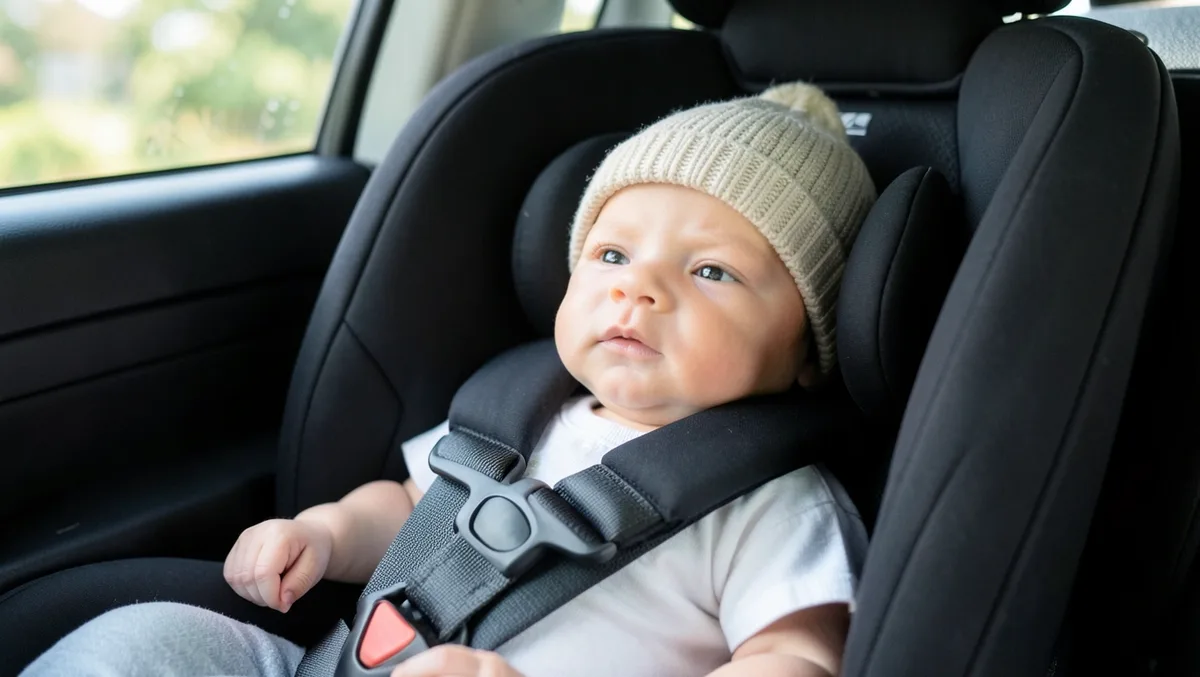
The test checks whether a baby can keep their oxygen levels and heart rate steady while positioned in their own car seat, the same one that will ride home in the car. A nurse or respiratory therapist straps the baby in as they normally would be for a drive and connects a pulse oximeter — a small sensor on the hand or foot that tracks oxygen saturation and heart rate — for the full 90-to-120-minute observation window.
Why Do Hospitals Do Car Seat Tests?
Premature and low-birth-weight babies have smaller airways and weaker neck and trunk muscles than full-term newborns. Sitting in the semi-reclined angle of a car seat can make it harder for a small baby to keep their airway open — if the head slumps forward, it can partly block breathing, which is exactly what the test is designed to catch before it happens on the road.
The screen simulates a real car ride to surface any breathing or heart-rate issues in a monitored setting instead of on the highway. Hospitals follow guidance from the American Academy of Pediatrics, which recommends the screen for babies born before 37 weeks or with conditions like low birth weight, heart defects, or apnea of prematurity. It’s a routine part of discharge planning, not a punishment or a red flag about your baby’s overall health.
Who Needs a Car Seat Test?
Not every newborn needs this screen — full-term, healthy babies typically go home without one. Hospitals generally test:
- Premature babies: Born before 37 weeks’ gestation. Late-preterm infants (34-36 weeks) actually have the highest fail rate of any group — up to about 1 in 4 in one study — even though they often look and act like healthy full-term babies.
- Low birth weight babies: Generally under 5.5 pounds (2,500 grams) at birth.
- Babies with medical conditions: Including heart defects, lung problems, or neurological concerns.
- Babies on oxygen or monitors: Those who will need extra support once home.
If your baby fits one of these categories, the hospital will likely require the screen before discharge — it’s designed to catch problems early, while your baby is still somewhere monitors and staff are close by.
How Does the Car Seat Test Work?
Hospital staff bring the baby’s own car seat (or a hospital loaner) to a quiet room and install it just as it would sit in the car, with the harness snug and the chest clip at armpit level. The seat is checked to make sure it’s reclined at roughly a 30-to-45-degree angle, since that range keeps a small baby’s head from slumping forward without tipping the seat back too far.
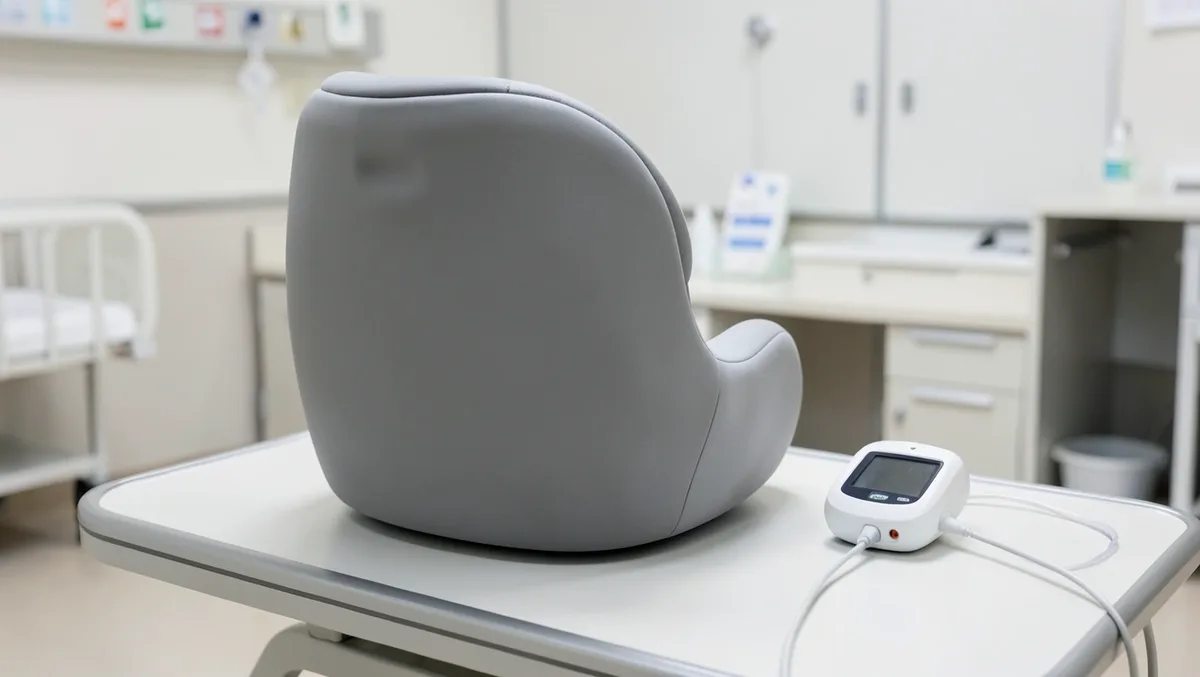
Staff attach a pulse oximeter — a small clip or wrap on the baby’s hand or foot — and monitor oxygen saturation and heart rate on a screen for the full observation period, which most hospitals set at 90 to 120 minutes. If a reading dips outside the target range at any point, the nurse notes it, and the timer may reset once the baby’s numbers recover, which is part of why some screens run closer to two hours.
How Does a Baby Fail a Car Seat Test?
“Failing” the car seat screen simply means the monitors picked up one of a few specific warning signs during the observation window — it’s a data point, not a grade. The most commonly used failure criteria are:
- Low oxygen saturation: A reading that drops below roughly 90% (some hospitals use a slightly lower cutoff, closer to 88%, sustained for 10 seconds or more) is flagged. Oxygen desaturation is by far the most common reason babies fail — it accounts for the large majority of failed screens.
- Slow heart rate (bradycardia): A sustained heart rate below about 80 beats per minute is considered a fail.
- Breathing pauses (apnea): A pause in breathing of 20 seconds or longer is treated as significant, even if oxygen and heart rate stay normal in between.
- Poor positioning: If the baby’s head slumps forward and partly blocks the airway, staff will usually adjust the angle or add support and try again before calling it a fail.
Exact numeric cutoffs vary a little from hospital to hospital — there isn’t yet one single nationwide standard — but these four categories cover the overwhelming majority of failed screens. A single brief dip usually isn’t enough on its own; staff are watching for a pattern.
Why Do Babies Fail the Car Seat Test?
Most failures come down to how far along a baby’s body is in its development, not anything a parent did wrong:
- Immature lungs: Preemies often have underdeveloped lungs, which makes it harder to keep oxygen saturation steady in a semi-reclined position.
- Weak neck and trunk muscles: Tiny babies can’t yet hold their head up against gravity, so they slump more easily in a car seat than in a bassinet.
- Underlying medical conditions: Heart defects or lung conditions can independently affect breathing or heart rate, regardless of the seat itself.
- Car seat fit: A seat that’s too large for a small baby, or one that isn’t angled correctly, can cause the same slumping and airway issues even in an otherwise healthy newborn.
These issues are common in preemies and late-preterm infants specifically because their bodies simply haven’t finished the development that would normally happen in the final weeks of pregnancy — and they’re almost always fixable with time, a better-fitting seat, or a small positioning adjustment.
What Happens If a Baby Fails the Test?
Failing isn’t the end of the road — about 3 out of 4 babies who fail a first screen pass a repeat test roughly one to two days later, often after nothing more than a bit of extra growth and rest. If a baby fails, the hospital typically works through a few options:
- Retest in the same car seat: Staff may adjust the recline angle or add a support insert and try again, sometimes the same day.
- Try a different car seat: Some babies do better in a seat with more head support or a different recline range.
- Medical evaluation: If the pattern repeats, doctors will look for an underlying cause, such as immature lungs or apnea of prematurity.
- Extended hospital stay: If a baby keeps failing, staff may keep them a bit longer to monitor and retest.
- Car bed recommendation: For babies who consistently can’t tolerate a semi-reclined position, a doctor may recommend a specialized flat car bed instead of an upright seat for travel.
Hospitals generally won’t discharge a baby until they’ve passed the screen in some form of approved car restraint. It can feel like an extra hurdle at a stressful time, but it exists purely for your baby’s safety on the ride home.
How to Prepare for the Car Seat Test
BEST INFANT SEAT RATED FOR LOW-BIRTH-WEIGHT BABIES
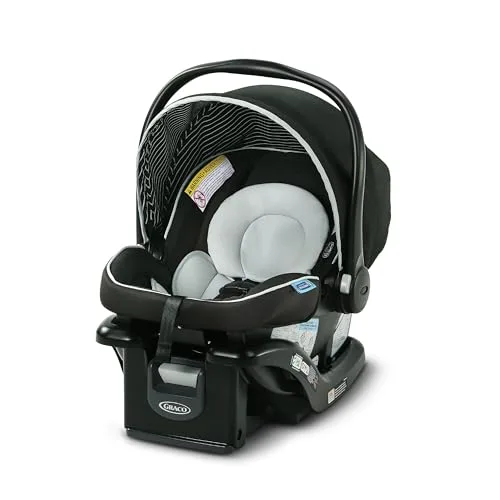 |
Graco SnugRide Lite LX Infant Car Seat – $139.99 Rated from 4 to 30 pounds, so it fits most premature and low-birth-weight newborns going through a hospital car seat tolerance screen.
|
A little preparation ahead of time makes the actual screen much less stressful. Here’s what helps:
- Choose the right car seat: Pick an infant car seat rated for babies as small as 4 pounds if your baby is very low birth weight, and check the manufacturer’s minimum weight before buying.
- Practice the installation: Install the car seat in your car ahead of your due date using LATCH or the seatbelt, and confirm the recline angle with the seat’s built-in level indicator.
- Bring your own seat to the hospital: Most hospitals will use your own car seat for the test if you bring it in; some can loan one if needed.
- Learn proper harness use: The chest clip should sit at armpit level, with the harness snug enough that you can’t pinch excess webbing at the shoulder.
- Ask questions ahead of time: Ask your nursing team what the screen involves and how positioning will be checked, so nothing feels like a surprise.
Being prepared takes a lot of the stress out of the process — it’s worth the extra ten minutes.
Tips to Help Your Baby Pass the Car Seat Test
A few simple adjustments can make a real difference during the screen:
- Get the angle right: Keep the car seat within the 30-to-45-degree recline range; a rolled towel under the base can help fine-tune it if needed.
- Use the included insert: Most infant seats come with a newborn head-and-body insert that keeps a small baby from slumping to one side.
- Check the harness fit: Buckle the harness snugly with no slack, and keep the straps flat against the shoulders and hips.
- Keep the seat stable: Make sure the seat itself is secure and can’t tip forward on the exam table or in the base during testing.
- Stay calm: A relaxed parent nearby can help keep a fussy baby calmer, which in turn can help keep their heart rate and breathing steadier.
If your baby doesn’t pass on the first try, these same adjustments are usually exactly what helps on the retest.
Choosing the Right Car Seat or Car Bed
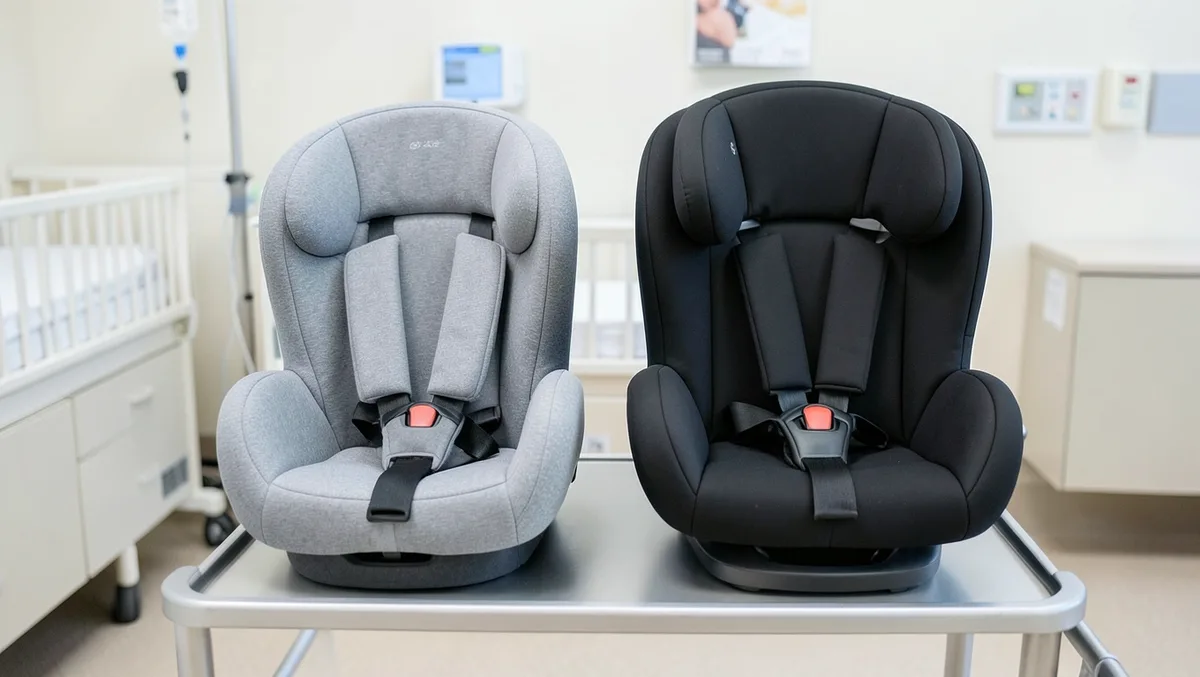
Picking the right seat matters more for a very small baby than it does for a full-term newborn. A few options to know about:
- Infant car seats: Best for newborns, with a carry handle and a separate base. Look for one rated down to 4 pounds if your baby is very low birth weight.
- Convertible car seats: Work for newborns through toddlers but are bulkier and generally have a higher minimum weight, so they’re less common for the hospital screen itself.
- Car beds: A specialized, crash-tested flat restraint for babies who can’t safely tolerate a semi-reclined position, such as some preemies with ongoing breathing concerns. These are prescribed by a doctor, not bought off the shelf as a first choice.
- Safety ratings: Check that any seat you choose meets Federal Motor Vehicle Safety Standard 213, and confirm the minimum weight rating specifically — not just the general age range.
Make sure whatever you choose fits both your baby’s current size and your vehicle. If you’re unsure, a certified Child Passenger Safety Technician can check the fit and installation for free at many fire stations and hospitals.
Common Mistakes to Avoid
A few avoidable mistakes show up again and again:
- Too upright an angle: A seat reclined less than about 30 degrees can make breathing harder for a small baby; a rolled towel under the base can help correct it.
- Loose harness: Straps that aren’t snug let the baby slump, which is one of the most common fixable causes of a failed screen.
- Aftermarket add-ons: Extra padding, head supports, or toys that didn’t come with the seat can interfere with the harness and are not crash-tested with it — stick to what the manufacturer included.
- Skipping a practice install: Not testing the seat at home before the hospital visit makes the actual screen more stressful than it needs to be.
- Ignoring the weight limits: Every seat has a minimum and maximum weight in the manual — always check both before the test, not just the maximum.
Avoiding these usually means a smoother first attempt.
When to Seek Professional Help
Sometimes it’s worth bringing in extra expertise. Here’s when to ask for help:
- Repeated failed screens: If your baby keeps failing, ask about seeing a pediatric specialist, such as a pulmonologist, before discharge.
- Car seat fit issues: A Child Passenger Safety Technician can recommend a better-fitting model if the current seat isn’t working for your baby’s size.
- Underlying medical concerns: If your baby has a heart or lung condition, get your pediatrician’s input before scheduling a retest.
- Installation doubts: If you’re not confident the seat is installed correctly, many fire stations and hospitals offer free inspections.
Asking for help is normal, and hospital staff and certified technicians are there specifically for this.
Table: Car Seat Test Checklist
A quick reference to prepare for the screen:
| Task | Action | Notes |
|---|---|---|
| Choose a car seat | Pick one rated for newborns (4-35 lbs) | Check the minimum weight limit, not just the maximum |
| Install the seat | Use LATCH or the seatbelt at a 30-45° angle | Confirm with the seat’s built-in level indicator |
| Adjust the harness | Snug straps, chest clip at armpit level | No slack, straps lying flat |
| Bring the seat to the hospital | Label it with your name | Some hospitals can loan one if needed |
| Add support if needed | Use the included insert, or a rolled towel/blanket | Never add unapproved third-party padding |
| Ask the nursing team | Clarify what the screen involves beforehand | Note any concerns about your baby’s condition |
Keeping this list handy helps you stay organized and calm during the process.
Emotional Impact on Parents
This screen can be genuinely stressful, especially on top of an already difficult NICU stay. Hearing that your baby “failed” something before you’ve even left the hospital is scary, but it doesn’t mean you did anything wrong, and it doesn’t reflect on your baby’s long-term health. It simply means your baby needs a little extra time or a small adjustment before the car ride home. Leaning on your partner, other NICU parents, or hospital staff for support during a retest is completely normal — most parents describe the same mix of worry and relief.
Why the Car Seat Test Matters
This screen exists to catch exactly the kind of breathing or heart-rate dip that could go unnoticed on a real drive home, when no one is watching a monitor. It’s a small, temporary inconvenience that gives both hospital staff and parents real confidence that a fragile newborn can safely make the trip in a car seat.
The Bottom Line
A baby fails a car seat test when their oxygen levels, heart rate, or breathing don’t stay steady in the car seat’s semi-reclined position — most often because they’re premature, low birth weight, or dealing with a medical condition that hasn’t fully resolved yet. Choosing a well-fitting seat, practicing the installation ahead of time, and making small positioning adjustments are usually all it takes to help a baby pass, whether on the first try or the second.
This test exists purely to protect your baby on the ride home, and a failed first attempt is common and almost always fixable. Bring your car seat, ask questions, and trust the hospital team — most babies who fail once are cleared within a day or two.
FAQs
What does it mean if my baby fails a car seat test?
It means the monitors picked up low oxygen, a slow heart rate, or a breathing pause during the observation window. It’s common, especially in late-preterm babies, and most infants pass a repeat screen within a day or two after a small adjustment to the seat’s angle or fit.
Is the car seat test the same as a crash test?
No. The car seat itself was already crash-tested by its manufacturer before it was ever sold. The hospital screen tests the baby, not the seat — it checks whether a specific newborn can keep their oxygen level, heart rate, and breathing steady while sitting in the seat for 90 to 120 minutes.
How long does a car seat test take?
Most hospitals monitor the baby for 90 to 120 minutes. The timer can reset if a reading dips and then needs to stabilize again, which is why some screens run closer to the two-hour mark.
Can I use any car seat for the test?
It should be an infant car seat rated for your baby’s current weight, typically down to 4 pounds for very small newborns. Check the manufacturer’s minimum weight limit before bringing it to the hospital.
What if my baby keeps failing the car seat test?
The hospital may try a different seat, adjust the recline angle, order a medical evaluation, or recommend a specialized car bed for babies who consistently can’t tolerate a semi-reclined position. Staff generally won’t discharge a baby until they’ve passed in some approved restraint.
Do all babies need a car seat test?
No. It’s mainly required for babies born before 37 weeks, those under about 5.5 pounds at birth, or those with certain medical conditions. Full-term, healthy newborns typically go home without one.
Products related to this article
Sponsored / affiliate links. As an Amazon Associate I earn from qualifying purchases. I may earn additional commission from eligible campaigns.