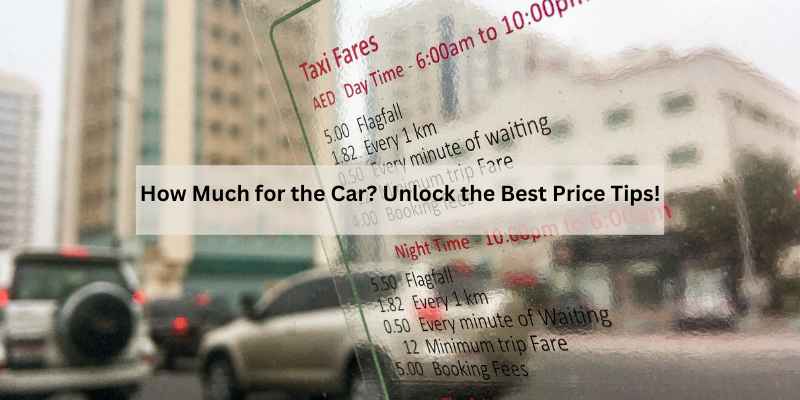
How Much Does a Car Cost? The Real 2026 Breakdown Buyers Keep Missing
You found a car online that looks perfect. The listed price sits right in your budget. Then the dealer adds a doc fee, destination charge, and something called a “market adjustment,” and suddenly the number on the contract is thousands higher than the sticker. That gap confuses a lot of buyers. The real question isn’t just what the window sticker says — it’s what you’ll actually pay over the years you own the vehicle.
This guide walks through the full cost picture: the purchase price, the fees nobody warns you about, the monthly ownership costs, and the differences between buying new, buying used, and leasing. You’ll get concrete numbers and realistic examples, not vague advice. By the end, you’ll know exactly how much does a car cost in your situation — and where the hidden money leaks are.
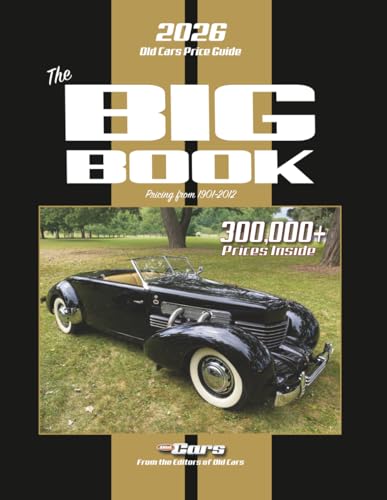
One tool that helps with the historical side of this: the 2026 Old Cars Price Guide Big Book. It covers pricing from 1901 to 2026, which is handy if you’re shopping for a classic or just want perspective on how much depreciation really hits modern cars. It won’t tell you today’s market, but it’s a solid reference for older models.
The Sticker Price Is Only the Starting Point
The MSRP (Manufacturer’s Suggested Retail Price) is exactly what it sounds like — a suggestion. Most people pay something different. In 2026, the average new car transaction price hovers around $48,000, according to industry data. But that average hides a wide range. A base sedan might go for $25,000; a fully loaded pickup truck can easily pass $70,000.
Here’s what most first-time buyers miss: the out-the-door price includes several layers on top of the MSRP. Destination charges typically run $1,200 to $1,800. Dealer documentation fees range from $200 to over $800 depending on the state. Sales tax adds roughly 4% to 10% depending on where you live. And if the car is in high demand, dealers might add a “market adjustment” of $2,000 to $10,000 — that’s pure profit with no added value.
Used cars work differently. The asking price is negotiable, but you’re also dealing with the previous owner’s choices. A used car with 40,000 miles might still have warranty coverage; one with 80,000 miles won’t. The average used car price in 2026 sits around $28,000, but that number drops fast with age and mileage. A five-year-old sedan with average miles might run $18,000; a ten-year-old one could be $9,000.
So when someone asks “how much does a car cost,” the honest answer is: it depends on whether you’re looking at the sticker, the out-the-door price, or the total cost of ownership. Most people only look at the first one.
The Monthly Costs Most People Forget
The purchase price is the biggest number, but it’s not the biggest expense over time. Depreciation is. A new car loses about 20% of its value the moment you drive it off the lot, and roughly 60% after five years. That $48,000 SUV is worth maybe $19,000 in half a decade. You don’t write a check for that loss, but it hits you when you sell or trade in.
Insurance is the second-largest recurring cost. Full coverage on a new car averages $2,300 per year nationally, but that varies wildly. A teenager in Michigan with a sports car could pay $6,000. A middle-aged driver with a clean record in Ohio might pay $1,200. Your credit score, driving history, and zip code all factor in.
Fuel costs depend on your driving habits and the vehicle’s efficiency. Someone driving 12,000 miles per year in a car getting 30 mpg will spend about $1,500 annually at $3.75 per gallon. That same driver in a truck getting 18 mpg spends closer to $2,500. Electric vehicles change the math — charging at home typically costs less than half of gasoline per mile, but public fast charging can get expensive.
Maintenance and repairs are the wildcard. A new car under warranty might cost you $200 per year for oil changes and tire rotations. A used car with 100,000 miles could need $1,500 in repairs annually. Tires alone run $600 to $1,200 per set. Brakes, belts, and fluids add up. The average repair cost for common issues like alternators or water pumps lands between $400 and $800 — and that’s before labor.
Add registration and taxes. Most states charge $100 to $300 per year for registration, plus annual property tax in some states. Virginia, for example, charges personal property tax on vehicles that can add $500 or more per year on a new car.
Myth: Buying Used Always Saves You Money
The logic seems airtight: a used car costs less upfront, so you save money. Not always. The used car market in 2026 is still recovering from the pandemic-era price spike. A three-year-old car with 36,000 miles often sells for only 15-20% less than its original MSRP. That’s not a great deal when you consider the new car’s full warranty and lower interest rates.
Financing tells the real story. New car loans average around 6.5% APR in 2026; used car loans average closer to 9%. On a $30,000 loan over 60 months, that difference costs you roughly $2,200 in extra interest. And many manufacturers offer 0.9% or 1.9% financing on new models, which makes the new car cheaper than a used one over the loan term.
There’s also the maintenance factor. A used car with 50,000 miles is approaching the point where major components wear out — timing belts, water pumps, suspension parts. Those repairs can cost $1,000 or more each. A new car’s warranty covers most of that for the first three to five years.
That said, used cars make sense in specific situations. If you’re paying cash, buying a reliable used car with a documented service history can be smart. Depreciation has already hit the previous owner, so you won’t lose as much value. The key is buying the right used car — one with a good reputation for reliability, not just a low price. A ten-year-old Honda Civic with 120,000 miles might run you $8,000 and last another 100,000 miles with basic care. That’s a far better deal than a five-year-old luxury sedan with expensive repair bills waiting.
Myth: Leasing Is Always a Waste of Money
Leasing gets a bad reputation, and sometimes it deserves it. But the math isn’t as simple as “you’re throwing money away.” A lease is essentially paying for the car’s depreciation during the term you drive it, plus interest and fees. On a $40,000 car with a 36-month lease, you might pay $450 per month — that’s $16,200 total. The car loses about $14,000 in value during that time, so you’re paying for the depreciation plus a bit of interest.
Compare that to buying the same car with a 72-month loan at 7% interest. Your monthly payment is around $680, and after three years you’ve paid $24,480. You own the car, but you’ve also paid $8,000 more than the lease cost. If you sell the car after three years, you might get $24,000 back — but you still owe about $15,000 on the loan. Net result: you’re roughly even, but you tied up more cash and took on the risk of the car being worth less than expected.
Leasing makes sense when you want a new car every few years, drive low mileage, and don’t want to deal with major repairs. It makes less sense if you drive 20,000 miles per year (excess mileage fees run 15 to 25 cents per mile), or if you tend to keep cars for eight or more years. In that case, buying and holding is almost always cheaper.
The worst leasing scenario is when someone leases a car they can’t afford to buy, then ends up paying the purchase option at the end because they’re over mileage. That’s how people end up paying more than the car is worth. Read the lease contract carefully — the mileage limit, the wear-and-tear clause, and the disposition fee at the end all matter.
Comparing Your Options: New, Used, or Lease
Here’s a side-by-side look at the three main paths, using realistic 2026 numbers for a typical mid-size SUV priced at $40,000 new.
| Factor | Buy New | Buy Used (3 yrs old) | Lease (36 months) |
|---|---|---|---|
| Upfront cost | $4,000 down + fees | $2,000 down + fees | $3,000 due at signing |
| Monthly payment | $620 (60 mo, 6.5%) | $480 (60 mo, 9%) | $480 |
| Warranty coverage | Full, 3-5 years | Remaining factory, limited | Full, covered by lease |
| Depreciation hit | Highest (20% first year) | Lower (already depreciated) | You pay it via lease payment |
| Maintenance risk | Low for first 3 years | Medium to high | Low — covered under warranty |
| Mileage flexibility | Unlimited | Unlimited | Usually 10,000-12,000/year |
| End of term | You own it, sell or keep | You own it, sell or keep | Return car or buy for residual value |
| Total cost over 5 years | $41,000 (incl. fuel, insurance, maintenance) | $33,000 (incl. purchase, repairs) | $28,800 (lease payments only, then walk away) |
These numbers assume average driving and insurance rates. Your actual costs will differ based on the specific vehicle, your location, and your credit score. The table shows the trade-offs clearly: buying new costs the most but gives you full control. Buying used saves money but adds risk. Leasing costs the least per month but limits your miles and leaves you with nothing at the end.
Hidden Fees and Dealer Tactics That Inflate the Price
Dealers make money on the car itself, but they make even more on the extras. The finance office will offer you extended warranties, paint protection, fabric protection, gap insurance, and LoJack-style tracking devices. Some of these have value; most don’t. A $1,500 paint protection package might cost the dealer $100 to apply. An extended warranty on a reliable Japanese car might be a waste of money; on a German luxury car, it could save you thousands.
The key is knowing what you’re being offered and what it’s worth. The extended warranty is negotiable — you can often get it for half the initial price if you push back. Gap insurance (which covers the difference between what you owe and what the car is worth if it’s totaled) is genuinely useful if you put less than 20% down, but you can buy it from your insurance company for a fraction of the dealer’s price.
Another tactic: the “four-square” worksheet. The dealer writes your trade-in value, the purchase price, the down payment, and the monthly payment in four boxes, then adjusts numbers to make the monthly payment fit your budget. The problem is they can extend the loan term to lower the payment while hiding a higher interest rate. A $40,000 car at 6% over 60 months costs $773 per month. Stretch that to 84 months at 7% and the payment drops to $604 — but you pay $8,000 more in interest over the life of the loan.
Always negotiate the out-the-door price, not the monthly payment. Get the total cost of the loan in writing before you sign. And walk away if the dealer refuses to give you a written quote — that’s a red flag.
What Your Total Cost of Ownership Actually Looks Like
Let’s put everything together with a realistic example. Say you buy a $35,000 mid-size sedan new, put $5,000 down, and finance the rest over 60 months at 6.5%. Your monthly payment is $587. Over five years, you’ll pay:
- Purchase price plus interest: $35,000 + $5,220 interest = $40,220
- Insurance (full coverage, average rate): $2,100/year × 5 = $10,500
- Fuel (12,000 miles/year, 30 mpg, $3.75/gal): $1,500/year × 5 = $7,500
- Maintenance and tires (routine, no major repairs): $800/year × 5 = $4,000
- Registration and taxes: $300/year × 5 = $1,500
That’s $63,720 over five years. After five years, the car is worth roughly $14,000. So your net cost is about $49,720 — or $828 per month. That’s the real number. The sticker price was $35,000, but the car cost you nearly $50,000 in actual out-of-pocket expenses.
Now consider the same scenario with a used car. A three-year-old version of the same sedan costs $24,000. You finance $19,000 at 9% over 60 months, paying $394 per month. Insurance drops to $1,600/year (no full coverage required on an older car). Fuel and maintenance are similar, but you’ll likely face a few repairs — budget $1,500/year. Your five-year total: $23,640 (loan) + $8,000 (insurance) + $7,500 (fuel) + $7,500 (maintenance) + $1,500 (registration) = $48,140. The car is worth $8,000 after five years, so net cost is $40,140 — about $669 per month. You saved roughly $9,500 over five years, but you gave up the new-car warranty and had to deal with potential breakdowns.
The lesson isn’t that one option is always better. It’s that you need to run the numbers for your specific situation. A reliable used car with low miles can be a fantastic deal. A used luxury car with high miles is a money pit. The cost of importing a car adds another layer if you’re considering a foreign-market vehicle — that’s a separate budget entirely.
Frequently Asked Questions
What is the average price of a new car in 2026?
The average transaction price for a new car is around $48,000, but you can find base models for $22,000 and luxury SUVs over $90,000. The average is skewed by trucks and SUVs, which dominate sales. If you’re flexible on brand and trim, you can beat the average significantly.
How much should I put down on a car?
At least 10% is the minimum to avoid being upside-down on the loan. 20% is better — it lowers your monthly payment and gives you equity if you need to sell early. If you’re leasing, the down payment (called “due at signing”) should cover taxes, fees, and the first month’s payment. Don’t put a huge down payment on a lease; you lose it if the car is totaled.
Is it better to pay cash or finance a car?
Cash is best if you can afford it without draining your emergency fund. You avoid interest and have full ownership. But if the dealer offers 0.9% financing, it’s smarter to finance and invest your cash elsewhere. The deciding factor is the interest rate: if it’s below 4%, financing usually makes sense. Above 7%, paying cash or getting a cheaper car is better.
How much does car insurance cost for a new car?
Full coverage on a new car averages $2,300 per year, but your exact rate depends on your age, driving record, location, and the car’s safety rating. A sports car costs more to insure than a sedan. You can lower the cost by raising your deductible to $1,000 and bundling with home or renters insurance.
What’s the cheapest way to own a car?
Buying a reliable used car with cash and keeping it for 10+ years is the cheapest path. A $10,000 used Honda or Toyota, maintained properly, can last 150,000 more miles. Your annual cost might be $3,000 including everything — far less than any new car or lease. The trade-off is you drive an older car with fewer features and accept the risk of unexpected repairs. Set aside $100 per month for maintenance and you’ll be covered.
What You Should Do Before You Buy
- Set a budget based on the total monthly cost — payment, insurance, fuel, and maintenance — not just the car payment. A good rule: keep total car costs under 15% of your take-home pay.
- Get pre-approved for a loan from a credit union or bank before visiting the dealer. That gives you a baseline interest rate and prevents the dealer from inflating yours.
- Check the out-the-door price in writing, including all fees and taxes, before you negotiate. Don’t let the dealer add fees after you agree on a price.
- Run the depreciation numbers. If you plan to sell in three years, a used car with slower depreciation is smarter than a new car that drops 20% in year one.
- Get a vehicle history report and an independent mechanic’s inspection on any used car. A $150 inspection can save you from a $2,000 repair.
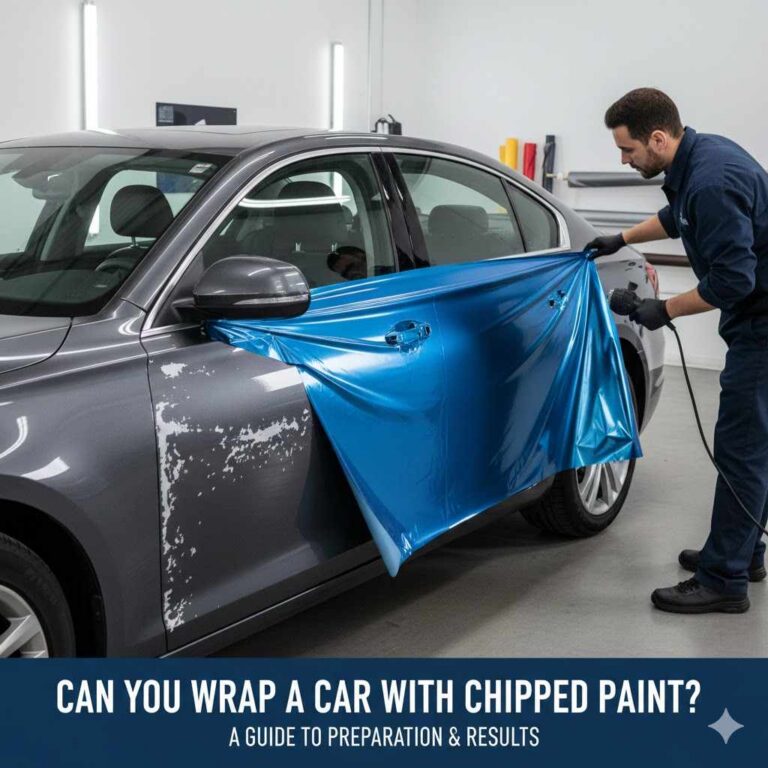
- Consider the cost of wrapping a car or other cosmetic upgrades before you commit — those add up fast and don’t increase resale value.
- If you’re buying a classic or older vehicle, the Old Cars Price Guide helps you avoid overpaying for a model you’re not familiar with.
The real answer to “how much does a car cost” is never a single number. It’s a range that depends on your choices, your driving habits, and your willingness to do the math. Run your own numbers, know the fees, and don’t let anyone rush you. The right car at the right price is out there — you just have to know what to look for.
Products related to this article
Sponsored / affiliate links. As an Amazon Associate I earn from qualifying purchases. I may earn additional commission from eligible campaigns.
 Half Car Cover SUV,Top Cover with Red Reflective Strip, Hail Protector Car Cover with Cotton Liner, Sunroof & Windshield Cover for Ice and Snow, All Weather Car Body Cover for Sun, Rain, Dust
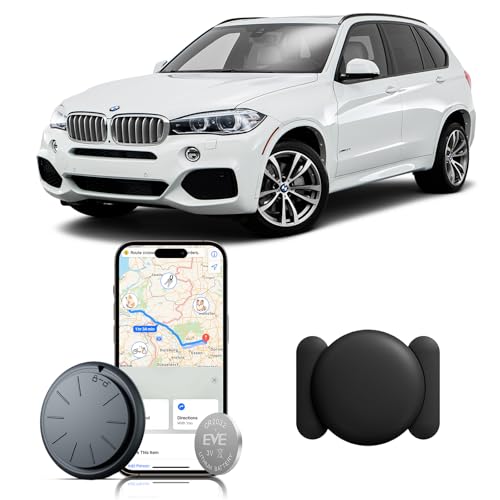 ZFSJTAG Car GPS Tracking Device for Vehicles, 1PCS Real Time GPS Tracker for Car, Work with Find My (iOS Only),Hidden Mini GPS Tracker,No Monthly Fee (Black Tracker, Black Magnetic Case)