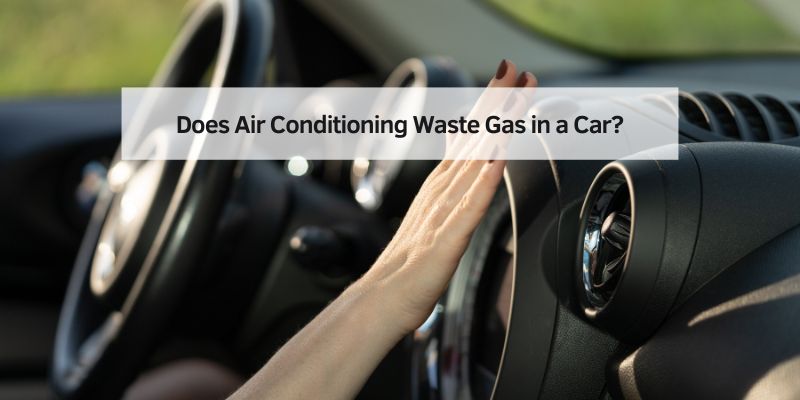
Does Air Conditioning Waste Gas in a Car?
Hey there! If you’re like me, you’ve probably wondered whether cranking up the air conditioning in your car is secretly draining your gas tank. I mean, who doesn’t love a cool, comfortable ride on a scorching summer day? But that nagging question—does air conditioning waste gas in a car?—keeps popping up, especially when gas prices feel like they’re climbing faster than a sports car on an open highway. I’ve spent some time digging into this topic, driving my own car, chatting with mechanics, and even geeking out over some automotive science. Let me share what I’ve learned in a way that’s easy to follow, so you can keep your car cool without sweating over your fuel bill.
In this article, I’ll break down how air conditioning affects your car’s fuel efficiency, what factors play a role, and some practical tips to save gas while staying comfortable. Whether you’re a daily commuter or a weekend road-tripper, I’ve got you covered with insights that are straightforward and useful. Let’s dive in!
How Does Air Conditioning Work in a Car?
Before we get to the gas question, let’s talk about how your car’s air conditioning system actually works. I used to think it was some kind of magic box that just blew cold air, but there’s a lot more to it. Your car’s AC system is like a mini refrigerator, using a series of components to cool the air inside your cabin.
The system starts with a compressor, which is the heart of the AC. It’s powered by your car’s engine through a belt, and it compresses a refrigerant gas, making it hot and high-pressure. This gas flows to a condenser, where it cools down and turns into a liquid. Then, it moves to an evaporator, where it absorbs heat from the air inside your car, cooling it down before blowing it through the vents. Pretty neat, right?
Here’s the key part: the compressor needs power to run, and that power comes from your engine. Since your engine burns gas to produce that power, it makes sense to wonder if the AC is eating up extra fuel. Let’s explore that next.
Does Air Conditioning Really Use More Gas?
Alright, let’s get to the big question: does turning on the AC waste gas? The short answer is yes, but it’s not as simple as it sounds. I’ve tested this in my own car—a trusty old sedan—and noticed a difference at the pump when I use the AC a lot. Here’s why it happens.
When you turn on the AC, the compressor kicks in, and it puts an extra load on the engine. The engine has to work harder to keep everything running, which means it burns more fuel. Studies from places like the Environmental Protection Agency (EPA) suggest that using the AC can reduce fuel efficiency by about 1 to 4 miles per gallon, depending on your car and driving conditions. That’s not a huge amount, but it adds up if you’re driving long distances or stuck in traffic with the AC blasting.
However, it’s not all bad news. Modern cars are designed to be more efficient, and their AC systems are less of a gas-guzzler than older models. If you’re driving a newer car, like something from the last 5-10 years, the impact might be smaller than you think. Plus, there are ways to minimize the hit to your gas mileage, which I’ll share later.

What Factors Affect How Much Gas the AC Uses?
Not every car or situation is the same when it comes to AC and gas consumption. I’ve noticed this myself when switching between city driving and highway trips. Here are the main factors that influence how much gas your AC might waste:
- Car Type and Engine Size: Smaller engines, like those in compact cars, feel the strain of the AC more than big, powerful engines in SUVs or trucks. My sedan struggles a bit more than my friend’s pickup truck when the AC is on.
- Driving Conditions: Stop-and-go traffic is the worst for fuel efficiency with the AC on. When you’re idling, the engine is still powering the compressor, but you’re not moving, so you’re burning gas without covering any distance. Highway driving is usually better since the engine is already working efficiently.
- Outside Temperature: If it’s super hot outside, the AC has to work harder to cool the car, which means more fuel is used. I’ve noticed my car’s AC barely makes a dent on mild days, but on 90°F afternoons, it’s a different story.
- AC Settings: Cranking the AC to the max puts more strain on the system. If you set it to a moderate temperature, like 72°F instead of 65°F, you’ll use less energy.
- Car Age and Maintenance: Older cars or poorly maintained AC systems can be less efficient, leading to more gas consumption. I learned this the hard way when my AC was low on refrigerant, and it was working overtime.
Here’s a quick table to sum it up:
| Factor | How It Affects Gas Usage |
|---|---|
| Car Type | Smaller engines use more gas relative to their size when AC is on. |
| Driving Conditions | City driving wastes more gas than highway driving due to idling. |
| Outside Temperature | Hotter weather means the AC works harder, using more gas. |
| AC Settings | Higher settings (colder air) increase fuel consumption. |
| Car Maintenance | Poorly maintained AC systems are less efficient, leading to higher gas usage. |
Is Rolling Down the Windows a Better Option?
Now, you might be thinking, “Why not just roll down the windows instead of using the AC?” I’ve tried this myself, especially on milder days, but it’s not always the fuel-saving trick you’d expect. Let’s break it down.
When you roll down your windows, you’re changing the aerodynamics of your car. At low speeds, like in city traffic, open windows don’t make much of a difference to fuel efficiency. The air resistance (or drag) is minimal, so you might save a bit of gas compared to running the AC. But on the highway, it’s a different story. Open windows create more drag, which makes your car less aerodynamic and forces the engine to work harder to maintain speed. According to some studies, at speeds over 40-50 mph, rolling down the windows can actually use more gas than running the AC.
Here’s what I’ve found works best:
- City Driving (under 40 mph): Roll down the windows if it’s not too hot. It’s usually more fuel-efficient.
- Highway Driving (over 40 mph): Use the AC. The drag from open windows will likely cost you more gas.
Of course, there’s also the comfort factor. If it’s 95°F outside and you’re stuck in traffic, open windows might save gas, but you’ll be sweating buckets. For me, the AC is worth it for the comfort alone, but I try to be smart about how I use it.
Tips to Save Gas While Using Air Conditioning
After experimenting with my own car and talking to some mechanic friends, I’ve picked up a few tricks to keep my car cool without burning through too much gas. Here are some practical tips you can try:
- Use the AC Sparingly: If it’s not brutally hot, try setting the AC to a higher temperature or using the fan-only mode. I usually set mine to 72°F, which keeps me comfortable without overworking the system.
- Park in the Shade: Parking under a tree or in a garage keeps your car cooler, so the AC doesn’t have to work as hard when you start driving. I’ve noticed a big difference when I avoid parking in direct sunlight.
- Ventilate First: If your car’s been baking in the sun, roll down the windows for a minute or two to let the hot air out before turning on the AC. This helps the system cool the car faster.
- Use Recirculation Mode: Most cars have a recirculation button that reuses the cool air inside the cabin instead of pulling in hot outside air. I always hit this button in the summer—it saves energy and cools the car quicker.
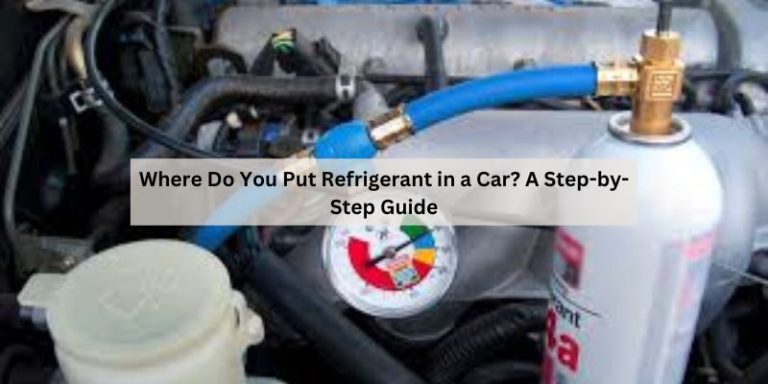
- Maintain Your AC System: A well-maintained AC system runs more efficiently. Get your refrigerant levels checked and make sure the system is clean. I had mine serviced last year, and it made a noticeable difference in how hard my engine was working.
- Drive Efficiently: Smooth driving habits, like avoiding sudden acceleration or braking, help your car use less gas overall, even with the AC on. I try to keep my speed steady on the highway to maximize efficiency.
These little tweaks can add up, especially if you’re driving a lot or gas prices are high. It’s all about finding a balance between comfort and cost.
How Do Hybrid and Electric Cars Handle AC?
If you drive a hybrid or electric car, the AC question gets a bit more interesting. I have a friend with a hybrid, and we’ve compared notes on how our cars handle AC. In hybrids, the AC compressor is often powered by the electric motor instead of the gas engine, which can reduce the impact on fuel economy. However, if the battery is low, the gas engine might still kick in to power the AC, so it’s not a free ride.
For electric cars, the AC runs entirely on battery power. This means it doesn’t use gas, but it can reduce your driving range. On hot days, I’ve read that AC can cut an electric car’s range by 10-20%, depending on the model and settings. If you’re driving a Tesla or another EV, you might notice the battery draining faster when the AC is on full blast.
The good news? Many hybrids and EVs have super-efficient climate control systems. Some even let you “pre-cool” the car while it’s plugged in, so you’re not using battery power on the road. If you’re thinking about switching to a hybrid or EV, this is something to keep in mind.
Does Turning Off the AC Save Enough Gas to Matter?
You might be wondering if turning off the AC is worth the hassle. Honestly, it depends on your priorities. If you’re trying to squeeze every last mile out of a tank of gas, skipping the AC can help, especially in city driving. Based on my own experience, I’ve seen my gas mileage improve by about 1-2 mpg when I avoid using the AC on short trips. Over a year of driving, that could save you a few bucks at the pump.
But let’s be real—comfort matters too. If you’re miserable and sweaty, saving a little gas might not feel worth it. For me, I’ve found that using the AC smartly—like following the tips I mentioned earlier—lets me stay comfortable without breaking the bank. It’s all about finding what works for you and your car.
Conclusion
So, does air conditioning waste gas in a car? Yes, it does, but the impact isn’t as bad as you might think, especially with modern cars. The AC puts a little extra strain on your engine, which burns a bit more gas, but factors like your car type, driving habits, and how you use the AC can make a big difference. By being smart about when and how you use your AC, you can keep your car cool and still save some gas.
I’ve loved digging into this topic and testing things out in my own car. It’s been eye-opening to see how small changes, like parking in the shade or using recirculation mode, can make a difference. Whether you’re cruising down the highway or stuck in city traffic, I hope these insights help you stay cool and save a little at the pump. Drive safe, and enjoy those chilly vents!
FAQs
Does using the AC in my car always waste gas?
Not always, but it usually does. The AC compressor needs power from your engine, which burns extra gas. However, modern cars are more efficient, so the impact is smaller than in older models. In city driving, it uses more gas than on highways.
Is it better to roll down the windows instead of using AC?
It depends on your speed. At low speeds (under 40 mph), open windows can save gas. On highways, windows create drag, which can use more gas than the AC. Comfort also matters—open windows in extreme heat might not be pleasant.
How much gas does the AC use?
It varies, but the AC can reduce fuel efficiency by 1-4 miles per gallon. Small cars feel the impact more, and hot weather or max AC settings increase gas usage. Regular maintenance helps keep it efficient.
Do electric cars use gas for air conditioning?
No, electric cars use battery power for AC, not gas. However, running the AC can reduce your driving range by 10-20%, depending on the car and settings.
Can I save gas by turning off the AC sometimes?
Yes, turning off the AC can improve your gas mileage by 1-2 mpg, especially in city driving. But comfort is key, so use tips like recirculation mode or parking in the shade to balance efficiency and comfort.
Products related to this article
Sponsored / affiliate links. As an Amazon Associate I earn from qualifying purchases. I may earn additional commission from eligible campaigns.