Does Any Coolant Work in Any Car? Essential Facts Revealed
You might think that any coolant will do the job in your car, but is that really true? Using the wrong coolant can cause serious damage to your engine and cost you a lot more in repairs.
Before you pour that bottle into your radiator, you need to know what works best for your vehicle. This article will help you understand why not all coolants are the same and how to pick the right one for your car.
Keep reading—your engine’s health depends on it!

Credit: www.theengineeringchoice.com
Types Of Coolants
Inorganic Acid Technology (IAT)coolants use simple chemicals like silicates and phosphates. They protect engines well but need frequent changing, usually every 2 years or 30,000 miles.
Organic Acid Technology (OAT)coolants use organic acids for long-lasting protection. They often last up to 5 years or 150,000 miles. They are usually orange, red, or dark green in color.
Hybrid Organic Acid Technology (HOAT)combines both IAT and OAT benefits. It uses some silicates and organic acids. HOAT coolants protect engines for about 5 years and help prevent corrosion.
Silicate and Phosphate-based Coolantscontain minerals that protect engine parts quickly. Silicates guard aluminum parts, and phosphates prevent rust. These are often found in IAT and HOAT types.
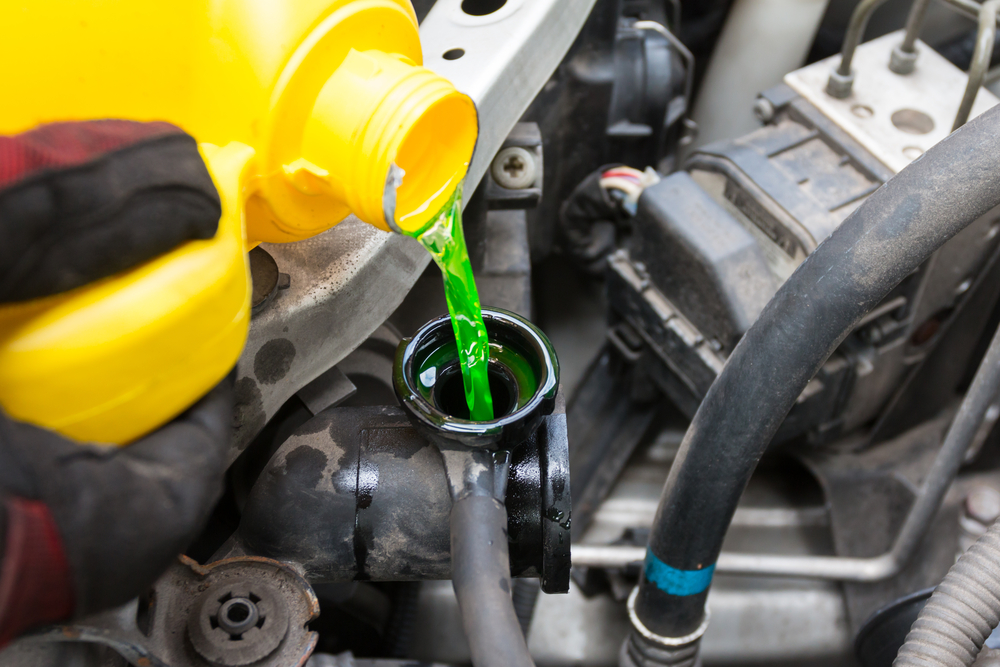
Credit: www.cbac.com
Coolant Compatibility
Car manufacturersdesign coolants for specific engine types. Using the recommended coolant helps the system work well. Different coolants have unique chemicals that protect the engine from rust and freezing.
Mixing coolants can cause chemical reactions. These reactions may create sludge or clogs. This can stop the coolant from flowing properly and cause engine damage.
Some coolants contain silicates, others organic acids. Mixing these types can harm cooling system partslike hoses and the radiator. It may also reduce the coolant’s ability to cool the engine.
| Coolant Type | Effect if Mixed | System Impact |
|---|---|---|
| Silicate-based | Sludge formation | Clogged hoses and radiator |
| Organic acid-based | Reduced protection | Corrosion inside engine parts |
| Hybrid coolants | Compatibility issues | Possible damage to seals |
How Coolants Work
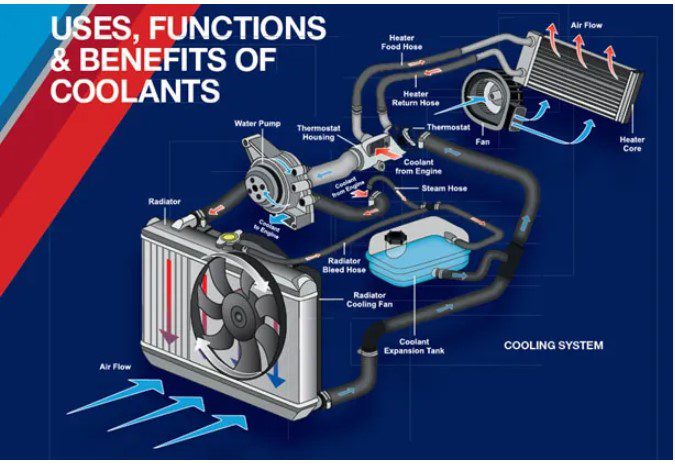
Coolants help move heat awayfrom the engine. They keep the engine coolso it works well. Coolants have special parts that stop rustand corrosioninside the engine.
They also stop water from freezing in cold weather. This keeps the engine safe in winter. Coolants raise the boiling pointof water, so it does not boil in hot weather. This helps the engine stay cool on hot days.
Each coolant has a mix of chemicals to do these jobs. Using the right coolant keeps the engine protectedand running smoothly.
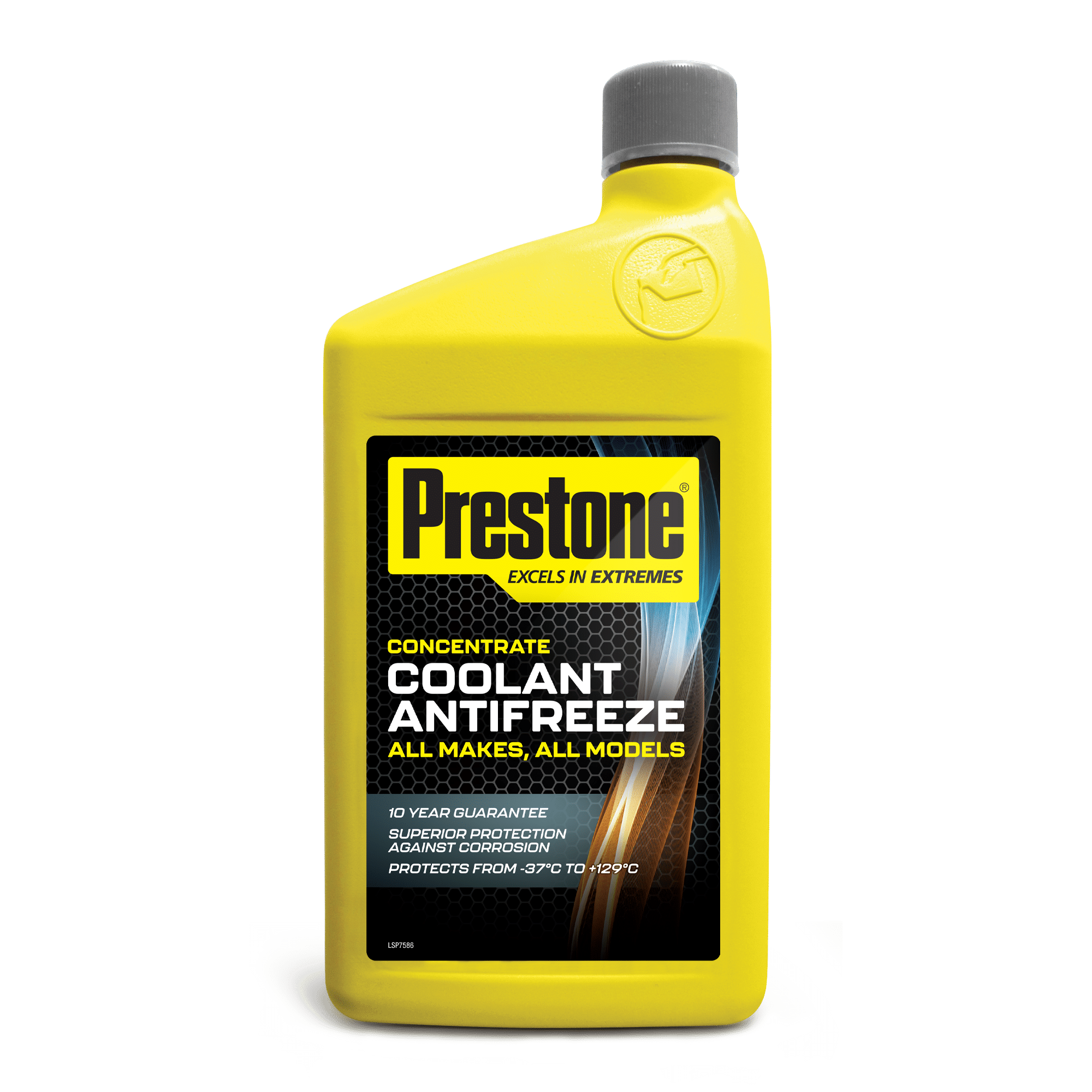
Credit: www.prestoneuk.com
Risks Of Using Wrong Coolant
Using the wrong coolantcan cause serious engine problems. Coolants protect the engine from overheating. The wrong type may fail to cool properly, causing the engine to get too hot. This can lead to expensive damageor engine failure.
Coolants also stop corrosion and rustinside the engine. The wrong coolant may not protect metal parts well. Rust can build up and cause leaks or weak parts. This reduces the engine’s life and performance.
Clogging and depositshappen when the wrong coolant reacts with engine parts. These block tiny passages where coolant flows. The engine may not get enough cooling, which can cause overheating again.
Choosing The Right Coolant
Always check the vehicle manualfirst. It tells the exact coolant typeyour car needs. Using the wrong coolant can cause damageto the engine parts.
Coolants come in different colorslike green, orange, pink, and blue. Each color shows a different formula. Color helps to identifythe right coolant but always trust the manual more.
| Coolant Color | Common Type | Typical Use |
|---|---|---|
| Green | Inorganic Acid Technology (IAT) | Older cars |
| Orange | Organic Acid Technology (OAT) | Newer cars |
| Pink/Red | Hybrid Organic Acid Technology (HOAT) | Some modern cars |
| Blue | Long-life coolant | Various makes |
Flush and replace coolant based on the car’s schedule. Old coolant loses its effectiveness. It can cause rustand clogsinside the cooling system.
DIY Coolant Maintenance Tips
Wear gloves and eye protection before handling coolant. It is toxicand can harm skin or eyes. Keep coolant away from children and pets. Work in a well-ventilated area to avoid breathing fumes.
Use the correct mixing ratioof coolant and water. Usually, a 50/50 mix works best for most cars. Check the car manual to be sure. Too much coolant or water can cause engine problems.
Old coolant should never be thrown in the trash or drain. Take it to a recycling centeror an auto shop that accepts used coolant. Proper disposal helps protect the environment.
Frequently Asked Questions
Can I Use Any Coolant In My Car?
No, not all coolants are compatible with every car. Different vehicles require specific coolant types based on their engine and materials. Always check your owner’s manual for the recommended coolant to avoid damage and ensure optimal performance.
What Happens If I Mix Different Coolants?
Mixing coolants can cause chemical reactions that reduce cooling efficiency. It may lead to sludge buildup and corrosion inside the engine. Avoid mixing different types to maintain proper engine temperature and prolong the cooling system’s lifespan.
How Do I Know Which Coolant My Car Needs?
Refer to your car’s owner manual or check the coolant reservoir cap for specifications. The recommended type varies by manufacturer and engine design. Using the correct coolant ensures proper engine cooling and prevents potential damage.
Is Universal Coolant Safe For All Cars?
Universal coolants claim compatibility with many vehicles, but they may not suit all engine types. It’s best to follow your car manufacturer’s coolant recommendations to avoid performance issues or warranty voids.
Conclusion
Not all coolants work well in every car. Each vehicle needs a specific type. Using the wrong coolant may cause engine damage. Always check your car’s manual for the right one. Mixing coolants can lead to problems and costly repairs.
Keeping your engine cool helps it run better and last longer. Choose the coolant carefully to protect your car. A small step like this saves big trouble later. Remember, the right coolant keeps your car happy and healthy.