Does Bad Gas Make Car Shake: Proven Fix
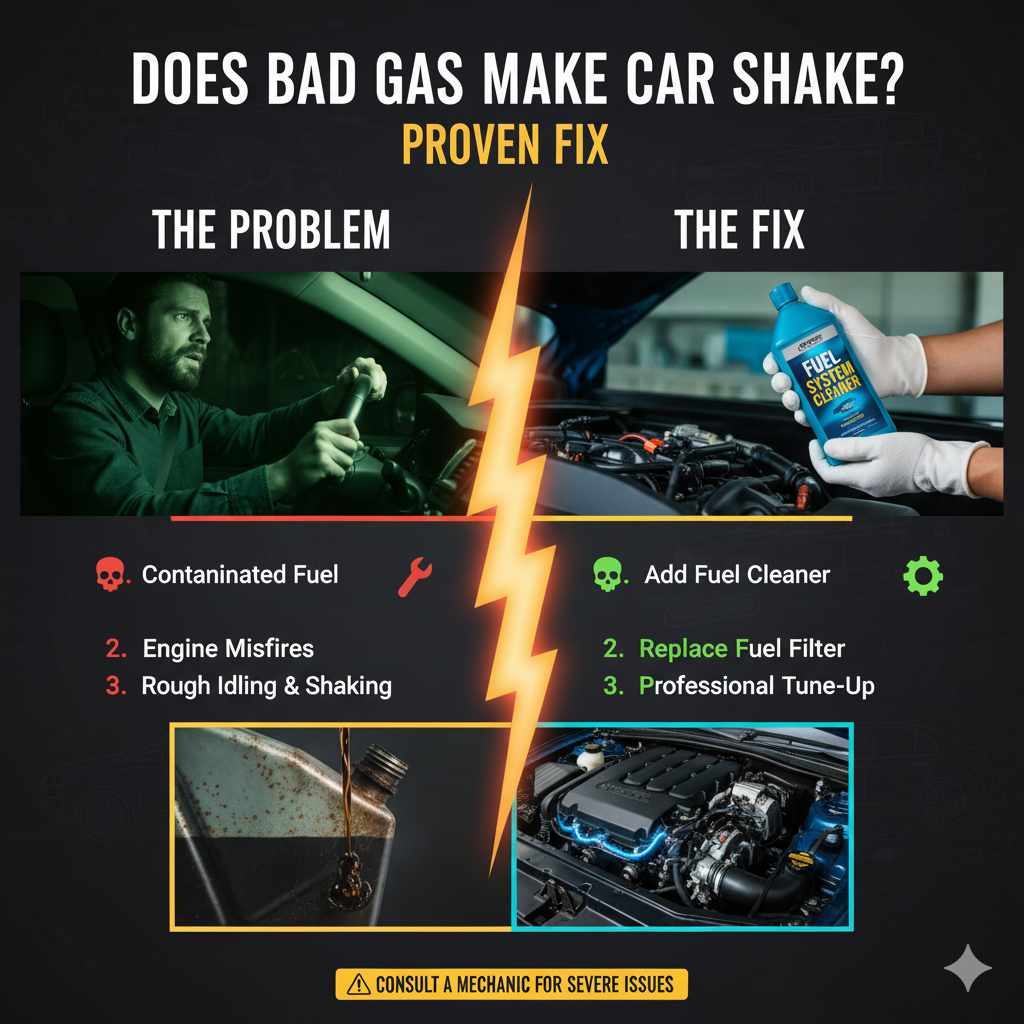
Yes, bad gasoline can absolutely make your car shake. Contaminated or low-quality fuel can cause engine misfires, leading to rough idling, hesitation, and shaking. The proven fix often involves draining the old fuel, replacing the fuel filter, and refueling with high-quality gas.
Has your car started shaking recently, making you wonder if you put bad gas in it? It’s a common worry! A shaky car can be unnerving, especially if you’re not sure what’s causing it. This guide will help you understand if bad gas is the culprit and how to fix it, making car care feel a lot less scary. We’ll walk through the signs and the simple steps to get your car running smoothly again.
Does Bad Gas Make Your Car Shake? The Straight Answer
Yes, bad gasoline can absolutely cause your car to shake. When your engine doesn’t get clean, consistent fuel, it can’t run as it should. This leads to noticeable problems, like a car that feels like it’s sputtering or shaking. Think of your engine like a perfectly timed dance; if one dancer (the fuel) is off-step, the whole performance gets messed up.
Bad gas can happen in a few ways: It might be contaminated with water, dirt, or other debris, or it could be of low quality and not have the right properties to burn efficiently. Regardless of the cause, the result is often an unhealthy engine that can lead to shaking, especially when idling or accelerating.
What is “Bad Gas”?
The term “bad gas” is a bit general, but in the context of car performance, it usually refers to fuel that has been compromised in some way. Here are a few common scenarios:
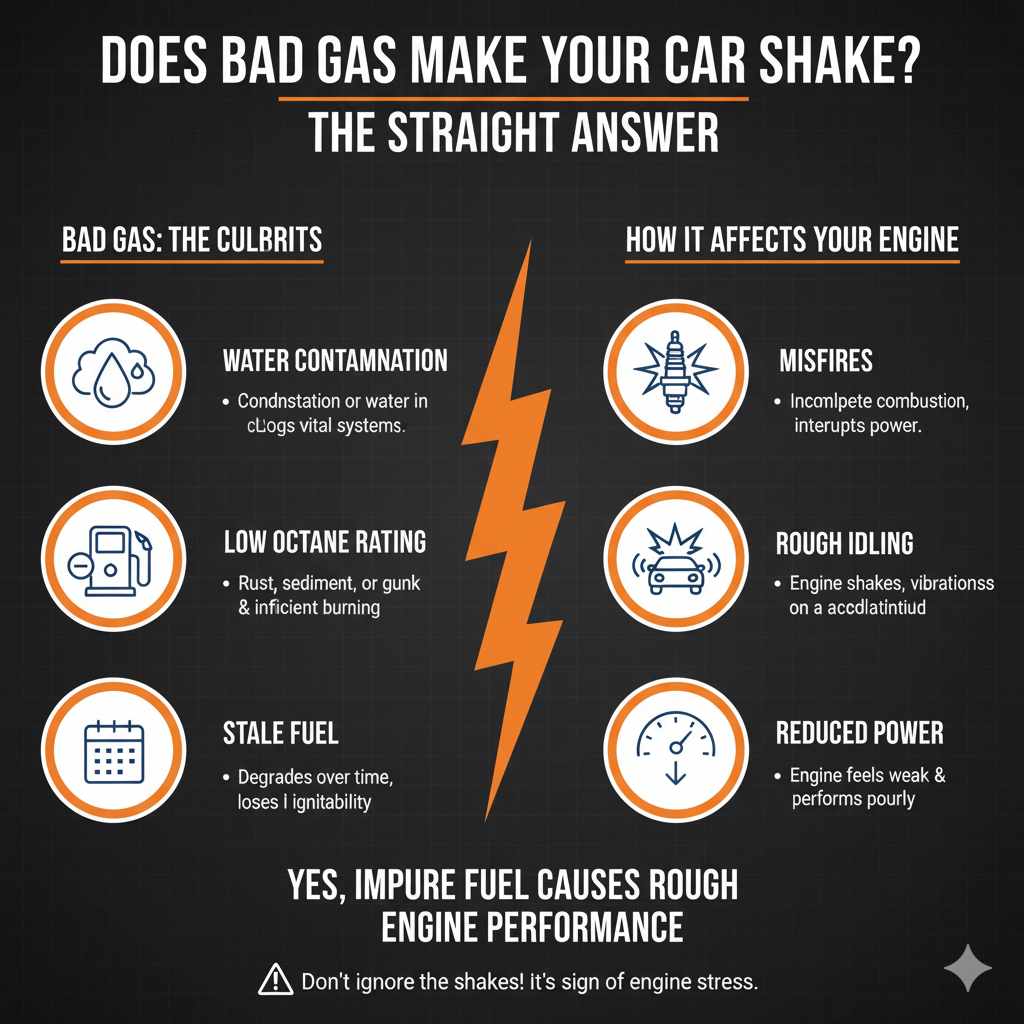
- Water Contamination: Water doesn’t mix well with gasoline and can cause significant engine problems. It can enter the fuel system through condensation in storage tanks or if water gets into the gas pump.
- Dirt and Debris: Fuel lines and the engine’s fuel injectors are very sensitive. Dirt, rust particles from tanks, or other gunk can clog these vital systems.
- Low Octane Rating: While not always “bad,” using fuel with an octane rating lower than what your car manufacturer recommends can cause pre-ignition or “knocking,” leading to rough running and shaking. Your car’s manual will specify the minimum octane needed.
- Stale Fuel: Gasoline can degrade over time, especially if the car isn’t driven regularly. Older fuel might not ignite as effectively, leading to incomplete combustion and engine issues.
How Bad Gas Affects Your Engine
When your engine receives impure or improper fuel, it struggles to combust it correctly. This can result in:
- Misfires: The spark plug might not ignite the fuel-air mixture properly, or at all. When cylinders misfire, the engine’s smooth power delivery is interrupted, causing shaking.
- Rough Idling: At a standstill, the engine might rev unevenly, or you’ll feel vibrations through the steering wheel and seats.
- Hesitation or Stumbling: When you press the accelerator, the car might hesitate before moving forward, feeling like it’s about to stall.
- Reduced Power: The engine simply won’t perform at its best, feeling sluggish and weak.
Signs Your Car Might Have Bad Gas
Besides the shaking, there are other tell-tale signs that might point to bad gas being the problem. Paying attention to these can help you diagnose the issue faster:
- Check Engine Light: Modern cars have sensors that can detect engine performance issues. A P0300 code (random/multiple cylinder misfire) is a strong indicator.
- Sputtering or Stuttering: The engine might sound like it’s struggling for air or fuel.
- Difficulty Starting: The car might crank for longer than usual before starting, or it might refuse to start at all.
- Poor Fuel Economy: If your gas mileage suddenly drops significantly, it could mean the fuel isn’t burning efficiently.
- Unusual Smells: Sometimes, contaminated fuel can produce odd odors, like a strong sulfur smell or a burning smell.
If you’ve recently filled up at a new or unfamiliar gas station, that can be a clue, too. While most gas stations are reliable, a sudden problem after a fill-up is worth noting.
Table: Common Symptoms of Bad Gas in Your Car
| Symptom | Description | Why It Happens with Bad Gas |
|---|---|---|
| Car Shakes or Vibrates | Noticeable shaking, especially at idle or low speeds. | Inconsistent fuel combustion and engine misfires. |
| Check Engine Light On | Indicator light illuminates on the dashboard. | Engine control module detects misfires or performance anomalies. |
| Engine Sputtering | The engine sounds like it’s coughing or struggling. | Fuel isn’t burning cleanly or consistently. |
| Hesitation on Acceleration | Delay or stumble when pressing the gas pedal. | Fuel delivery issues or inefficient combustion. |
| Rough Idling | Engine speed fluctuates unevenly when stopped. | Misfires happening even when the car isn’t moving. |
| Difficulty Starting | Car cranks for a long time or won’t start. | Fuel system may be clogged or engine can’t get proper ignition. |
Proven Fixes: Addressing Bad Gas Shaking
Don’t panic! If you suspect bad gas is making your car shake, there are straightforward ways to fix it. The primary goal is to remove the compromised fuel and ensure your fuel system is clean.
Step-by-Step Guide to Fixing Bad Gas Issues
Here’s a breakdown of how to tackle the problem, from easiest to more involved steps. Always prioritize safety by working in a well-ventilated area and wearing protective gear like gloves and eye protection.
- Try Higher Octane Fuel First (If Applicable): If you think the issue might be a low octane rating for your vehicle, try filling up with a higher octane fuel on your next fill-up. Sometimes, this is enough if your car is simply struggling with lower-grade fuel. However, if the shaking is severe, this might not be enough.
- Use a Fuel System Cleaner: For mild contamination or to clean out minor blockages, a good quality fuel system cleaner can be added directly to your gas tank. Follow the product’s instructions carefully. These cleaners help remove deposits from fuel injectors and lines. You can find reliable fuel system cleaners from brands like Gumout or Bosch.
-
Drain the Fuel Tank: This is often the most effective solution for significantly contaminated gas.
- Safety First: Ensure the car is parked on a level surface, the engine is cool, and there are no open flames or sparks nearby. Work in a well-ventilated area.
- Access the Fuel Pump: Many cars have an access panel for the fuel pump under the rear seat. Consult your car’s owner’s manual for its specific location.
- Disconnect and Drain: You’ll typically need to disconnect the fuel pump’s electrical connector and the fuel line. You can then run the fuel pump using a bypass wire (carefully!) or siphon the fuel out. Many mechanics use a specific tool to safely extract fuel. Place a container underneath the fuel line as you drain. It’s best to have a dedicated fuel transfer pump for this task.
- Dispose Responsibly: Old gasoline is hazardous waste. Check with your local waste disposal service or auto parts store for proper disposal methods.
-
Replace the Fuel Filter: Even after draining. the old gas may have left debris or sediment that can clog the new fuel. Replacing the fuel filter is a crucial step.
- Locate the Filter: Fuel filters are usually located along the fuel line, either under the car, near the fuel tank, or in the engine bay. Again, your owner’s manual is your best friend here.
- Replacement: You’ll need tools like wrenches and potentially a line disconnect tool. Relieve fuel pressure before disconnecting the old filter. Install the new filter, ensuring it’s oriented correctly (there’s usually an arrow indicating fuel flow). A quality fuel filter is vital for long-term engine health, and brands like Fram or Wix offer reliable options.
- Refuel with Quality Gas: Once the tank is drained (and potentially the filter replaced), refill your tank with fresh, high-quality gasoline from a reputable station. Consider using a Top Tier™ gasoline, which is formulated with higher levels of detergents to help keep your fuel system clean. You can find a list of Top Tier™ stations on their official website.
- Reconnect and Start: Reconnect the fuel pump and any lines, ensure everything is secure, and turn the ignition key to the ‘on’ position a few times before starting the engine to prime the fuel system. Then, start the car. It might take a moment to run smoothly as the new fuel circulates.
When to Call a Professional
While these steps are manageable for many DIYers, it’s good to know when to seek professional help. If you’re uncomfortable draining the fuel tank, can’t locate your fuel filter, or the problem persists after these steps, it’s time to consult a mechanic. They have the specialized tools and expertise to diagnose and fix more complex fuel system issues.
Preventing Bad Gas Problems in the Future
The best way to deal with bad gas is to avoid it altogether! Here are some tips to keep your fuel system happy:
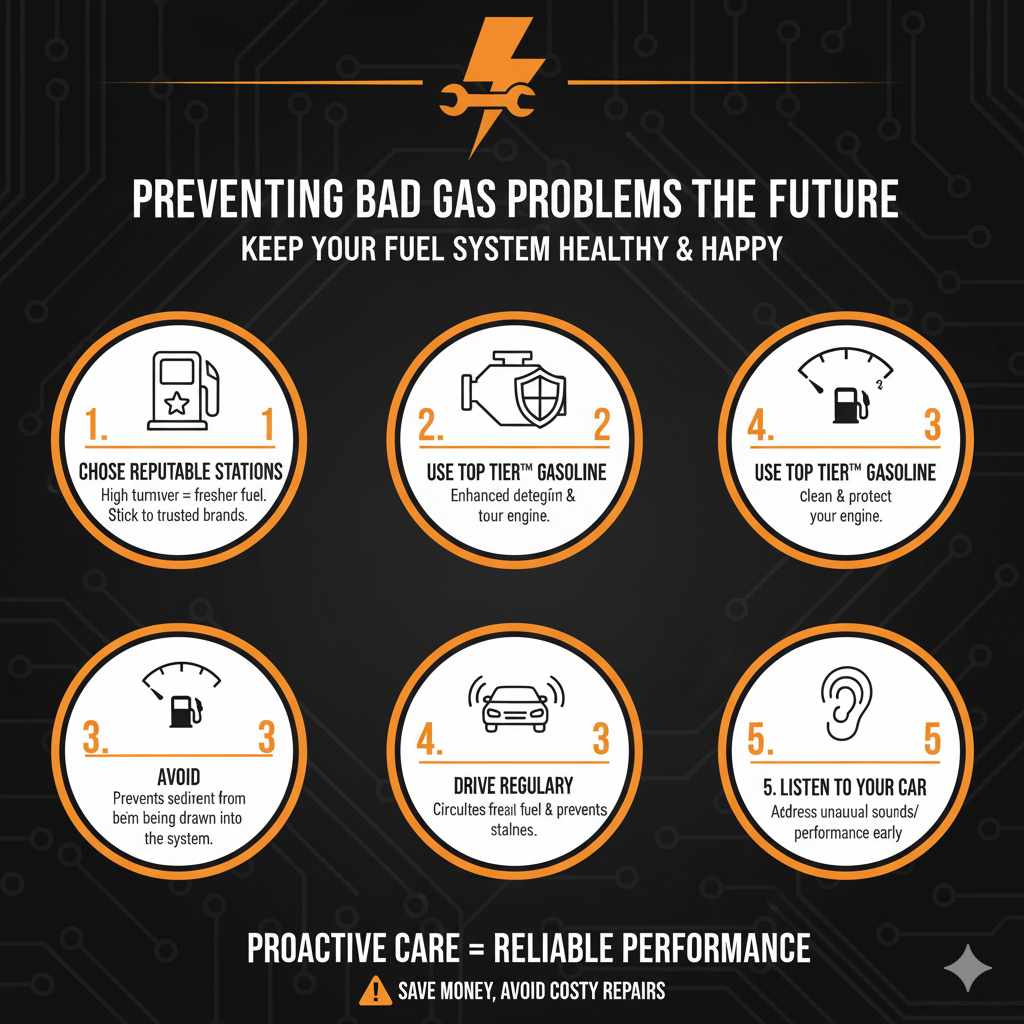
- Choose Reputable Gas Stations: Stick to well-known brands and stations that have high turnover, meaning the fuel is likely fresher.
- Consider Top Tier™ Gasoline: As mentioned, these fuels have enhanced detergent packages that clean and protect your engine. Learn more about why Top Tier™ gasoline is recommended by many manufacturers.
- Avoid Running on Empty: Letting your fuel tank get too low can sometimes draw sediment from the bottom of the tank into your fuel system. Running on the lowest quarter tank is generally good practice.
- Drive Your Car Regularly: Stale fuel is more common in cars that sit for long periods. Regular driving helps circulate and burn fresh fuel.
- Listen to Your Car: Pay attention to any unusual sounds or performance changes. Addressing small issues early can prevent bigger, more expensive problems.
Frequently Asked Questions (FAQ)
Q1: Can bad gas damage my car’s engine?
A: Yes, prolonged use of bad gas can lead to engine damage. Water contamination can cause corrosion and rust in the fuel tank and lines, while debris can clog fuel injectors. This can lead to expensive repairs over time.
Q2: How long does it take for bad gas to cause shaking?
A: The onset can be quick. As soon as the compromised fuel reaches the engine and disrupts combustion, you might notice shaking or rough running. Severe contamination can cause immediate issues.
Q3: Is it safe to drive with bad gas?
A: It’s not ideal. While you might be able to drive short distances, the consistent shaking and potential for misfires can put stress on other engine components. It’s best to address the issue as soon as possible.
Q4: What’s the difference between bad gas and a clogged fuel filter?
A: Bad gas is the fuel itself being contaminated or of poor quality. A clogged fuel filter is a component that has become blocked, usually by debris that might have been in bad gas or from normal wear and tear. They are often related issues, but distinct.
Q5: Can I just add a fuel additive without draining the gas?
A: For very mild contamination or to prevent issues, a good fuel system cleaner (an additive) can sometimes help. However, if the gas is significantly contaminated with water or debris, simply adding a cleaner might not be enough, and draining the tank is the recommended fix.
Q6: How much does it cost to fix bad gas issues?
A: If you do it yourself and only need to drain gas and replace a fuel filter, the cost can be relatively low (around $30-$100 for parts like a filter and a few gallons of good gas). Professional service can cost anywhere from $150 to $500 or more, depending on the labor involved and if other parts are found to be damaged.
Conclusion
Dealing with a shaky car can be a stressful experience, but understanding the signs and causes, like bad gas, empowers you to take action. We’ve seen that indeed, bad gas can make your car shake, often due to contamination or low quality leading to engine misfires and rough running. The good news is that with simple steps like draining the fuel, replacing the fuel filter, and refilling with quality gasoline, you can often resolve the issue and restore your car’s smooth performance.
Remember to always prioritize safety when working on your car and don’t hesitate to seek professional help if you’re unsure. By following these tips and staying proactive with your car maintenance, you can keep your vehicle running reliably and confidently, page by page, mile by mile.