Where Is the Fuel Filter Located? (Often Inside the Tank)
The fuel filter sits along the fuel line between the tank and engine — but on most cars built since 2005, it is inside the fuel tank as part of the fuel pump module. Skipping cleaning it can starve the engine of fuel, causing stalling and rough idle. This guide covers where to look by car type, the tools you need, and whether your filter is even separately replaceable.
Fuel Filter Basics
The fuel filter stops dirt and rust from reaching the engine. It keeps the fuel clean and protects the engine parts. Clean fuel means the engine runs smoothly and lasts longer.
There are two main types of fuel filters: inline and cartridge. Inline filters are placed on the fuel line outside the tank. Cartridge filters are inside the fuel tank and need special tools to replace.
| Type | Location | Replacement |
|---|---|---|
| Inline Fuel Filter | On fuel line, outside tank | Easy to replace |
| Cartridge Fuel Filter | Inside fuel tank, part of pump module | Needs tools, harder — often not separately serviceable |
Is the Fuel Filter Inside the Fuel Tank? (And Can You Replace It Yourself?)
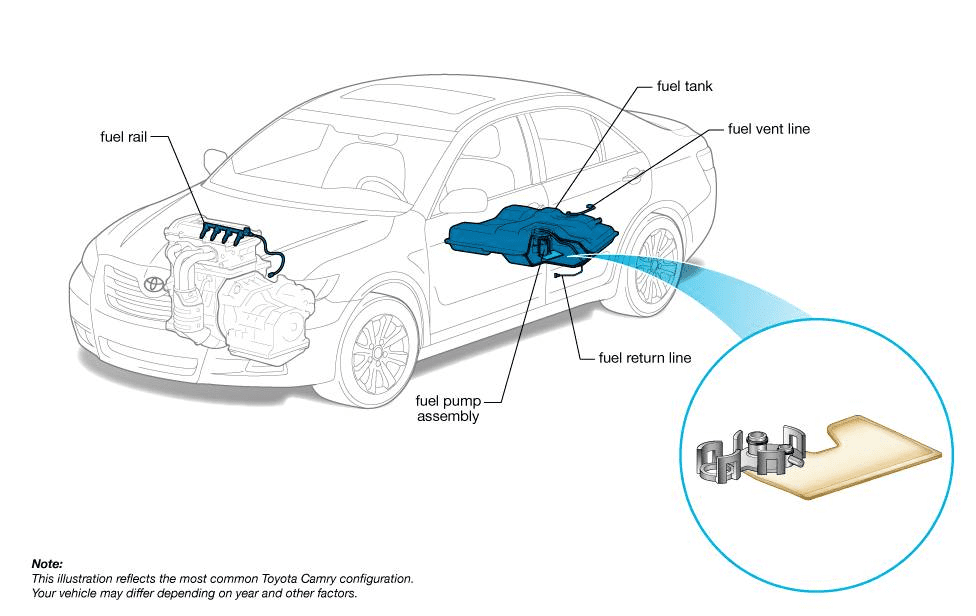
On most vehicles built since 2005, yes — the fuel filter is mounted inside the fuel tank as part of the fuel pump module, submerged in fuel alongside the pump, sender unit, and strainer sock. This isn’t a design flaw; running submerged keeps the pump cooler and quieter and reduces vapor lock risk.
The catch is serviceability. Some in-tank filters, like the one on a 2002 Toyota Corolla, are replaceable on their own once you access the pump module. On many other modern vehicles, the filter is sealed into the module as a non-serviceable component — because the filter media is oversized to last the life of the pump, the entire module gets replaced as one unit instead. Older vehicles and many trucks with an inline filter along the external fuel line are almost always separately replaceable with basic hand tools.
Before doing any of this yourself, the fuel system needs to be depressurized. Pull the fuel pump relay from the fuse box, then start the engine and let it run until it stalls out — this bleeds off the residual pressure in the lines so fuel doesn’t spray when you disconnect a fitting.
Common Fuel Filter Locations
The fuel filter is usually found in three common places. One is under the hood, near the engine. Here, it is easy to check and change.
Another place is near the fuel tank, often under the car. This spot is common in newer cars.
The third location is along the fuel line, between the tank and the engine. It may be inside a metal or plastic casing for protection.
Locating The Fuel Filter By Car Type
Sedans and hatchbacks usually have the fuel filter near the fuel tank or along the fuel line under the car. It is often inside a metal or plastic casing. Sometimes, it is near the engine bay, close to the firewall.
SUVs and trucks often have the fuel filter mounted on the frame rail under the vehicle. It can also be inside the engine compartment. The larger size of these vehicles means the filter is easier to spot.
Some models have well-documented spots — for example, 1995-2002 Honda Accords keep the fuel filter near the brake master cylinder at the back of the engine, and the 2002 Toyota Corolla’s filter sits under the rear seat cushions as part of the fuel pump assembly. Checking your owner’s manual for the diagram saves time over guessing.
| Engine Type | Fuel Filter Location |
|---|---|
| Diesel Engines | Fuel filters are usually larger and near the fuel tank or engine. They often have water separators. |
| Gasoline Engines | Fuel filters tend to be smaller and placed along the fuel line or inside the fuel pump assembly. |
Best Fuel Filter Pick
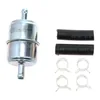
WIX 33033 Universal In-Line Fuel Filter
WIX is a long-established OEM-quality filter brand with a 60-PSI rated clamp-on inlet/outlet that fits most 3/8-inch fuel lines
- Best for: A reliable drop-in inline filter for older carbureted or throttle-body-injected vehicles with an accessible fuel line
- Why we picked it: WIX is a long-established OEM-quality filter brand with a 60-PSI rated clamp-on inlet/outlet that fits most 3/8-inch fuel lines
- Main drawback: Only fits vehicles with an accessible external fuel line — not for filters integrated inside the fuel tank
Compare more fuel filters options
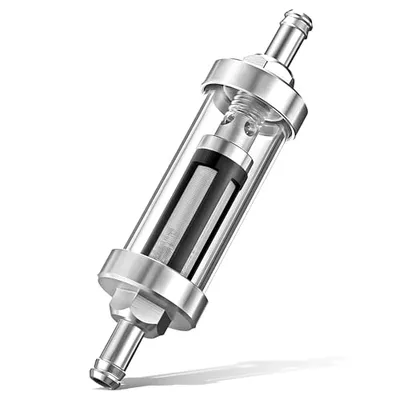 Option 1 1 Pack Inline Fuel Filter Replacement for 81-0300 Motorcycle Fuel Filter
|
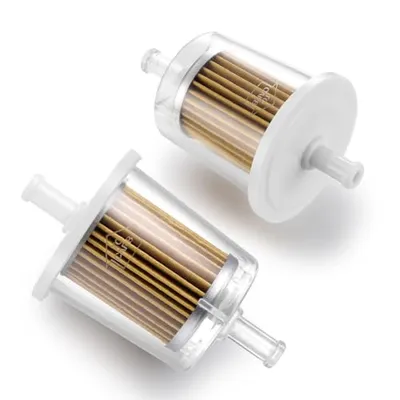 Option 2 FUEL FILTER INDUSTRIAL HIGH PERFORMANCE UNIVERSAL INLINE GAS FILTER 5/16″ 2 Pack
|
 Option 3 Lisle 37000 Fuel Line Disconnect Tool Set
|
As an Amazon Associate we earn from qualifying purchases.
Tools Needed To Find The Fuel Filter
Basic tools needed include a wrench, screwdrivers, and pliers. A flashlight helps to see in dark spaces under the car or engine bay. Gloves protect your hands from dirt and sharp parts. Rags or paper towels are useful to clean up fuel spills quickly.
Safety equipment is very important. Safety glasses protect your eyes from fuel splashes. A fire extinguisher nearby is a smart choice in case of accidents. Make sure to work in a well-ventilated area to avoid breathing harmful fumes.
“You might need wrenches, a simple pocket screwdriver to remove plastic clips, or you may need special tools.” — Richard McCuistian, ASE Certified Master Automobile Technician, CarParts.com
Step-by-step Fuel Filter Search
- Park the car on a flat surface, turn off the engine, and set the parking brake.
- Pull the fuel pump relay from the fuse box, then crank the engine until it stalls to relieve fuel system pressure.
- Check under the car along the fuel line — some cars have the filter inside the engine bay instead.
- Use the vehicle’s owner’s manual to confirm the exact location; the diagrams save time and avoid confusion.
- If the filter is inside the fuel tank, you may need to drop the tank or access it through a panel under the rear seat.
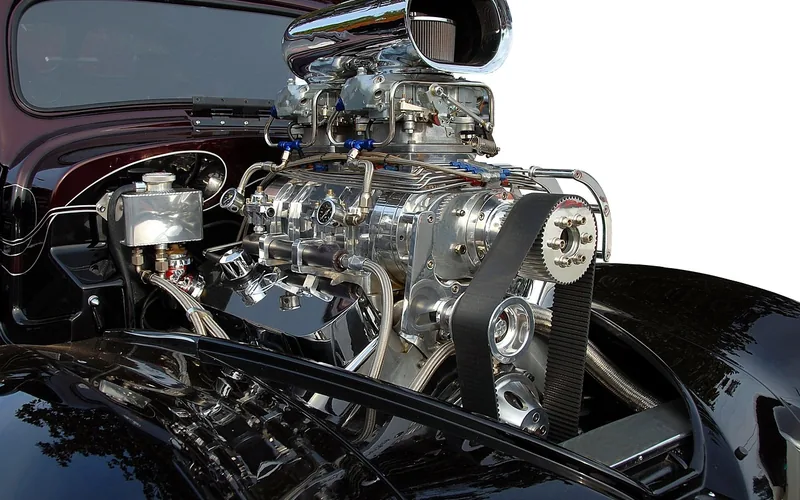
Signs Of A Clogged Fuel Filter
Engine performance may suffer when the fuel filter clogs. The engine might stall or hesitate during acceleration. It can also cause rough idling, making the car shake or vibrate. These problems happen because the engine isn’t getting enough clean fuel. If your car stops running while driving, a clogged filter starving the engine of fuel is one of the most common causes worth ruling out.
Fuel efficiency drops too. The car uses more gas than usual. This happens as the engine works harder to get fuel through the clogged filter. You might notice more stops at the gas station. This wastes money and harms the environment.

📊 Fuel filter replacement typically costs $80–$300 for gas vehicles and $150–$450 for diesel — tank-mounted filters cost more because they require fuel system depressurization and tank access. DIY replacement (filter only) usually runs $10–$70. Source: RepairPal, 2026
When To Replace The Fuel Filter
Car makers often say to change the fuel filter every 20,000 to 40,000 miles. Some cars use longer intervals, so check your owner’s manual — and remember that on many modern vehicles with an in-tank filter integrated into the pump module, there’s no separate scheduled replacement at all; the whole module is designed to last the vehicle’s life.
Aftermarket guides may suggest changing an external inline filter more often, like every 15,000 to 30,000 miles. This helps avoid clogs and poor fuel flow. Dirt and rust in fuel — or using a lower grade fuel than what your car actually needs — can accelerate wear on the filter.
Signs you need a new filter:
- Engine misses or runs roughly
- Car stalls or is hard to start
- Lower fuel efficiency
Regular changes protect your car’s fuel system and engine parts. Do not wait too long to replace the filter — and if your car stalls even though the tank isn’t empty, a clogged filter is worth checking before assuming it’s a fuel-level issue.
Frequently Asked Questions
Where Is The Fuel Filter Located In Most Cars?
The fuel filter is usually found along the fuel line, either near the fuel tank or the engine. In many cars, it’s under the vehicle or inside the engine bay. On most vehicles built since 2005, it’s inside the fuel tank as part of the pump module. Location varies by model, so checking the owner’s manual helps.
How Can I Identify The Fuel Filter In My Car?
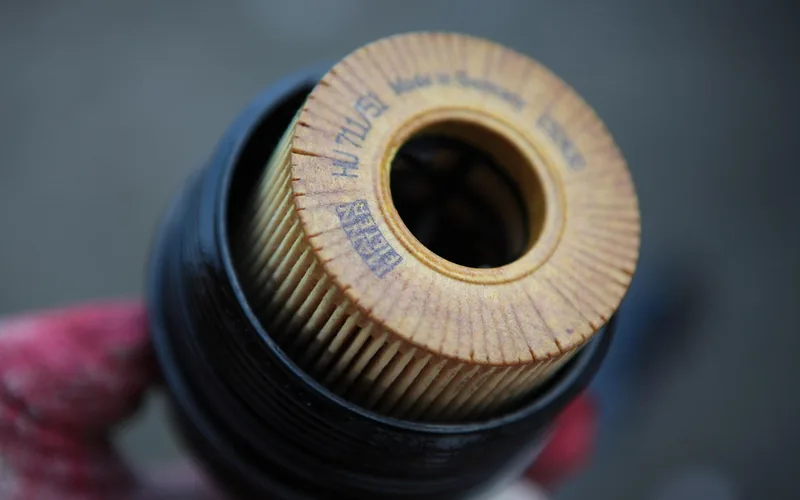
The fuel filter is a small, cylindrical component connected to fuel lines. It often has metal or plastic housing with inlet and outlet pipes. Look for a part between the fuel tank and engine, sometimes near the fuel pump.
Is The Fuel Filter Inside The Fuel Tank?
On most vehicles built since 2005, yes. The filter is mounted inside the fuel tank as part of the fuel pump module, submerged in fuel alongside the pump and sender unit. Older vehicles more often use an external filter along the fuel line under the car or in the engine bay.
Can You Replace A Fuel Filter Yourself?
Yes, if it’s an external inline filter — this is a straightforward DIY job with basic hand tools after relieving fuel system pressure. In-tank filters that are integrated into the pump module are often non-serviceable on their own, meaning the whole module needs replacing, which is a bigger job best left to a mechanic.
Does The Fuel Filter Location Affect Replacement Difficulty?
Yes, fuel filter location impacts replacement ease. Filters under the car or near the fuel tank require lifting the vehicle. Engine bay filters are easier to access. Knowing the location helps plan tools and safety measures before replacement.
Can A Clogged Fuel Filter Affect Car Performance?
A clogged fuel filter restricts fuel flow, causing poor engine performance. Symptoms include engine hesitation, stalling, or reduced power. Regular inspection and timely replacement ensure smooth fuel delivery and optimal engine function.
Conclusion
Finding the fuel filter in your car is simpler than it seems once you know whether it’s external or built into the fuel pump module. It often sits near the fuel tank or engine, or inside the tank on newer vehicles. Checking it regularly — where that’s even possible — helps keep your engine healthy. Clean fuel means better performance and fewer problems, and knowing its location saves time and money on repairs.
Products related to this article
Sponsored / affiliate links. As an Amazon Associate I earn from qualifying purchases. I may earn additional commission from eligible campaigns.