Does Coolant Affect Ac In A Car? What You Should Know
It’s a hot day. You hop in your car, turn on the air conditioning, and… nothing. Just warm air.
This is frustrating, especially when you expect cool relief. Many things can cause AC to fail. One question that pops up is whether your car’s engine coolant plays a role.
It seems odd, right? Coolant keeps the engine from overheating. AC cools the cabin.
How could they be linked? We’re going to dive into this connection.
The direct answer is that engine coolant itself doesn’t directly cool your car’s AC system. However, a coolant leak or a problem with the engine’s cooling system can indirectly affect AC performance, often leading to reduced cooling or complete AC failure. This is because some cars use shared components or heat exchangers that rely on coolant flow.
How Your Car’s AC Works
Let’s start with how your car’s air conditioning works. It’s a closed system. It uses a special fluid called refrigerant.
This refrigerant cycles through different parts. First, it’s a liquid. Then it turns into a gas.
This change in state pulls heat from the air inside your car. A fan then blows this cooler air into the cabin. The system includes parts like a compressor, condenser, expansion valve, and evaporator.
Each part does a specific job to make the magic happen. It’s a clever bit of engineering.
The compressor is like the heart of the system. It pumps the refrigerant. It increases its pressure and temperature.
The condenser, usually in front of the car, then cools this hot gas. It turns it back into a liquid. This liquid flows through an expansion valve.
This valve lowers its pressure and temperature. The cold, low-pressure liquid then enters the evaporator. This part is inside your car’s dashboard.
It absorbs heat from the cabin air. The refrigerant becomes a gas again. Finally, the compressor restarts the cycle.
Think of it like a refrigerator. It moves heat from inside the box to the outside. Your car’s AC does the same for your car’s interior.
It takes heat from the air you breathe. It dumps that heat outside the vehicle. This whole process needs the refrigerant to flow correctly.
It also needs the right pressure. And it needs to stay a closed loop. Any break in this loop can cause issues.
The Link: Coolant and Your AC
Now, how does engine coolant fit in? Engine coolant, or antifreeze, is vital for your car’s engine. It stops the engine from getting too hot.
It also stops it from freezing in cold weather. It circulates through the engine block. It picks up heat.
Then it goes to the radiator. The radiator releases this heat to the outside air. This process keeps your engine running at its ideal temperature.
The connection between coolant and AC is often indirect. It’s usually related to shared components or system design. Some cars have a heater core.
This small radiator lives inside your dashboard. It uses hot engine coolant to warm the cabin air in the winter. This is separate from the AC, but it shows how coolant can be near AC parts.
In more modern vehicles, there can be a shared cooling loop. Some systems use a heat exchanger that can be influenced by coolant temperature. If your engine is overheating due to a coolant issue, it can stress other systems.
This includes the AC. The car’s computer might even reduce AC performance. It does this to help the engine cool down.
This is a safety feature.
Also, a coolant leak is a common problem. If that leak happens to be near an AC component, it can cause damage. Or it could contaminate the AC refrigerant.
This is rare, but it can happen. A significant engine overheat could also put extra strain on the AC compressor. This could lead to premature wear or failure.
So, while coolant doesn’t actively cool your AC, a problem with the coolant system can definitely cause your AC to stop working. It’s like having a fever. You might feel weak all over.
Your whole body is affected. An engine overheat can similarly affect your car’s overall performance.
Signs of Coolant Problems Affecting AC
How can you tell if a coolant issue is making your AC blow warm? You might notice a few things. First, your engine temperature gauge might be higher than normal.
It might even be in the red zone. This is a clear sign of an overheating engine. When this happens, your AC might start blowing warm air.
You might also see a coolant leak under your car. The coolant is usually a bright color, like green, pink, or orange. If you see puddles of this color, that’s a bad sign.
A coolant leak means your system isn’t holding the right amount of fluid. This can lead to overheating.
Another sign is a sweet smell. Leaking coolant often has a distinct sweet odor. You might smell this inside or outside the car.
If you notice this smell along with AC problems, it’s worth investigating the cooling system.
Sometimes, the AC will work, but not as well as it used to. The air might not be as cold. This could be a sign that the engine is running hotter than it should.
The car’s computer might be reducing AC output to compensate. Or the heat from an overworked engine is affecting the AC components.
Listen for unusual noises. A struggling cooling system or a stressed AC compressor can make strange sounds. This could be a whine, a hiss, or a clunk.
These noises, combined with poor AC performance, point to a potential problem. It could be in either system or where they connect.
Personal Experience: The Day the AC Died (and the Engine Was Angry)
I remember one sweltering July afternoon. The kind where the air itself feels thick and heavy. I was driving back from a client meeting, already tired.
I turned on my AC, expecting that instant blast of cool air. Instead, I got a pathetic puff of warm, humid air. My heart sank.
This car is my mobile office, and without AC, I felt like I was in a sauna.
I fiddled with the controls. Max AC, all the vents open, nothing changed. Then, I glanced at my dashboard.
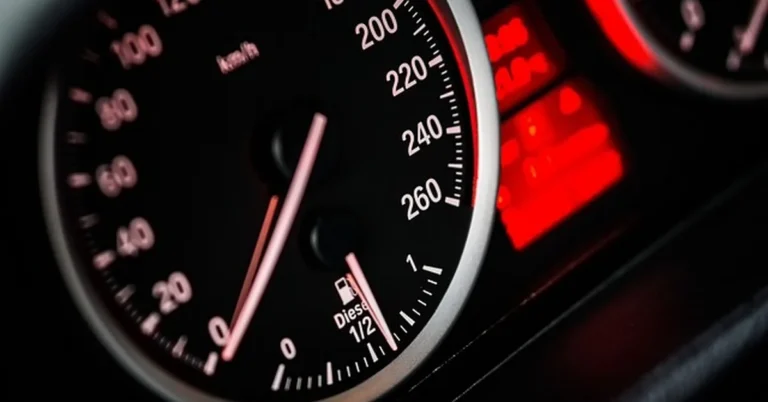
The temperature gauge was creeping up. Higher than I’d ever seen it. It was nudging towards the red.
Panic started to set in. I was miles from anywhere. My phone battery was low.
And I was getting seriously uncomfortable.
I pulled over to the side of the road. I popped the hood, even though I’m not much of a mechanic. Steam was gently rising from the engine.
I could smell a faint, odd, sweetish odor. My stomach dropped. I knew about engine coolant.
I knew it kept the engine cool. And I knew, with that temperature gauge soaring, that my engine was very, very unhappy. It hit me then.
The AC wasn’t the primary problem. The overheating engine was. And the overheating was likely caused by a lack of coolant.
My AC was suffering because my engine was sick.
I waited for the engine to cool down a bit. I carefully opened the coolant reservoir. It was almost empty.
I happened to have a bottle of water in the car. I knew it wasn’t ideal, but it was better than nothing. I slowly poured it in.
The engine started to cool down. Once it was in a safer range, I turned the AC back on. It sputtered, then started to blow cool air again.
It wasn’t as cold as before, but it was relief. That day taught me a valuable lesson. The car’s systems are all connected.
A problem in one can quickly spread to others. Especially when it comes to something as crucial as engine temperature.
Quick Check: Coolant Level
Why check? A low coolant level is the most common reason a coolant issue affects AC. It means the engine might overheat.
What to do: When the engine is COLD, find the coolant reservoir. It’s usually a translucent plastic tank near the radiator. Look for the “MIN” and “MAX” lines.
Is the fluid level between them? If it’s low, you might have a leak.
Safety first: NEVER open a hot radiator cap. The system is under pressure. Hot coolant can spray out and cause severe burns.
Common Causes of Coolant Issues Affecting AC
So, what actually causes these coolant problems that can impact your AC? There are several common culprits. Understanding them can help you spot issues early.
The most frequent offender is a coolant leak. These leaks can happen in many places. Hoses can crack or become loose.
The radiator can develop tiny holes. The water pump might start to drip. Even the seals around the engine itself can fail over time.
A leaky hose clamp is an easy fix. A radiator leak might need replacement. A water pump is a more involved repair.
Another issue is a faulty thermostat. The thermostat controls the flow of coolant. It opens when the engine gets hot enough.
This lets coolant go to the radiator. If the thermostat gets stuck closed, coolant can’t reach the radiator. The engine overheats.
This will then affect the AC. If it stays stuck open, the engine might take too long to warm up, which isn’t good for efficiency or emissions, but usually won’t cause AC issues directly unless it leads to other problems.
Blockages in the cooling system are also a problem. Over time, rust and sediment can build up. This can clog up the radiator or the heater core.
It can also block the small passages within the engine block. This prevents coolant from flowing freely. A flushed cooling system can often fix this.
But severe blockages might require part replacement.
The radiator fan is another component. This fan pulls air through the radiator. It helps cool the coolant, especially when the car is moving slowly or stopped.
If the fan motor fails, or if its sensor is bad, it won’t turn on. This leads to overheating, especially in stop-and-go traffic. And that means no cold air from your AC.
A weak or failing water pump can also cause trouble. The water pump is what circulates the coolant. If it’s not pumping effectively, the coolant won’t move.
This will lead to hot spots in the engine. And the cooling system won’t do its job. Overheating follows, and so does AC failure.
Contrast Matrix: Normal vs. Concerning
| Observation | Normal (Usually OK) | Concerning (Needs Attention) |
|---|---|---|
| Engine Temp Gauge | Stays in the middle range. | Climbs towards red or into red zone. |
| AC Performance | Blows consistently cold air. | Blows warm or weak air, especially when stopped. |
| Under-Car Puddles | Clear water (condensate from AC), dries up. | Brightly colored liquid (green, pink, orange). Sweet smell. |
| Engine Bay Smell | No unusual odors. | Sweet, syrupy smell. Burning smell. |
How Overheating Affects AC Performance
When your car’s engine overheats, it’s not just the engine that suffers. The entire vehicle’s performance can be impacted. This includes your air conditioning.
Modern cars have complex computer systems. These systems monitor various engine parameters. They aim to protect the engine from damage.
One of the first things a car’s computer might do when it detects overheating is to reduce the AC’s cooling output. This is a form of load shedding. The AC compressor draws a lot of power from the engine.
By reducing the AC’s workload, the computer tries to reduce the strain on the engine. This allows the engine to cool down more efficiently. So, your AC might start blowing warmer air as the engine temperature rises.
In some cases, the car’s computer might even shut off the AC compressor entirely. This is a more extreme measure. It happens when the engine is dangerously hot.
The goal is to prevent serious engine damage. This means you’ll get no cool air at all. It’s a clear sign that you need to address the engine cooling problem immediately.
Beyond the computer’s actions, high engine temperatures can also affect the AC system physically. The AC condenser sits in front of the radiator. If the radiator is struggling to dissipate heat, the condenser will also be hotter.
This makes it harder for the refrigerant to cool down and condense. This reduces the AC’s overall efficiency. The warmer the condenser, the less effective the AC becomes.
Extreme overheating can even damage AC components. High heat can degrade seals and hoses. It can cause lubricants within the AC system to break down.
In severe cases, it could even lead to a catastrophic failure of the AC compressor. This would be a very expensive repair. It highlights why addressing engine cooling issues promptly is crucial for the health of your entire car.
What Happens If Coolant Contaminates the AC System?
This is a serious scenario. While rare, it’s possible for engine coolant to get into the AC system. This usually happens if there’s a significant failure of a shared component, like a blended component in newer vehicles, or a leak that crosses paths.
It’s not like a small drip. It’s usually a more dramatic event.
If coolant enters the AC system, it can cause a lot of damage. Coolant is not designed to be in the AC’s refrigerant lines. It’s corrosive and can break down the internal seals and O-rings within the AC system.
This can lead to further leaks and component failures.
The moisture and contaminants in the coolant can also gum up the expansion valve and the orifice tube. These are tiny parts that control refrigerant flow. If they get clogged, the AC system won’t be able to regulate pressure properly.
This leads to poor cooling or no cooling at all.
Most importantly, coolant contamination can damage the AC compressor. The compressor relies on clean refrigerant and specific lubricants. If it ingests coolant, the internal parts can be damaged.
This often means the compressor needs to be replaced. This is a very costly repair. It’s also a messy one.
If you suspect coolant has entered your AC system, do not try to use the AC. The damage could worsen. The entire AC system would need to be professionally flushed.
This means removing all refrigerant and oil. Then, the system is cleaned thoroughly. New refrigerant oil and refrigerant are then added.
Often, several components, like the compressor and receiver-drier, need to be replaced as a precaution. It’s a major repair.
Stacked Micro-Sections: Signs of Trouble
Engine Temperature Warning Light: If this light flashes on your dashboard, pull over safely. It means your engine is too hot.
Sweet Odor: A syrupy, sweet smell from under the hood or inside the car can indicate a coolant leak.
Steam from Engine Bay: Seeing steam can mean the engine is severely overheating, likely due to a coolant issue.
Reduced AC Performance: If your AC is blowing warm, especially when your engine temperature is high, the cooling system is likely the root cause.
Visible Leaks: Puddles of brightly colored fluid under your car are a tell-tale sign of a coolant leak.
When Your AC is the Cause of Engine Issues (The Other Way Around!)
It’s interesting to note that sometimes, the AC system itself can cause problems for the engine. This is less common than the coolant affecting the AC, but it can happen. The AC compressor draws significant power from the engine.
If the AC compressor is failing or seized, it can put an enormous drag on the engine. This can cause the engine to overheat. It can also cause the engine to stall, especially at low speeds.
This is because the engine is struggling to turn the faulty AC compressor.
Another issue is a blocked AC condenser. If the condenser is extremely dirty or blocked with debris, it can restrict airflow. This makes the AC work harder.
While this typically impacts AC performance, in extreme cases, the extra load and heat generated could indirectly affect engine cooling.
Also, a refrigerant leak in the AC system can sometimes draw in air. If air gets into the AC system, it can cause it to work inefficiently. This might make the compressor run longer and harder.
This increased run time could contribute to engine heat if the system is already struggling with cooling. It’s a complex interplay.
However, the most direct link is usually the engine overheating due to a coolant problem. The AC is more of a victim in that scenario. The engine is the one in distress.
What This Means for You: When is it Normal? When to Worry?
It’s important to know when a slight temperature fluctuation is normal and when it’s a sign of trouble. Most cars’ engine temperature gauges stay pretty steady. They sit in the middle of the gauge.
When it’s Normal:
- After starting a cold engine, the temperature will rise to its normal operating range. This is fine.
- Driving uphill or in very hot weather might cause the temperature to rise slightly, but it should still stay within the normal range.
- The AC might blow slightly less cold when the car is idling for a long time in very hot weather. This is often due to reduced airflow through the condenser.
When to Worry:
- The temperature gauge consistently stays in the upper half of the gauge. This is a warning.
- The temperature gauge moves into the red zone. This is an emergency. Pull over safely and turn off the engine.
- You see steam coming from under the hood. This indicates severe overheating.
- You notice bright colored puddles under your car. This is a coolant leak.
- You smell a sweet odor. This is likely a coolant leak.
- Your AC suddenly stops blowing cold air, especially when the engine temperature is high. This is a strong indicator of a cooling system problem affecting the AC.
If you notice any of these “worry” signs, it’s time to get your car checked. Ignoring them can lead to much more expensive repairs down the road. It can also put you in a dangerous situation if your car breaks down.
Quick Scan: Essential Checks
Check Coolant Level: Regularly. (Engine COLD)
Observe Temp Gauge: Watch it while driving.
Look for Leaks: Check under the car after parking.
Smell for Sweetness: Be aware of unusual odors.
Listen for Noises: Strange sounds from the engine bay.
Simple Checks and Tips
You don’t need to be a master mechanic to do a few basic checks. These can help you catch problems early.
1. Check Your Coolant Level: This is the easiest and most important check. Do this when your car’s engine is completely cold.
Open the hood and locate the coolant reservoir. It’s usually a plastic tank with MIN and MAX lines. If the level is below the MIN line, you need to add coolant.
Use the type recommended in your car’s owner’s manual. If you have to add coolant often, you likely have a leak.
2. Inspect Hoses and Belts: Look at the rubber hoses that carry coolant. Are they cracked, bulging, or brittle?
Squeeze them gently (when cold). They should feel firm, not mushy or rock hard. Also, check the drive belts.
Are they frayed or loose? A damaged belt can affect the water pump.
3. Keep the Radiator Area Clean: The radiator and the condenser in front of it need good airflow. Make sure they aren’t blocked by leaves, bugs, or road debris.
You can gently rinse them with a hose if they look dirty. Be careful not to bend the delicate fins.
4. Listen for Strange Noises: Pay attention to any new sounds your car makes. A whining noise might indicate a failing water pump bearing.
A hissing sound could be a small coolant leak escaping under pressure.
5. Get Regular Maintenance: Follow your car manufacturer’s recommended maintenance schedule. This includes coolant flushes and checks.
A mechanic can spot potential problems you might miss. They have the tools and expertise.
If you suspect a coolant leak, don’t delay. A small leak can quickly turn into a big problem. It could leave you stranded.
Or cause damage that costs a lot to fix. Address it as soon as you notice it.
Frequently Asked Questions
Can I put water in my car’s coolant system if I have an AC problem?
In an emergency, like my personal experience, adding water can help you get to safety or a repair shop. However, water alone does not offer freeze protection or boil-over protection. It also lacks the corrosion inhibitors found in proper coolant.
If you add water, you should have the system flushed and refilled with the correct coolant mixture as soon as possible.
How often should I check my car’s coolant level?
It’s a good habit to check your coolant level at least once a month. You should also check it before any long road trips. Always check it when the engine is cold.
What is the difference between coolant and AC refrigerant?
Engine coolant (antifreeze) circulates through your engine to regulate its temperature. AC refrigerant is a special fluid that cycles through your AC system to remove heat from the cabin air. They are entirely different fluids and serve separate purposes.
They should never be mixed.
My AC is blowing warm, but my engine temperature is normal. What could be the issue?
If your engine temperature is normal, the problem is likely within the AC system itself. Common causes include low refrigerant levels (due to a leak), a faulty compressor, a clogged expansion valve or orifice tube, or a problem with the blower motor or blend doors inside the dashboard.
Can a bad water pump affect both engine cooling and AC?
Yes. The water pump is responsible for circulating the engine coolant. If the water pump is failing, it cannot circulate coolant effectively.
This leads to engine overheating, which, as we’ve discussed, can cause the AC to blow warm air. So, a bad water pump can indeed affect both systems.
Is it normal for my car to use a little bit of coolant over time?
A very small amount of coolant loss over a long period might occur due to normal evaporation from the system’s seals. However, if you find yourself needing to top off the coolant reservoir frequently (more than once every few months), it’s a strong indication of a leak that needs to be addressed.
Conclusion
So, while engine coolant doesn’t directly cool your AC, their relationship is undeniable. A healthy cooling system is key to a well-functioning AC. Pay attention to your engine temperature.
Watch for leaks and unusual smells. These are your car’s ways of telling you something is wrong. Keeping your cooling system in top shape will help ensure your AC keeps you cool when you need it most.
Products related to this article
Sponsored / affiliate links. As an Amazon Associate I earn from qualifying purchases. I may earn additional commission from eligible campaigns.