Does Car Insurance Cover Broken Windows? A Straight Answer
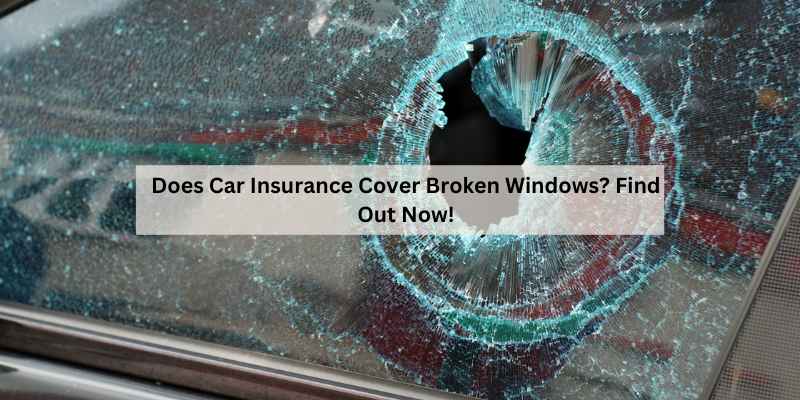
You walk out to your car after work, and there it is: a pile of glass on the driver’s seat, maybe a brick on the floor mat. Or you’re driving down the highway and a rock the size of a quarter smacks your windshield, leaving a spiderweb crack that’s growing by the minute. Your first thought isn’t about the glass. It’s about the money.
So does car insurance cover broken windows? The short answer is yes, most of the time, but only if you have the right coverage. And whether you should actually file a claim is a separate question entirely — one that depends on your deductible, your state, and your tolerance for a premium increase. This guide walks you through every scenario so you can make a smart call before you pick up the phone.

Rain-X
Rain-X 600001 Windshield Repair Kit for Chips,…
- Stops The Spread of Chips and Cracks - Rain-X Windshield Repair Kit Helps You Minimize The Appearance And Stop The Spread Of Chips…
- Easy To Use - Everything You Need Is Included, Takes Only Minutes With Minimal Steps. For Cracks Simply Apply Resin To Crack Then…
- Durable Resin Formula - Use Durable Resin To Make Windshields Stronger Than Before, Repairing All Types Of Laminated Windshields U…
You’ll learn exactly which coverage pays for what, what a replacement actually costs in 2026, and when paying out-of-pocket is the smarter financial move. We’ll also cover the stuff most articles skip: ADAS recalibration, rental car coverage, and how a single claim can haunt your rates for years.
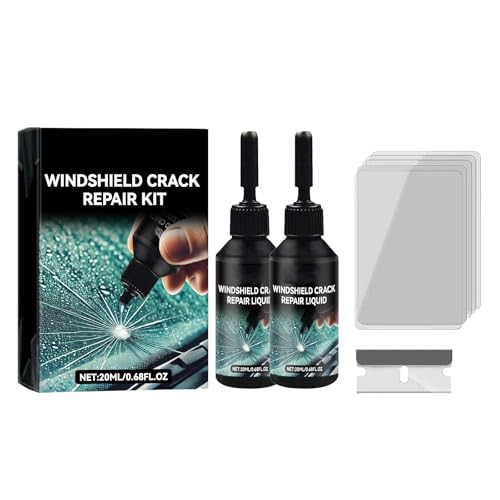
If the damage is minor — a chip or a short crack — you might not need insurance at all. A decent DIY kit like the Rain-X Windshield Repair Kit can fix small chips and cracks up to 12 inches long for a fraction of your deductible. It takes about 20 minutes in direct sunlight and stops the damage from spreading while you decide on a long-term fix.
Does Car Insurance Cover a Broken Window? (The Short Answer)
Yes, but only under comprehensive coverage. That’s the part of your auto policy that handles damage not caused by a collision — things like theft, vandalism, hail, falling objects, and animal strikes. A broken window almost always falls into this category, whether it’s a windshield cracked by a flying rock or a side window smashed in a break-in.
Collision coverage won’t help here. Collision pays for damage from hitting another vehicle or object, like a tree or a guardrail. If a branch falls on your windshield during a storm, that’s comprehensive. If you rear-end someone and your windshield cracks from the impact, that’s collision. The distinction matters because your deductible and premium impact differ between the two.
Here’s the catch: comprehensive coverage is optional in most states. If you dropped it to save money, you’re paying for that broken window entirely out-of-pocket. Liability-only policies don’t cover your own vehicle’s glass, period.
Comprehensive vs. Collision: Which One Pays for Glass?
Think of comprehensive as the catch-all for things you didn’t cause. It covers:
- Windshield cracks and chips from road debris
- Side and rear windows shattered by vandals or thieves
- Hail damage that cracks or pits glass
- Extreme heat cracking a windshield (yes, this happens)
- Falling branches, debris, or other objects
Collision coverage, on the other hand, only kicks in when your car hits something or something hits it while you’re driving. A collision-related glass break is rare, but it happens. If you crash into a deer and the windshield cracks when its body hits the hood, your collision coverage pays — minus your collision deductible.
Most drivers carry both coverages if they have a loan or lease. If you own your car outright, you might have dropped comprehensive to save money. That’s a gamble that can cost you $300 to $1,500 the moment a rock hits your glass.
What If the Window Was Broken in a Break-In or Vandalism?
This is the most common broken-window scenario, and the coverage is the same: comprehensive. But there’s an extra layer here — the theft itself. If someone smashed your window to steal a bag from the back seat, your auto insurance covers the window damage but not the stolen property. Your homeowners or renters insurance might cover the stolen items, but that’s a separate claim with its own deductible.
Vandalism claims work the same way. Keyed doors, smashed windows, slashed tires — all comprehensive claims. But here’s something most people don’t realize: a vandalism claim can raise your rates just like an at-fault accident, even though you did nothing wrong. Insurers see claims history as a risk indicator, and some states allow them to surcharge for comprehensive claims.
Weather-related damage is trickier. Hail cracks are clearly comprehensive. But a windshield that cracks from extreme heat after a cold snap? That’s also comprehensive in most cases, though some insurers will push back and call it a maintenance issue. Take photos immediately and document the conditions if you can.
The Real Cost: Side Window vs. Windshield Replacement (2026 Prices)
Before you decide whether to file a claim, you need to know what you’re dealing with. Glass prices vary wildly by vehicle, but here are realistic numbers for 2026:
| Glass Type | Average Cost (Parts + Labor) | Typical Deductible | Out-of-Pocket If Claiming |
|---|---|---|---|
| Windshield (standard) | $200 – $400 | $250 – $500 | Deductible only, if comprehensive |
| Windshield (with ADAS sensors) | $400 – $1,200 | $250 – $500 | Deductible + potential recalibration gap |
| Side window (front or rear door) | $150 – $400 | $250 – $500 | Deductible, or full cost if no comprehensive |
| Rear window (with defroster) | $250 – $600 | $250 – $500 | Deductible, or full cost if no comprehensive |
| Quarter window (small fixed glass) | $100 – $250 | $250 – $500 | Often cheaper to pay cash |
Here’s the math problem: if your deductible is $500 and your windshield costs $350 to replace, filing a claim is pointless. You’d pay the deductible plus a likely premium increase. Paying cash is the obvious move. But if you have a newer car with lane-keeping cameras and rain sensors, the bill can hit $1,200, and now the claim makes sense.
Why ADAS Recalibration Adds $200–$800 to Your Windshield Bill
Modern cars have cameras and sensors mounted to the windshield behind the rearview mirror. These feed your lane departure warning, adaptive cruise control, automatic emergency braking, and even your rain-sensing wipers. When the glass is replaced, those sensors often need recalibration — otherwise your car might brake randomly or fail to warn you about lane drift.
Recalibration isn’t optional, and it isn’t cheap. Expect $200 to $800 on top of the glass cost, depending on your vehicle and whether the shop needs to do a static or dynamic calibration. Some insurers cover recalibration as part of the windshield claim; others don’t. Ask your adjuster directly before approving the repair. If they say no, you’re on the hook for that cost, and it can easily exceed your deductible.
This is also why a cheap glass shop might not be the best deal. A $250 windshield installed by a guy with a credit card machine might not include recalibration, leaving you with a car that thinks it’s about to hit something every time you change lanes. Pay for the proper job.
Zero-Deductible Glass Coverage: Is It Worth It in Your State?
Some insurers offer zero-deductible glass coverage or a glass-only policy with a lower deductible than your standard comprehensive. This is a separate endorsement that typically costs $5 to $15 per year per vehicle. For that small premium, you get full glass replacement without paying your comprehensive deductible.
Is it worth it? That depends on your state and your vehicle. In Florida, Kentucky, and South Carolina, insurers are required to offer zero-deductible glass coverage because of the high rate of rock-chip damage. If you live in a state with a lot of gravel roads, construction zones, or hail, this endorsement pays for itself the first time you use it.
But here’s the catch: filing a zero-deductible glass claim still counts as a comprehensive claim on your record. Your insurer sees it, and it can affect your rates. Some companies won’t raise your premium for a single glass claim, but others will. Check your policy language or call your agent and ask directly: “Will a glass-only claim increase my premium?” Get the answer in writing if you can.
Also, zero-deductible glass coverage usually applies only to the windshield, not side or rear windows. If your side window gets smashed in a break-in, you’re back to your standard comprehensive deductible. Read the endorsement carefully before you assume you’re covered.
Should You File a Claim? 3 Scenarios (And When to Pay Out-of-Pocket)
You’re covered, but coverage doesn’t mean you should use it. Here’s a practical decision framework based on real cost math.
Scenario 1: Small windshield chip or crack under 12 inches. Repair it yourself with a kit like the Rain-X windshield repair kit or pay a mobile repair shop $50 to $100. Don’t file a claim. Your deductible is likely higher than the repair cost, and a claim on your record isn’t worth it for a $60 fix.
Scenario 2: Full windshield replacement, deductible under $500. File the claim if the total cost (glass + recalibration) exceeds your deductible by a meaningful margin. For example, a $900 windshield with a $250 deductible means you pay $250 and the insurer covers $650. That’s a good deal. Just be ready for a possible premium bump.
Scenario 3: Side window smashed in a break-in, deductible $500 or more. A side window replacement often costs $200 to $400. If your deductible is $500, you’re paying everything anyway. Skip the claim, pay cash, and keep your record clean. Your insurer won’t raise your rates, and you’ll save the hassle of an adjuster visit.
The rule of thumb: if the repair cost is less than your deductible, pay cash. If it’s close to your deductible, pay cash. Only file when the damage meaningfully exceeds what you’d pay out-of-pocket.
Step-by-Step: How to File a Broken Window Claim (Without Getting Denied)
If you decide to file, do it right. Insurance companies deny glass claims more often than you’d think, usually for avoidable reasons.
- Document everything immediately. Take photos of the damage from multiple angles, including the surrounding area. If it’s a break-in, photograph the scene before you clean anything up.
- File a police report for vandalism or theft. Your insurer will ask for it, and it establishes a timeline. For a rock chip on the highway, no police report is needed.
- Call your insurer within 24 hours. Most policies require prompt notification. Waiting a week gives them an excuse to question whether the damage happened during your coverage period.
- Don’t repair it before the adjuster sees it. If you replace the glass before the claim is approved, you risk denial. Ask the adjuster if they need to inspect the damage in person or if photos suffice.
- Get a written estimate from a reputable shop. Your insurer may have preferred vendors, but you’re not required to use them. Compare prices, and make sure the estimate includes ADAS recalibration if your car needs it.
- Ask about OEM vs. aftermarket glass. Your insurer may push for aftermarket glass to save money. That’s fine for older cars, but if your car is leased or has advanced safety features, OEM glass might be required. Your lease agreement often dictates this.
One more thing: don’t attempt a DIY repair on a crack that’s already too large or in the driver’s line of sight. A botched repair can turn a repairable chip into a full replacement, and your insurer might deny the claim if they think the damage was made worse by your actions. Know your limits.
Rental Car Coverage and Other Hidden Costs After a Break-In
Your window is smashed, your car is in the shop for two days, and you still need to get to work. Does insurance pay for a rental? Only if you have rental reimbursement coverage on your policy. This is an optional add-on that typically costs $20 to $40 per year and covers $30 to $50 per day for a rental car while your vehicle is being repaired.
Without it, you’re paying for the rental yourself. And that’s not the only hidden cost. If the break-in damaged your interior — glass shards embedded in the seats, a ripped door panel from forced entry — those repairs might not be fully covered under the glass claim. Some insurers treat interior damage as a separate line item, and your comprehensive deductible applies to the total claim, not per part.
Also, consider your time. A simple side window replacement takes a few hours at a glass shop. A windshield with ADAS recalibration might require the car to stay overnight. If you don’t have rental coverage, plan around that downtime or pay for the rental out-of-pocket and skip the claim entirely if the math doesn’t work.
Leased or Financed? Who Pays for the Glass Replacement?
If you lease your car, your lease agreement almost certainly requires you to maintain comprehensive coverage with a low deductible. Some leases even specify OEM glass only. That means you can’t just take the cheapest replacement quote — you need to follow the lease terms or risk a fee at turn-in.
Financed cars have similar requirements. Your lender wants the car protected, so comprehensive coverage is mandatory. But the lender doesn’t care about OEM vs. aftermarket glass unless your loan agreement says otherwise. Generally, you have more flexibility with a financed car than a leased one.
Here’s the practical takeaway: if you lease, file the claim when the damage is significant, because you’re required to fix it properly. If you own the car outright, you have the freedom to pay cash for a cheaper aftermarket replacement and skip the insurance headache altogether.
Frequently Asked Questions
Will a broken window claim raise my insurance rates?
It can. Comprehensive claims are viewed as risk indicators, and many insurers will surcharge your premium at renewal. The impact varies by state. In California, insurers generally can’t raise rates for a single not-at-fault comprehensive claim. In Oklahoma, however, a comprehensive claim can trigger a surcharge of 10% to 20% for three to five years. Ask your insurer about their specific surcharge policy before filing.
Does car insurance cover broken windows from hail?
Yes, hail damage to any glass is covered under comprehensive coverage. Hail can crack windshields, shatter sunroofs, and pit side windows. If the damage is cosmetic but the glass is still intact, some insurers might not cover replacement — they’ll only pay for repair if it’s drivable. Check your policy for the exact language on hail damage.
Can I claim a broken window if I don’t have comprehensive coverage?
No. Without comprehensive, your policy won’t pay for glass damage caused by anything other than a collision. You’re paying the full replacement cost out-of-pocket. This is the most common surprise for drivers who drop comprehensive to save money — it’s a false economy if you live in an area with lots of debris or crime.
Is a broken windshield covered under the glass deductible waiver?
Only if you purchased that specific endorsement. A deductible waiver means your insurer waives the comprehensive deductible for glass repairs, usually just for windshields. It’s not automatic. Check your declarations page or call your agent. If you have it, a windshield replacement might cost you nothing out-of-pocket.
What if the crack was already there when I bought the car?
Your insurer will likely deny the claim if they can prove the damage pre-dated your policy. That’s why you should inspect your car thoroughly at purchase and document any existing damage with photos. If a crack grows after you buy the car, you can file a claim, but be prepared to show it wasn’t there before.
Bottom Line: What to Do Right Now
- Check your policy for comprehensive coverage before you need it — if you don’t have it, add it now, especially if you drive on highways or park on the street.
- Know your deductible and compare it to the actual repair cost. If the repair is cheaper than your deductible, pay cash and keep your record clean.
- For small chips and cracks under 12 inches, a DIY kit like the Rain-X Fix a Windshield kit can save you $100 or more and prevent the damage from spreading.
- Always ask your insurer about ADAS recalibration coverage before approving a windshield replacement — it can add hundreds to your bill.
- Document everything with photos and a police report for vandalism, and file your claim within 24 hours to avoid denial.
- If you lease, follow the lease terms for OEM glass and proper repair — the turn-in inspection will catch shortcuts.
- Remember that a claim is a business transaction. Weigh the premium increase against the repair cost, and don’t be afraid to decline coverage you’ve already paid for.
For more context on how glass claims fit into your broader coverage, read our guide on stolen car coverage and the difference between driving another car under your policy. Knowing your coverage limits before something happens is the only way to avoid a nasty surprise.
Products related to this article
Sponsored / affiliate links. As an Amazon Associate I earn from qualifying purchases. I may earn additional commission from eligible campaigns.