Does Homeowners Insurance Cover Car Damage? Find Out!
Imagine waking up to find that a tree has fallen during the night, damaging both your home and your car. In the chaos of the moment, you might wonder: does homeowners insurance cover car damage?
If you’ve ever faced this scenario or simply want to be prepared, you’re in the right place. Understanding the ins and outs of your insurance policies can save you from potential headaches and financial strain. We’ll break down what homeowners insurance typically covers, delve into the specifics of car damage, and help you make informed decisions about your coverage.
Your peace of mind is just a few scrolls away, so let’s explore how you can protect your home and your vehicle effectively.

Credit: insuranceclaimhq.com
Homeowners Insurance Basics
Homeowners insurance helps protect your house and belongings. It has different coverage types. One type is dwelling coverage. This protects the structure of your home. Another type is personal property coverage. This protects your things inside the house. If there’s a fire or theft, this coverage helps. There’s also liability coverage. This helps if someone gets hurt on your property. Each type covers different situations. It’s important to know what each one does.
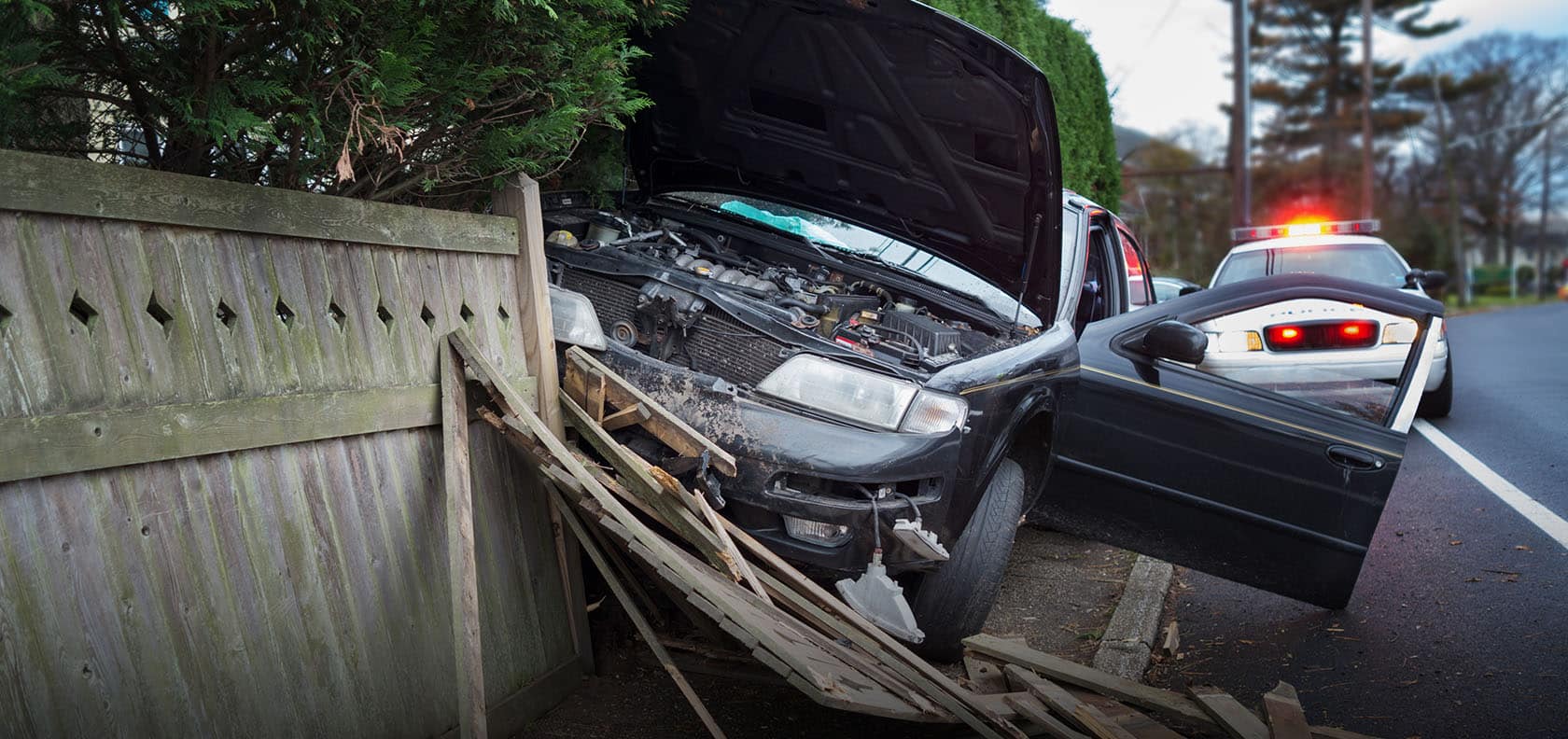
Not everything is covered by homeowners insurance. Car damage is a typical exclusion. This means if a tree falls on your car, it’s not covered. You need auto insurance for car damage. Floods and earthquakes are also not covered. You need special insurance for these events. Always check what your policy covers. Knowing exclusions helps avoid surprises.
Credit: www.mapfreinsurance.com
Car Damage Coverage
Standard Car Insuranceprotects your car from accidents. It covers costs for repairs. It also helps when you hit another car. This insurance is essential for all car owners. It keeps your finances safe. It is important to check your policy details. Know what is included and excluded. This way, there are no surprises.
Homeowners Insurance Roleis different. It focuses on your home and belongings. It does not cover car damage. If a tree falls on your car, homeowners insurance won’t help. You need car insurance for such events. Understanding both insurance types is crucial. It helps in making informed choices. Always review your policy carefully.
Situations Where Coverage May Apply
Cars parked in the garage need protection. A storm can damage the roof. This may affect the car inside. Homeowners insurance can help in these cases. It covers the garage and items inside. A fallen tree or heavy snow can cause such damage. It is wise to check your policy details. Ensure your car is covered in these situations. Always be prepared for unexpected events. It keeps your property safe and sound.
Natural disasters can strike anytime. Hurricanes, tornadoes, or earthquakes cause damage. They can harm homes and cars too. Homeowners insurance might cover these events. Check if your policy includes natural disasters. Some policies do, but not all. Read your insurance documents carefully. Know what is covered and what is not. Being informed can save you from surprises. Stay aware and protect your belongings.
Limitations Of Coverage
Homeowners insurance usually does not covercar damage. This is because it focuses on the home and belongings inside. Cars are considered separatefrom home structures. For car damage, you need auto insurance.
Some homeowners policies might have exceptions. These are rare and depend on the specific termsof the policy. It’s important to read your policy documents. This helps you understand what is covered and what is not.
Filing a claim is simple. First, contact your insurance company. They will ask for details about the damage. Have photos ready to show the damage. This helps in processing your claim faster.
An agent will guide you through the next steps. They might send someone to inspect the damage. Always keep copies of all paperwork. This helps in case of any issues or questions later.
Enhancing Your Coverage
An umbrella policygives extra protection. It covers more than basic insurance. This policy protects you from big costs. You might need it for serious accidents or damage. It covers legal fees too. Imagine someone sues you. This policy can help pay. You won’t lose all your money. It is extra safety. Think of it as a shield. A shield against huge bills.
Additional ridersadd special coverage. They are like extra tools. Tools to make insurance better. You can add them to your policy. They cover specific things. Like jewelry or expensive items. Sometimes, they cover special situations. You choose what you need. Pick what is important for you. This makes your coverage stronger. Stronger and more complete.
Steps To Take After Car Damage
Stay calm and ensure everyone’s safetyfirst. Check for any injuriesand call for help if needed. Move the car to a safe place, if possible. Turn on the hazard lights. This warns other drivers. Take photosof the damage. Photos help in proving what happened. Write down what you see. It helps in remembering details later. If others are involved, get their names and contact details.
Reach out to your insurance companyquickly. Tell them about the damage. Give them all the details you have. Share the photos and notes you took. They will guide you on the next steps. Ask about what is covered. This helps in understanding your insurance policy. Be honest in your report. This helps avoid issues later.
Frequently Asked Questions
Does Homeowners Insurance Cover Car Damage?
Homeowners insurance typically doesn’t cover car damage. It’s designed for your home and personal belongings. For car damage, you need auto insurance. Check your auto policy for coverage details related to accidents or other incidents.
What Does Homeowners Insurance Generally Cover?
Homeowners insurance usually covers your home structure and personal belongings. It protects against perils like fire, theft, and certain natural disasters. It may also provide liability coverage if someone is injured on your property. Always review your policy for specific coverage details.
Can I File A Claim For Car Theft Under Homeowners Insurance?
Car theft is typically not covered by homeowners insurance. You need comprehensive auto insurance for car theft coverage. Homeowners insurance might cover personal items stolen from your car, but not the vehicle itself. Check both policies for specific coverage details.
Are There Exceptions To Coverage For Car Damage?
Homeowners insurance might cover car damage in rare cases. For example, if your garage collapses and damages your car, some policies might cover it. However, this is uncommon, and you should verify with your insurer. Typically, auto insurance is necessary for car damage.
Conclusion
Understanding insurance coverage can be confusing. Homeowners insurance usually does not cover car damage. Car damage is typically covered by auto insurance. Check your auto policy for details. Review both policies to know what’s covered. Contact your insurance agent for specific advice.
Ask questions about coverage limits. Don’t assume all damages are covered. Read your policies carefully. Consider all options for protection. Plan ahead to avoid surprises. Make informed decisions about your insurance needs. Protect your assets wisely. Your peace of mind matters.
Insurance should help, not confuse. Stay informed and secure.