Does Rain Damage Car Paint? What Actually Causes It
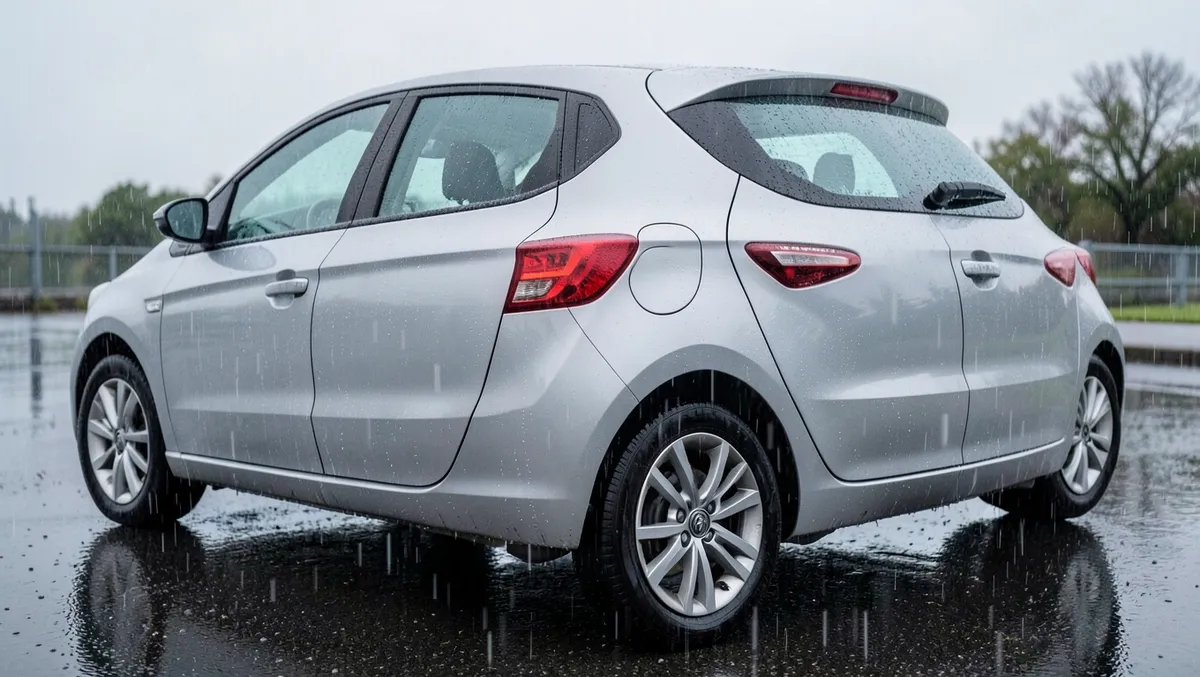
Plain rainwater does not damage car paint by itself. Modern clear-coat finishes are built to handle getting wet. What actually causes rain-related paint damage are the things mixed into or left behind by that rain: dissolved acidic pollutants, mineral deposits that etch in as water evaporates in the sun, and acidic bird droppings or tree sap that rain washes onto the surface but doesn’t rinse away.
The short version: an occasional rainstorm won’t hurt your paint. Rain that’s left to dry on the car in direct sun, rain mixed with heavy industrial pollution, or rain that spreads bird droppings and sap across the finish — those are the real risks, and they’re all preventable with a quick rinse and a decent wax or sealant.
What’s Actually in Rainwater
Rain itself starts out relatively clean. In fact, rainwater is naturally soft — it has far less dissolved mineral content than most tap water, which is why it doesn’t usually leave the same chalky mineral spots that hard tap water does. Even “clean” rain is naturally a little acidic, sitting around pH 5.6, because it absorbs a small amount of carbon dioxide from the air on its way down. That mild acidity alone isn’t enough to hurt a car’s finish.
The problem is what rain picks up along the way and what it leaves behind. As raindrops fall through polluted air, they can absorb sulfur dioxide and nitrogen oxides from vehicle exhaust and industrial emissions, forming weak sulfuric and nitric acid. Rain also collects dust, pollen, and airborne grit, then deposits all of it on your car’s surface. None of that is dangerous in small amounts, but repeated exposure without washing lets it build up.
RAIN-BEADING PROTECTION
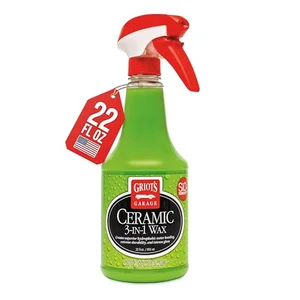 |
Griot’s Garage Ceramic 3-in-1 Wax, 22 oz – $17.59 A ceramic-infused spray wax that makes rain bead up and roll off instead of sitting and drying into water spots.
|
When Rain Can Actually Damage Your Paint
Acid Rain (Real, But Rarer Than It Used to Be)
Acid rain is a genuine cause of paint damage, but it’s less common in the U.S. today than it was in the 1970s and ’80s. After the 1990 Clean Air Act Amendments cracked down on sulfur dioxide emissions from power plants, U.S. SO2 levels have fallen by more than 90%, and acid rain severity has dropped along with it. It still happens, especially downwind of heavy industry or coal-burning plants, and it’s more of an issue in parts of Eastern Europe and Asia. When it does occur, acid rain that’s allowed to dry on the paint can etch the clear coat, leaving dull, slightly rough spots that are tough to polish out.
Hard Water Spots From Evaporating Rain
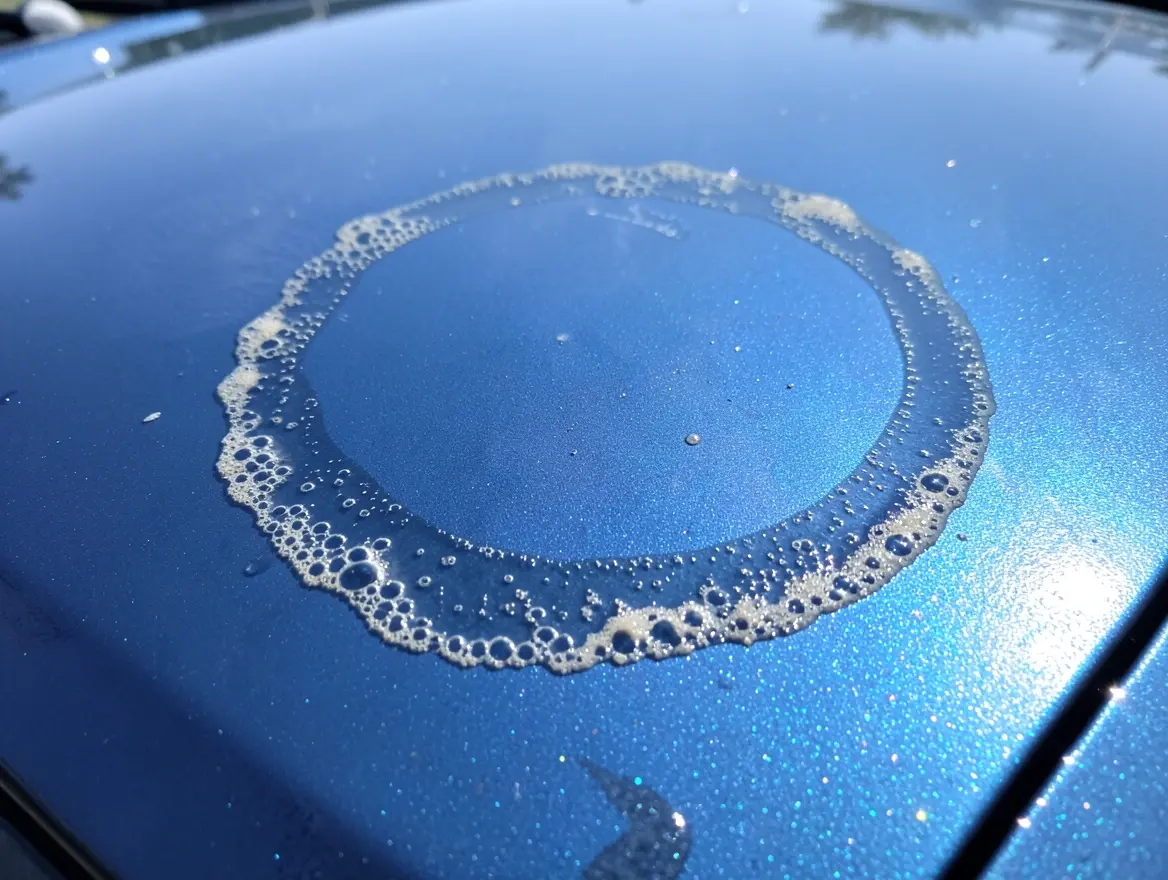
This is the most common way rain actually marks up a car, and it has almost nothing to do with the rain itself. As rainwater sits on a hot hood or trunk lid and evaporates in direct sunlight, any dissolved minerals and airborne dust it was carrying get left behind and concentrated in a ring. The heat from the sun can bake that residue into the clear coat, leaving etched water spots that a simple wash won’t remove. This is why detailers always recommend drying your car off after it rains instead of letting it air-dry in the sun.
Bird Droppings and Tree Sap Mixed With Rain
Rain doesn’t create this problem, but it spreads it around. Bird droppings are acidic and, combined with the heat of direct sun, can eat into clear coat within hours. Tree sap does something similar as it hardens. If rain washes droppings or sap across a larger area of the panel before you notice them, you end up with a bigger cleanup — and a bigger risk of etching — than if they’d stayed in one spot. Clean these off as soon as you can, rain or no rain.
What Rain Does NOT Do
A few myths are worth clearing up. Rain does not strip wax or sealant off your car — a quality wax holds up fine through normal rainfall. Rain also does not, on its own, cause paint to peel; peeling clear coat is almost always the result of age, UV exposure, or a paint job that failed to bond properly in the first place, with weather exposure simply speeding up an existing problem. And a single rainstorm won’t “wash” years of grime off your car the way an actual car wash will — rain can rinse off loose dust, but it isn’t a substitute for washing with soap.
How Long Should a Freshly Painted Car Stay Out of the Rain?
Modern basecoat/clearcoat paint typically sets enough to handle light rain within about 24 hours, but that’s not the same as being fully cured. Full hardness can take anywhere from a couple of weeks to about 30 days depending on the paint system and the shop’s process. During that curing window, try to keep the car garaged or under cover, skip the automatic car wash, and hold off on waxing — the goal is to let the solvents finish evaporating out of the paint without trapping moisture or grit against a still-soft surface.
How to Protect Your Paint From Rain Damage
None of this requires much effort. A few habits go a long way toward keeping paint looking new for years:
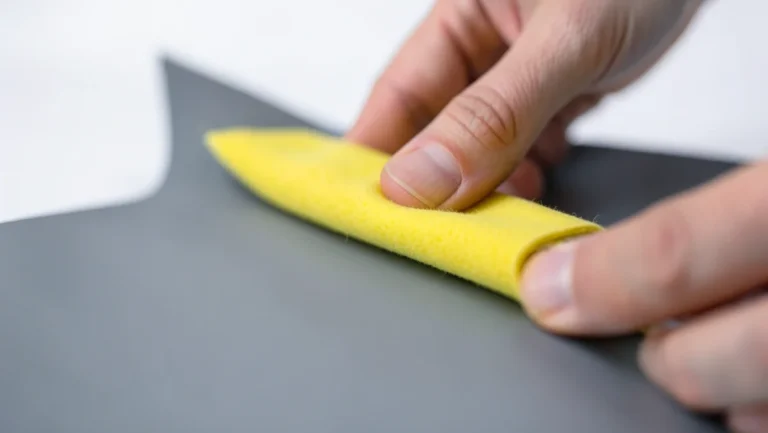
- Dry the car after rain when you can. A quick pass with a microfiber towel before the sun comes out prevents most water-spot etching.
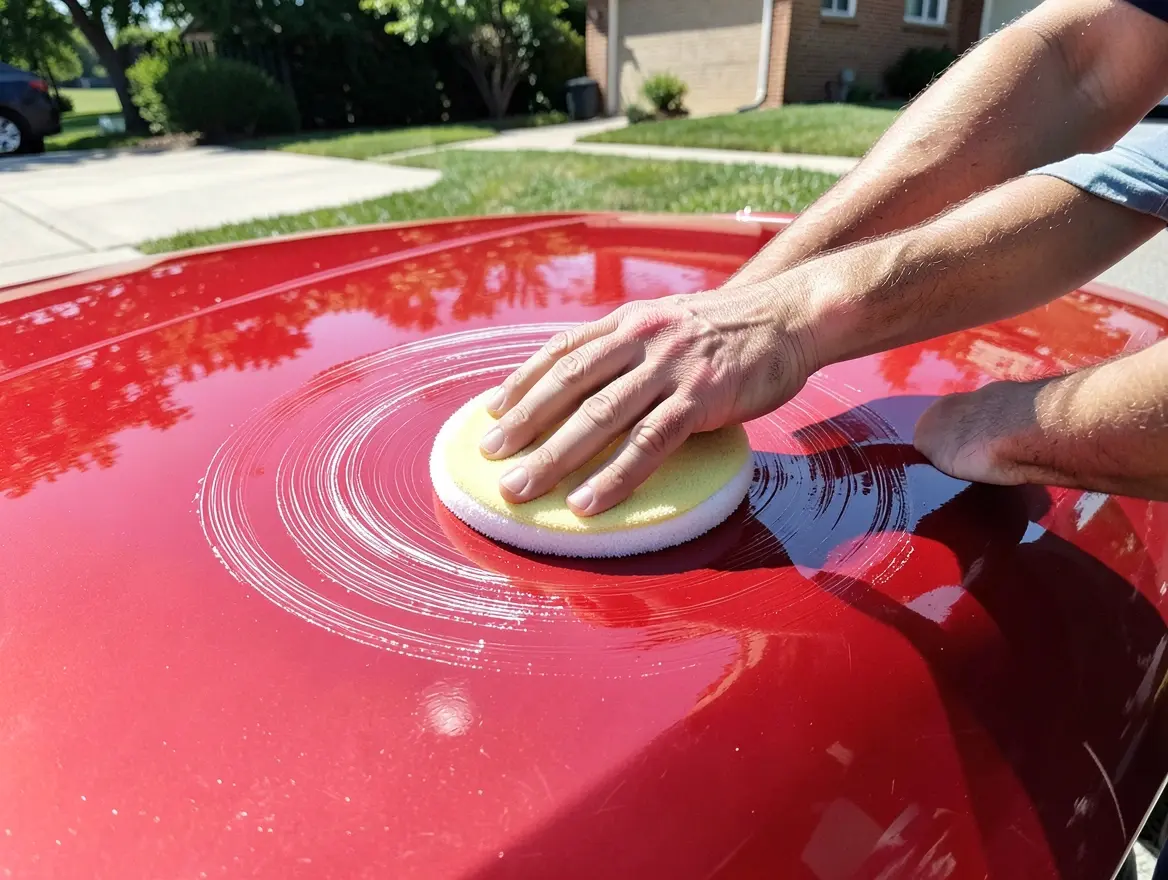
- Wax or seal the paint every few months. A coat of wax, paint sealant, or ceramic spray gives rain less to grip onto, so it beads and rolls off instead of pooling and drying in place. Rain-repellent products can add extra water-shedding on top of wax.
- Park under cover when you can. A garage or carport avoids the problem entirely; even parking away from trees cuts down on sap and droppings.
- Clean off bird droppings and sap quickly. The longer they sit — especially in the sun — the more they can etch the clear coat.
- Wash off road salt and grime after storms. Rain in winter often means road salt is riding along with it, which is harder on exposed metal and trim than the water itself.
Frequently Asked Questions
Is It Bad for Your Car to Get Rained On?
No, occasional rain on its own isn’t bad for your car. Plain rainwater doesn’t strip wax or damage clear coat. The risk comes from letting rain dry on the car in direct sun, from acid rain in polluted areas, or from rain spreading bird droppings and sap across the paint. A quick dry-off after a storm and regular washing and waxing prevent nearly all of it.
Should You Wipe Rain Off Your Car?
Yes, especially if the car will sit in direct sun afterward. Wiping rain off with a clean microfiber towel prevents the mineral deposits and dust it’s carrying from concentrating into hard water spots as it evaporates. It only takes a couple of minutes and it’s the single most effective habit for avoiding rain-related paint marks.
How Long Should a Freshly Painted Car Avoid Rain?
Most modern basecoat/clearcoat paint jobs can handle light rain after about 24 hours, but full cure can take up to 30 days depending on the paint system. Keep a freshly painted car garaged when possible during that window, and avoid automatic car washes and waxing until the shop that did the work confirms it’s fully cured.
Is It Okay to Wash a Car With Rainwater?
Yes. Rainwater is naturally soft and low in dissolved minerals, so it’s actually less likely than hard tap water to leave mineral spots. If you collect it in a clean container and use proper wash soap and mitts, it works fine for a wash. Just don’t rely on rain alone to clean a dirty car — it doesn’t remove ground-in grime the way an actual soap wash does.
Does Acid Rain Still Happen?
Yes, but it’s far less severe in the U.S. than it was decades ago. Sulfur dioxide emissions have dropped more than 90% since the 1990 Clean Air Act Amendments took effect, so acid rain is now mostly a localized issue near heavy industry, power plants, or in regions with less pollution control. Where it does occur, it can still dull and etch clear coat if it’s left to dry on the paint.
Can Rain Cause Rust on a Car?
Rain itself doesn’t rust intact paint, since paint and clear coat seal the metal underneath from moisture. Rust becomes a risk when rain gets past that barrier — through a chip, scratch, or gap around a sunroof or door seal — and sits against bare metal. Keeping drainage channels clear and touching up chips quickly prevents rain from turning into a rust problem.
The Bottom Line
Rain by itself isn’t the enemy of your car’s paint — what’s dissolved in it, what it spreads around, and what happens after it dries are what actually cause damage. Dry your car off after a storm, wax or seal it a few times a year, and deal with bird droppings and sap quickly, and rain is one of the easier things to protect your paint against.
Products related to this article
Sponsored / affiliate links. As an Amazon Associate I earn from qualifying purchases. I may earn additional commission from eligible campaigns.