What Kills a Car Battery? The Real Causes and How to Prevent Them
The most common things that kill a car battery are a parasitic drain, leaving lights or accessories on, extreme heat or cold, a failing alternator, old age, and corroded terminals. Most of these do not kill a battery instantly. They wear it down a little at a time until one morning it no longer has enough power left to crank the engine.
This guide walks through each cause in plain terms, then gives you a quick way to figure out which one is actually happening to your car based on the symptoms you are seeing.
The Most Common Car Battery Killers, At a Glance
PREVENTS MOST CAUSES ON THIS LIST
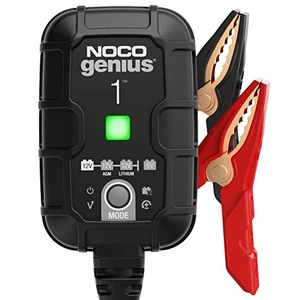 |
NOCO GENIUS1 1A Smart Battery Charger & Maintainer – $29.95 A smart trickle charger you can leave connected long-term, directly countering the short-trip undercharging, parasitic drain, and cold-weather causes covered below.
|
Here is the short version before the full breakdown below:
| Cause | What Is Actually Happening | Quick Fix |
|---|---|---|
| Parasitic drain | Something keeps pulling power after the car is off and locked | Test draw with a multimeter; unplug or repair the offending circuit |
| Lights or accessories left on | Headlights, interior lights, or a phone charger draw power with the engine off | Double-check before you walk away; some cars auto-shut lights off, many do not |
| Extreme heat or cold | Heat evaporates electrolyte and speeds internal wear; cold reduces the power the battery can deliver | Keep terminals clean and consider a trickle charger in winter |
| Failing alternator | The battery stops getting recharged while you drive, so it slowly runs down even on long trips | Have the charging system tested at an auto parts store or shop |
| Old age | Internal plates degrade with every charge cycle until the battery can no longer hold a full charge | Most batteries need replacing after 3–5 years regardless of how they are treated |
| Corroded or loose terminals | Corrosion buildup blocks the flow of current even when the battery itself is fine | Clean terminals with a wire brush and a baking-soda-and-water paste |
| Frequent short trips | The alternator never gets enough run time to fully replace what starting the engine used | Take a longer drive occasionally, or use a maintainer overnight |
Parasitic Drain: Something Draining Power While the Car Is Off
A parasitic drain is any circuit that keeps pulling current after you turn the car off and walk away. A little bit of draw is completely normal. The clock, the alarm system, the key fob receiver, and the computer’s memory all sip a small amount of power around the clock, and a typical vehicle’s normal resting draw runs somewhere around 20 to 50 milliamps, with some newer, more electronics-heavy vehicles running as high as 85 milliamps.
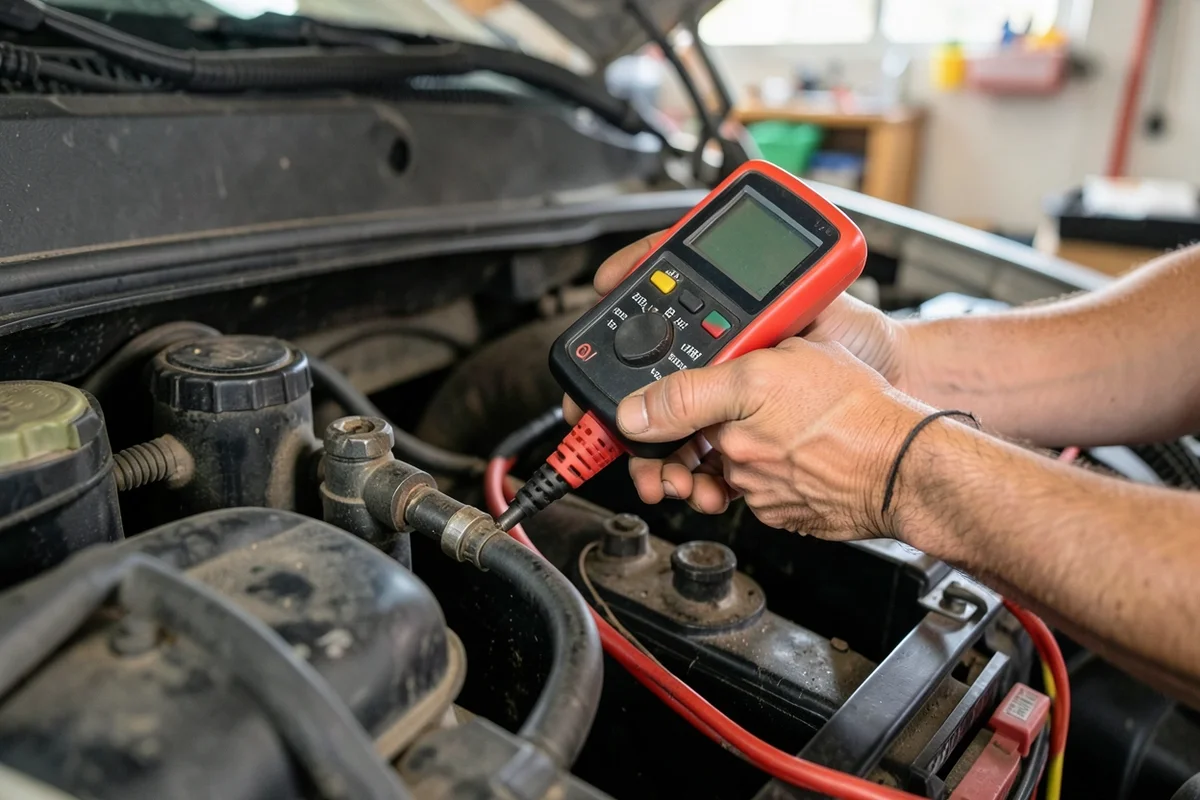
The problem starts when that draw is abnormally high. A draw above roughly 50 milliamps after every module in the car has gone to sleep is generally considered excessive and worth tracking down, and a bad enough draw can flatten a healthy battery in just a few days. Common culprits include a trunk, glove box, or door light that is not shutting off, a stuck relay, an aftermarket stereo or alarm that was wired incorrectly, or a short somewhere in the wiring. Finding it usually means testing current draw at the battery with a multimeter and pulling fuses one at a time until the draw disappears.
Leaving Lights or Accessories On
This is the simplest and most common cause of all, and it is not really a parasitic drain since there is nothing wrong with the car. Headlights, interior dome lights, and a phone charger or dash cam left plugged into a powered outlet all draw real current, and none of that is being replaced while the engine is off. Leave a headlight on overnight and there is a good chance the battery will not have enough left to start the car by morning.
Many newer vehicles have automatic headlight shutoff timers built in specifically because this used to be such a common complaint, but plenty of older vehicles and aftermarket lighting setups do not, so it is still worth a quick glance before you walk away from the car.
Extreme Heat and Cold
Cold weather gets most of the blame because that is when batteries actually fail to start the car, but heat does more of the real long-term damage. High under-hood temperatures speed up the chemical reactions inside a battery, which shortens its usable life and can evaporate the water out of the electrolyte in batteries that use a serviceable, refillable design. A battery that spends its summers baking in a hot engine bay will often reach the end of its life sooner than an identical battery in a milder climate.
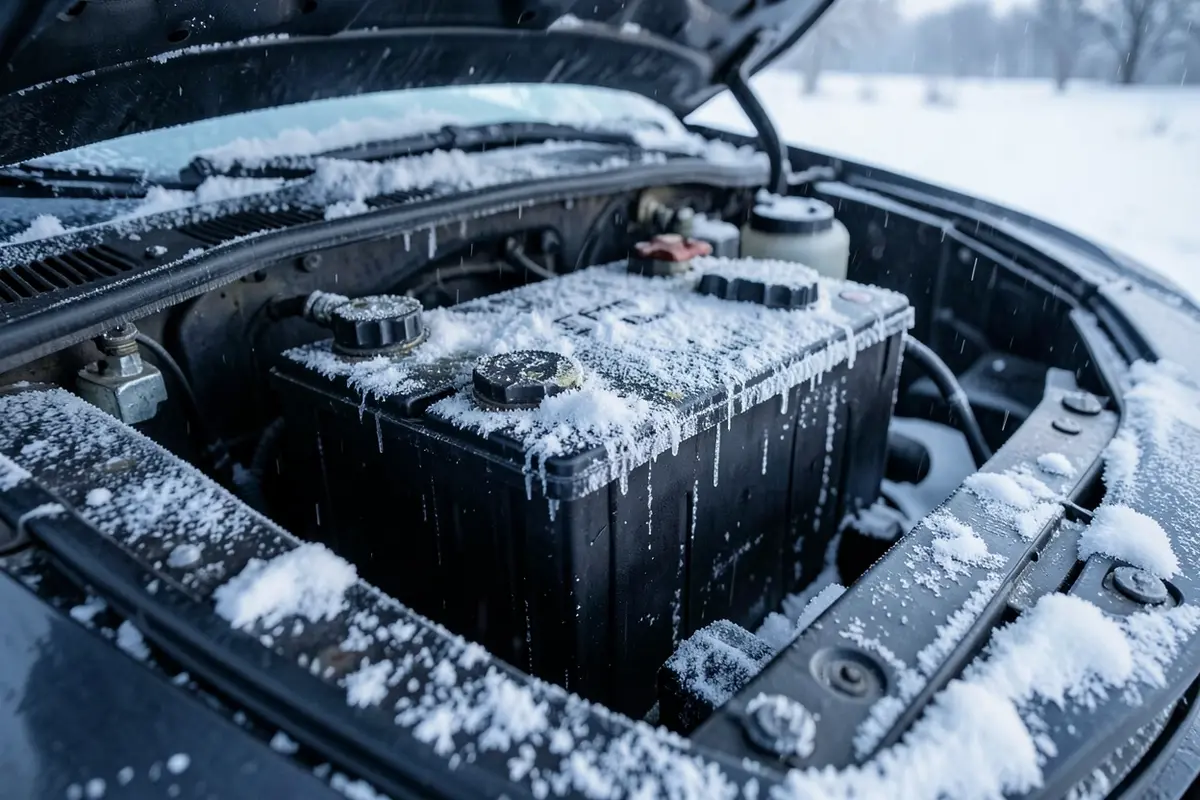
Cold is what finally exposes that damage. A fully charged battery only delivers around 65% of its rated cranking power at 32°F, and that drops to roughly half of its rated power at 0°F, at the exact moment a cold engine needs more effort to turn over in the first place. A battery that was already weakened by heat, age, or corrosion often has just enough power left to get through summer, then fails on the first genuinely cold morning of the year.
A Failing Alternator or Charging System
The alternator’s job is to recharge the battery and power the car’s electronics while the engine runs, replacing the burst of energy the battery gave up to start the car. When the alternator, its drive belt, or the voltage regulator fails, the battery stops getting recharged and instead slowly discharges even while you are driving. This is one of the few causes on this list that can drain a battery on a long highway trip, not just while the car sits parked.
A dashboard battery or charging warning light, dimming headlights at idle, or a battery that dies again within a day of being jump-started are all signs to have the charging system tested rather than simply replacing the battery again.
Old Age and Normal Wear
Every time a battery is discharged and recharged, its internal lead plates degrade a little. Eventually they can no longer hold a full charge no matter how well the battery has been maintained. Most car batteries last around 3 to 5 years, though heat, frequent short trips, and deep discharges can shorten that considerably, while a battery that is rarely stressed and lives in a mild climate can sometimes outlast that range.
An aging battery usually gives some warning first: a slower crank, dimmer headlights at idle, or a radio that resets itself more easily than it used to. If your battery is already struggling and you want a deeper, symptom-by-symptom diagnostic walkthrough for a battery that seems to be dying unusually fast, our companion guide on why your car battery might be dying so fast goes into more detail on each of these individual causes.
Corrosion and Loose Connections
Corrosion is a chalky, often blue-green or white, crust that forms on battery terminals as battery gas reacts with moisture and the metal of the clamp. It does not necessarily mean the battery itself is bad, but it builds an insulating layer between the terminal and the clamp that can block or reduce current flow badly enough to prevent the car from starting, even with a perfectly healthy battery underneath.
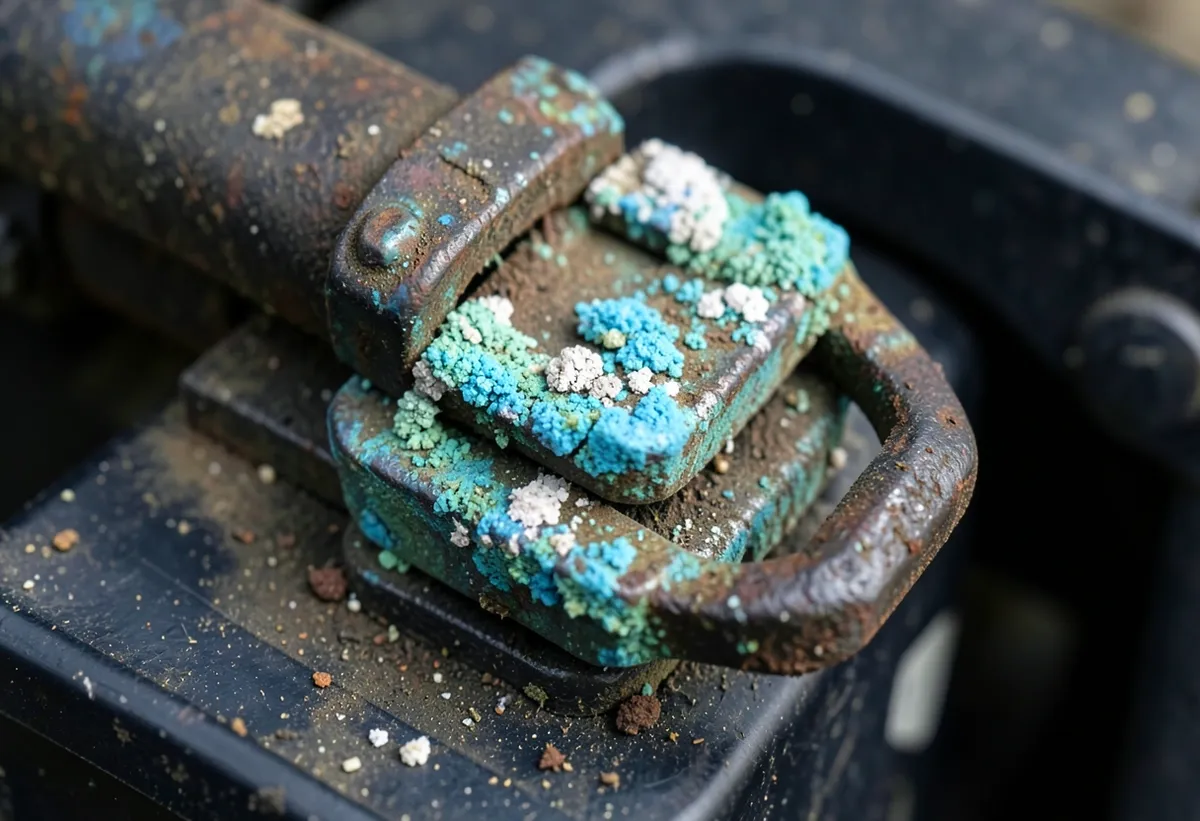
A loose clamp causes a similar problem even without any visible corrosion, since a poor connection cannot pass enough current to crank the engine reliably. Cleaning the terminals with a wire brush and a baking-soda-and-water paste, then making sure the clamps are tightened firmly, resolves most corrosion-related no-start problems in a few minutes. If corrosion keeps coming back on the same battery within weeks of cleaning it, our guide on why a car battery keeps corroding covers the recurring causes, like overcharging or a cracked case, that a one-time cleaning will not fix.
Frequent Short Trips
Starting the engine uses a large burst of stored energy, and the alternator needs a sustained period of driving to put that energy back. A string of short errands, five or ten minutes at a time, often never gives the charging system enough time to fully replace what each start used, so the battery drifts a little lower with every trip even though it seemed to start fine each time. Over weeks or months, that chronic undercharging leaves the battery weaker than its age alone would suggest, and it becomes far more likely to fail during a stretch of cold weather or after the car sits for a few days.
Aftermarket Electronics and Modern Tech Accessories
Dash cams, GPS trackers, aftermarket stereos, amplifiers, and phone chargers all add extra electrical load to a system the factory did not necessarily design around. Some of these draw power even in a supposed standby or parking mode, which is really just another form of parasitic drain, and a poorly installed aftermarket alarm or stereo is one of the more common causes of a mystery drain that a shop eventually has to trace wire by wire. If you have added anything electrical to your car recently and the battery problems started around the same time, that installation is the first place to check.
How to Tell Which One Is Killing Your Battery
The causes above rarely act alone, but the way your battery is failing usually points to one or two likely suspects:
| What You Are Seeing | Most Likely Cause |
|---|---|
| Dies after sitting unused for a few days, jump-starts fine | Parasitic drain, or a battery that is simply old |
| Dead the one morning after you parked, no other pattern | Lights or an accessory left on that one time |
| Dashboard battery light on, or dies again within a day of a jump-start | Failing alternator or charging system |
| Slow crank only on cold mornings, fine the rest of the year | Cold weather exposing an already weak or aging battery |
| Visible white or blue-green crust on the terminals | Corrosion blocking the connection |
| Only driven on short errands, dies every week or two | Frequent short trips not fully recharging the battery |
| Battery is 3+ years old and getting weaker over months | Normal old age and wear |
If none of these match cleanly, or the battery keeps dying even after you have ruled out the obvious causes, a shop or auto parts store can run a proper load test and a parasitic draw test in a few minutes, which will confirm whether the battery itself, the charging system, or a wiring problem is actually at fault.
How to Prevent Premature Battery Death
- Clean the terminals whenever you see corrosion starting to form, rather than waiting for a no-start.
- Take a longer drive occasionally if most of your trips are short, so the alternator gets time to fully recharge the battery.
- Use a smart trickle charger, like the one covered above, if the car sits for extended periods or during winter storage, since connecting a trickle charger to a car battery is straightforward and keeps it topped off without any risk of overcharging.
- Double-check lights and accessories before you walk away, especially on older vehicles without automatic shutoff.
- Have the charging system tested at the same time as the battery, since a healthy new battery will not last if the alternator is not recharging it properly.
- Replace the battery proactively once it is past the 3 to 5 year mark and showing any signs of slower cranking, rather than waiting for it to fail on a cold morning.
Frequently Asked Questions
What Kills a Car Battery the Fastest?
A significant parasitic drain or leaving headlights on overnight are the fastest ways to kill an otherwise healthy car battery, often within a single night. A failing alternator can also drain a battery quickly since nothing is recharging it, even while the car is being driven.
What Is a Normal Parasitic Draw on a Car Battery?
A normal resting draw is roughly 20 to 50 milliamps on most vehicles, with some newer, electronics-heavy vehicles running as high as 85 milliamps. A draw consistently above about 50 milliamps after all the car’s modules have gone to sleep is generally considered excessive and worth diagnosing, since it can flatten a healthy battery within a few days.
Does Cold Weather Really Kill Car Batteries?
Cold weather does not usually kill a healthy battery outright, but it exposes weakness that was already there. A fully charged battery delivers only about 65% of its rated cranking power at 32°F and roughly half at 0°F, which is often enough to finish off a battery that was already old, corroded, or damaged by summer heat.
Can a Car Battery Die From Sitting Too Long?
Yes. Every battery has a normal self-discharge rate, and any parasitic drain adds to that, so a car that sits unused for weeks can lose enough charge to no longer start the engine even with no obvious fault. This is one of the most common reasons a seasonal or backup vehicle needs a jump-start after sitting.
How Long Should a Car Battery Last?
Most car batteries last around 3 to 5 years, though heat, frequent short trips, and repeated deep discharges can shorten that considerably. A battery that is mostly used for longer highway drives in a mild climate can sometimes last a bit longer than that range.
Can You Prevent a Car Battery From Dying Early?
Yes. Keeping the terminals clean, taking a longer drive occasionally instead of only short errands, checking lights before you leave the car, and using a smart trickle charger during storage or a run of short trips all address the most common causes of premature battery failure.
Conclusion
Most car batteries do not fail out of nowhere. A parasitic drain, a light left on, extreme heat or cold, a failing alternator, old age, or corrosion is almost always behind it, and the pattern of how the battery is failing usually points to which one. Catching the real cause, instead of just replacing the battery and hoping, is what actually stops the problem from coming back.
Products related to this article
Sponsored / affiliate links. As an Amazon Associate I earn from qualifying purchases. I may earn additional commission from eligible campaigns.